
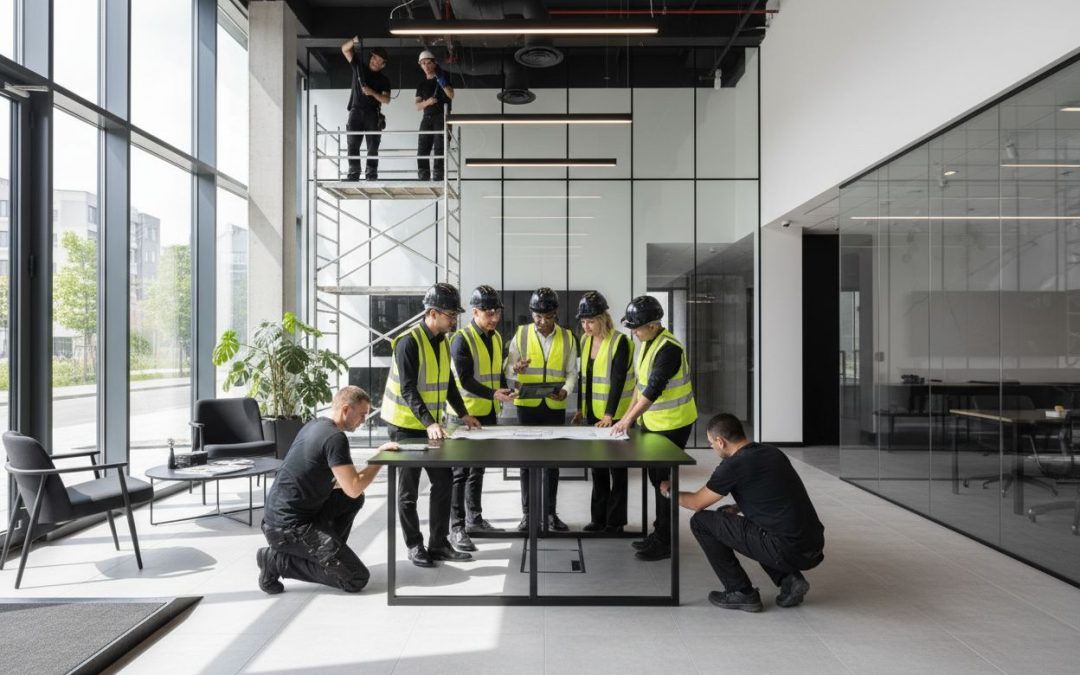
Did you know that commercial buildings waste nearly one fifth of their electricity on inefficient lighting alone? Upgrading your workspace is about more than modern looks. Smarter renovations can cut costs, impress clients, and keep teams happy while preparing your business for the future. Discover practical ideas that combine energy savings, flexible design, and thoughtful features for a space that stands out and supports your goals.
Table of Contents
- 1. Upgrade Lighting For Energy Efficiency
- 2. Maximize Space With Open Floor Plans
- 3. Modernize Entrances For Better Curb Appeal
- 4. Enhance Interiors With Durable Finishes
- 5. Integrate Smart Technology For Convenience
- 6. Create Inviting Break Areas For Staff
- 7. Improve Accessibility For All Visitors
Quick Summary
| Takeaway | Explanation |
|---|---|
| 1. Upgrade to LED Lighting for Savings | Switching to LED can reduce energy usage by up to 90% and lower operational costs significantly. |
| 2. Implement Open Floor Plans for Collaboration | Open layouts can enhance workplace productivity by up to 20% while promoting teamwork and communication. |
| 3. Modernize Entrances to Enhance Perception | Renovated entrances create powerful first impressions, reflecting professionalism and commitment to growth. |
| 4. Choose Durable Finishes for Longevity | Selecting high-quality, resilient materials reduces maintenance costs and extends the lifespan of your renovations. |
| 5. Enhance Accessibility for All Visitors | Making spaces accessible not only complies with regulations but shows commitment to inclusivity and diversity. |
1. Upgrade Lighting for Energy Efficiency
Transforming your commercial space starts with something surprisingly simple: smart lighting upgrades. Modern LED technology isn’t just about brightness it’s a game changing approach to reducing energy consumption and operational costs.
According to the Energy Star program, lighting accounts for 17% of electricity used in commercial buildings. By switching to LED solutions, businesses can dramatically slash energy usage by up to 90% while experiencing significant long term benefits.
Why LED Lighting Matters:
- Uses up to 90% less energy compared to traditional lighting
- Lasts 15 times longer than conventional bulbs
- Produces substantially less heat
- Potentially qualifies for utility company rebates
The global shift toward energy efficient lighting is accelerating. As the International Energy Agency reports, many countries are actively phasing out older lighting technologies in favor of high performance LED systems. This isn’t just an environmental trend it represents a fundamental transformation in how businesses approach energy management.
Implementing LED upgrades means more than just changing bulbs. You are investing in a comprehensive lighting strategy that reduces electricity bills, minimizes maintenance costs, and creates a more sustainable workspace. Start by conducting an energy audit, identifying current lighting inefficiencies, and developing a systematic replacement plan that maximizes your return on investment.
2. Maximize Space with Open Floor Plans
Reimagining your commercial space means breaking down more than just walls: it means transforming how people work and interact. Open floor plans represent a strategic approach to creating dynamic workspaces that boost collaboration and efficiency.
Research reveals compelling advantages to open layouts. According to workplace studies, implementing an open floor plan can improve productivity by up to 20% while simultaneously enhancing overall workplace satisfaction. These designs remove physical barriers that traditionally compartmentalize workers and create environments that encourage spontaneous communication and teamwork.
Key Benefits of Open Floor Plans:
- Increases natural lighting throughout the space
- Promotes collaborative interactions
- Reduces infrastructure and utility costs
- Supports flexible work environments
- Creates a more inclusive workplace atmosphere
Implementing an open floor plan requires thoughtful design. You do not simply tear down walls and call it done. Strategic planning involves considering noise management acoustic solutions and creating designated areas for focused work. This might mean incorporating sound absorbing materials modular furniture and creating quiet zones that allow employees to have privacy when needed.
By reimagining your workspace as a fluid interconnected environment you are investing in your team’s potential. Open floor plans signal a commitment to transparency communication and adaptability. They represent more than an architectural choice they are a statement about your organization’s culture and approach to modern work dynamics.
3. Modernize Entrances for Better Curb Appeal
Your commercial property’s entrance is more than just a doorway. It is the first impression potential clients and customers experience when approaching your business a critical moment that can significantly influence their perception of your brand.
Modernizing your entrance goes beyond aesthetic improvements. Research indicates that renovated spaces convey professionalism and signal business growth. An updated entrance communicates that your organization is forward thinking adaptive and committed to excellence.
Strategic Entrance Renovation Considerations:
- Creates powerful first impressions
- Demonstrates business investment
- Increases property value
- Reflects contemporary design trends
- Enhances overall brand perception
Materials like flexible stone veneer offer innovative solutions for creating stunning entrances. This lightweight material provides authentic stone aesthetics while being incredibly durable and adaptable to various architectural designs. Its weather resistant properties and ability to work on curved or flat surfaces make it an excellent choice for businesses seeking both beauty and functionality.
When planning your entrance renovation consider elements that communicate your brand identity. This might involve selecting complementary color schemes incorporating architectural details that reflect your industry integrating modern lighting and ensuring the entrance feels welcoming and professional. Think of your entrance as a visual narrative that tells visitors exactly who you are before they even step inside.
4. Enhance Interiors with Durable Finishes
Smart commercial renovation goes far beyond appearance. It is about selecting materials and finishes that can withstand daily wear while maintaining a professional aesthetic that speaks to your business’s quality and commitment.
Durable interiors represent a strategic investment in your commercial space. According to industry research commercial spaces benefit dramatically from selecting high quality resilient materials that reduce maintenance needs and extend the overall lifecycle of your renovation.
Key Considerations for Durable Interiors:
- Select materials resistant to stains and scratches
- Prioritize commercial grade furniture
- Plan for long term maintenance
- Choose sustainable material options
- Design with adaptability in mind
Materials like luxury vinyl tile stainless steel solid wood and quartz offer exceptional durability. These surfaces can handle high traffic areas while maintaining their visual appeal. Commercial spaces require finishes that look professional under constant use steel framing and concrete masonry units provide structural integrity that goes beyond aesthetic considerations.
When choosing interior finishes think strategically about performance. Your selections should balance visual appeal with practical functionality. For instance washable paints heavy duty hardware and modular design elements can significantly extend the lifespan of your commercial space.
For more insights into creating resilient interior spaces, check out our guide on bathroom upgrades which offers additional perspectives on selecting durable materials and finishes.
5. Integrate Smart Technology for Convenience
Modern commercial spaces are no longer just physical environments. They are intelligent ecosystems that adapt and respond to user needs through sophisticated technological integration.
Smart technology transforms how businesses operate by creating more efficient flexible and responsive work environments. According to the International Energy Agency advanced technological systems are becoming central to global sustainability efforts particularly in building management and energy conservation.
Smart Technology Integration Benefits:
- Reduces overall energy consumption
- Improves operational efficiency
- Enhances user comfort and experience
- Provides real time performance data
- Supports sustainability goals
Smart lighting systems represent a prime example of intelligent technology in action. These advanced systems combine energy efficient fixtures with occupancy sensors dimming capabilities and daylight harvesting technologies. Such systems automatically adjust illumination based on actual usage and ambient light conditions dramatically reducing unnecessary energy expenditure.
Implementing smart technology is not just about installing new devices. It is about creating an interconnected environment that learns and responds to your specific business needs. Consider integrated systems that can monitor temperature control lighting levels security access and even air quality. These technologies provide granular insights that help businesses optimize their operational performance while creating more comfortable work environments.
The future of commercial spaces lies in their ability to become adaptive intelligent environments that seamlessly blend technology convenience and sustainability. By strategically implementing smart technologies you are not just renovating a space you are future proofing your business infrastructure.
6. Create Inviting Break Areas for Staff
Your commercial space is more than a workplace. It is an environment that directly influences employee wellbeing productivity and organizational success.
Break areas are no longer just rooms where employees grab coffee. They are strategic spaces designed to support mental health collaboration and overall workplace satisfaction. Research demonstrates that well designed break environments can significantly boost morale reduce stress and enhance cognitive performance.
Essential Break Area Design Principles:
- Incorporate natural lighting
- Include biophilic design elements
- Create flexible collaborative zones
- Provide comfortable seating options
- Support multiple interaction styles
Designing an effective break area requires thoughtful consideration. Natural light plays a crucial role in employee mood and energy levels. Biophilic elements such as indoor plants natural textures and organic design can transform a mundane space into a rejuvenating environment. Consider creating zones that support different activities from quiet individual relaxation to small group interactions.
The goal is to create a space that feels welcoming and purposeful. Ergonomic furniture comfortable seating varied lighting options and thoughtful acoustic design can turn a standard break room into a destination employees actually look forward to experiencing. Think about creating spaces that allow for both social connection and personal recharge.
By investing in high quality break areas you are sending a powerful message to your team. You are demonstrating that their comfort wellbeing and experience matter. This approach goes beyond aesthetic design it is a strategic investment in your most valuable resource: your people.
7. Improve Accessibility for All Visitors
Accessibility is not just a legal requirement. It is a fundamental commitment to creating spaces that welcome and accommodate everyone regardless of their physical abilities.
Commercial renovations offer a strategic opportunity to transform your space into an inclusive environment that supports all visitors. Modern accessibility design goes beyond simple compliance it represents a profound statement about your organization’s values and commitment to diversity.
Key Accessibility Considerations:
- Ensure wide doorways and hallways
- Install smooth floor transitions
- Implement clear navigational signage
- Create open barrier free layouts
- Design adaptable restroom facilities
Open floor plans play a significant role in improving accessibility. By removing physical barriers you create environments that facilitate easier movement for individuals with mobility challenges. This approach supports not just those using wheelchairs or mobility aids but also creates a more intuitive navigation experience for all visitors.
Implementing accessibility features requires thoughtful design. Consider elements like smooth floor transitions automatic door openers adequate turning spaces in hallways and restrooms and clear visual and tactile signage. These modifications make your space more welcoming and functional for everyone including clients employees and visitors with diverse physical abilities.
Accessibility is about creating dignity and opportunity. When you invest in making your commercial space truly inclusive you are communicating that every individual matters. You are not just meeting legal requirements you are building a space that reflects respect understanding and genuine commitment to human diversity.
Below is a comprehensive table summarizing the strategies for transforming commercial spaces for energy efficiency, improved design, and operational effectiveness as discussed in the article.
| Topic | Description | Key Considerations |
|---|---|---|
| Upgrade Lighting | Transition to LED lighting reduces energy use by up to 90%. | Conduct energy audits, plan replacements, explore rebates. |
| Open Floor Plans | Enhance productivity and satisfaction by removing barriers. | Design for noise management, flexible zones, and natural light. |
| Modernize Entrances | Create a strong first impression and increase property value. | Use materials like flexible stone, reflect brand identity. |
| Durable Interior Finishes | Invest in materials that withstand wear and maintain aesthetics. | Choose stains-resistant, sustainable options like quartz or vinyl. |
| Integrate Smart Technology | Implement systems for energy efficiency and operational insight. | Use smart lighting, occupancy sensors, and temperature controls. |
| Inviting Break Areas | Design spaces for employee wellbeing and productivity. | Employ natural lighting, ergonomic furniture, and biophilic design. |
| Improve Accessibility | Create inclusive spaces for all visitors. | Ensure barrier-free layouts, smooth transitions, and clear signage. |
Elevate Your Commercial Space with Expert Renovation Solutions
Feeling ready to transform your workspace into a modern, efficient environment that truly represents your brand? This article highlights key renovation ideas like energy-efficient lighting, open floor plans, and smart technology integration — all aimed at saving costs and boosting productivity. Tackling these challenges requires a trusted partner who understands both design and durability for lasting impact.
AstroTech Construction specializes in bringing these smart commercial renovation strategies to life across the Dallas – Fort Worth Metroplex. From planning sustainable upgrades to creating inviting interiors and entrances, we guide you through each step with quality craftsmanship and customer-focused service. Whether your goal is to cut energy expenses or enhance accessibility, our expertise ensures your vision becomes reality.
Explore how our comprehensive commercial renovation services can help you unlock your building’s potential.
Take the next step toward a modern workspace today. Visit AstroTech Construction to schedule your consultation and start your project with confidence. Your future-ready commercial space awaits.
Frequently Asked Questions
What are the main benefits of upgrading to LED lighting in commercial spaces?
Upgrading to LED lighting can reduce energy consumption by up to 90% and lower long-term operational costs. To take advantage of these savings, consider assessing your current lighting and create a replacement plan focused on more energy-efficient options.
How can I effectively design and implement an open floor plan in my office?
Begin by removing unnecessary walls and planning designated areas for quiet work and collaboration. This thoughtful design approach can improve productivity by up to 20% and create a more inclusive atmosphere.
What factors should I consider when modernizing my commercial entrance?
Focus on materials that reflect modern design while enhancing durability. Create a welcoming entrance by selecting elements that convey your brand identity and make powerful first impressions.
How can I select durable interior finishes for my commercial renovation?
Choose materials that are resistant to stains and scratches while maintaining a professional look. Prioritizing commercial-grade finishes can reduce maintenance needs significantly, extending the lifecycle of your renovation.
What smart technologies can I integrate into my commercial space for improved efficiency?
Consider implementing smart lighting, occupancy sensors, and climate control systems that create responsive environments. Start by evaluating which areas would benefit most from automation and aim to reduce overall energy consumption by at least 20%.
How can I make my commercial space more accessible for all visitors?
Ensure your space has wide doorways, smooth floor transitions, and clear navigational signage. Conduct an accessibility audit to identify areas needing improvement, and aim for a layout that supports all visitors including those with mobility challenges.
Recommended
- Bathroom Upgrades: Everything You Need to Know – Astrotech Construction
- 7 Essential Types of Remodeling Services for Homeowners – Astrotech Construction
- How to Hire a Renovation Contractor for Quality Results – Astrotech Construction
- Complete Guide to Interior Remodeling in DFW – Astrotech Construction