

Most property owners think remodeling means picking paint colors and new fixtures, but successful projects demand strategic planning long before the first wall comes down. Without proper preparation, even beautiful renovations can drain budgets, miss deadlines, and fail to deliver the functionality you need. This guide walks you through the essential planning steps that turn remodeling dreams into reality for Dallas-Fort Worth homeowners and commercial property owners, ensuring your project delivers both aesthetic appeal and lasting value.
Table of Contents
- Understanding Remodeling Planning: What It Involves And Why It Matters
- Core Stages Of Remodeling Planning: From Initial Ideas To Project Launch
- Common Remodeling Planning Challenges And How To Overcome Them
- Practical Tips And Resources For Remodeling Planning Success In Dallas-Fort Worth
- Discover Expert Remodeling Services In Dallas-Fort Worth
- Frequently Asked Questions
Key takeaways
| Point | Details |
|---|---|
| Planning prevents costly mistakes | Detailed preparation saves time and money by identifying potential issues before construction begins. |
| Multiple stages require attention | Successful remodeling involves goal setting, budgeting, permitting, contractor selection, and scheduling. |
| Local regulations matter | Dallas-Fort Worth has specific codes and permit requirements that must be addressed early in planning. |
| Professional support adds value | Experienced contractors help navigate complexity and ensure quality outcomes throughout the project. |
Understanding remodeling planning: what it involves and why it matters
Remodeling planning is the comprehensive preparatory process that transforms vague improvement ideas into executable project blueprints. Remodeling planning includes setting goals, budgeting, scheduling, obtaining permits, and selecting materials and contractors, creating a roadmap that guides every decision from initial concept to final walkthrough. This systematic approach ensures your project aligns with both your vision and practical constraints like budget, timeline, and local building codes.
The core components of effective planning work together to create project clarity. Goal setting defines what you want to achieve, whether that means adding square footage, improving energy efficiency, or modernizing outdated spaces. Budgeting establishes financial boundaries and helps prioritize spending across different project elements. Scheduling maps out realistic timelines that account for material delivery, contractor availability, and permit approval processes. Permit research identifies required approvals from local authorities, preventing legal complications and project delays. Material and contractor selection ensures quality outcomes by vetting options before commitments are made.
Tailoring projects to property needs and Dallas-Fort Worth regulations requires understanding local context. The region’s climate demands specific considerations for insulation, HVAC systems, and exterior materials that withstand Texas heat and occasional severe weather. Local building codes address structural requirements, electrical standards, and plumbing specifications that vary by municipality within the metroplex. Zoning regulations may restrict certain modifications, particularly for commercial properties or homes in historic districts. A comprehensive home improvement workflow seamless remodeling approach addresses these factors systematically.
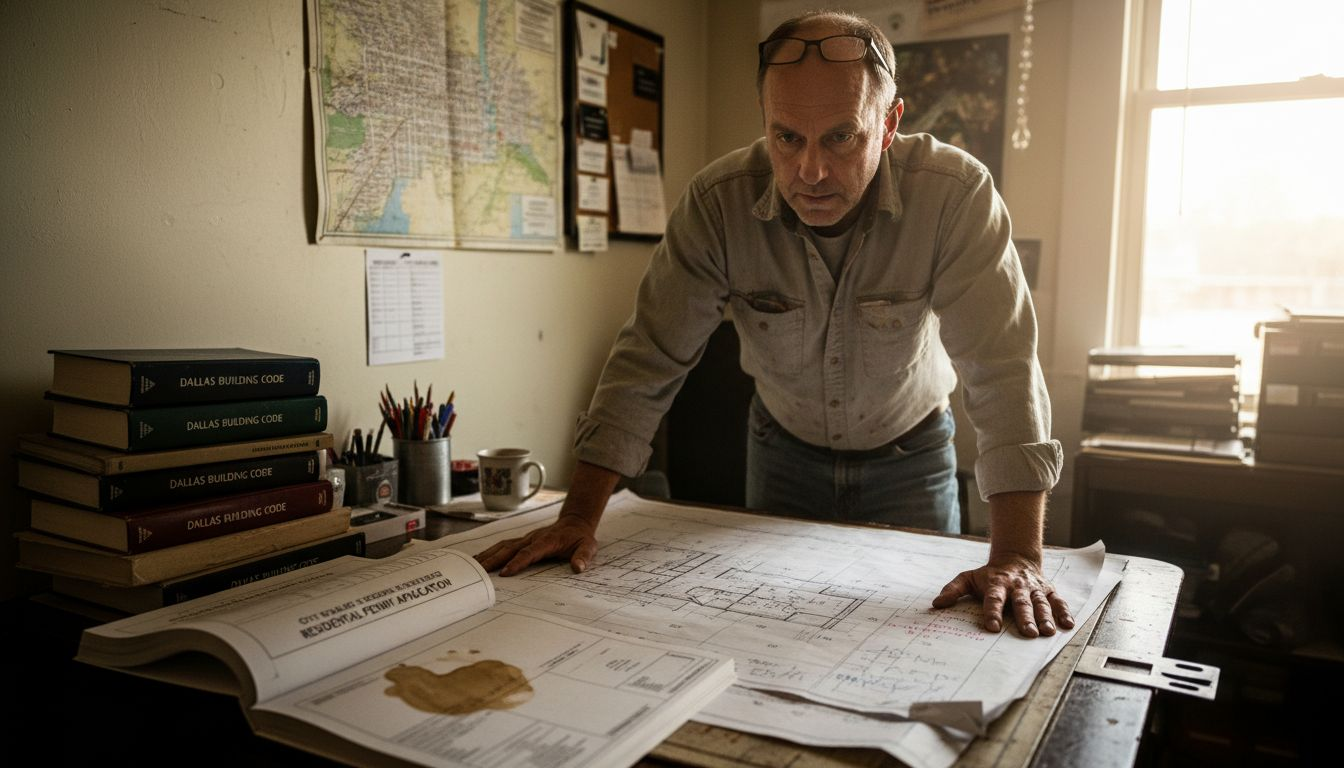
Proper planning delivers measurable cost and time savings that justify the upfront investment. Projects with detailed plans experience fewer change orders, which typically add 10 to 20 percent to final costs when decisions get made on the fly. Clear timelines reduce contractor downtime and minimize the expensive delays that occur when materials arrive late or permits get denied. Budget accuracy improves when you research costs thoroughly before construction starts, preventing the financial surprises that force compromises on quality or scope.
Pro Tip: Research permit requirements three months before your planned start date, as approval processes in Dallas-Fort Worth can take four to eight weeks depending on project complexity and current department workloads.
Core stages of remodeling planning: from initial ideas to project launch
Successful remodeling follows a logical sequence of planning stages that build upon each other. Understanding these phases helps you organize tasks efficiently and avoid the chaos that derails poorly planned projects. Each stage serves a specific purpose in transforming abstract ideas into concrete action plans.
The sequential steps of comprehensive remodeling planning create a foundation for success:
- Develop and refine your initial concept by identifying specific problems to solve and improvements to make, gathering inspiration from design resources, and creating a preliminary wish list of features and changes.
- Establish a realistic budget by researching typical costs for your project type, accounting for materials, labor, permits, and a 15 to 20 percent contingency fund for unexpected issues.
- Interview and select qualified contractors by checking licenses and insurance, reviewing portfolios of similar projects, and obtaining detailed written estimates from at least three candidates.
- Create a detailed project schedule that sequences tasks logically, accounts for material lead times, and includes buffer periods for weather delays or permit processing.
- Secure necessary permits and approvals by submitting applications with required documentation, coordinating inspections, and ensuring compliance with local codes.
- Finalize material selections and place orders with adequate lead time, confirming delivery schedules align with your construction timeline.
- Prepare your property for construction by clearing work areas, protecting belongings, and establishing contractor access points and staging areas.
A remodeling project checklist helps organize these steps systematically, ensuring nothing gets overlooked as you progress through planning phases.
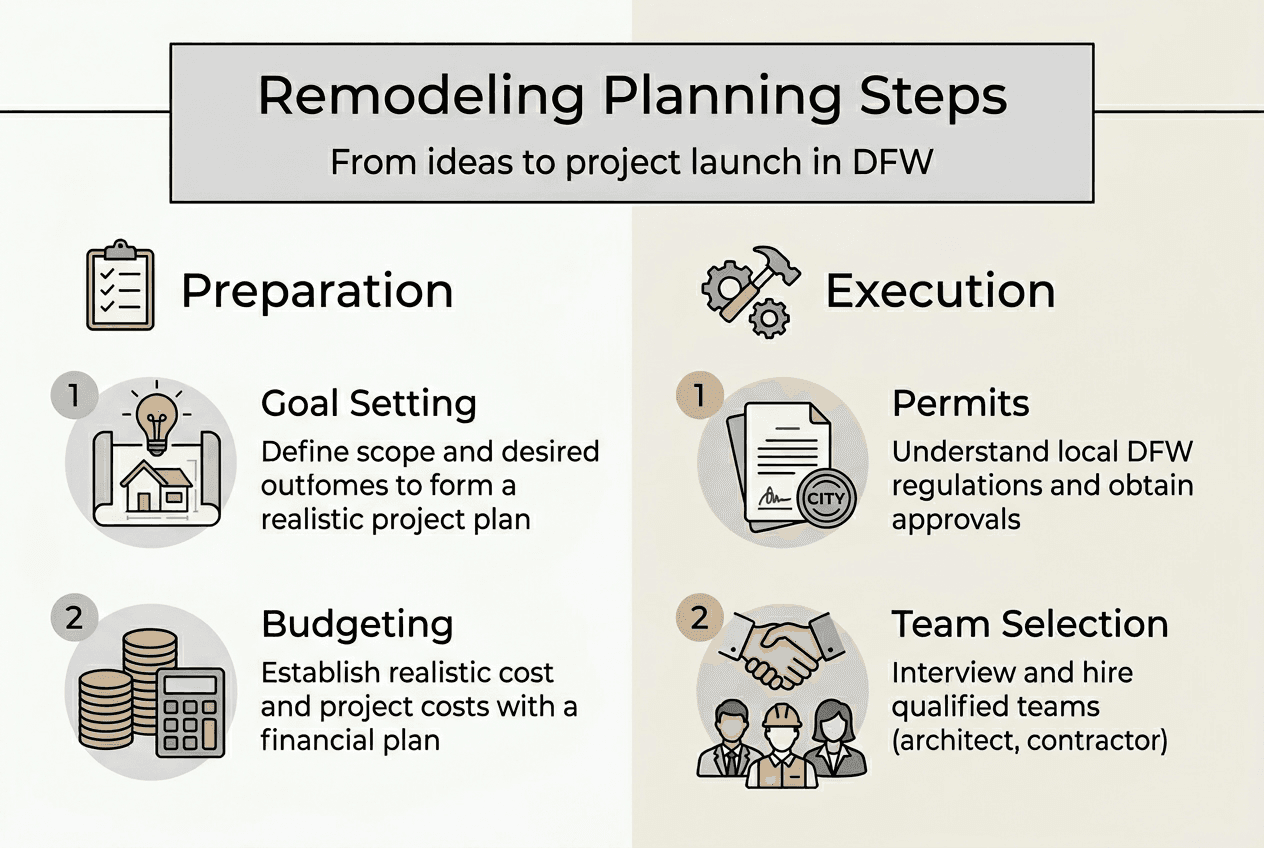
Typical timelines and budgets vary significantly based on project scope and complexity:
| Project Type | Planning Duration | Typical Budget Range | Key Considerations |
| — | — | — |
| Kitchen Remodel | 2-3 months | $25,000-$75,000 | Appliance lead times, cabinet customization |
| Bathroom Upgrade | 1-2 months | $15,000-$40,000 | Plumbing permits, tile availability |
| Full Home Remodel | 4-6 months | $100,000-$300,000 | Temporary housing, comprehensive permits |
| Commercial Space | 3-5 months | $50,000-$200,000 | ADA compliance, business continuity |
Essential planning documents and permits keep your project legally compliant and well organized. Building permits authorize structural changes, additions, and major system modifications. Electrical permits cover new wiring, panel upgrades, and fixture installations. Plumbing permits address pipe modifications, fixture replacements, and water heater installations. Mechanical permits govern HVAC system changes and ventilation improvements. Detailed project plans include architectural drawings, material specifications, and scope of work descriptions. Contractor agreements formalize relationships with written contracts specifying deliverables, timelines, payment schedules, and warranty terms. Understanding why plan remodeling budget and the role of permits in remodeling prevents common planning oversights.
Pro Tip: Build two weeks of flexibility into your schedule for every month of planned construction, as even well managed projects encounter unexpected delays from weather, material shortages, or inspection requirements.
Common remodeling planning challenges and how to overcome them
Even experienced property owners encounter obstacles during remodeling planning. Recognizing these pitfalls early allows you to implement strategies that keep projects on track. Many Dallas-Fort Worth remodeling mistakes arise from poor planning and contractor selection, but awareness and preparation minimize these risks.
Frequent planning difficulties and their practical solutions include:
- Unrealistic budgets that underestimate true project costs lead to compromises on quality or incomplete work. Solution: Research actual costs for your specific project type, add a 20 percent contingency fund, and prioritize must-have features over nice-to-have additions.
- Poor communication between owners and contractors creates misaligned expectations and disappointing results. Solution: Document everything in writing, schedule regular progress meetings, and establish clear decision-making processes for changes that arise during construction.
- Ignoring permit requirements results in code violations, fines, and potential requirements to undo completed work. Solution: Research local regulations early, submit permit applications before ordering materials, and schedule inspections proactively throughout construction.
- Scheduling conflicts between contractors, material deliveries, and inspection availability cause expensive delays. Solution: Create detailed timelines with dependencies clearly mapped, confirm availability before finalizing schedules, and maintain regular communication with all parties.
- Inadequate contractor vetting leads to quality issues, abandoned projects, and legal disputes. Solution: Check licenses and insurance coverage, verify references from recent similar projects, and review contracts carefully with legal counsel before signing.
Local code adherence requires specific attention in the Dallas-Fort Worth area. Different municipalities within the metroplex enforce varying interpretations of state building codes, particularly regarding setbacks, lot coverage, and historic preservation requirements. Energy code compliance has become increasingly stringent, with specific insulation values and HVAC efficiency standards that affect both residential and commercial projects. Foundation requirements address the region’s expansive clay soils, which demand proper drainage and structural design to prevent settling issues.
Transparent budget management prevents the financial surprises that derail projects midstream. Detailed line-item estimates break costs into categories like demolition, framing, electrical, plumbing, finishes, and contingencies, making it easier to identify areas where adjustments might be needed. Regular budget reviews during construction track actual spending against estimates, flagging overruns early when corrective action is still possible. Clear change order processes document scope modifications with written approvals and cost impacts before work proceeds.
Thorough planning and careful contractor selection determine remodeling success more than any other factors. Property owners who invest time researching options, documenting requirements, and vetting professionals consistently achieve better outcomes with fewer surprises and lower stress throughout the construction process.
Understanding how to choose a contractor renovation and learning from common dfw remodeling mistakes helps you avoid the pitfalls that plague poorly planned projects.
Practical tips and resources for remodeling planning success in Dallas-Fort Worth
Equipping yourself with the right tools and local resources transforms planning from overwhelming to manageable. These practical strategies help Dallas-Fort Worth property owners confidently navigate the remodeling process from initial concept through project completion.
Effective project management approaches vary in complexity and cost:
| Method | Best For | Key Features | Typical Cost |
|---|---|---|---|
| Spreadsheet Tracking | Simple projects, budget-conscious owners | Manual updates, basic timeline tracking | Free |
| Dedicated Software | Complex remodels, multiple contractors | Automated scheduling, document storage, collaboration tools | $10-50/month |
| Professional Management | Large commercial projects, hands-off owners | Expert oversight, vendor coordination, quality control | 10-15% of project cost |
| Hybrid Approach | Mid-size projects, involved owners | Owner manages planning, contractor handles execution | Varies by scope |
Scheduling and project management are key to a smooth remodel, especially when coordinating multiple trades and managing material deliveries across extended timelines.
Local permitting offices and resources specific to the Dallas-Fort Worth metroplex include:
- Dallas Development Services Department handles permits for properties within Dallas city limits, offering online applications and plan review services.
- Fort Worth Development Services processes building permits for Fort Worth properties, with walk-in assistance available for complex projects.
- Tarrant County Building Inspection manages permits for unincorporated areas and smaller municipalities within Tarrant County.
- Collin County Development Services oversees permitting for northern suburbs including Plano, Frisco, and McKinney.
- Individual municipal building departments serve smaller cities throughout the metroplex, each with specific requirements and processes.
- Texas Department of Licensing and Regulation verifies contractor licenses and handles complaints about licensed professionals.
Architectural and aesthetic planning benefits from visual inspiration that helps clarify your vision. Exploring design galleries provides ideas for spatial layouts, material combinations, and style directions that align with your preferences. An architectural decisions gallery offers examples of how different choices create distinct atmospheres and functional outcomes. Collecting reference images helps communicate your vision to contractors and designers, reducing misunderstandings about desired results.
Communication practices make or break remodeling projects. Weekly progress meetings keep everyone aligned on completed work, upcoming tasks, and emerging issues that need decisions. Written summaries after each meeting document agreements and action items, creating a reference trail that prevents disputes about what was decided. Digital photo documentation tracks progress visually, providing evidence of work quality and helping identify problems before they get covered by subsequent construction phases. Understanding how to schedule remodeling projects and how to choose a contractor renovation ensures you have the foundation for successful project execution.
Pro Tip: Schedule brief daily check-ins with your contractor during active construction phases, even if just a five-minute phone call, to catch small issues before they become expensive problems requiring rework.
Discover expert remodeling services in Dallas-Fort Worth
Transforming your remodeling plans into reality requires experienced professionals who understand both the technical demands and local nuances of Dallas-Fort Worth construction. Astrotech Construction brings years of expertise helping property owners navigate every planning stage, from initial budgeting through final execution, ensuring projects deliver the functionality and aesthetics you envision.
Our team specializes in translating comprehensive plans into quality outcomes, supporting you with detailed estimates, permit coordination, and skilled craftsmanship across residential and commercial projects. Whether you’re planning a kitchen upgrade, full home transformation, or commercial space renovation, we help ease the complexity while maintaining the high standards that define successful remodeling. Explore our seamless remodeling workflow approach, discover our full home remodeling services, and review our remodeling project checklist to see how we turn planning into results.
Frequently asked questions
What are the first steps in remodeling planning?
Start by clearly defining your goals, whether improving functionality, updating aesthetics, or increasing property value. Establish a realistic budget that accounts for materials, labor, permits, and contingencies. Create a preliminary timeline and begin researching local permit requirements for your specific project type. A comprehensive remodeling project checklist helps organize these initial tasks systematically.
How do I choose the right contractor for my remodeling project?
Verify that candidates hold current licenses and adequate insurance coverage for your project scope. Check references from recent similar projects, asking specifically about communication, timeline adherence, and problem-solving abilities. Discuss your vision in detail during interviews to assess whether the contractor understands your goals and communicates in a style that matches your preferences. Detailed guidance on choosing the right contractor helps you evaluate options effectively.
Why is budgeting important in remodeling planning?
Detailed budgets prevent the costly surprises that force mid-project compromises on quality or scope. Financial planning helps you prioritize must-have features over optional additions, ensuring limited resources get allocated to elements that matter most. Accurate budgets also support financing decisions and scheduling, as knowing available funds determines how quickly you can proceed and whether phasing makes sense. Understanding the importance of remodeling budget planning protects both your finances and project outcomes.
What permits are needed for remodeling in Dallas-Fort Worth?
Permit requirements depend on your project scope and specific location within the metroplex. Structural modifications, room additions, and foundation work typically require building permits. Electrical system changes need electrical permits, while plumbing alterations demand plumbing permits. HVAC modifications require mechanical permits in most jurisdictions. Research requirements early, as approval processes can take four to eight weeks, and starting work without proper permits risks fines and requirements to undo completed work. A comprehensive remodeling permits guide clarifies local requirements and processes.
Recommended
- Complete Guide to Interior Remodeling in DFW – Astrotech Construction
- Remodeling Permit Guide DFW: Secure Approval Easily – Astrotech Construction
- 7 Essential Compliance Tips for Remodels in Dallas-Fort Worth – Astrotech Construction
- 7 Common DFW Remodeling Mistakes and How to Avoid Them – Astrotech Construction