
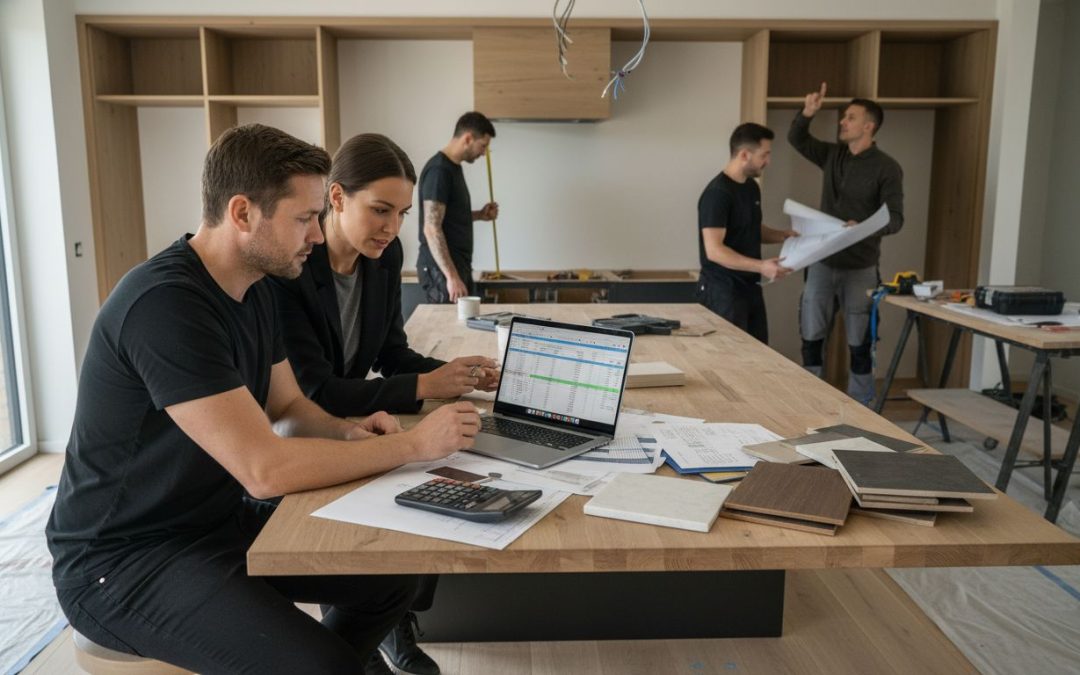
Over 60 percent of homeowners experience sticker shock when remodeling costs start to add up. Without a clear financial plan, surprise expenses can derail even the most exciting renovation dreams. A proper remodeling budget acts like your project’s blueprint for spending, tracking every dollar and planning for the unexpected. Learn how a solid budget provides control and confidence, so you can focus on transforming your space with fewer financial surprises.
Table of Contents
- What Is A Remodeling Budget? Core Principles
- Types Of Remodeling Budgets And Approaches
- Key Benefits Of Planning Your Budget Early
- Controlling Costs And Preventing Unexpected Expenses
- Common Budgeting Mistakes And How To Avoid Them
Key Takeaways
| Point | Details |
|---|---|
| Comprehensive Budgeting | A remodeling budget should track all potential expenses and include a contingency of 10-20% for unexpected costs. |
| Methodology Matters | Choose a budgeting approach that fits your project’s needs, such as incremental, zero-based, or top-down budgeting for effective financial management. |
| Early Planning Benefits | Starting budget planning early leads to better financial predictability, resource optimization, and risk mitigation throughout the project. |
| Avoid Common Mistakes | Be mindful of complications, misalignment with project goals, and insufficient contingency planning to prevent budget overruns and financial stress. |
What Is a Remodeling Budget? Core Principles
A remodeling budget is a comprehensive financial plan that strategically outlines anticipated expenses, allocates resources, and provides a structured roadmap for your home improvement project. Unlike a basic cost estimate, it represents a detailed financial blueprint that considers every potential expense, from materials and labor to unexpected contingencies.
According to National Academies Press, effective budgeting hinges on strategic resource decision-making and precise financial management. This means your remodeling budget isn’t just about tracking dollars spent, but understanding how each investment contributes to your overall project goals. The core principles of a robust remodeling budget include:
- Comprehensive Cost Tracking: Documenting every potential expense with granular precision
- Contingency Planning: Allocating 10-20% extra for unexpected challenges
- Prioritization: Ranking project elements by importance and potential return on investment
- Flexibility: Creating a budget that can adapt to evolving project requirements
The most successful remodeling budgets blend meticulous financial planning with realistic expectations. By leveraging insights from EAB’s research on budget modeling, homeowners can create budgets that emphasize simplicity, transparency, and alignment with their specific renovation objectives.
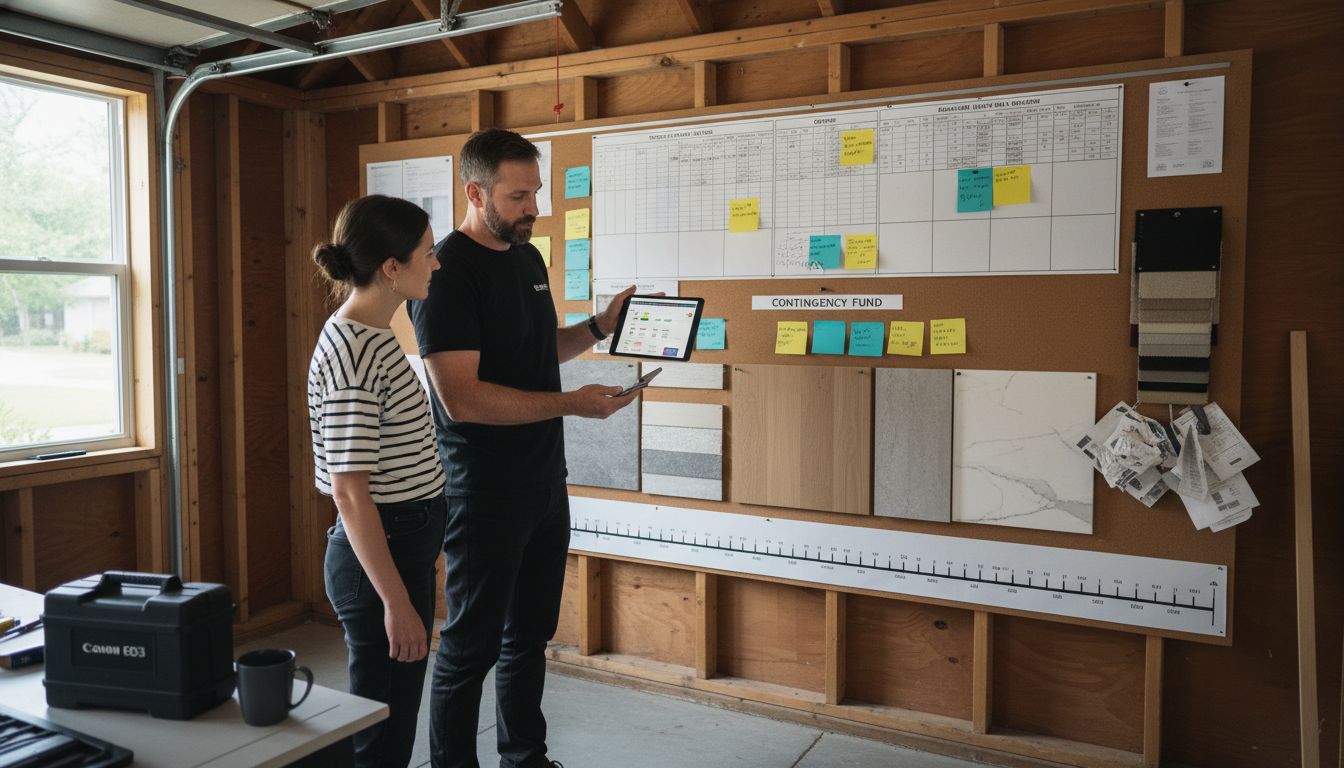 This approach transforms budgeting from a mundane financial exercise into a strategic planning tool that empowers informed decision-making throughout your home improvement journey.
To make your budget truly effective, consider how to estimate remodeling costs with precision and care, ensuring you have a comprehensive financial strategy before breaking ground on your project.
Types of Remodeling Budgets and Approaches
Remodeling budgets are not one-size-fits-all strategies. Each approach offers unique advantages depending on your project’s complexity, scale, and financial constraints. Budgeting methodologies help homeowners and contractors navigate the financial landscape of home improvement with precision and strategic planning.
According to FutureLearn, there are multiple budgeting approaches that can be applied to remodeling projects, each with distinct characteristics:
- Incremental Budgeting: Builds upon previous project expenses, adjusting for inflation and minor changes
- Zero-Based Budgeting: Starts from zero and justifies every single expense, ensuring no unnecessary spending
- Activity-Based Budgeting: Focuses on specific project activities and their associated costs
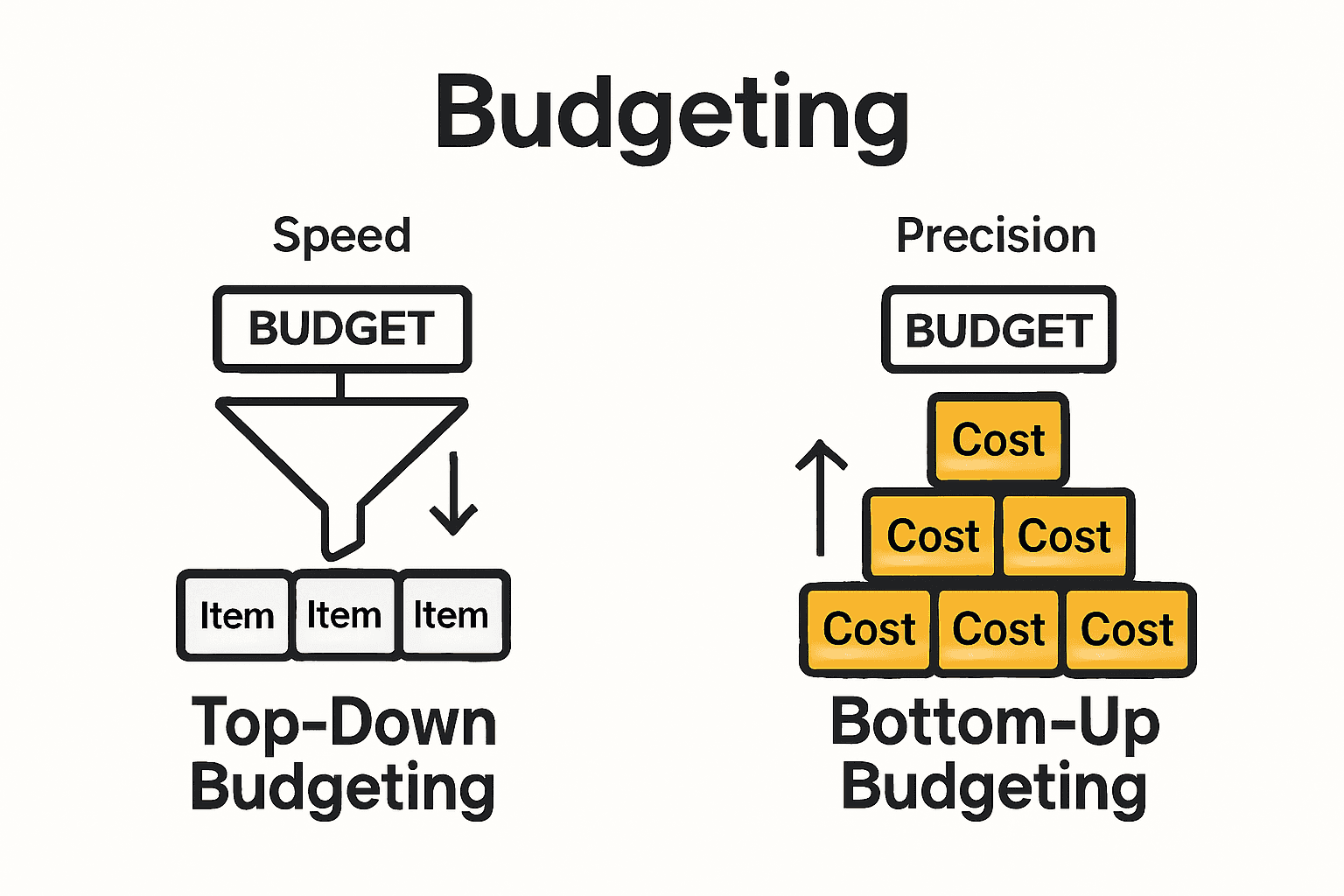
- Top-Down Budgeting: Sets an overall budget first, then allocates funds to specific project areas
- Bottom-Up Budgeting: Calculates individual project component costs and aggregates them into a total budget
MDPI’s research highlights the critical differences between top-down and bottom-up construction budgeting approaches, emphasizing that each method impacts project timelines and cost management differently. Top-down approaches provide quick, broad financial frameworks, while bottom-up methods offer granular cost precision.
When planning your next home renovation, learn how to budget renovation steps to select the most appropriate budgeting strategy for your specific project needs and financial goals.
Key Benefits of Planning Your Budget Early
Early budget planning is the financial cornerstone of successful home remodeling projects. By proactively addressing financial considerations before breaking ground, homeowners can transform potential challenges into strategic opportunities, mitigating risks and maximizing project potential.
MDPI’s research emphasizes the critical importance of life-cycle cost analysis in achieving cost-effective renovations. Their findings demonstrate that early budget planning offers several compelling advantages:
- Financial Predictability: Reduces unexpected expenses and financial stress
- Resource Optimization: Enables smarter allocation of limited funds
- Scope Control: Helps define realistic project boundaries
- Risk Mitigation: Identifies potential financial challenges before they escalate
- Decision-Making Power: Provides clear financial parameters for design choices
Additionally, another MDPI study underscores the significance of schematic cost estimation in early project stages. This approach allows homeowners to develop a comprehensive understanding of potential expenses, timeline implications, and resource requirements before significant investments are made.
To ensure a smooth planning process, learn how to plan a home remodel for stress-free results, which can provide further insights into transforming your early budget planning into a successful renovation strategy.
Controlling Costs and Preventing Unexpected Expenses
Cost control is the heartbeat of successful home remodeling projects. Homeowners often underestimate the complexity of managing renovation expenses, which can quickly spiral without careful planning and strategic intervention.
MDPI’s research reveals groundbreaking approaches to cost estimation using advanced probabilistic deep learning techniques. These methods offer homeowners powerful strategies for anticipating and mitigating potential financial risks:
- Predictive Modeling: Utilize data-driven techniques to forecast potential cost overruns
- Comprehensive Risk Assessment: Identify potential financial vulnerabilities before they emerge
- Detailed Expense Tracking: Monitor every aspect of project spending
- Contingency Fund Management: Maintain a flexible financial buffer
- Regular Budget Reviews: Conduct frequent check-ins to adjust financial parameters
According to SCUP’s research, phased project management can be a game-changer in controlling renovation expenses. By breaking down complex projects into manageable stages, homeowners can create natural financial checkpoints that prevent budget creep and allow for real-time adjustments.
To maximize your cost control efforts, learn how to budget renovation steps that can help you navigate the financial complexities of home improvement with confidence and precision.
Common Budgeting Mistakes and How to Avoid Them
Budgeting for home renovations is a delicate financial art that requires precision, foresight, and strategic planning. Remodeling budget mistakes can transform what should be an exciting home improvement journey into a financial nightmare, potentially derailing your entire project.
EAB’s research highlights several critical budgeting pitfalls that homeowners frequently encounter:
- Overcomplication: Creating unnecessarily complex budget structures
- Misalignment with Project Goals: Developing budgets disconnected from actual project objectives
- Insufficient Contingency Planning: Failing to account for unexpected expenses
- Rigid Budget Frameworks: Lacking flexibility for real-world project dynamics
- Inadequate Cost Tracking: Losing financial visibility throughout the renovation process
FutureLearn’s analysis further emphasizes the dangers of relying blindly on historical data without critical evaluation. The most common mistake is assuming past project costs directly translate to current renovations, ignoring unique variables like material price fluctuations, labor market changes, and specific project complexities.
To navigate these potential pitfalls, learn how to budget renovation steps that will help you create a robust, adaptable financial strategy for your home remodeling project.
Take Control of Your Remodeling Budget for a Stress-Free Renovation
Planning a remodeling budget is not just about numbers. It is about creating a clear roadmap that protects you from unexpected expenses and costly surprises. You want a budgeting strategy that is flexible, detailed, and aligned with your renovation goals so you can feel confident every step of the way. Avoid common pitfalls like insufficient contingency planning or overly complex budgets by working with experts who understand the true cost of remodeling in Dallas – Fort Worth Metroplex.
Ready to turn your remodeling budget plan into reality? At AstroTech Construction, we specialize in helping homeowners and business owners navigate the financial complexities of renovation projects. From full home remodeling to kitchen upgrades and roof replacement, our team ensures your budget matches your vision without surprises. Explore how to estimate remodeling costs and learn how to budget renovation steps with us to gain control and confidence now. Visit our website to schedule your consultation and start your project on the right financial footing today.
Frequently Asked Questions
What is a remodeling budget?
A remodeling budget is a detailed financial plan that outlines anticipated expenses for a home improvement project, considering materials, labor, and unexpected costs.
Why is early budget planning important for remodeling?
Early budget planning reduces unexpected expenses, optimizes resource allocation, defines project scope, and helps mitigate financial risks.
What are common mistakes to avoid when creating a remodeling budget?
Common mistakes include overcomplicating the budget, failing to account for unexpected costs, and relying too heavily on historical data without considering current variables.
What are different types of remodeling budgeting approaches?
Different approaches include incremental budgeting, zero-based budgeting, activity-based budgeting, top-down budgeting, and bottom-up budgeting, each offering unique advantages depending on project needs.
Recommended
- How to Plan a Home Remodel for Stress-Free Results – Astrotech Construction
- How to Estimate Remodeling Costs for Any Project – Astrotech Construction
- Complete Guide to Remodeling Consultation Services – Astrotech Construction
- How to Budget Renovation: Essential Steps for DFW Homeowners – Astrotech Construction