

Did you know that more than 60 percent of homeowners go over budget during renovations? Planning each step carefully makes a huge difference in avoiding expensive surprises. Whether you are tackling urgent repairs or dreaming of a fresh new space, understanding how to map out your priorities, budget wisely, and choose the right professionals will turn your renovation into a smooth and satisfying process from start to finish.
Table of Contents
- Step 1: Assess Your Renovation Needs And Priorities
- Step 2: Research Local Costs And Set A Realistic Budget
- Step 3: Obtain Accurate Quotes From Qualified Contractors
- Step 4: Allocate Funds For Contingencies And Hidden Costs
- Step 5: Monitor Expenditures And Adjust Budget As Needed
- Step 6: Verify Project Completion And Review Final Expenses
Quick Summary
| Key Point | Explanation |
|---|---|
| 1. Create ‘Need To Do’ and ‘Want To Do’ lists | Identify critical repairs for safety and functionality alongside desired aesthetic upgrades to clarify renovation priorities. |
| 2. Research local costs to set a budget | Gather quotes from multiple contractors and understand local pricing to establish a realistic renovation budget tailored to your project. |
| 3. Include a contingency fund in your budget | Allocate 10 to 20 percent for unforeseen expenses to safeguard against unexpected costs that may arise during the renovation. |
| 4. Regularly monitor and adjust expenditures | Keep track of spending against the budget and make necessary adjustments to maintain financial control throughout the renovation. |
| 5. Conduct a thorough final review of the project | Verify quality and adherence to plans by inspecting completed work and reconciling final expenses to ensure satisfaction with results. |
|
Step 1: Assess Your Renovation Needs and Priorities
Starting a home renovation requires strategic planning and clear prioritization. Your goal in this initial step is to create a comprehensive roadmap that identifies both urgent repairs and desired upgrades, ensuring your project stays focused and budget friendly.
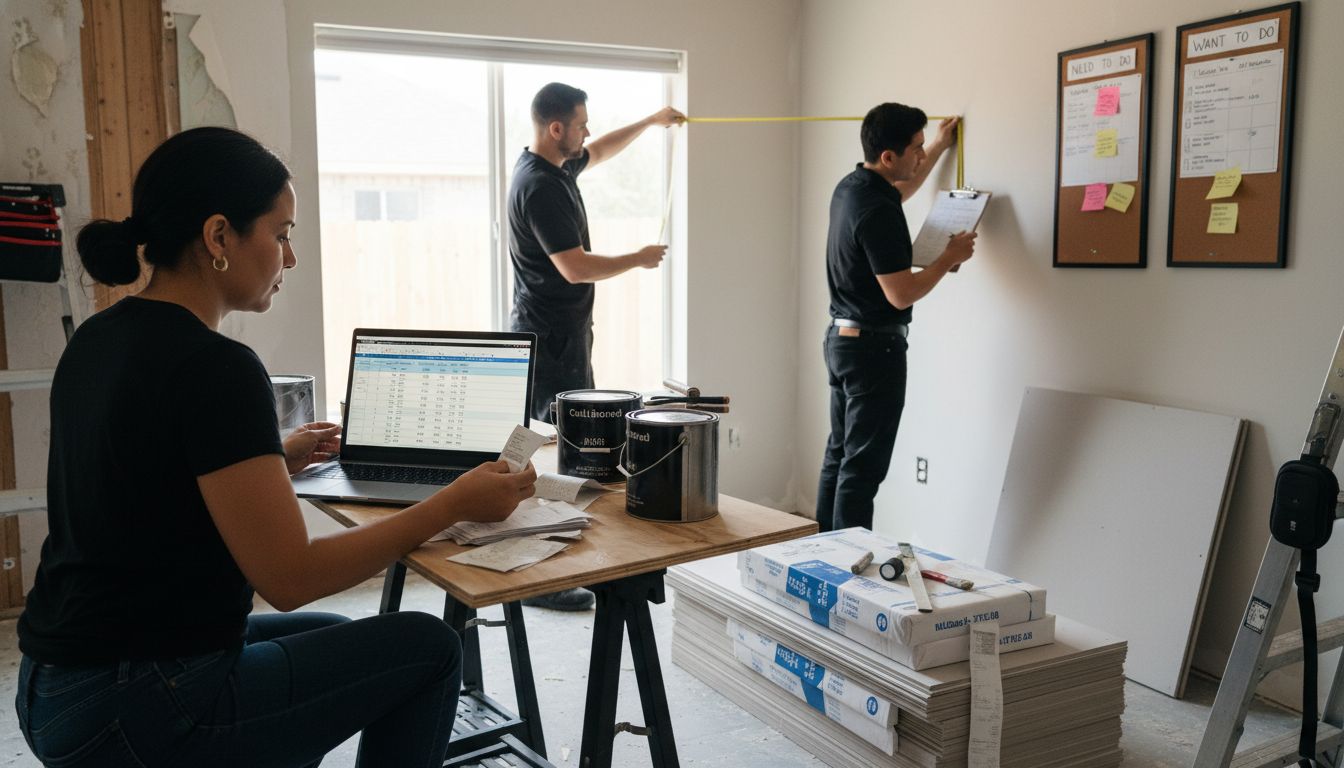
Begin by walking through your home and making two distinct lists: a “Need To Do” column for critical repairs and structural improvements, and a “Want To Do” list for aesthetic upgrades and optional enhancements. According to home improvement experts, this approach helps homeowners clearly distinguish between essential work and aspirational projects.
Here’s a comparison of typical items to place on your renovation lists:
| Category | Need To Do Items | Want To Do Items |
|---|---|---|
| Purpose | Safety & Functionality | Comfort & Aesthetics |
| Examples | Roof repair Plumbing fix Electrical update Foundation issues |
Kitchen remodel New flooring Landscaping Bathroom upgrade |
| Impact | Prevents costly damage Maintains home value |
Enhances enjoyment Can boost resale value |
| Budget Approach | Prioritize spending Essential costs |
Flexible timing Optional expenses |
Your “Need To Do” list should include items that impact home safety, functionality, and structural integrity. These might include roof repairs, electrical system updates, plumbing fixes, foundation issues, or addressing water damage. By tackling these urgent tasks first, you prevent minor problems from escalating into costly repairs.
For the “Want To Do” list, focus on improvements that enhance your living experience and potentially increase home value. These could include kitchen remodels, bathroom upgrades, new flooring, or landscaping projects. Learn more about different types of remodeling services to understand the range of possibilities.
Pro Tip: Organize your lists by room and estimate rough cost ranges to help with initial budget planning.
Once your lists are complete, you are ready to move forward with prioritizing your renovation project and developing a strategic budget approach.
Step 2: Research Local Costs and Set a Realistic Budget
After identifying your renovation needs and priorities, the next critical step is understanding the financial landscape of your project. Your goal is to develop a budget that reflects actual local construction costs while aligning with your home improvement objectives.
Start by gathering multiple quotes from local contractors serving the Dallas Fort Worth area. According to home renovation experts, comparing pricing and services helps you create a more accurate financial plan. Learn how to estimate remodeling costs for different types of projects to get a comprehensive understanding.
Research suggests utilizing local pricing data to create a budget tailored specifically to your home. Different renovation projects impact home value differently, so consider not just the immediate cost but potential long term returns. Break down your budget into categories such as materials labor permits and potential contingency funds.
For DFW homeowners, consider regional factors that might influence renovation costs. Local building codes material availability and labor markets can significantly impact your budget. Typically allocate 10 to 20 percent extra for unexpected expenses to provide financial flexibility.
Pro Tip: Always get detailed written estimates from at least three reputable contractors to ensure accurate budget planning.
With a realistic budget established, you are now prepared to move forward with selecting the right professionals for your renovation project.
Step 3: Obtain Accurate Quotes from Qualified Contractors
With your renovation needs and budget framework established, the next crucial step is gathering precise quotes from professional contractors. Your objective is to find skilled professionals who can transform your vision into reality while providing transparent and comprehensive pricing.
Start by engaging multiple reputable contractors serving the Dallas Fort Worth area. According to industry experts, obtaining detailed quotes allows for effective comparison of prices and services. Learn how to hire a renovation contractor to ensure you select the right professional for your project.
When interviewing potential contractors, go beyond basic pricing. Research suggests conducting thorough interviews about their experience qualifications and professional references. Ask specific questions about their expertise in your type of renovation project their typical timelines and their approach to managing unexpected challenges.
Request comprehensive written estimates that break down all potential costs including materials labor permits and potential contingency expenses. Pay attention to the level of detail in each quote. A thorough estimate demonstrates a contractor’s professionalism and commitment to transparency.
Pro Tip: Always verify a contractor’s licensing insurance and check their previous client reviews before making a final decision.
With carefully vetted quotes in hand, you are now prepared to select the right contractor and move forward with your renovation project.
Step 4: Allocate Funds for Contingencies and Hidden Costs
After obtaining contractor quotes, the next critical financial step is preparing for potential unexpected expenses. Your goal is to create a financial buffer that protects your renovation project from potential budget derailment.
Industry experts recommend including a contingency reserve of 10 to 20 percent in your overall budget. According to home renovation financial guides, this reserve helps cover unforeseen expenses such as structural issues, material price fluctuations, or necessary code compliance updates. Learn how to estimate remodeling costs to help you plan more accurately.
Many homeowners overlook hidden costs that can significantly impact their renovation budget. These unexpected expenses might include soil testing for foundation work, utility connection modifications, professional inspection fees, permits, and potential temporary housing if your home becomes uninhabitable during major renovations.
When allocating your contingency funds, consider the complexity of your project. More extensive renovations like whole home remodels or structural changes typically require a larger financial cushion compared to simpler cosmetic updates. Carefully document and track these potential extra expenses to maintain financial transparency.
Pro Tip: Keep your contingency funds liquid and easily accessible, but separate from your primary renovation budget to avoid accidental spending.
With a robust financial plan that accounts for potential surprises, you are now prepared to move forward confidently with your renovation project.
Step 5: Monitor Expenditures and Adjust Budget as Needed
As your renovation project progresses, maintaining financial control becomes critical. Your goal is to track spending meticulously and make strategic adjustments to prevent budget overruns while keeping your project on track.
According to home renovation financial experts, regularly reviewing and comparing actual expenses against your initial budget helps identify potential discrepancies early. Learn how to estimate remodeling costs to develop an effective tracking strategy for your project.
Implement a systematic approach to monitoring expenditures. Create a detailed spreadsheet that tracks every expense categorized by materials labor permits and miscellaneous costs. Compare each transaction against your original budget estimate, noting any variations. Digital tools and apps can streamline this process, providing real time insights into your spending patterns.
When unexpected expenses emerge do not panic. Instead evaluate whether the additional cost is necessary and how it impacts your overall budget. If a significant deviation occurs consider reallocating funds from your contingency reserve or discussing potential cost saving alternatives with your contractor.
Pro Tip: Schedule weekly financial check ins with your contractor to maintain transparent communication about project expenses and potential budget adjustments.
By maintaining vigilant financial oversight you ensure your renovation stays within reasonable financial boundaries while achieving your desired home improvement goals.
Step 6: Verify Project Completion and Review Final Expenses
As your renovation journey reaches its final stage, a comprehensive review becomes essential to ensure your project meets expectations and financial goals. Your objective is to conduct a thorough evaluation of the completed work and reconcile all project expenses.
According to home renovation experts, completing a meticulous project inspection is crucial for confirming quality and adherence to your original vision. Learn how to hire a renovation contractor to understand what to expect during the final review process.
Begin by systematically examining every aspect of the completed renovation. Walk through each area carefully checking for quality of workmanship alignment with initial design plans and addressing any potential discrepancies. Compare the final expenses against your original budget tracking how closely the project maintained its financial parameters.
Pay close attention to the details that matter most. Verify that all permits have been properly closed technical specifications have been met and any warranty documentation is complete and accessible. Request a comprehensive breakdown of final expenses from your contractor to ensure full transparency.
Pro Tip: Create a written punch list of any remaining minor issues and set a clear timeline with your contractor for resolving these final details.
By conducting a thorough final review you protect your investment and ensure your renovation meets the highest standards of quality and financial responsibility.
Take Control of Your Renovation Budget with Trusted Expertise
Budgeting for a home renovation in the Dallas Fort Worth area can feel overwhelming with all the hidden costs and uncertain contractor quotes. You want to prioritize urgent repairs and still achieve your dream updates without surprises draining your wallet. The challenge is managing your budget carefully while ensuring quality work from professionals who understand your vision and local cost factors.
AstroTech Construction offers comprehensive solutions tailored for DFW homeowners ready to transform their homes with confidence. Whether you need full home remodeling, kitchen or bathroom upgrades, or roof replacement, our experienced team helps you get accurate project estimates and guides you through every budgeting step. Visit our main website to explore how we combine quality craftsmanship with transparent pricing.

Start your renovation journey now with a partner who prioritizes your goals and financial peace of mind. Get in touch through our website and discover how AstroTech Construction can make your home improvement dreams a reality without breaking your budget. Don’t wait – take the first step toward a stress-free remodeling experience today.
Frequently Asked Questions
How do I create a budget for my home renovation?
To create a budget for your home renovation, begin by creating a list of necessary repairs and desired upgrades. Categorize each item and research local costs to set a realistic spending plan that includes a contingency reserve of 10–20% to cover unexpected expenses.
What are the essential steps in budgeting for renovations?
The essential steps in budgeting for renovations include assessing your needs, researching local costs, obtaining quotes from contractors, allocating funds for contingencies, and monitoring your expenditures. Start by organizing your renovation priorities into ‘Need To Do’ and ‘Want To Do’ lists to clarify your focus and budget.
How can I track renovation expenses effectively?
To track renovation expenses effectively, create a detailed expense spreadsheet that categorizes costs such as materials, labor, and permits. Review this sheet regularly to compare actual expenses against your budget and make necessary adjustments if discrepancies arise.
Why is it important to have a contingency fund in my renovation budget?
Having a contingency fund in your renovation budget is crucial because it allows you to cover unforeseen expenses that may arise during the project, such as structural issues or permit fees. Allocate 10–20% of your total budget for this purpose to maintain financial flexibility and avoid project delays.
What should I include in contractor quotes for renovations?
When you request contractor quotes for renovations, ensure they include detailed breakdowns of all potential costs, such as materials, labor, and permits. This transparency will help you compare offers effectively and select a contractor that meets your financial and project requirements.
How do I ensure my renovation project stays on budget?
To ensure your renovation project stays on budget, schedule regular financial check-ins with your contractor and discuss any necessary adjustments. By monitoring your expenses closely, you can identify and address any budget deviations early, keeping your project aligned with financial goals.
Recommended
- How to Estimate Remodeling Costs for Any Project – Astrotech Construction
- 7 Steps to a Successful Bathroom Remodel Checklist for DFW Homes – Astrotech Construction
- Bathroom Upgrades: Everything You Need to Know – Astrotech Construction
- Defining Home Improvement: Complete Guide – Astrotech Construction