
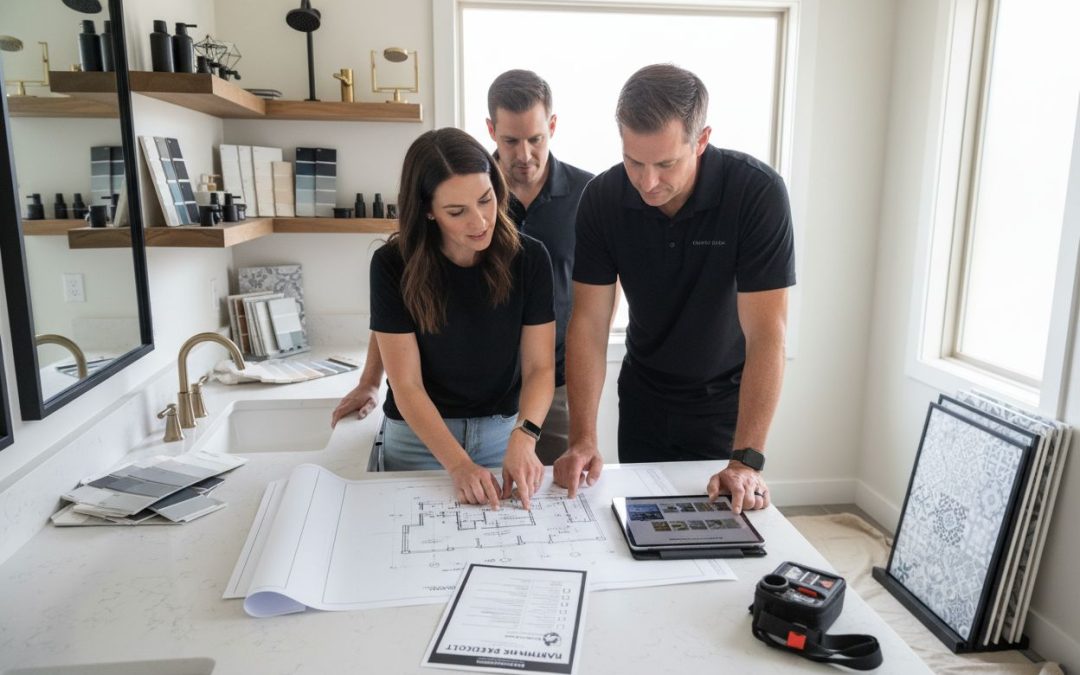
Did you know that remodeling a bathroom can deliver up to an 70 percent return on investment for homeowners? Tackling a renovation is more than picking out tiles and paint colors. Every choice you make, from planning the layout to hiring the right professionals, can affect how comfortable, functional, and valuable your space becomes. With knowledge and careful steps, you can avoid frustrating mistakes and create a bathroom that suits your needs now and adds value for years to come.
Table of Contents
- Assess Your Bathroom Needs And Set Goals
- Establish A Realistic Remodel Budget
- Choose Reliable Contractors And Get Quotes
- Select Quality Materials And Fixtures
- Create A Project Timeline And Secure Permits
- Prepare For Demolition And Construction
- Inspect Work And Complete The Final Walkthrough
Quick Summary
| Takeaway | Explanation |
|---|---|
| 1. Assess your bathroom needs first | Evaluate functionality, layout, storage, and style to set clear renovation goals. |
| 2. Establish a realistic budget | Your remodel cost should be 5-10% of your home’s value to avoid overspending. |
| 3. Choose reliable contractors | Conduct thorough research and obtain detailed estimates to ensure quality work. |
| 4. Select quality materials and fixtures | Focus on durability and aesthetics while considering maintenance and budget. |
| 5. Manage timeline and permits | Create a structured timeline and acquire necessary permits to prevent delays and fines. |
1. Assess Your Bathroom Needs and Set Goals
Before diving into a bathroom remodel, understanding your specific needs and setting clear goals is the foundation of a successful renovation project. According to a comprehensive guide on bathroom upgrades, this initial assessment determines the entire trajectory of your home improvement journey.
Start by critically evaluating your current bathroom’s functionality. Walk through the space and make detailed observations about what works and what doesn’t. Ask yourself key questions: Are storage spaces insufficient? Does the layout feel cramped? Is outdated fixtures impacting your daily routine?
As Consumer Reports emphasizes, homeowners should consider multiple factors during this assessment phase. These include space utilization, personal preferences, and practical requirements. Some critical areas to examine include:
- Current bathroom layout and potential reconfiguration options
- Storage capacity and organization needs
- Accessibility requirements for all family members
- Aesthetic preferences and desired design style
- Budget constraints and potential investment areas
Practically speaking, grab a notebook and spend 30 minutes thoroughly documenting your bathroom’s strengths and limitations. Sketch rough layouts, note measurements, and create a wishlist of desired improvements. This systematic approach transforms your remodel from a vague concept into a strategic plan with clear objectives.
Remember that successful bathroom renovations are not just about aesthetics but creating a functional space that enhances your daily life. By setting precise goals upfront, you minimize potential redesign costs and ensure your final result truly meets your household’s unique needs.
2. Establish a Realistic Remodel Budget
Navigating the financial landscape of a bathroom remodel requires strategic planning and clear financial boundaries. According to our complete guide to interior remodeling, setting a realistic budget is more than just picking numbers out of thin air.
Consumer Reports provides a critical benchmark: your bathroom remodel should typically cost between 5 to 10 percent of your home’s total value. This guideline helps prevent overspending and ensures your renovation remains a sound investment. Understanding your financial parameters is crucial before diving into design choices and material selections.
The National Kitchen & Bath Association recommends a strategic approach to budgeting by differentiating between essential needs and optional wants. Start by creating a comprehensive budget breakdown:
- Allocate funds for core structural and functional improvements
- Reserve a contingency fund of 10 to 20 percent for unexpected expenses
- Prioritize spending on high impact areas like plumbing, electrical work, and critical fixtures
Practical budgeting involves thorough research and multiple quotes. Get detailed estimates from at least three professional contractors, comparing not just total costs but also the breakdown of labor and materials. Be transparent about your budget constraints and ask each contractor how they can help you maximize value.
Remember that smart budgeting doesn’t mean cutting corners. It means making informed decisions that balance quality, functionality, and financial responsibility. Your goal is a bathroom renovation that enhances your home’s value without causing financial strain.
3. Choose Reliable Contractors and Get Quotes
Selecting the right contractor can make or break your bathroom renovation project. Our comprehensive guide on hiring renovation contractors highlights the critical importance of thorough research and careful selection.
Consumer Reports emphasizes that finding a reputable contractor goes far beyond simply comparing price tags. Homeowners must conduct comprehensive due diligence to ensure they partner with professionals who can deliver quality workmanship and reliable service.
Begin your contractor search with these strategic steps:
- Request recommendations from friends, family, and local home improvement stores
- Check online reviews and ratings from verified sources
- Verify licensing and insurance credentials for each potential contractor
- Ask for detailed project portfolios demonstrating previous bathroom renovation work
When soliciting quotes, transparency and detailed documentation are key. Require each contractor to provide a comprehensive written estimate that breaks down:
- Material costs
- Labor expenses
- Projected timeline
- Specific project scope
- Payment schedule
- Warranty information
The Home Improvement Research Institute recommends obtaining at least three separate quotes to understand market rates and service offerings. This approach allows you to compare not just pricing but also the proposed approach and professional expertise.
Remember that the cheapest quote is not always the best choice. Prioritize contractors who demonstrate clear communication, professional credentials, and a track record of successful bathroom renovations in the Dallas Fort Worth area.
4. Select Quality Materials and Fixtures
Choosing the right materials and fixtures can transform your bathroom from ordinary to extraordinary. Our interior remodeling guide emphasizes that material selection goes far beyond simple aesthetic preferences.
Consumer Reports highlights the critical balance between durability, functionality, and visual appeal when selecting bathroom components. Your material choices will define both the look and long term performance of your renovation project.
Key considerations for material selection include:
- Water resistance and durability
- Maintenance requirements
- Compatibility with existing bathroom design
- Budget constraints
- Potential resale value impact
For flooring and surfaces, ceramic and porcelain tiles remain top choices due to their water resistance and versatility. When selecting fixtures like toilets, sinks, and showerheads, prioritize water efficiency and modern design elements that complement your overall aesthetic.
The Home Improvement Research Institute recommends creating a comprehensive material mood board that allows you to visualize how different elements will work together. This approach helps prevent costly design mistakes and ensures a cohesive final result.
Practical tips for smart material selection include requesting product samples, checking manufacturer warranties, and understanding installation requirements. Remember that investing in quality materials upfront can save significant money on repairs and replacements in the future.
Ultimately, your goal is to create a bathroom that balances personal style with practical functionality while staying within your established budget.
5. Create a Project Timeline and Secure Permits
Successful bathroom renovations demand meticulous planning and official documentation. Our guide on hiring renovation contractors underscores the critical importance of comprehensive project management.
Consumer Reports emphasizes that a well structured timeline prevents costly delays and unexpected complications. Developing a strategic project roadmap is more than just scheduling it is about creating a comprehensive blueprint for your renovation journey.
Critical timeline components include:
- Demolition phase
- Plumbing and electrical rough in work
- Structural modifications
- Installation of fixtures and finishes
- Final inspection and cleaning
Permit acquisition requires careful attention to local building regulations. Different municipalities in the Dallas Fort Worth area have specific requirements for bathroom renovations. Typical permits might involve:
- Structural changes
- Electrical system modifications
- Plumbing updates
- Mechanical system alterations
The Home Improvement Research Institute recommends building flexibility into your timeline. Unexpected challenges can arise during renovation so allocate buffer time between each project phase. Professional contractors typically recommend adding 10 to 15 percent extra time to account for potential complications.
Proactively communicate with your local building department to understand specific permit requirements. Some jurisdictions require detailed renovation plans and may conduct multiple inspections throughout the project. Skipping this step can result in potential fines or being required to undo completed work.
Remember that a well planned timeline and proper permitting are not just bureaucratic necessities. They protect your investment and ensure your bathroom renovation meets all safety and quality standards.
6. Prepare for Demolition and Construction
The demolition phase marks a critical transition in your bathroom renovation journey. Our guide on remodeling services provides insights into managing this complex process effectively.
Consumer Reports emphasizes that thorough preparation can significantly reduce stress and potential complications during demolition. Proper planning transforms a potentially chaotic process into a smooth systematic transformation.
Key preparation steps before demolition include:
- Completely clear out all personal items and movable fixtures
- Protect adjacent rooms with plastic sheeting and drop cloths
- Establish a safe temporary bathroom arrangement
- Disconnect and cap electrical and plumbing connections
- Create a designated debris removal pathway
Practical considerations for managing construction disruption:
- Set up a temporary living arrangement if renovation impacts primary bathroom
- Communicate extensively with your contractor about daily work schedules
- Establish clear access points for workers
- Protect valuable flooring and furniture in connecting spaces
- Create a secure storage area for materials and tools
The Home Improvement Research Institute recommends developing a comprehensive communication plan with your contractor. Regular check ins and clear expectations will help manage potential disruptions and keep the project on track.
Consider potential challenges like dust containment noise levels and potential unexpected structural issues. Professional contractors typically use advanced techniques like negative air pressure systems and comprehensive protective coverings to minimize renovation impact.
Remember that a successful demolition phase sets the foundation for your entire bathroom transformation. Patience preparation and proactive communication are your most valuable tools during this exciting renovation process.
7. Inspect Work and Complete the Final Walkthrough
The final walkthrough represents the ultimate checkpoint in your bathroom renovation journey. Our comprehensive guide on hiring renovation contractors emphasizes the critical importance of this concluding step.
Consumer Reports recommends approaching the final inspection with meticulous attention to detail. Your goal is to ensure every aspect of the renovation meets your expectations and original project specifications.
Critical areas to inspect during the final walkthrough include:
- Plumbing functionality and water pressure
- Electrical connections and fixture installations
- Tile and grout quality
- Paint and finish smoothness
- Proper door and drawer functionality
- Overall structural integrity
Practical strategies for a thorough final inspection:
- Bring a detailed checklist of expected outcomes
- Test every fixture and feature
- Check for any potential water leaks
- Examine all surfaces for imperfections
- Verify that all agreed upon design elements are correctly implemented
The Home Improvement Research Institute suggests documenting any identified issues immediately. Take photographs and create a written record of items requiring attention. This documentation protects both you and your contractor and ensures prompt resolution of any remaining concerns.
Remember that a professional contractor will welcome a comprehensive final walkthrough. This process demonstrates your commitment to quality and provides an opportunity to address any last minute adjustments.
Ultimately the final walkthrough transforms your renovation from a construction project into your dream bathroom. Approach this moment with excitement and careful scrutiny to ensure complete satisfaction with your newly transformed space.
Below is a comprehensive table summarizing the key steps and considerations for a successful bathroom renovation as discussed throughout the article.
| Main Step | Key Points & Actions | Benefits/Outcomes |
|---|---|---|
| Assess Your Bathroom Needs | Evaluate functionality, layout, accessibility, aesthetics, and document goals. | Create a strategic renovation plan tailored to your needs. |
| Establish a Realistic Budget | Determine budget based on home value, prioritize needs, get multiple contractor estimates. | Ensures financial boundaries and maximizes investment value. |
| Choose Reliable Contractors | Research credentials, get recommendations, review detailed project proposals. | Partner with trustworthy professionals for quality workmanship. |
| Select Quality Materials | Focus on durability, water resistance, design compatibility, and budget compliance. | Enhance long-term performance and visual appeal. |
| Create a Project Timeline & Secure Permits | Plan phases, understand local regulations, allocate buffer time. | Avoids delays and ensures compliance with safety standards. |
| Prepare for Demolition & Construction | Remove items, protect space, set temporary arrangements, communicate with contractor. | Smooth transition and minimized disruption during renovation. |
| Inspect Work & Complete Final Walkthrough | Conduct detailed checks, document issues, ensure all specifications met. | Achieve satisfaction with a functional and aesthetically pleasing bathroom. |
Transform Your Bathroom Remodel Vision into Reality with Trusted Experts
Taking on a bathroom remodel can feel overwhelming when faced with challenges like setting a realistic budget, selecting quality materials, and managing contractors and permits. You want a beautiful and functional space that enhances your daily life without hidden surprises or delays. This article’s 7-step checklist highlights common pitfalls such as unclear project timelines and complex permit processes that leave many homeowners stressed and uncertain.
At AstroTech Construction, we understand these pain points and are here to guide Dallas Fort Worth homeowners through every detail from initial planning to final walkthroughs. Our proven expertise in bathroom remodeling means you will have clear goals, professional contractors, quality materials, and all permits managed for a smooth, hassle-free upgrade.
Ready to start your bathroom transformation on the right path with trusted remodeling professionals? Visit our bathroom remodeling services page to explore how we handle each step with care and craftsmanship. Don’t wait to create the bathroom you deserve. Connect with us today at AstroTech Construction and schedule your consultation to bring your vision to life with confidence.
Frequently Asked Questions
What are the first steps in planning a bathroom remodel?
Begin by assessing your current bathroom’s needs and setting specific goals for the remodel. Spend about 30 minutes evaluating functionality and aesthetics, and create a wishlist of improvements based on your family’s requirements.
How do I establish a realistic budget for my bathroom remodel?
A realistic budget should typically account for 5 to 10 percent of your home’s total value. Break down your budget by allocating funds for essential updates, setting aside 10 to 20 percent for unexpected expenses, and prioritizing high-impact areas like plumbing and electrical work.
What should I look for when selecting contractors for my bathroom remodel?
Focus on finding reputable contractors through personal recommendations and online reviews. Verify their licensing and insurance, and request detailed project portfolios showcasing previous bathroom renovations to ensure quality workmanship.
How can I effectively choose materials and fixtures for my bathroom remodel?
Select materials that balance durability, water resistance, and aesthetic appeal. Create a mood board to visualize different elements together, and request samples to compare how they work in your space to avoid costly design mistakes.
What must I do before starting the demolition phase of my bathroom remodel?
Before demolition, clear out personal items and movable fixtures, and create a safe temporary bathroom arrangement. Establish protective measures for adjacent spaces, disconnect utilities, and plan for debris removal to ensure a smooth transition into construction.
How do I conduct a thorough final inspection after my bathroom remodel?
During the final walkthrough, check all plumbing and electrical installations for functionality and inspect surfaces for imperfections. Bring a checklist of expected outcomes and document any issues for prompt resolution to ensure complete satisfaction with your renovation.