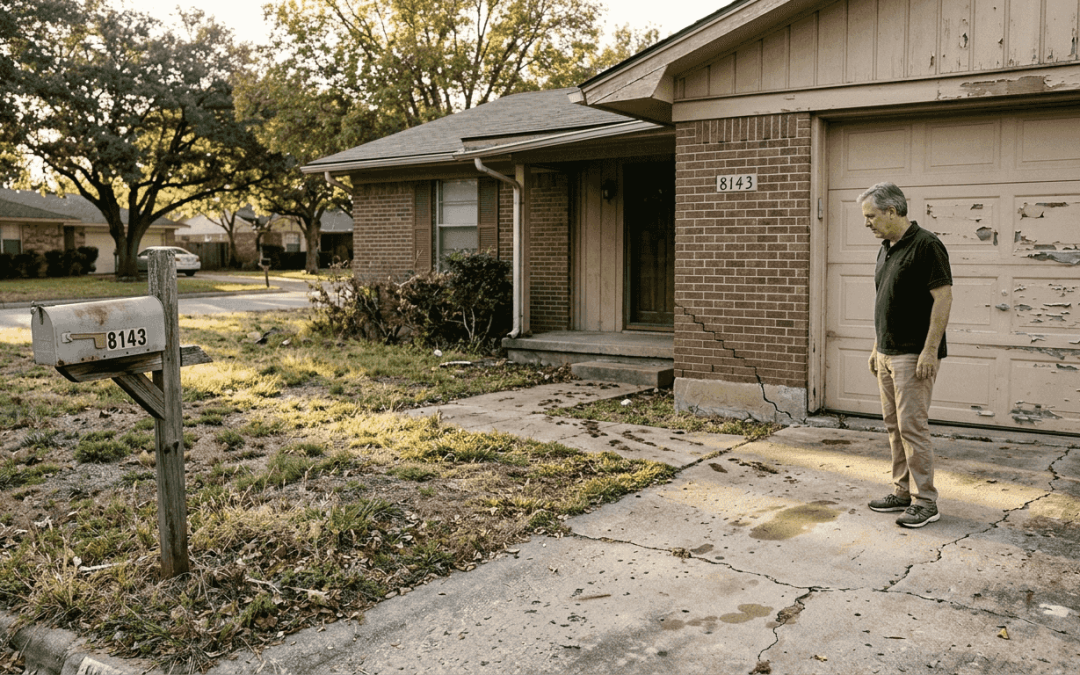
Identifying when your Dallas-Fort Worth home needs renovation can save you thousands in emergency repairs and preserve your property value. Many homeowners miss early warning signs until minor issues escalate into major structural problems. Foundation problems are common in the Dallas-Fort Worth area due to expansive clay soils, making vigilant monitoring essential. This guide walks you through the most critical indicators that signal renovation needs, from foundation shifts to roofing damage and HVAC inefficiencies, helping you make informed decisions about protecting your investment in 2026.
Table of Contents
- Understanding Foundation Problems: Signs And Impact In Dallas-Fort Worth
- Roofing Issues To Watch For In Texas Weather Conditions
- Recognizing Hvac System Problems And Their Renovation Signals
- Comparing Renovation Priorities: Foundation, Roof, And Hvac
- Explore Expert Renovation Services For Dallas-Fort Worth Homes
- Frequently Asked Questions
Key takeaways
| Point | Details |
|---|---|
| Foundation issues top the list | Expansive clay soils in Dallas-Fort Worth cause cracking and shifting that require immediate attention to prevent severe structural damage. |
| Roofing damage signals urgent needs | Texas storms create missing shingles, broken flashing, and leaks that compromise your home’s protection if left unaddressed. |
| HVAC problems affect comfort and costs | Systems running constantly, uneven temperatures, and rising utility bills indicate inefficiency requiring maintenance or replacement. |
| Early detection prevents expensive repairs | Regular inspections after weather events and seasonal changes catch problems before they escalate into costly emergencies. |
| Strategic prioritization maximizes value | Understanding severity levels helps you allocate renovation budgets effectively and maintain home comfort and resale potential. |
Understanding foundation problems: signs and impact in Dallas-Fort Worth
The unique geology of the Dallas-Fort Worth metroplex creates specific challenges for homeowners. Expansive clay soils absorb water during wet periods and contract dramatically during droughts, causing your foundation to shift and crack. These movements happen gradually, making early detection crucial before minor cracks become structural failures.
Watch for these observable foundation warning signs:
- Horizontal or vertical cracks in interior or exterior walls, especially near door frames and corners
- Doors and windows that stick, won’t close properly, or show visible gaps when shut
- Floors that slope noticeably or feel uneven when walking across rooms
- Gaps between walls and ceilings or floors, indicating separation from the foundation
- Cracks in tile floors or countertops that weren’t present during installation
Ignoring these indicators leads to cascading problems throughout your home. What starts as a hairline crack can evolve into doors that won’t latch, windows that leak air and water, and eventually compromised structural integrity requiring tens of thousands in repairs. The clay soil beneath Dallas-Fort Worth homes expands up to 10% in volume when saturated, creating tremendous pressure on foundation walls and slabs.
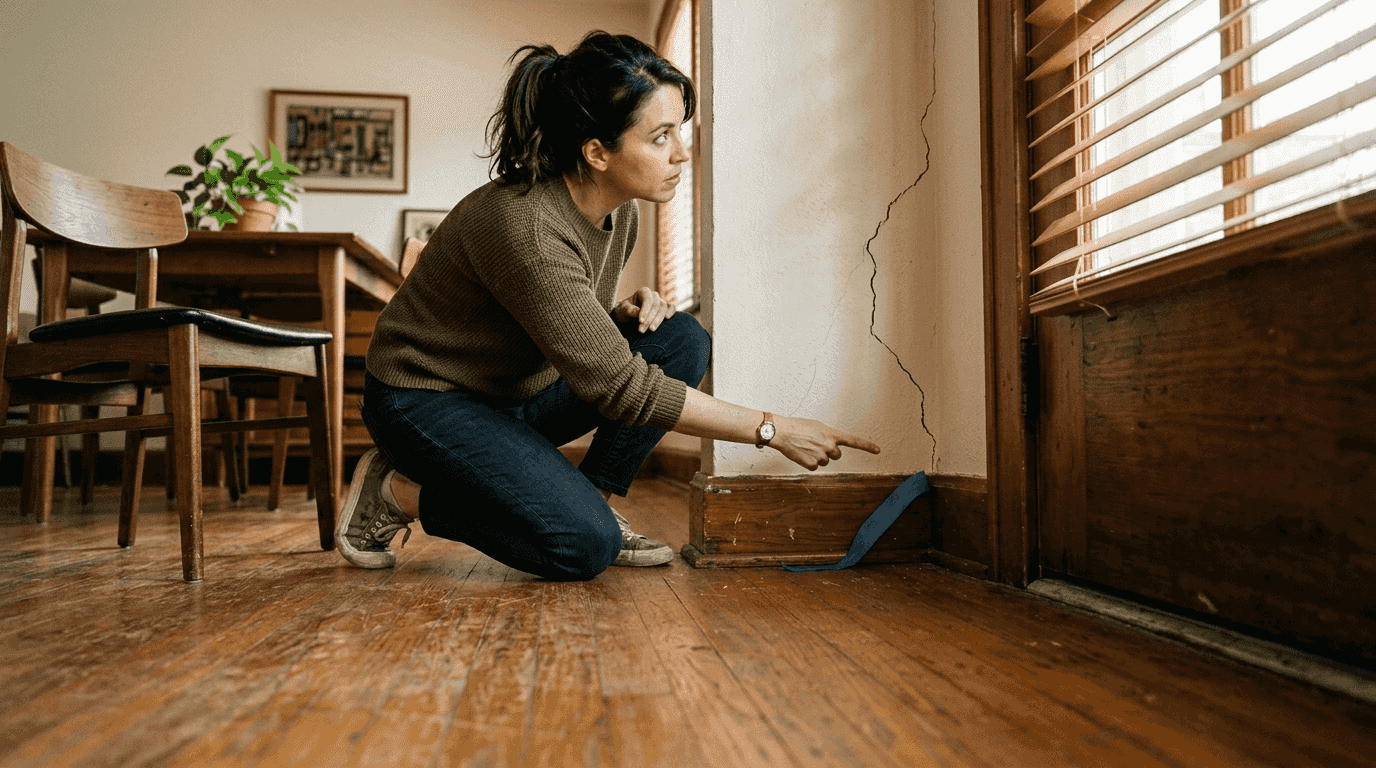
Regular foundation inspections become especially important after prolonged dry spells or heavy rainfall periods. These extreme weather swings accelerate soil movement and stress your foundation more than gradual seasonal changes. Schedule professional evaluations at least annually, and immediately after you notice any of the warning signs above. Catching foundation issues early allows for targeted repairs like pier installation or slab leveling before you need complete foundation replacement.
Pro Tip: If you spot cracks wider than a quarter inch or notice multiple signs simultaneously, contact a foundation specialist within days rather than weeks. Foundation damage accelerates rapidly once structural movement begins, and early intervention typically costs 60-70% less than waiting until walls separate or floors buckle. Keep an emergency home repair checklist Dallas-Fort Worth handy and review your water mitigation guide Dallas-Fort Worth to prevent moisture issues that worsen foundation problems.
Roofing issues to watch for in Texas weather conditions
Texas weather punishes roofing systems with intense heat, sudden hailstorms, high winds, and dramatic temperature swings. Roofing concerns are prevalent due to harsh weather conditions in Texas, making regular monitoring essential for maintaining your home’s primary defense against the elements. A compromised roof allows water infiltration that damages insulation, framing, electrical systems, and interior finishes.
Identify these common roofing problems that signal renovation needs:
- Missing, cracked, or curling shingles visible from ground level or during gutter cleaning
- Granules collecting in gutters and downspouts, indicating shingle deterioration
- Water stains on ceilings or walls, especially after rain events
- Sagging sections of roofline that suggest structural damage to decking or rafters
- Damaged or missing flashing around chimneys, vents, and roof valleys
- Daylight visible through roof boards when inspecting from the attic
Spring storms and summer heat cycles create the most roofing damage in the Dallas-Fort Worth area. Hail impacts crack shingles and dent metal components, while 100+ degree temperatures cause asphalt shingles to become brittle and lose protective granules. Wind gusts during thunderstorms lift shingle edges and tear away poorly secured sections, exposing underlayment to UV damage and moisture.
Schedule comprehensive roof inspections twice yearly, ideally in early spring before storm season and again in fall after summer heat subsides. Additionally, perform visual checks immediately following severe weather events with hail, high winds, or heavy rainfall. These post-storm assessments help you document damage for insurance claims and prevent minor issues from becoming major leaks. Most roofing problems start small but expand quickly once water penetrates the protective barrier.
Pro Tip: Walk your property perimeter after storms to spot obvious damage like missing shingles or debris impacts, but always hire professionals for detailed roof inspections. Climbing on roofs risks personal injury and can cause additional damage if you step on compromised sections. Professional inspectors use proper safety equipment and know where to look for hidden damage that homeowners typically miss. Review your DFW home improvement checklist to coordinate roofing assessments with other maintenance tasks.
Recognizing HVAC system problems and their renovation signals
Your heating and cooling system works harder in Texas than almost anywhere else in the United States, running nearly year-round to combat extreme temperatures. HVAC system deficiencies are often found in Texas homes, particularly as systems age beyond their designed lifespan. These inefficiencies don’t just reduce comfort, they drain your wallet through escalating energy bills and frequent repair calls.
Common HVAC issues that indicate renovation or replacement needs:
- Clogged or dirty air filters that restrict airflow and force the system to work harder
- Refrigerant leaks that reduce cooling capacity and can damage compressor components
- Inefficient or leaking ductwork that loses conditioned air before reaching living spaces
- Worn compressor or blower motor components that create unusual noises or fail to maintain temperature
- Thermostat malfunctions that cause short cycling or prevent proper temperature control
Pay attention to these observable signs that your HVAC system needs professional evaluation:
- System runs continuously without reaching desired temperature setpoints
- Noticeable temperature variations between rooms or floors in your home
- Rising utility bills that increase 15-25% compared to previous years despite similar usage
- Frequent service calls for repairs that provide only temporary relief
- Excessive dust accumulation or poor air quality despite regular filter changes
| Sign | Likely Cause | Recommended Action |
|---|---|---|
| Constant running | Undersized unit or refrigerant leak | Professional diagnostic and possible replacement |
| Uneven temperatures | Ductwork leaks or blocked vents | Duct sealing and airflow balancing |
| High energy bills | Aging components losing efficiency | Energy audit and upgrade evaluation |
| Strange noises | Worn bearings or loose components | Immediate repair to prevent failure |
| Poor air quality | Dirty ducts or inadequate filtration | Duct cleaning and filter upgrade |
HVAC systems typically lose 5-10% efficiency as they age past 10 years, with decline accelerating after 15 years of operation. This gradual degradation means you’re paying more each month for less comfort, often without realizing the cumulative cost. A 12-year-old system might consume 30% more electricity than a new high-efficiency model while struggling to maintain consistent temperatures during peak summer heat.
Pro Tip: Schedule professional HVAC maintenance twice yearly, before cooling season begins in April and before heating season starts in October. Regular tune-ups extend system lifespan by 3-5 years and maintain peak efficiency, while also giving technicians opportunities to spot developing problems before they cause breakdowns. Well-maintained systems also enhance home value significantly in the competitive Texas real estate market where buyers prioritize energy efficiency. Explore energy-efficient remodeling ideas to maximize comfort and minimize operating costs.
Comparing renovation priorities: foundation, roof, and HVAC
Understanding which renovation needs demand immediate attention versus those you can schedule strategically helps you allocate limited budgets effectively. Addressing foundation issues is crucial as they can evolve into severe structural damage, costing homeowners significant amounts in repair. Not all renovation needs carry equal urgency or risk to your home’s integrity and value.
Foundation problems pose the highest risk because they affect your home’s structural stability. Unaddressed foundation movement creates cascading damage throughout the structure, from cracked walls and broken pipes to roof misalignment and door frame distortion. These issues worsen exponentially over time, transforming a $5,000 repair into a $30,000 emergency within 18-24 months. Foundation damage also dramatically reduces property value and marketability, as buyers either walk away or demand steep price reductions to account for repair costs.
Roofing problems rank second in urgency because they directly protect everything inside your home from weather damage. A compromised roof allows water infiltration that destroys insulation, damages electrical systems, promotes mold growth, and ruins interior finishes. However, roofing issues often provide more warning time than foundation problems, and you can sometimes extend a roof’s life with targeted repairs rather than complete replacement. The severity depends on leak extent and location, with valley and flashing failures requiring faster action than isolated shingle damage.
HVAC system problems typically affect comfort and operating costs more than structural integrity, placing them third in priority for most homeowners. You can often manage HVAC issues through increased maintenance, strategic repairs, or partial upgrades like thermostat replacement or duct sealing. Complete system replacement becomes necessary when repair costs exceed 50% of replacement value or when efficiency losses make monthly bills unbearable. Unlike foundation or roofing damage, HVAC problems rarely cause secondary damage to other home systems.
| Issue Type | Severity Level | Repair Complexity | Typical Cost Range | Urgency Timeline |
|---|---|---|---|---|
| Foundation damage | Critical | High, requires specialized equipment | $5,000 to $35,000+ | Immediate to 3 months |
| Roofing problems | High | Moderate, weather dependent | $3,000 to $15,000 | 1 to 6 months |
| HVAC inefficiency | Moderate | Low to moderate | $500 to $8,000 | 3 to 12 months |
Use this priority framework when building upgrades planning Dallas-Fort Worth projects. Address foundation issues first to prevent structural damage, then secure your home’s envelope with roofing repairs, and finally optimize comfort and efficiency through HVAC improvements. This sequence protects your investment and prevents wasting money on upgrades that foundation movement or water damage will destroy.
Explore expert renovation services for Dallas-Fort Worth homes
Recognizing renovation signs is just the first step toward protecting your home investment. Astrotech Construction specializes in helping Dallas-Fort Worth homeowners address foundation repairs, roofing replacements, and HVAC system upgrades with professional expertise and transparent project management. Our team understands the unique challenges Texas weather and soil conditions create for residential properties.
We offer comprehensive full home remodeling services that coordinate multiple renovation needs into efficient, cost-effective projects. Whether you need emergency foundation stabilization, storm damage roofing repair, or energy-efficient HVAC installation, our experienced contractors deliver quality results that enhance comfort and property value. Schedule a free consultation to discuss your specific renovation indicators and receive detailed planning guidance. Review our home improvement workflow guide to understand our proven process, and use our DFW home improvement checklist to prepare for your renovation project.
Frequently asked questions
What are the earliest signs of foundation damage in Dallas homes?
The earliest foundation damage indicators include hairline cracks in interior walls near door frames, doors or windows that suddenly stick or won’t close properly, and subtle floor slopes you notice when rolling objects across rooms. You might also spot gaps appearing between walls and ceilings or baseboards pulling away from walls. These signs often appear gradually after drought periods or heavy rainfall when expansive clay soils shift beneath your foundation.
How often should I inspect my roof after Texas storms?
Inspect your roof at least twice yearly during spring and fall, plus immediately after any severe weather event with hail, high winds above 50 mph, or heavy rainfall. Spring inspections before storm season help identify winter damage and prepare for summer heat, while fall checks assess storm damage and prepare for winter. Post-storm inspections within 48 hours help document damage for insurance claims and prevent minor issues from becoming major leaks.
When is it time to replace an HVAC system?
Replace your HVAC system when it exceeds 12-15 years old, requires frequent repairs costing more than 50% of replacement value, or struggles to maintain consistent temperatures despite professional maintenance. Rising energy bills that increase 20-30% year over year also signal declining efficiency that makes replacement more economical than continued operation. Modern high-efficiency systems typically pay for themselves within 5-7 years through reduced utility costs while dramatically improving home comfort.
How do Dallas-Fort Worth soil conditions affect renovation timing?
Expansive clay soils in the metroplex create seasonal foundation movement that makes spring and fall optimal times for foundation repairs when soil moisture stabilizes. Extreme summer heat and winter freezes can complicate concrete work and increase material costs. Schedule roofing projects during mild weather periods in spring or fall to ensure proper shingle sealing and worker safety. HVAC replacements work best in shoulder seasons before peak cooling or heating demand to avoid emergency situations during temperature extremes.
Recommended
- How to Budget Renovation: Essential Steps for DFW Homeowners – Astrotech Construction
- DFW Home Improvement Checklist: Boost Success 30% – Astrotech Construction
- 7 Essential Home Improvement Tips 2025 for Dallas Owners – Astrotech Construction
- 7 Key Residential Remodeling Trends 2025 for DFW Homes – Astrotech Construction
- Cozee Bay – Eco Home Design Checklist: Essentials for Green Living