

Severe storms strike Dallas-Fort Worth frequently, leaving homeowners scrambling without a clear repair plan. Unaddressed damage escalates quickly, turning manageable fixes into expensive disasters. This guide provides a practical emergency home repair checklist tailored to local weather patterns, helping you prioritize safety, document damage thoroughly, perform temporary repairs effectively, and engage qualified professionals for permanent solutions.
Table of Contents
- How To Choose And Use An Emergency Home Repair Checklist
- Initial Safety And Documentation Procedures
- Key Emergency Repairs Checklist: Roof Inspection And Damage Assessment
- Key Emergency Repairs Checklist: Water Damage Mitigation
- Temporary Repairs To Prevent Further Damage
- Professional Services Engagement Guidelines
- Prioritization Framework For Emergency Repairs
- Explore Professional Home Repair And Remodeling Services In Dallas-Fort Worth
- Frequently Asked Questions
Key takeaways
| Point | Details |
|---|---|
| Safe inspection timing | Wait 24-48 hours after storms to allow hazards like downed power lines and structural instability to diminish before inspecting. |
| Documentation essentials | Capture comprehensive photos and videos with measurement scales, maintain a detailed damage diary for insurance claims and repair tracking. |
| Temporary repair priority | Apply tarps to damaged roofs and board broken windows within 48 hours to prevent leaks and further interior damage. |
| Professional engagement | Contact qualified roofing contractors for thorough evaluations to ensure quality repairs and proper insurance claim support. |
| Repair prioritization order | Address safety hazards first, then roof and water damage urgently, followed by structural repairs to minimize costs and timeline. |
How to choose and use an emergency home repair checklist
Dallas-Fort Worth experiences unique severe weather patterns that demand a region-specific approach. Hail storms, high winds, tornadoes, and occasional winter freezes each cause distinct damage types requiring tailored responses. A generic national checklist misses critical local considerations.
Your checklist must prioritize four elements: immediate safety protocols, thorough damage documentation, temporary emergency fixes, and professional service engagement. Quick usability matters during stressful post-storm periods, so organize steps chronologically from initial assessment through permanent repair scheduling. Balance DIY actions you can safely perform with clear guidance on when expert help becomes essential.
Effective checklists distinguish between inspection phases. Pre-inspection preparation involves gathering safety gear and documentation tools. During inspection, you systematically examine vulnerable areas like roofs, windows, and plumbing. Post-inspection actions focus on temporary stabilization and contractor contact.
The best emergency repair strategies recognize that home improvement tips for Dallas homeowners differ significantly from other regions. Local building materials face specific stress from temperature swings and moisture patterns. Understanding these factors helps you select appropriate temporary materials and communicate damage specifics to insurance adjusters accurately.
Comprehensive checklists also address exterior systems like siding, which protects your home’s structure. Following a siding replacement guide DFW approach ensures you catch hidden moisture damage that storms often cause behind exterior walls.
Initial safety and documentation procedures
Personal safety trumps property protection every time. Waiting 24-48 hours after storms allows dangers like downed power lines or structural instability to diminish before inspection. Never walk on damaged roofs or approach areas with visible structural compromise.
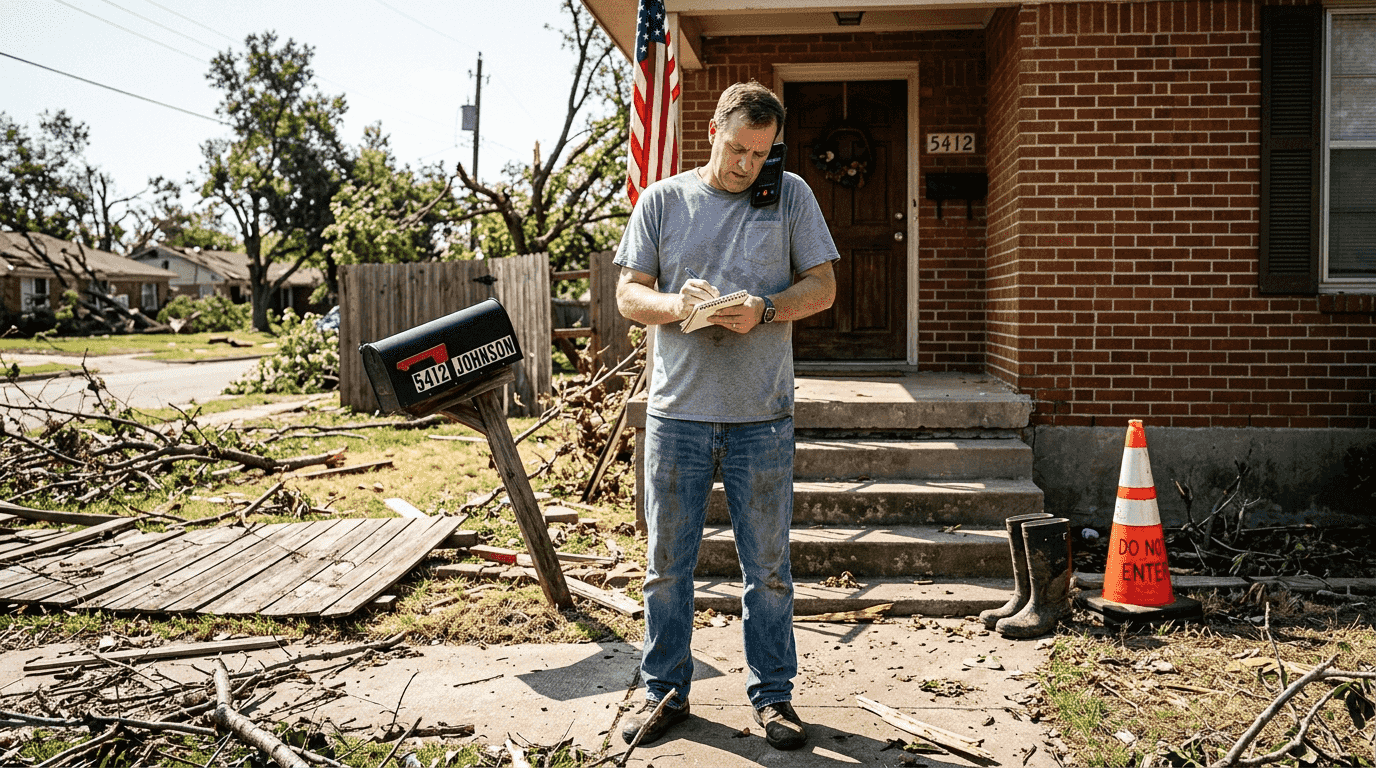
Before starting any inspection, equip yourself properly. Wear sturdy boots with slip-resistant soles, heavy work gloves, and eye protection. Avoid loose clothing that might catch on debris. Keep your phone charged for emergency calls and documentation purposes.
Pro Tip: Bring a ruler or measuring tape in every damage photo to provide scale reference that insurance adjusters need for accurate claim processing.
Documentation quality directly impacts insurance claim success. Take wide shots showing damage context, then close-ups revealing specific problems. Capture video walkthroughs narrating what you observe, including timestamps. Photograph undamaged areas for comparison, which helps adjusters understand the storm’s impact scope.
Maintain a damage diary recording discovery dates, weather conditions, temporary repairs performed, and contractor conversations. This written timeline becomes invaluable if claim disputes arise or repairs extend over weeks. Store digital copies in cloud storage as backup against device damage.
Stay alert for hidden hazards like gas leaks, indicated by hissing sounds or sulfur smells. Exit immediately and call utility companies from a safe distance. Water near electrical panels or outlets poses electrocution risks, so shut off power at the main breaker if flooding occurred.
For comprehensive guidance on handling various damage types, review this emergency home repairs guide Dallas resource. Following a systematic safety approach protects you while ensuring thorough damage assessment.
Consult a homeowner safety checklist after Texas storms for additional precautions specific to severe weather events common in our region. These resources complement your emergency repair planning.
Key emergency repairs checklist: roof inspection and damage assessment
Roof damage tops the priority list because compromised roofs allow water infiltration that destroys insulation, drywall, and framing. Start with ground-level visual inspection using binoculars to spot obvious problems without climbing.
Look for these critical indicators:
- Missing or displaced shingles exposing underlayment
- Granule loss creating bare spots on asphalt shingles
- Dented or punctured metal flashing around chimneys and vents
- Cracked or broken tiles on clay or concrete roofs
- Sagging sections indicating structural damage
Check your attic carefully for moisture signs. Fresh water stains on rafters or insulation indicate active leaks requiring immediate attention. Daylight visible through roof boards means significant damage exists. Measure and photograph these areas with your phone’s level app to document angles accurately.
Pro Tip: Use a long-handled paint roller to gently brush away debris from damaged areas before photographing, improving image clarity for insurance documentation without risking roof access.
Dallas-Fort Worth’s hail storms produce distinctive damage patterns. Golf ball-sized hail creates circular dents in shingles, while wind-driven rain penetrates even small openings. Understanding these patterns helps you explain damage severity to insurance adjusters and contractors.
| Damage Type | Typical Cause | Urgency Level | Temporary Fix |
|---|---|---|---|
| Missing shingles | High winds | Critical | Tarp covering |
| Granule loss | Hail impact | High | Monitor leaks |
| Flashing damage | Wind/debris | Critical | Seal and tarp |
| Punctures | Flying debris | Critical | Patch and tarp |
| Sagging sections | Structural | Emergency | Evacuate area |
Document the roof’s age and previous repair history when filing claims. Insurers consider these factors when determining coverage. Connect inspection findings to repair urgency by categorizing damage as immediate threat, high priority, or routine maintenance.
For professional roof evaluation and permanent solutions, explore storm damage repair DFW services that specialize in weather-related damage common to our region. Expert assessments catch problems DIY inspections might miss.
Key emergency repairs checklist: water damage mitigation
Floods and water damage occur frequently in Dallas-Fort Worth, with dozens of flood-related events annually requiring urgent mitigation to prevent mold and structural damage. Act within 24 hours to minimize long-term problems.
Water removal speed determines damage extent. Use submersible pumps for standing water deeper than two inches. Wet/dry vacuums handle shallow flooding effectively. Move furniture and belongings to dry areas immediately to prevent absorption damage.
Drying comes next. Open windows for cross ventilation if outdoor humidity permits. Position fans to create airflow across wet surfaces. Run dehumidifiers continuously, emptying collection tanks frequently. Pull up soaked carpeting and padding to dry subflooring properly.
Dallas-Fort Worth winter storms pose unique risks like burst pipes causing significant internal water damage, requiring winterization checks in emergency repair checklists. Inspect exposed pipes in attics, crawl spaces, and exterior walls for cracks or leaks after temperature drops.
Document all water damage thoroughly:
- Photograph water levels using measurement references
- Record affected room dimensions and materials
- Note water source and estimated duration of exposure
- Capture before and after images of drying progress
- Track all mitigation expenses with receipts
Prioritize drying before beginning repairs. Trapped moisture behind new materials breeds mold and causes structural rot. Use moisture meters to verify complete drying, targeting readings below 15% in wood and drywall.
Watch for secondary water damage signs like peeling paint, warped baseboards, or musty odors indicating hidden moisture. These symptoms often appear days after visible water disappears. Address them promptly to prevent expensive remediation later.
For expert assistance with water damage scenarios, consult this emergency home repairs guide Dallas covering various urgent situations. Professional water restoration services have industrial equipment that accelerates drying dramatically.
Additional resources on water damage mitigation Dallas and Dallas winter storm damage risks provide deeper guidance on protecting your home from these common threats.
Temporary repairs to prevent further damage
Temporary repairs buy time until professionals arrive, but timing matters critically. Apply protective measures within 24 to 48 hours of damage occurrence to prevent escalation.
For roof damage, follow these steps:
- Measure the damaged area accurately, adding two feet on all sides for tarp overlap
- Select heavy-duty contractor-grade tarps rated for outdoor exposure, not lightweight camping tarps
- Secure tarps with wood battens screwed through tarp grommets into solid roof decking, avoiding just shingle nailing
- Extend tarps over the roof ridge for maximum water shedding if damage spans both sides
- Inspect and retighten securing points after additional wind events
Pro Tip: Use pressure-treated lumber for battens and corrosion-resistant screws rated for exterior use to ensure temporary repairs withstand multiple weather cycles until permanent fixes happen.
Broken windows demand immediate attention to prevent rain intrusion and theft. Board them using three-quarter-inch plywood cut to overlap window frames by four inches on all sides. Secure boards with deck screws into solid framing, not just trim. Interior boarding works better than exterior in high-wind areas.
Loose siding requires careful stabilization. Reattach sections using original fastener holes when possible. Avoid over-driving fasteners, which causes new damage. Cover gaps with waterproof membrane tape as temporary moisture barrier.
Know your limits with temporary repairs. Never attempt fixes that risk personal injury or might worsen damage. Walking on wet or damaged roofs, working near power lines, or making structural modifications all require professional expertise. Focus temporary efforts on preventing additional water intrusion using safe ground-level or ladder-accessible methods.
Schedule professional permanent repairs immediately after completing temporary stabilization. Contractors book quickly after major storms, so early contact secures faster service. For comprehensive roof solutions, review what roof replacement explained to understand options when damage exceeds simple repairs.
Professional services engagement guidelines
Professional involvement ensures quality repairs and strengthens insurance claims significantly. Contact roofing contractors for inspections within 48 hours of temporary repairs. Their detailed assessments identify hidden damage your initial survey might miss.
Selecting qualified contractors requires careful vetting:
- Verify active state licensing and liability insurance coverage
- Check Better Business Bureau ratings and online reviews from multiple sources
- Confirm they handle insurance claims and provide detailed written estimates
- Ask for recent local references you can contact directly
- Ensure they offer warranties covering both materials and workmanship
Professional evaluations improve claim outcomes because contractors document damage using industry terminology adjusters understand. They provide repair cost estimates based on current material and labor rates, supporting your claim valuation.
Request comprehensive written assessments covering all damaged systems. These reports should include photo documentation, material specifications, labor requirements, and timeline projections. Detailed estimates prevent disputes about coverage scope later.
Document every professional interaction. Record contractor names, contact information, visit dates, and discussion summaries. Save all written communications and estimates in your claim file. This paper trail proves due diligence if coverage questions arise.
Timing professional engagement strategically maximizes benefits. Emergency tarping services may arrive within hours, while permanent repairs require scheduling. Understanding this difference helps manage expectations and prevents gaps in protection.
For storm damage specifically, specialized insurance restoration storm damage services navigate claim processes efficiently. They coordinate directly with adjusters, reducing your administrative burden during stressful recovery periods.
Reputable contractors also connect you with qualified home repair professionals for related needs like plumbing or electrical work if storm damage affected multiple systems. Coordinated repair approaches prevent conflicts between trades and ensure proper sequencing.
Prioritization framework for emergency repairs
Strategic prioritization reduces total recovery time and costs by addressing damages in optimal sequence. Use this framework to make sound decisions amid post-storm chaos.
| Priority Level | Repair Category | Timeframe | Rationale |
|---|---|---|---|
| 1 – Critical | Safety hazards | Immediate | Prevents injury or death from structural collapse, electrical, or gas dangers |
| 2 – Urgent | Roof/water damage | 24-48 hours | Stops active leaks and moisture intrusion that cause exponential damage growth |
| 3 – High | Temporary stabilization | 48-72 hours | Secures property against weather and prevents theft through open access points |
| 4 – Moderate | Structural assessment | 3-7 days | Identifies hidden damage requiring specialized repair before cosmetic work begins |
| 5 – Routine | Cosmetic repairs | 1-4 weeks | Restores appearance after functional systems operate properly and safely |
Address any immediate safety risks first without exception. Evacuate areas with structural instability. Shut off utilities if damage compromises their safety. Call emergency services for gas leaks or electrical hazards.
Roof and water damage escalate rapidly, so tackle these second. Each hour of exposure multiplies interior damage costs. Temporary waterproofing provides critical time buffer until permanent repairs happen.
Temporary stabilization follows once active intrusion stops. Securing openings and loose materials prevents additional wind damage and deters opportunistic theft common after disasters.
Professional structural assessment ranks next because hidden damage often exceeds visible problems. Foundation shifts, framing cracks, or compromised load-bearing elements require expert evaluation before proceeding with finish work.
Cosmetic repairs come last deliberately. Rushing to replace drywall or repaint before resolving underlying issues wastes money when hidden moisture or structural problems resurface. Patience here prevents duplicate work.
This framework reduces total repair costs by preventing damage cascades. Stopping water intrusion early might save thousands in mold remediation. Identifying structural issues before cosmetic work avoids redoing finishes when frame repairs happen later.
Use the framework to communicate priorities clearly with contractors and insurance adjusters. Explaining your systematic approach demonstrates thoughtful planning that supports claim approvals and realistic repair scheduling.
Explore professional home repair and remodeling services in Dallas-Fort Worth
After severe weather strikes, partnering with experienced local professionals transforms overwhelming damage into manageable recovery. Specialized expertise ensures repairs meet building codes, satisfy insurance requirements, and protect your home long term against future storms.

Astrotech Construction brings decades of experience helping Dallas-Fort Worth homeowners recover from storm damage efficiently. Our team understands the unique challenges regional weather patterns create, from hail damage assessment to roof replacement explained options that match local conditions. We coordinate with insurance adjusters to document damage thoroughly, supporting your claim with professional estimates and detailed reports. Beyond emergency repairs, we offer comprehensive siding replacement home protection that fortifies your exterior against future severe weather. Our insurance restoration storm damage specialists guide you through every step, from initial assessment through final inspection, ensuring quality workmanship that stands the test of time.
Frequently asked questions
When is it safe to inspect your home after a Dallas-Fort Worth storm?
Safety requires waiting 24-48 hours after storms before beginning inspections. This delay allows emergency services to clear downed power lines and stabilize dangerous situations. Watch for continued threats like unstable trees, loose roofing materials, or standing water near electrical equipment that might still pose electrocution risks.
What temporary repairs should I perform immediately to protect my home?
Cover damaged roof sections with heavy-duty tarps secured properly within 48 hours of damage occurrence to prevent water intrusion. Board broken windows using three-quarter-inch plywood screwed into solid framing to block rain and secure against theft. These actions provide critical protection while you arrange professional permanent repairs.
How can I ensure my insurance claim for storm damage is successful?
Take comprehensive photos and videos showing damage from multiple angles with measurement scales visible in each shot. Maintain a detailed damage diary recording discovery dates, temporary repairs performed, and all contractor communications. Obtain professional written estimates from licensed contractors that specify repair scopes using industry standard terminology adjusters recognize and trust.
Should I attempt roof repairs myself or hire professionals?
Perform only ground-level temporary stabilization like tarping if you can do so safely from ladders. Never walk on damaged roofs or attempt structural repairs without proper training and equipment. Professional roofers have safety gear, insurance coverage, and expertise to identify hidden damage your inspection might miss, making their involvement essential for permanent repairs.
How quickly does water damage become a mold problem in Dallas-Fort Worth?
Mold growth begins within 24 to 48 hours in Dallas-Fort Worth’s humid climate once materials become wet. This tight timeline makes immediate water removal and drying absolutely critical. Use fans, dehumidifiers, and proper ventilation aggressively to dry affected areas completely before mold colonies establish and require expensive professional remediation.
Recommended
- DFW Home Improvement Checklist: Boost Success 30% – Astrotech Construction
- 7 Essential Home Improvement Tips 2025 for Dallas Owners – Astrotech Construction
- 7 Essential Compliance Tips for Remodels in Dallas-Fort Worth – Astrotech Construction
- 7 Common DFW Remodeling Mistakes and How to Avoid Them – Astrotech Construction