Over 70 percent of American homes experience exterior damage from weather events each year. For Dallas Fort Worth homeowners, the need to replace aging or storm-damaged siding goes beyond improving curb appeal. This project directly impacts protection, energy efficiency, and long-term value. Discover what siding replacement really involves and learn which materials offer durability, style, and lasting peace of mind for your property.
Table of Contents
- What Siding Replacement Involves
- Popular Types of Siding Materials
- Understanding the Siding Installation Process
- Costs, Lifespan, and Return on Investment
- Risks of Delayed Siding Replacement
Key Takeaways
| Point | Details |
|---|---|
| Siding Replacement Process | Involves inspecting, removing, and installing new siding while addressing underlying structural issues. |
| Material Selection | Choose materials based on climate, maintenance needs, energy efficiency, and budget for optimal performance. |
| Cost Considerations | Evaluate both initial costs and long-term value, as quality installations can provide significant returns upon resale. |
| Risks of Delay | Postponing siding replacement can lead to moisture damage, higher repair costs, and reduced home value. |
What Siding Replacement Involves
Siding replacement is a comprehensive home improvement process that protects and enhances your property’s exterior. This critical maintenance task involves systematically removing existing exterior wall coverings and installing new protective materials that shield your home from weather elements and improve its aesthetic appeal. The protective exterior wall covering) serves multiple crucial functions beyond simple visual enhancement.
The replacement process begins with a thorough inspection of your home’s current exterior condition. Professional contractors will carefully remove the existing siding, examining the underlying structure for any potential damage such as wood rot, moisture intrusion, or structural weaknesses. This assessment allows for necessary repairs to the wall sheathing, insulation, or framing before new siding installation. Common replacement materials include vinyl, fiber cement, wood, engineered wood, metal, and brick/stone veneer, each offering unique durability and aesthetic characteristics.
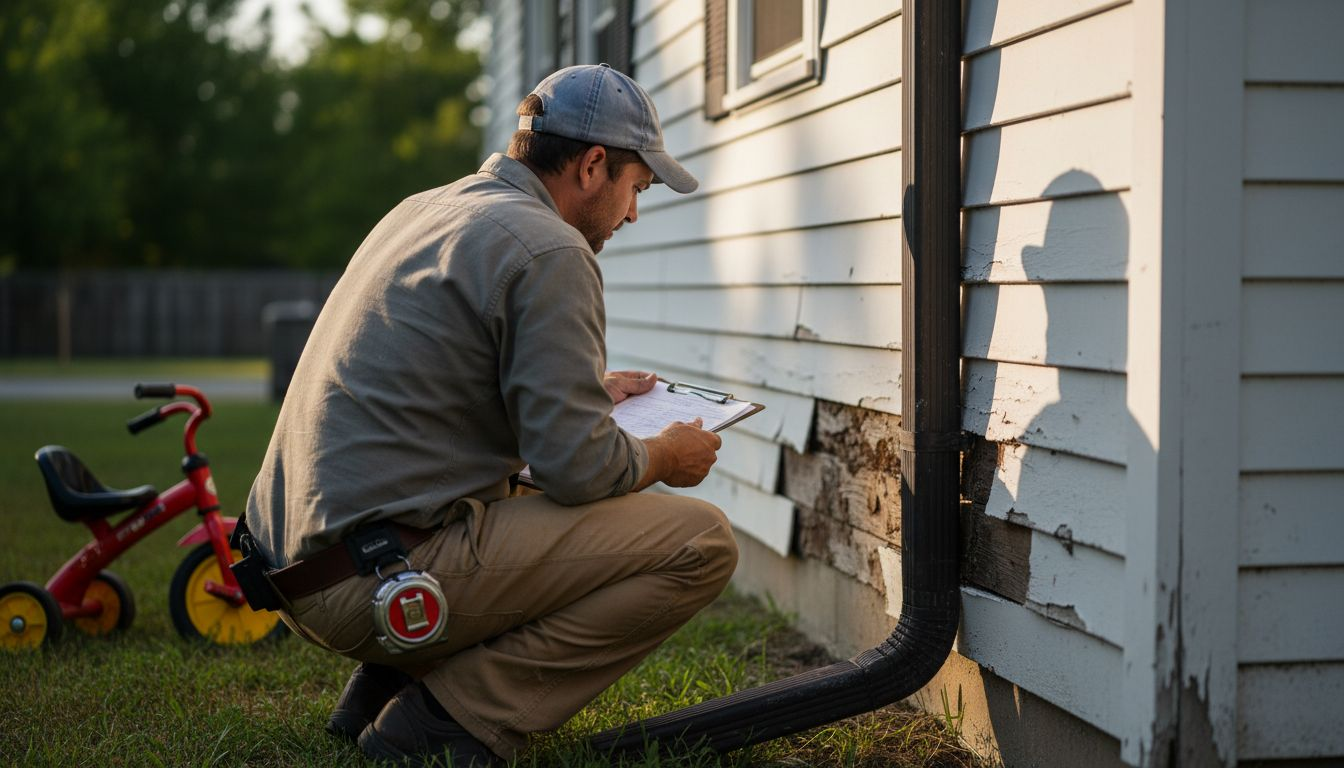
Typical siding replacement involves several key stages: initial assessment, material selection, old siding removal, structural repair, moisture barrier installation, and new siding attachment. Homeowners must consider factors like local climate, maintenance requirements, energy efficiency, and budget when selecting replacement materials. Some materials like fiber cement provide excellent durability and fire resistance, while vinyl offers low maintenance and cost-effectiveness. The installation process requires precision to ensure proper weatherproofing and prevent future water damage.
Pro tip: Always schedule siding replacement during moderate weather conditions to ensure optimal installation and minimize potential complications during the process.
Popular Types of Siding Materials
Homeowners have several impressive options when selecting exterior siding materials, each offering unique benefits and aesthetic qualities. Popular siding materials range from budget-friendly vinyl to classic brick and stone, with characteristics that address different performance needs and design preferences. Understanding the strengths and limitations of each material helps ensure a wise investment that protects and beautifies your home.
Vinyl siding remains the most prevalent choice due to its affordability and low maintenance requirements. This material comes in numerous color and style variations, providing homeowners flexibility in design while offering excellent cost-effectiveness. Fiber cement siding follows as a premium alternative, delivering superior durability, fire resistance, and minimal upkeep. Wood siding presents a timeless aesthetic, though it demands more frequent maintenance to prevent weathering and potential pest damage. Metal options like aluminum provide long-lasting protection with minimal intervention, making them attractive for homeowners seeking practical solutions.
Beyond traditional choices, advanced materials like engineered wood and composite sidings are gaining popularity. These innovative solutions combine the visual appeal of natural materials with enhanced performance characteristics. Stone and brick veneer options offer unparalleled elegance and durability, though at a higher initial investment. Climate considerations play a significant role in material selection, with some options performing better in extreme temperatures or high-moisture environments. Factors such as local building codes, neighborhood aesthetics, and personal style preferences ultimately guide homeowners toward their ideal siding solution.
Pro tip: Request material samples and consult local contractors to understand how different siding materials perform specifically in the Dallas Fort Worth climate before making a final selection.
Here is a quick comparison of popular siding materials, highlighting their key strengths and considerations:
| Siding Material | Typical Lifespan | Maintenance Level | Distinct Advantage |
|---|---|---|---|
| Vinyl | 20–40 years | Very low | Most affordable option |
| Fiber Cement | 30–50 years | Low | High durability, fire resistance |
| Wood | 15–30 years | High | Classic, natural appearance |
| Engineered Wood | 20–40 years | Moderate | Resists pests and moisture |
| Metal (Aluminum) | 30–50 years | Low | Long-lasting, resists pests |
| Brick/Stone Veneer | 40+ years | Very low | Maximum durability and style |
Understanding the Siding Installation Process
Siding installation is a complex, multi-step process that requires precision, expertise, and careful planning to ensure optimal home protection and aesthetic appeal. Professional contractors approach this task systematically, beginning with comprehensive property assessment and preparation. Siding repair fundamentals involve several critical stages that transform your home’s exterior and safeguard its structural integrity.
The initial phase focuses on thorough preparation, which includes removing existing siding, inspecting the underlying wall structure, and addressing any potential damage or deterioration. Contractors meticulously examine the sheathing, insulation, and framing for signs of moisture intrusion, wood rot, or structural weaknesses. This preparatory step is crucial, as any underlying issues must be resolved before new siding installation to prevent future complications. Moisture barriers and protective wrapping are then carefully installed to create a robust defensive layer against environmental elements, ensuring maximum protection for your home’s framework.
Subsequent stages involve precise measurement, cutting, and attachment of new siding materials. Professionals use specialized tools to ensure accurate sizing, proper alignment, and secure fastening. Each material type demands unique installation techniques – vinyl siding requires specific nailing patterns, while fiber cement needs specialized cutting tools and handling procedures. Experienced installers pay careful attention to critical details like proper overlap, expansion gaps, and weatherproofing seals to prevent water infiltration and maintain the siding’s structural integrity. Trim work, corner installations, and finishing touches complete the transformation, creating a seamless and protective exterior that enhances both the home’s appearance and functional performance.
Pro tip: Request a detailed written installation plan from your contractor that outlines specific steps, materials, and timeline for your unique siding replacement project.
Costs, Lifespan, and Return on Investment
Homeowners considering siding replacement must carefully evaluate the financial implications and long-term benefits of this significant home improvement project. Siding replacement investments typically range from $4 to $18 per square foot, with costs varying dramatically based on material selection, home size, and installation complexity. Understanding these financial considerations helps homeowners make informed decisions that balance immediate expenses with long-term value.
Different siding materials offer distinct cost structures and longevity profiles. Vinyl siding represents the most budget-friendly option, with lower upfront costs and minimal maintenance requirements. Fiber cement provides a more durable solution, commanding a higher initial investment but delivering superior long-term performance. Wood siding offers classic aesthetic appeal but demands more frequent maintenance and potentially higher lifetime costs. Aluminum and metal sidings present a middle ground, offering durability and moderate pricing. Homeowners should consider not just the initial installation expense, but also ongoing maintenance costs, potential energy efficiency improvements, and the material’s expected lifespan.
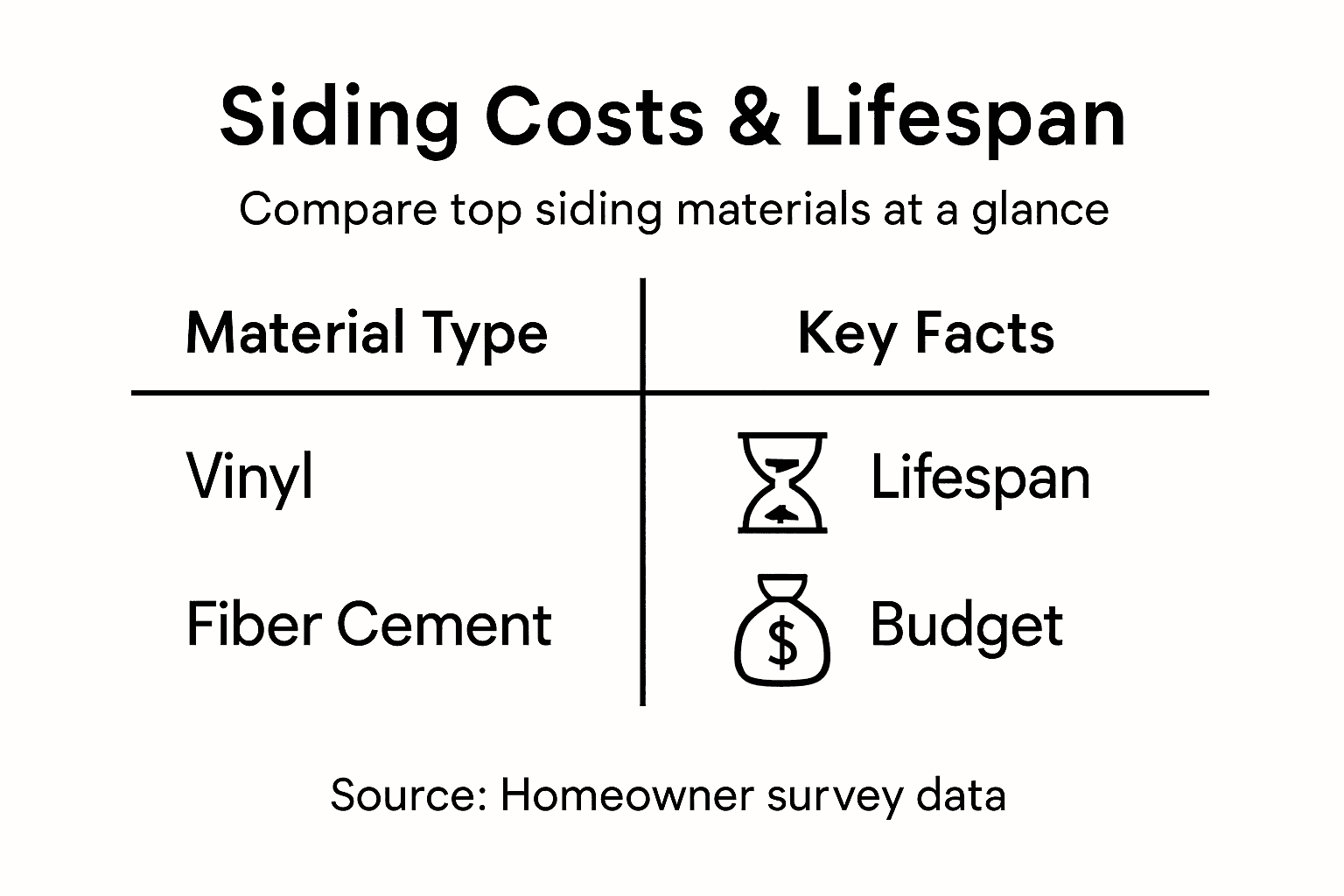
The financial value of siding replacement extends beyond immediate aesthetics. Most high-quality siding installations can return approximately 80% of their cost during home resale, making them a strategic home improvement investment. Energy-efficient siding options can reduce utility expenses by improving home insulation, creating additional long-term savings. Professional installation becomes crucial in maximizing these financial benefits, as proper techniques ensure optimal performance, prevent future repair costs, and maintain the siding’s protective capabilities. Factors like local climate, home architecture, and specific material characteristics play significant roles in determining the ultimate return on investment.
Pro tip: Request detailed cost comparisons and lifetime performance estimates for different siding materials from your contractor to make the most financially strategic selection.
Risks of Delayed Siding Replacement
Delaying siding replacement can transform a minor home maintenance issue into a catastrophic and expensive problem. Potential exterior damage risks escalate quickly, threatening your home’s structural integrity, energy efficiency, and overall value. Homeowners who postpone siding replacement often face significantly higher repair costs and more extensive structural damage as time progresses.
Moisture infiltration represents the most immediate and dangerous consequence of deteriorating siding. When protective exterior barriers fail, water can seep into wall cavities, creating ideal conditions for wood rot, mold growth, and structural decay. This hidden damage can compromise wall framing, insulation, and even foundation stability, potentially leading to thousands of dollars in repairs. Compromised siding also reduces home energy efficiency, allowing heat and cool air to escape, which increases utility bills and creates uncomfortable indoor environments. Pest infestations become more likely as damaged siding creates entry points for insects and small animals seeking shelter.
Beyond structural risks, delayed siding replacement negatively impacts home value and aesthetic appeal. Potential buyers quickly notice exterior damage, which can significantly reduce market value and make selling your property more challenging. Insurance complications may also arise, as many policies have specific requirements about home maintenance and can deny claims for damage resulting from neglected repairs. Professional contractors recommend regular inspections and timely interventions to prevent these cascading problems, emphasizing that proactive maintenance is always more cost-effective than extensive emergency repairs.
The table below summarizes the main risks and consequences of delaying siding replacement:
| Risk Category | Main Consequence | Example Cost Impact |
|---|---|---|
| Moisture Damage | Wood rot, mold, decay | Repairs can exceed $10,000 |
| Energy Loss | Increased utility bills | Higher heating/cooling costs |
| Pest Infestation | Insect/rodent entry | Costly pest removal needed |
| Curb Appeal Loss | Reduced home value | Fewer buyer offers |
| Insurance Issues | Policy claim denial | Out-of-pocket large repairs |
Pro tip: Schedule annual exterior inspections to catch and address potential siding issues before they escalate into major structural problems.
Secure Your Home’s Future with Expert Siding Replacement Services
When aging or damaged siding threatens your home’s protection and curb appeal, you need trusted professionals who understand the risks of delayed replacement like moisture damage, energy loss, and pest infestations. At Astrotech Construction, we specialize in siding replacement that goes beyond aesthetics to restore your home’s structural integrity and long-term value. Using precision installation techniques and premium materials like vinyl, fiber cement, and engineered wood, we deliver durable, weather-resistant solutions tailored for the Dallas Fort Worth climate.
Don’t wait until small siding problems turn into costly repairs. Visit our home remodeling and siding services today and schedule a consultation with experienced specialists who will guide you through every step of the process. Protect your investment and increase your home’s energy efficiency now with Astrotech Construction, your partner for high-quality siding replacement. Learn more about how proper siding repair fundamentals can save you money and frustration.
Frequently Asked Questions
What is involved in siding replacement?
Siding replacement involves removing old exterior wall coverings and installing new protective materials. This process includes assessing the current condition, repairing any underlying damage, and ensuring proper weatherproofing before new siding is installed.
What are the most popular types of siding materials?
Common siding materials include vinyl, fiber cement, wood, engineered wood, metal, and brick/stone veneer. Each material offers unique benefits in terms of durability, maintenance, and aesthetic appeal.
How long does siding typically last?
The lifespan of siding varies by material: vinyl lasts 20-40 years, fiber cement can last 30-50 years, while wood siding generally lasts 15-30 years, and metal siding can last 30-50 years. Selecting the right material plays a crucial role in longevity.
What are the risks of delaying siding replacement?
Delaying siding replacement can lead to moisture infiltration, which causes wood rot and mold, higher energy bills due to diminished insulation, and damage from pest infestations. Eventually, this can result in significantly higher repair costs and a decrease in home value.
Recommended
- What Is Siding Repair and Why It Matters – Astrotech Construction
- Why Upgrade Building Exteriors: Boost Value and Comfort – Astrotech Construction
- Why Prioritize Exterior Repairs for Property Value – Astrotech Construction
- 7 Essential Home Improvement Tips 2025 for Dallas Owners – Astrotech Construction