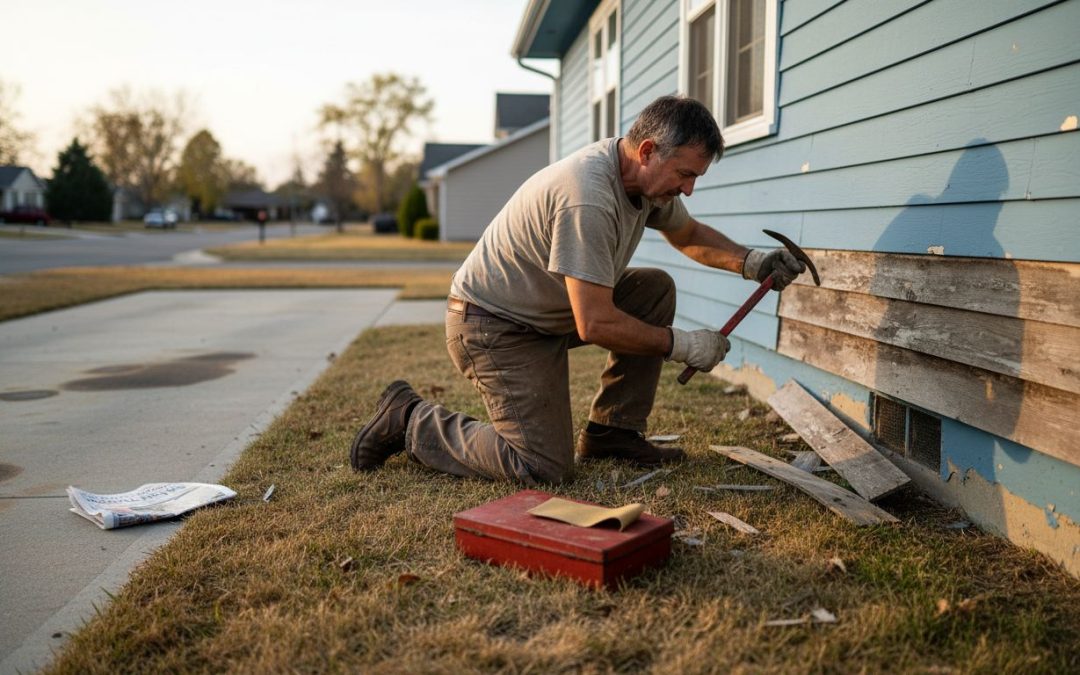
Siding damage causes thousands of dollars in repairs for American homeowners every year. Protecting your home’s exterior is about more than just looks. Good siding shields your family from weather and helps maintain your property value. Understanding how various materials, like wood or vinyl, react to common damage will help you avoid costly mistakes. This guide breaks down what every American homeowner needs to know about smart siding repair and long-lasting results.
Table of Contents
- Understanding Siding Repair Essentials
- Common Types of Siding Damage
- How Siding Repairs Are Performed
- Cost Factors and Budget Considerations
- Siding Repair Versus Replacement Choices
Key Takeaways
| Point | Details |
|---|---|
| Siding Repair is Essential | Regular siding maintenance protects structural integrity and enhances aesthetic appeal, requiring specialized techniques based on material type. |
| Types of Siding Damage | Moisture damage, impact damage, insect infestation, UV degradation, and thermal expansion are common challenges that need prompt attention to avoid costly repairs. |
| Cost Factors and Budgeting | Repair costs vary significantly based on material quality, damage extent, and labor rates; homeowners should prepare a contingency budget. |
| Repair vs. Replacement Decisions | Evaluate the percentage of damage and underlying issues to decide whether repair or full replacement is the most cost-effective and sustainable option. |
Understanding Siding Repair Essentials
Siding repair is a critical maintenance process that protects your home’s structural integrity and aesthetic appeal. Homeowners must understand that different siding materials require specialized repair techniques, ranging from minor patching to comprehensive replacement. Exterior repair strategies can significantly impact property value and prevent long-term damage.
The U.S. Forest Service highlights that proper siding maintenance involves regular inspections and timely interventions. Siding materials like wood, vinyl, fiber cement, and aluminum each present unique repair challenges. Wood siding might require filling cracks and repainting, while vinyl siding could need panel replacement or specialized welding techniques. Siding contractors in the region understand these nuanced repair requirements and can assess potential issues before they escalate.
Key considerations for effective siding repair include:
- Identifying moisture damage and potential wood rot
- Checking for structural compromise
- Assessing insulation performance
- Evaluating aesthetic consistency
- Understanding material-specific repair techniques
Proactive homeowners recognize that siding repair is not just about cosmetic improvements but about protecting their most significant investment. Professional assessment can detect subtle issues that might compromise your home’s protective barrier, preventing expensive future repairs and maintaining your property’s structural health.
Common Types of Siding Damage
Siding damage manifests in multiple forms, each presenting unique challenges for homeowners. Common wood siding problems range from subtle surface issues to significant structural concerns that can compromise your home’s protective barrier. Understanding these damage types is crucial for timely intervention and preventing costly repairs.
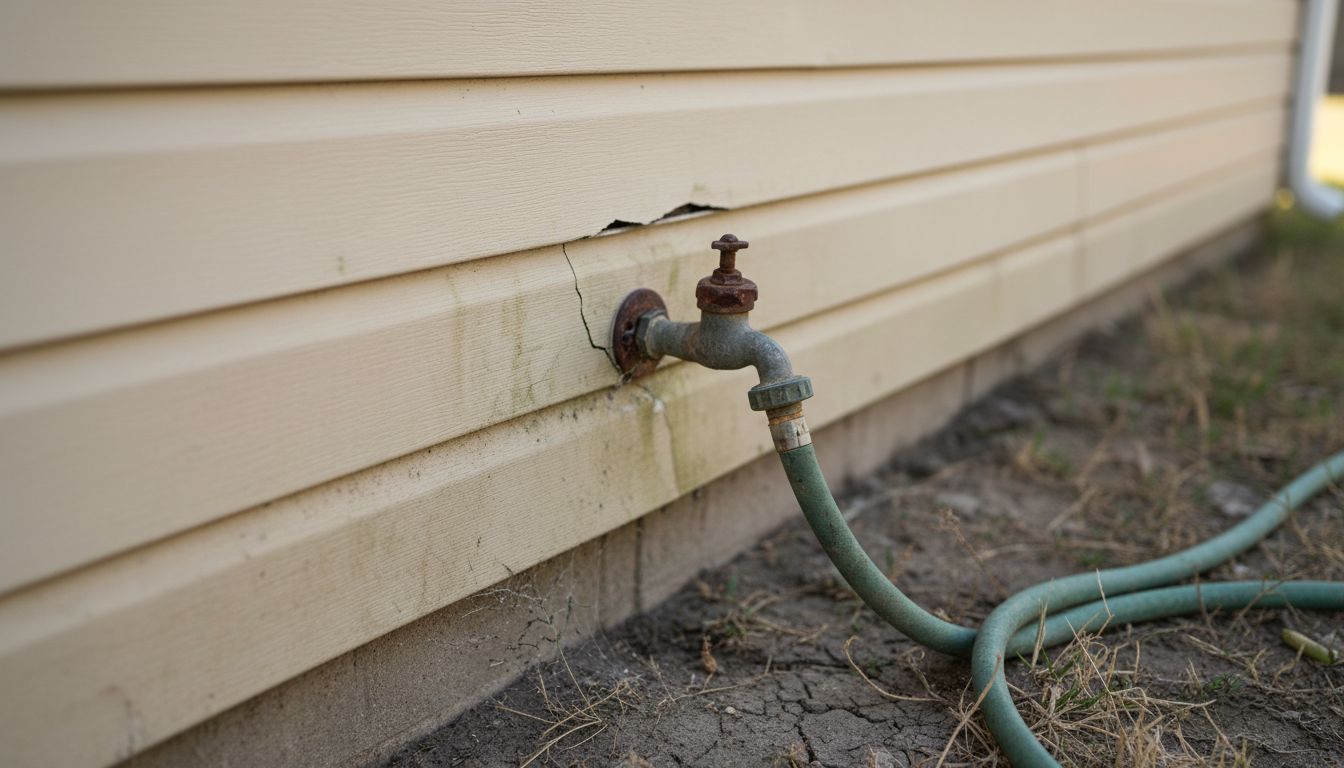
The U.S. Forest Service identifies several primary categories of siding damage. Moisture-related deterioration represents the most prevalent issue, where water penetration leads to wood rot, warping, and potential structural weakening. Comprehensive siding inspection techniques reveal that environmental exposure plays a significant role in material degradation.
Key types of siding damage include:
- Moisture Damage: Water infiltration causing wood rot and decay
- Impact Damage: Cracks or breaks from hail, falling branches, or physical impacts
- Insect Infestation: Termite or carpenter ant damage compromising structural integrity
- UV Degradation: Fading, cracking, and material breakdown from sun exposure
- Thermal Expansion: Warping or buckling due to temperature fluctuations
Proactive homeowners should conduct regular visual inspections, looking for warning signs like discoloration, bulging panels, loose sections, or small cracks. These early indicators can help prevent extensive damage and maintain your home’s protective exterior, ultimately saving significant repair and replacement costs.
How Siding Repairs Are Performed
Siding repair is a meticulous process that requires professional expertise and careful assessment. Wood siding repair techniques involve multiple critical steps designed to restore structural integrity and aesthetic appeal. Professional contractors typically begin with a comprehensive damage evaluation, identifying the extent and nature of the deterioration.
Repair methodologies vary depending on the type of siding material and specific damage characteristics. The process generally includes:
- Detailed damage assessment
- Precise material removal
- Structural preparation
- Precise replacement or patch installation
- Protective sealing and finishing
Most siding repairs follow a systematic approach. For wood siding, this means carefully removing damaged sections, treating potential underlying issues like moisture or insect damage, and replacing with matching materials. Home repair strategies emphasize the importance of matching original materials and maintaining proper sealing techniques to prevent future deterioration.
Professional siding repair involves more than simple replacement. Technicians must ensure proper moisture barriers, correct installation techniques, and seamless integration with existing structures. This process requires specialized tools, precise measurement, and an understanding of how different materials interact with environmental conditions. Homeowners should always seek professional assessment to guarantee comprehensive and effective siding repairs that protect their property’s long-term structural health.
Cost Factors and Budget Considerations
Siding repair costs can vary dramatically, influenced by multiple complex factors that homeowners must carefully evaluate. Comprehensive repair cost analysis reveals that material selection, damage extent, and labor requirements significantly impact overall project expenses. Professionals recommend a thorough assessment to determine whether repair or full replacement represents the most cost-effective solution.
Key cost factors homeowners should consider include:
- Material type and quality
- Extent and severity of damage
- Square footage requiring repair
- Labor rates in your specific region
- Complexity of repair or replacement
- Potential underlying structural issues
- Additional preparation or finishing work needed
Remodeling budget planning becomes crucial when addressing siding repairs. Vinyl siding repairs typically range from $2 to $7 per square foot, while wood siding can cost between $4 and $12 per square foot. Budget considerations extend beyond immediate repair costs, encompassing long-term property value, energy efficiency, and potential future maintenance requirements.
Professional contractors recommend setting aside a contingency budget of 10-20% above the estimated repair cost to account for unexpected complications. Homeowners should obtain multiple detailed quotes, verify contractor credentials, and understand the full scope of proposed work. Strategic planning and comprehensive assessment can help manage expenses while ensuring high-quality siding repair that protects your home’s structural integrity and aesthetic appeal.
Siding Repair Versus Replacement Choices
Decision-making between siding repair and full replacement requires careful evaluation of multiple critical factors. Comprehensive siding assessment guidelines suggest homeowners consider the extent of damage, material condition, and long-term cost implications before making a final choice. The right approach depends on understanding the nuanced differences between targeted repairs and complete siding replacement.
Key considerations for choosing between repair and replacement include:
- Percentage of damaged siding
- Age of existing siding material
- Structural integrity of underlying surfaces
- Energy efficiency potential
- Budget constraints
- Aesthetic goals
- Future maintenance expectations
Exterior remodeling strategies recommend replacement when damage exceeds 30% of total siding area or when underlying structural issues are present. Minor damage typically warrants repair, while extensive deterioration suggests full replacement. Replacement benefits include improved home value, enhanced energy efficiency, and modern aesthetic upgrades that can transform your property’s appearance.
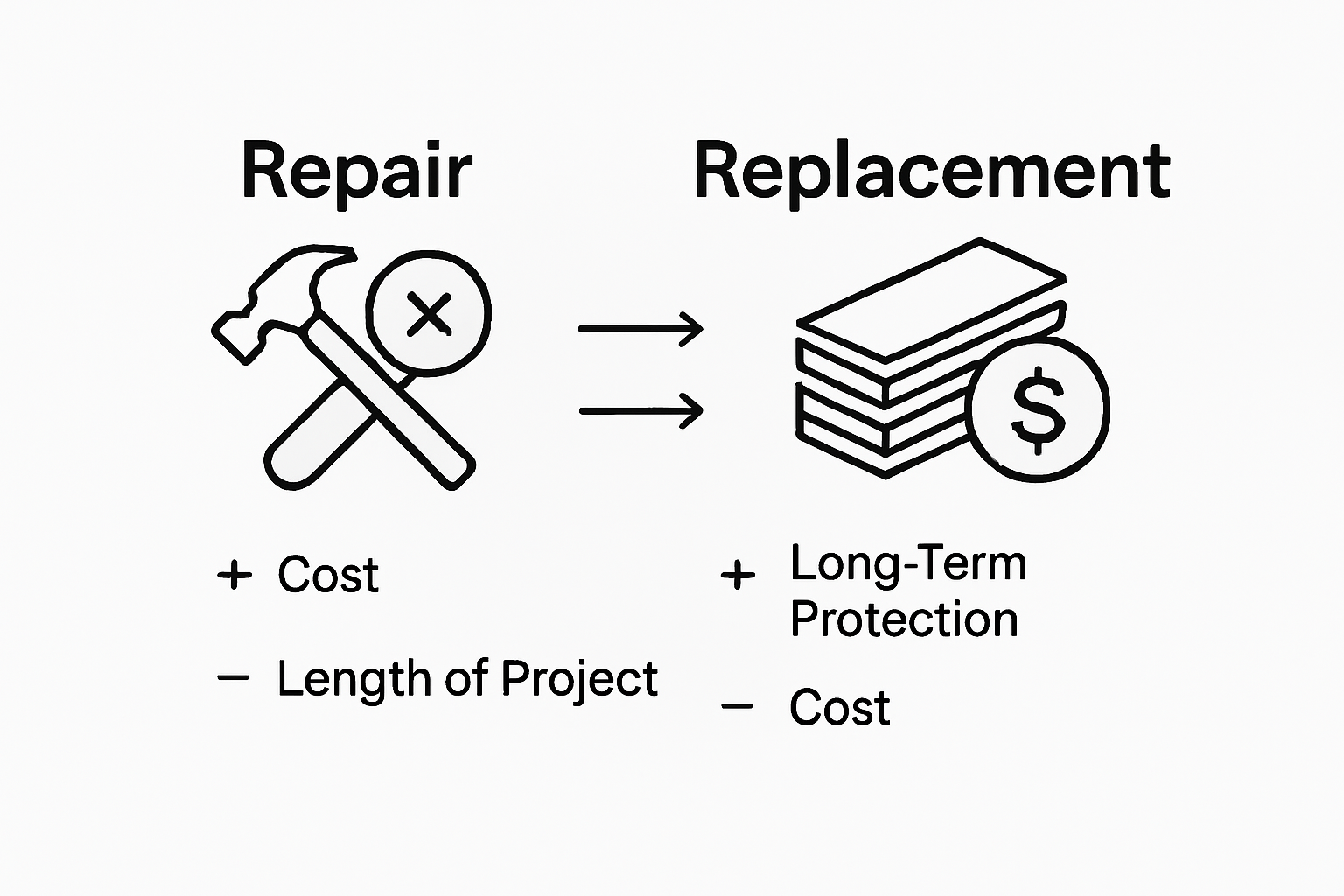
Professional contractors typically recommend a comprehensive inspection to determine the most cost-effective solution. Factors like material type, home age, local climate conditions, and future maintenance requirements play crucial roles in this decision. Homeowners should prioritize long-term performance over immediate cost savings, understanding that strategic investment in siding can prevent more expensive structural damage and provide significant protection for their property.
Protect Your Home with Expert Siding Repair Services
Siding damage can lead to serious issues like moisture intrusion, wood rot, and decreased energy efficiency if left untreated. Understanding the specific challenges of different siding materials and timely repairs is essential to safeguarding your most valuable investment. If you notice signs of damage or want a professional evaluation, our team at Astrotech Construction has the expertise to restore your home’s exterior with precision and care.
Don’t wait for minor issues to turn into costly repairs. Take action now by scheduling a consultation with our experienced siding contractors in the Dallas – Fort Worth Metroplex. Visit Astrotech Construction to learn more about our comprehensive siding repair solutions and ensure your home stays protected and visually appealing for years to come.
Frequently Asked Questions
What is siding repair?
Siding repair is the process of fixing damaged or deteriorated siding materials on a home, which is essential to maintain the home’s structural integrity and aesthetic appearance.
Why is siding repair important for homeowners?
Siding repair is crucial as it helps prevent structural damage, protects your property from weather-related issues, and maintains energy efficiency, ultimately preserving your home’s value.
What are the common types of siding damage?
Common types of siding damage include moisture damage, impact damage, insect infestation, UV degradation, and thermal expansion, which can all lead to significant repair needs if not addressed promptly.
How do I decide between repairing and replacing my siding?
The decision between siding repair and replacement depends on factors such as the extent of damage, age of the siding, structural integrity, and budget considerations. Typically, if more than 30% of the siding is damaged, replacement may be more beneficial.
Recommended
- Why Prioritize Exterior Repairs for Property Value – Astrotech Construction
- Siding Contractor in Colleyville Southlake Trophy Club Bedford TX
- 7 Essential Examples of Home Repairs Every Owner Should Know – Astrotech Construction
- What Is Exterior Remodeling? Complete Overview 2024 – Astrotech Construction
- Why Does Exterior Paint Peel?