
Strong thunderstorms and hail can leave roofs across Dallas-Fort Worth battered, revealing leaks and damaged shingles that threaten the safety of your home. Making sense of roof replacement options becomes urgent when repeated repairs no longer solve problems or your roof is over twenty years old. Here, you will learn how professional assessment, proper materials, and insurance coverage work together to ensure your home’s protection after North Texas storms.
Table of Contents
- What Roof Replacement Really Means
- Key Roof Types And Material Choices
- The Full Roof Replacement Process
- Costs, Warranties, And Insurance Factors
- Risks, Common Mistakes, And How To Avoid Them
Key Takeaways
| Point | Details |
|---|---|
| Importance of Full Replacement | A complete roof replacement addresses severe damage and updates every layer of protection against environmental elements. |
| Material Considerations | Homeowners should evaluate roofing materials based on durability, energy efficiency, and local weather conditions for optimal performance. |
| Professional Involvement | Engaging certified professionals ensures proper installation and adherence to safety and building codes, crucial for long-term success. |
| Cost Awareness | Understanding insurance coverage and warranty options is vital for managing potential expenses related to roof replacement and maintenance. |
What Roof Replacement Really Means
Roof replacement represents a critical home maintenance process that goes far beyond simply swapping out old shingles. At its core, it involves completely removing the existing roof covering and installing an entirely new protective system designed to shield your home from environmental elements. Comprehensive roof replacement options require careful evaluation of your specific home’s needs, structural condition, and long-term performance requirements.
In the Dallas-Fort Worth area, roof replacement becomes especially crucial due to severe weather patterns including intense thunderstorms, hail, and occasional extreme temperature fluctuations. Homeowners typically need full replacement when their current roof shows multiple signs of deterioration such as widespread shingle damage, persistent leaks, or structural weakness. Unlike simple repairs that address isolated issues, a complete roof replacement provides comprehensive protection by updating every critical layer of your home’s overhead defense system.
The replacement process involves several strategic steps. Professional contractors will first conduct a detailed inspection to assess the existing roof’s condition, identifying potential underlying damage to decking or support structures. They then carefully remove all existing materials, inspect the roof deck for structural integrity, and install new underlayment, flashing, and roofing materials. Insurance coverage considerations also play a significant role, as many homeowners insurance policies may partially or fully cover replacement costs depending on the cause of damage.
Pro tip: Schedule a professional roof inspection every three years, or immediately after major storm events, to catch potential issues before they escalate into expensive full replacements.
Key Roof Types and Material Choices
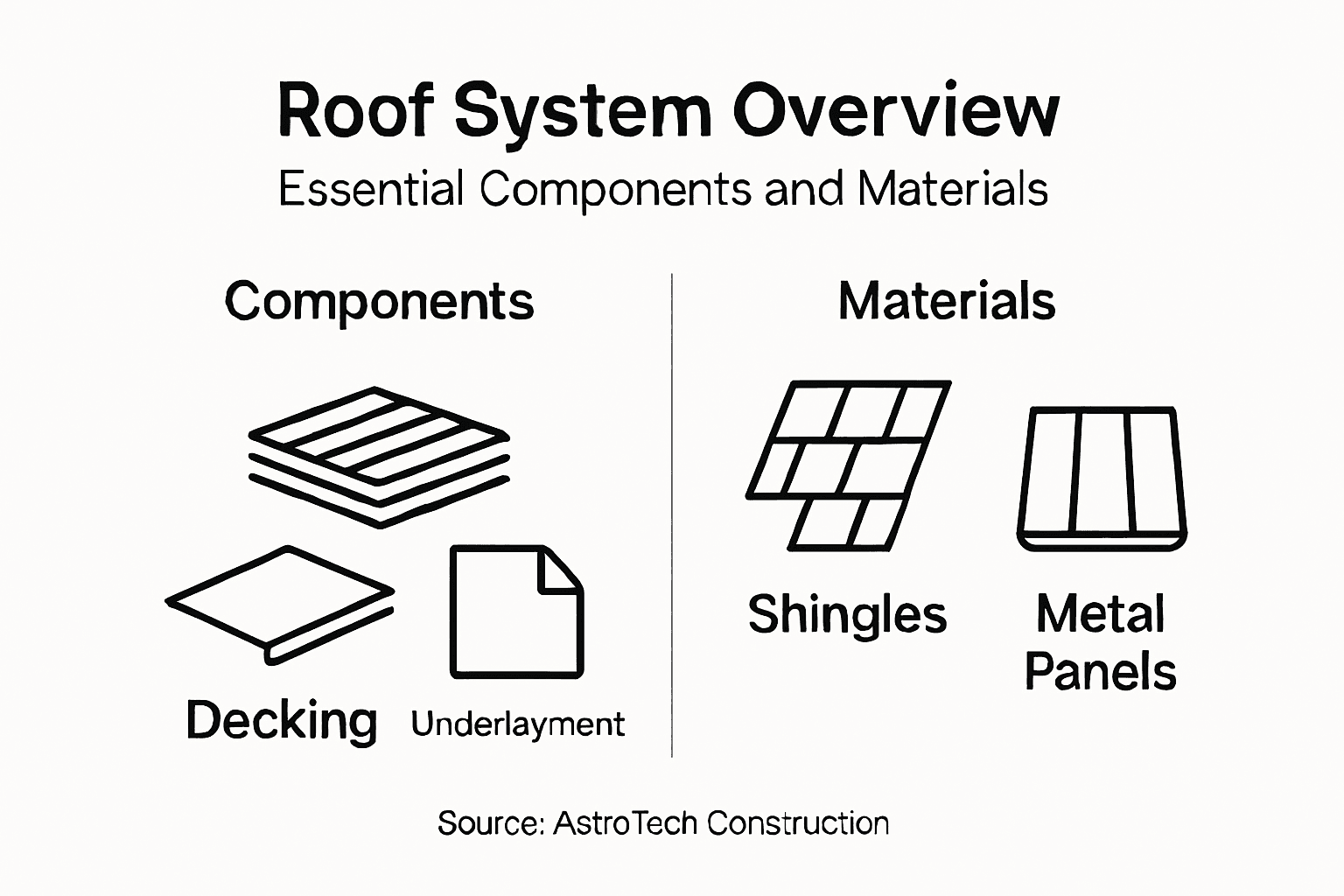
Roofing materials represent a critical decision for homeowners, with each option offering unique performance characteristics tailored to specific environmental challenges. Roof covering options range widely, including traditional asphalt shingles, durable metal panels, elegant clay tiles, and sophisticated slate designs. The Dallas-Fort Worth region’s intense weather patterns demand careful selection, considering factors like wind resistance, heat reflection, and long-term durability.
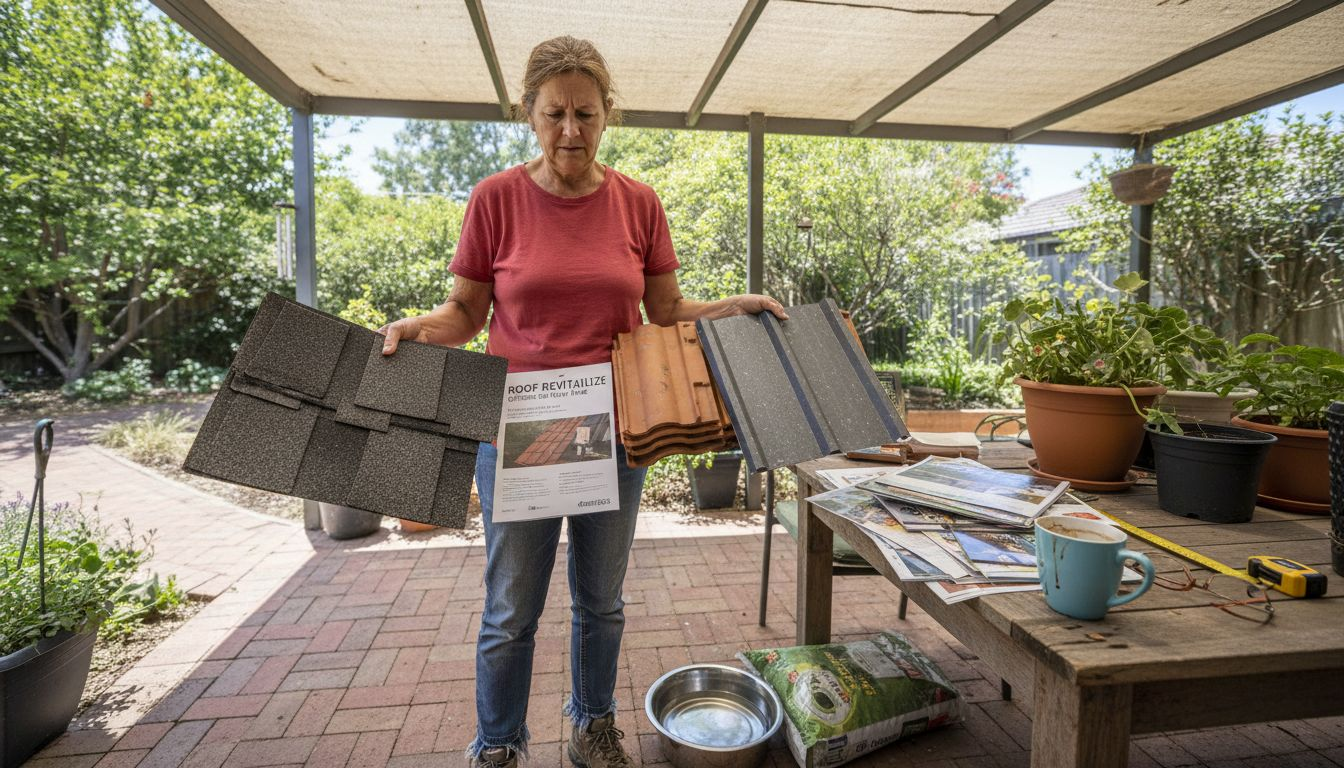
Asphalt shingles remain the most popular residential roofing choice, providing an affordable and versatile solution for many homes. These materials come in multiple styles, from standard three-tab designs to architectural shingles that offer enhanced aesthetic appeal and performance. Metal roofing has gained significant popularity in Texas, delivering exceptional durability and superior heat reflection that can help reduce energy costs during scorching summer months. Clay tiles and slate represent premium options, offering remarkable longevity and distinctive architectural character, though they require more substantial structural support due to their increased weight.
Roof system components involve more than just the visible surface materials. Professionals must consider critical underlying elements like robust underlayment, precise flashing techniques, and proper ventilation systems. Each material demands specific installation approaches to ensure maximum protection against moisture intrusion, temperature fluctuations, and potential structural damage. Local building codes and manufacturer specifications further influence material selection, requiring homeowners to work closely with experienced roofing professionals who understand regional environmental challenges.
Pro tip: Request material samples and examine their performance ratings specifically for Texas climate conditions before making your final roofing selection.
Here’s a summary of popular roofing materials and their key benefits:
| Roofing Material | Durability | Energy Efficiency | Weight Impact |
|---|---|---|---|
| Asphalt Shingles | 15-30 years | Moderate heat reflection | Lightweight, easy install |
| Metal Panels | 40-70 years | Excellent heat reflection | Light, fits most structures |
| Clay Tiles | 50+ years | Good natural insulation | Heavy, needs added support |
| Slate | 75-100+ years | Excellent insulation | Very heavy, strong support |
The Full Roof Replacement Process
A comprehensive roof replacement involves a meticulous, multi-step procedure that goes far beyond simple material removal and reinstallation. Roof replacement assessment begins with an extensive diagnostic evaluation, typically employing advanced techniques like infrared thermography to identify hidden structural weaknesses, moisture damage, and potential areas of compromise. Professional contractors carefully examine every component, from decking integrity to underlying insulation, ensuring a thorough understanding of the roof’s current condition before initiating replacement.
The actual replacement process follows a systematic approach designed to minimize disruption and maximize long-term performance. Contractors start by completely removing existing roofing materials, carefully inspecting the roof deck for any signs of rot, water damage, or structural issues that might compromise the new installation. Roof assembly requirements mandate precise installation techniques, including proper underlayment application, strategic flashing placement, and compliance with local building codes. Each layer is meticulously installed to create a watertight, durable system that can withstand the intense weather conditions typical of the Dallas-Fort Worth region.
Beyond the physical installation, modern roof replacement involves sophisticated considerations of energy efficiency, environmental impact, and long-term performance. Homeowners can choose materials that offer enhanced heat reflection, improved insulation, and sustainable manufacturing processes. The final installation requires careful attention to ventilation systems, ensuring proper air circulation that prevents moisture buildup and potential structural damage. Specialized sealants, precision cutting techniques, and expert craftsmanship combine to create a roof system that offers maximum protection and minimal future maintenance requirements.
Pro tip: Request a comprehensive written report detailing each step of the replacement process, including specific materials used and their projected lifespan.
Costs, Warranties, and Insurance Factors
Understanding the financial landscape of roof replacement requires navigating a complex terrain of insurance policies, warranty options, and potential cost variables. Roof replacement insurance considerations vary significantly depending on damage type, policy details, and specific coverage terms. In the Dallas-Fort Worth area, homeowners typically encounter two primary insurance coverage approaches: replacement cost coverage, which pays the full expense of restoring the roof, and actual cash value policies that factor in depreciation and often provide less comprehensive financial support.
Warranty protection represents another critical financial consideration for homeowners undertaking roof replacement. Roof warranty types fundamentally differ between material-only and total system warranties. Material-only warranties exclusively cover manufacturing defects in roofing materials, while comprehensive total system warranties provide more extensive protection, including labor costs and workmanship guarantees. Most professional warranties range from 5 to 30 years, with total system warranties offering the most robust protection against potential future issues.
Cost calculations for roof replacement involve multiple interconnected factors beyond simple material and labor expenses. Homeowners should consider potential insurance discounts for selecting impact-resistant materials, evaluate different roofing material price points, and understand how specific choices might affect long-term maintenance expenses. Regional factors like Dallas-Fort Worth’s extreme weather conditions can significantly influence both initial replacement costs and ongoing maintenance requirements. Strategic material selection can potentially reduce future repair expenses and improve overall home energy efficiency, providing substantial long-term financial benefits.
Pro tip: Request a detailed cost breakdown that includes potential insurance reimbursements, warranty coverage specifics, and projected long-term maintenance expenses before finalizing your roof replacement project.
For quick reference, here are common roof replacement cost factors and their typical impacts:
| Cost Factor | Description | Potential Impact |
|---|---|---|
| Material Choice | Type and quality of roofing material | Drives total project expense |
| Labor Complexity | Skill level and installation demands | Affects labor hours and quality |
| Insurance Coverage | Extent of reimbursed expenses | Lowers or increases out-of-pocket |
| Regional Climate Needs | Adaptation for local weather patterns | Influences maintenance frequency |
Risks, Common Mistakes, and How to Avoid Them
Roof replacement involves numerous potential pitfalls that can compromise the entire project’s success and long-term performance. Common roofing problems often stem from critical mistakes during design, material selection, and installation processes. In the challenging Dallas-Fort Worth climate, these risks are magnified by extreme weather conditions that demand exceptional precision and expertise in roof system implementation.
One of the most significant risks homeowners face involves improper installation techniques and material selection. Professional contractors must carefully assess drainage patterns, structural integrity, and material compatibility to prevent issues like water accumulation, premature material degradation, and potential structural damage. Workplace safety standards also highlight critical risks during the replacement process, emphasizing the importance of proper fall protection, structural assessment, and worker training to prevent accidents and ensure quality installation.
Mitigation strategies require a proactive approach that begins with thorough initial assessment and continues through meticulous installation and ongoing maintenance. Homeowners should prioritize working with certified professionals who understand local building codes, possess comprehensive safety training, and demonstrate expertise in selecting materials suited to the region’s specific environmental challenges. Critical prevention steps include conducting regular roof inspections, addressing minor issues before they escalate, and investing in high-quality materials that can withstand the intense temperature variations and severe weather events characteristic of North Texas.
Pro tip: Request documented proof of contractor certifications, safety training, and previous project references before initiating any roof replacement project.
Protect Your Home with Expert Roof Replacement Services
The article highlights the critical need for a full roof replacement when facing extensive damage, persistent leaks, or structural concerns common in the Dallas-Fort Worth area. If you are worried about choosing the right materials, understanding the replacement process, or navigating insurance complexities, you are not alone. Many homeowners face these challenges and seek trusted solutions that deliver lasting protection against harsh weather and energy inefficiency.
At AstroTech Construction, we specialize in comprehensive roof replacement tailored to your home’s unique needs. Our experienced team ensures every step—from inspection to installation—meets the highest standards to protect your investment and enhance your home’s comfort. We provide expert guidance on material selection, warranty options, and how to maximize insurance benefits to ease your decision-making.
Take control of your home’s future today with trusted professionals who understand the demands of Texas weather.

Don’t wait until minor issues become costly replacements. Visit AstroTech Construction now to schedule your consultation and safeguard your home with confidence. Learn more about our roof replacement solutions and let us help you protect what matters most.
Frequently Asked Questions
What does roof replacement involve?
Roof replacement involves completely removing the existing roof covering and installing a new protective system to shield your home from environmental elements, including careful inspection and potential repairs to underlying structures.
How often should I get my roof inspected?
It’s recommended to schedule a professional roof inspection every three years or immediately after significant storm events to catch potential issues early before they lead to costly replacements.
What are the most common roofing materials?
Common roofing materials include asphalt shingles, metal panels, clay tiles, and slate. Each offers unique benefits related to durability, energy efficiency, and weight, catering to different homeowners’ needs.
What factors influence the cost of roof replacement?
Cost factors include the choice of materials, labor complexity, insurance coverage, and the specific climate needs of your area. These elements collectively determine the overall expense of a roof replacement project.
Recommended
- Siding Replacement: Protecting and Upgrading Your Home – Astrotech Construction
- Roof Replacement Colleyville Southlake Trophy Club Bedford TX
- Why Prioritize Exterior Repairs for Property Value – Astrotech Construction
- Role of Remodeling Warranties – Protecting Your Renovation – Astrotech Construction