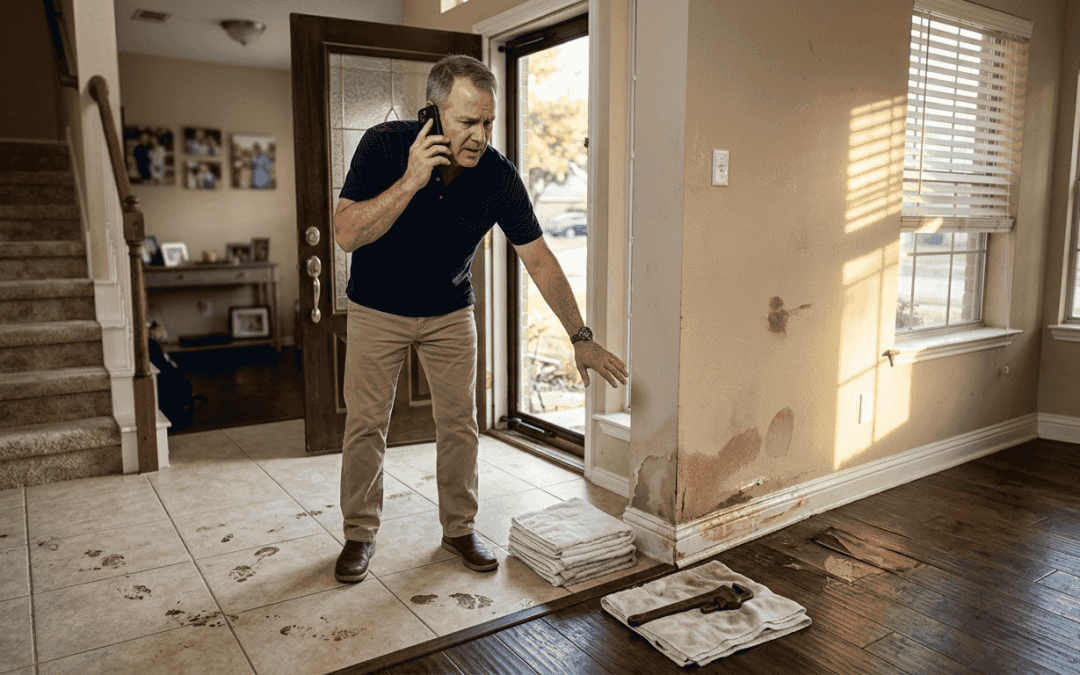
Water damage spreads shockingly fast. Within 24 to 72 hours, standing water can compromise structural integrity and trigger mold growth that threatens both property and health. For Dallas-Fort Worth homeowners and commercial property owners, understanding water mitigation is essential to protect your investment. This guide explains what water mitigation involves, how professionals use specialized equipment to minimize damage, and why acting immediately can save thousands in repair costs.
Table of Contents
- Understanding Water Mitigation And Why It Matters
- Tools And Techniques Used In Professional Water Mitigation
- Assessing Damage And Making Repair Vs Replacement Decisions
- Navigating Insurance And Local Water Mitigation Resources In Dallas-Fort Worth
- Explore Professional Home Remodeling And Restoration Services
- Frequently Asked Questions
Key takeaways
| Point | Details |
|---|---|
| Quick action prevents escalation | Water mitigation involves immediate steps to halt damage progression and prevent mold within the critical 48-72 hour window. |
| Professional equipment matters | Specialized tools like moisture meters, thermal imaging, and industrial dehumidifiers enable thorough water extraction and structural drying. |
| Moisture testing guides decisions | Industry standards use moisture content thresholds to determine whether materials can be restored or must be replaced for safety. |
| Insurance coverage varies | Most policies cover sudden water events but exclude mold from slow leaks and outside flooding, with deductibles typically $1,000-$2,500. |
| Local expertise helps recovery | Dallas-Fort Worth professionals offer 24/7 emergency response to support faster claims processing and better restoration outcomes. |
Understanding water mitigation and why it matters
Water mitigation refers to the swift, strategic actions taken to reduce water damage impact and prevent further deterioration after a water intrusion event. The goal is simple: minimize loss, preserve salvageable materials, and prevent secondary problems like mold growth and structural failure. In the Dallas-Fort Worth area, burst pipes during winter freezes, severe thunderstorms, roof leaks, and plumbing failures create urgent situations that demand immediate professional intervention.
Water spreads rapidly through porous materials. Drywall, insulation, flooring, and wood framing absorb moisture within hours. As water saturates these materials, structural integrity weakens and conditions for mold growth develop. Water damage can worsen rapidly, with mold growth potentially starting within 48-72 hours. This narrow window makes speed the most critical factor in successful mitigation.
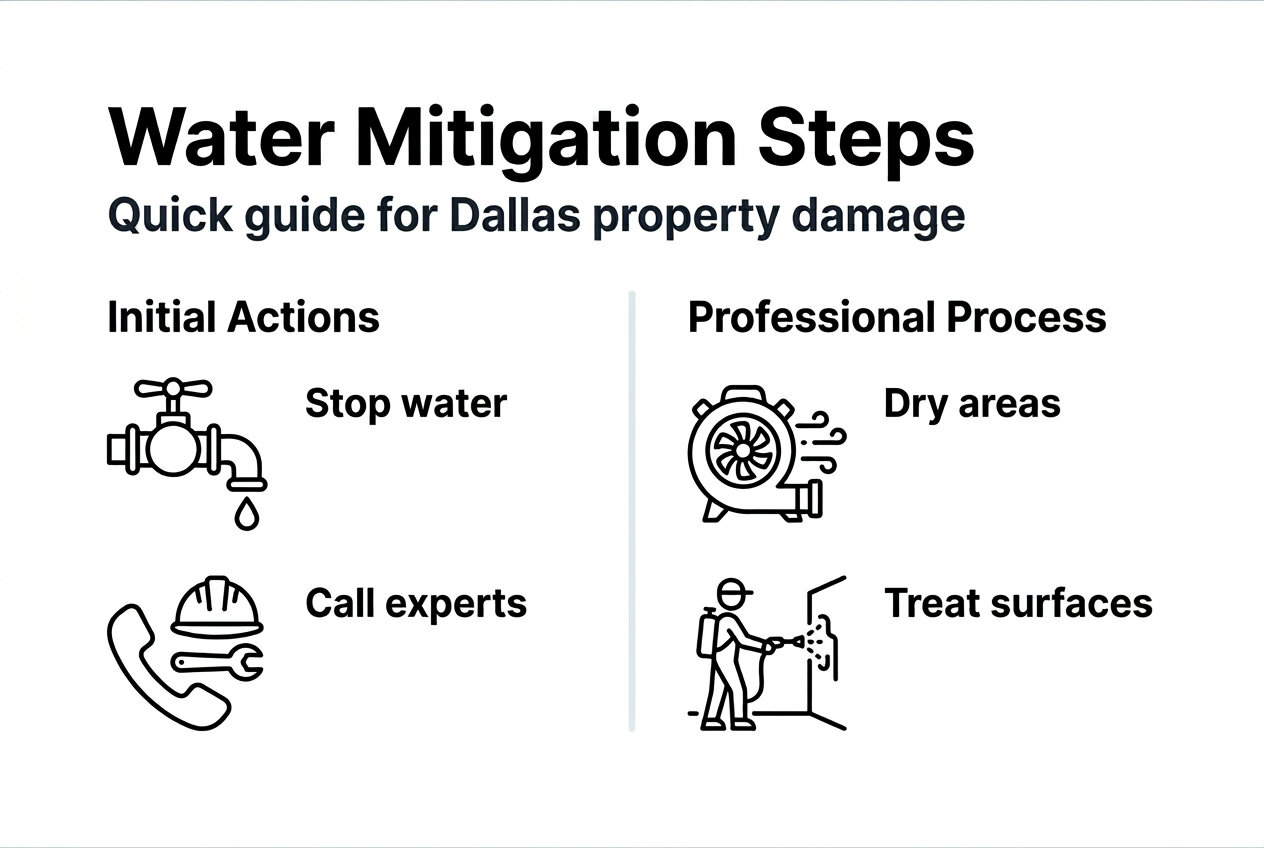
Priority actions during water mitigation include:
- Stop the water source immediately, whether shutting off main water supply or tarping a damaged roof
- Ensure safety by cutting electricity to affected areas and avoiding contaminated water
- Remove standing water using pumps and extraction equipment
- Begin drying process with industrial fans and dehumidifiers
- Document all damage thoroughly with photos and videos
Pro Tip: Take detailed photos and videos of all affected areas before any cleanup begins. This documentation supports insurance claims and helps mitigation professionals create accurate moisture mapping plans.
Delaying mitigation increases costs exponentially. What starts as a manageable water extraction project can escalate into extensive bathroom remodeling after storm damage or complete structural repairs. Mold remediation alone can cost thousands beyond initial water damage restoration.
“The difference between a $5,000 mitigation job and a $25,000 reconstruction project often comes down to response time. Every hour counts when water is actively damaging your property.”
Understanding the urgency helps property owners make informed decisions when disaster strikes. Calling professionals immediately rather than attempting DIY cleanup protects both property value and occupant health.
Tools and techniques used in professional water mitigation
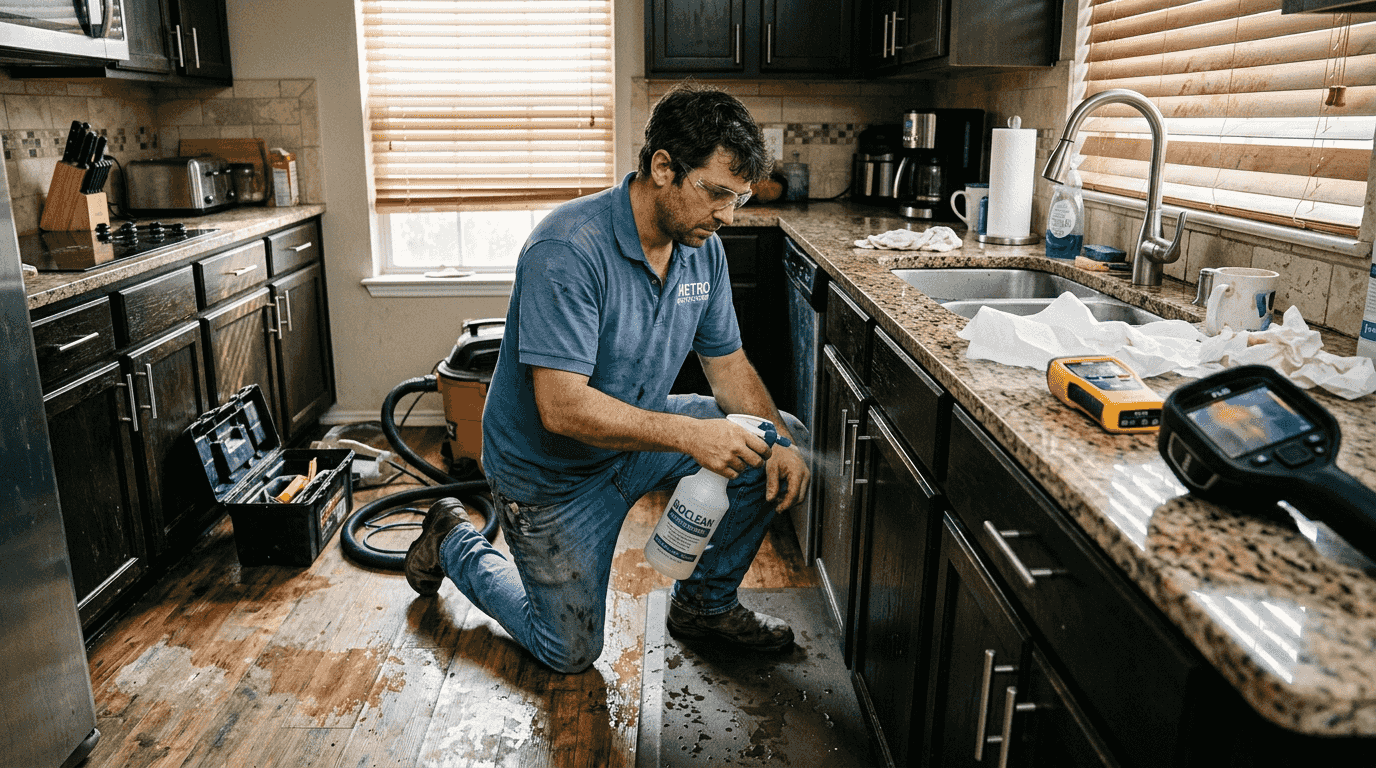
Professional water mitigation relies on specialized equipment that far exceeds consumer-grade tools. Professional water damage restoration companies utilize specialized equipment for effective mitigation, including antimicrobial treatments, moisture meters, thermal imaging, industrial dehumidifiers, air movers, and truck-mounted extraction units. Each tool serves a specific purpose in the comprehensive mitigation process.
Moisture meters and thermal imaging cameras enable technicians to locate hidden water pockets behind walls, under flooring, and within ceiling cavities. These detection tools prevent missed moisture that would otherwise cause delayed mold growth or structural rot. Daily moisture monitoring tracks drying progress and ensures materials reach safe moisture levels before reconstruction begins.
Industrial extraction equipment removes standing water efficiently. Truck-mounted extraction units generate powerful suction that pulls water from carpets, padding, and subfloors in minutes rather than hours. Portable extractors handle smaller areas and tight spaces where truck-mounted systems cannot reach.
The drying phase uses:
- High-velocity air movers positioned strategically to create rapid air circulation across wet surfaces
- Commercial dehumidifiers that remove moisture from air, preventing reabsorption into materials
- Containment barriers to isolate affected areas and prevent humidity migration to undamaged spaces
- HEPA filtration systems to remove airborne contaminants and mold spores during drying
Microbial treatments play a crucial role in preventing mold colonization. Antimicrobial solutions applied to affected surfaces create hostile environments for microbial growth while the structure dries. This preventative step is especially important for category 2 and 3 water damage involving contaminated water sources.
Professionals classify water damage into categories and classes that dictate treatment approaches. Category 1 involves clean water from supply lines, category 2 contains contaminants from appliances or toilets, and category 3 includes sewage or floodwater requiring extensive sanitization. Classes range from minimal moisture (Class 1) to specialty situations like hardwood or plaster (Class 4).
Containment protocols prevent cross-contamination between affected and unaffected areas. Physical barriers, negative air pressure systems, and dedicated entry/exit points protect clean spaces during mitigation. These professional practices ensure storm damage repair proceeds safely and thoroughly.
Assessing damage and making repair vs replacement decisions
Accurate damage assessment determines whether materials can be safely restored or must be replaced. This decision impacts project costs, timelines, and long-term property integrity. Professional moisture content testing provides objective data that guides these critical choices.
Moisture meters measure water saturation levels in materials as a percentage. Different materials have different acceptable moisture thresholds. Wood framing typically maintains 8-12% moisture content under normal conditions. Drywall should stay below 1% in dry climates like Dallas-Fort Worth. When water intrusion occurs, these levels spike dramatically.
Moisture content below 28% allows restoration; 28-35% requires aggressive industrial dehumidification; above 35% necessitates replacement. These industry benchmarks balance cost efficiency with safety and durability. Materials dried from excessive moisture levels may appear salvageable but often develop delayed problems like warping, delamination, or hidden mold growth.
Thermal imaging reveals temperature variations that indicate trapped moisture. Wet materials appear cooler than dry surrounding areas, creating visual maps of water migration patterns. This technology identifies moisture in wall cavities and insulation where moisture meters cannot directly access.
| Moisture Level | Material Condition | Recommended Action |
|---|---|---|
| Below 16% | Normal or slightly elevated | Monitor and air dry with fans |
| 16-28% | Elevated but restorable | Professional extraction and dehumidification |
| 28-35% | High saturation | Aggressive industrial drying required |
| Above 35% | Critically saturated | Replacement necessary for safety |
Pro Tip: Request daily moisture readings from your restoration company. This documentation proves thorough drying for insurance purposes and helps prevent future disputes about whether materials were properly dried before reconstruction.
Structural compromise adds another dimension to replacement decisions. Even if moisture content reaches acceptable levels, materials showing signs of warping, sagging, or delamination may require replacement. Drywall that has lost paper facing integrity or wood members with visible swelling cannot regain original strength through drying alone.
Contaminated water introduces health hazards that mandate replacement regardless of moisture levels. Category 3 water damage from sewage or flooding carries bacteria, viruses, and toxins that penetrate porous materials. Attempting to sanitize rather than replace contaminated drywall, insulation, or carpet creates ongoing health risks.
The siding replacement moisture damage relationship demonstrates how exterior moisture intrusion requires similar assessment protocols. Professional evaluation prevents costly mistakes that compromise property value and occupant safety.
Navigating insurance and local water mitigation resources in Dallas-Fort Worth
Homeowners insurance typically covers sudden and accidental water damage from burst pipes, appliance malfunctions, or storm-driven rain through roof damage. Insurance coverage is common for water damage in Dallas, but excludes mold from long-term leaks, negligence, and floodwater; deductibles range from $1,000-$2,500. Understanding coverage limits and exclusions helps property owners prepare financially.
Common exclusions create gaps that surprise unprepared homeowners:
- Gradual leaks from poor maintenance or aging plumbing systems
- Mold growth resulting from neglected water damage or humidity problems
- Flooding from external sources like overflowing creeks or storm surge
- Backup of sewers or drains without specific endorsement coverage
Standard policies cover structure and personal property separately, each with its own deductible. Some policies use percentage-based deductibles for wind and hail damage, which can significantly increase out-of-pocket costs during major storms. Reviewing policy details before disaster strikes prevents unpleasant financial surprises.
Prompt insurance notification is essential. Most policies require immediate damage reporting, and delays can jeopardize claims. Document everything: take photos before any cleanup, save damaged items for adjuster inspection, and maintain detailed records of all mitigation expenses. Professional restoration companies familiar with insurance processes can provide documentation that supports faster claims approval.
Dallas-Fort Worth offers numerous professional mitigation providers with 24/7 emergency response capabilities. Local companies understand regional weather patterns, common plumbing issues in area homes, and insurance requirements specific to Texas. Quick professional response supports smoother claims processing because trained technicians provide detailed damage assessments and moisture documentation that adjusters need.
Choosing qualified professionals protects both property and financial interests. Look for companies with IICRC certification, comprehensive insurance, and established local reputations. Emergency response should include immediate water extraction, moisture mapping, and containment within hours of your call.
“Homeowners who contact both their insurance company and a professional restoration service within the first 24 hours typically experience 40-60% lower total claim costs compared to those who delay response.”
Navigating the insurance restoration process for storm damage becomes manageable with the right professional support. Experienced contractors coordinate directly with adjusters, provide detailed scope documentation, and ensure all covered damage receives appropriate attention during the claims process.
Explore professional home remodeling and restoration services
After water mitigation stabilizes your property, the reconstruction phase transforms damage into opportunity. Astrotech Construction specializes in helping Dallas-Fort Worth property owners navigate the complete recovery process, from emergency repairs through final restoration.
Our team understands the unique challenges water damage creates. We coordinate seamlessly with insurance adjusters, provide detailed documentation for claims, and execute repairs that restore or enhance your property’s value. Whether you need targeted repairs or decide to pursue upgrades during reconstruction, our comprehensive home improvement workflow ensures efficient, quality results. From kitchen and bathroom updates to full home remodeling projects, we apply proven processes that minimize disruption and maximize satisfaction. Discover our 7 essential steps for remodeling success that transform water damage recovery into property improvement.
Frequently asked questions
What causes water damage in homes and commercial buildings?
Water damage stems from various sources including burst pipes during freezing weather, roof leaks from storm damage or aging materials, plumbing failures in supply lines or drain systems, and appliance malfunctions like water heater ruptures or washing machine hose breaks. Category 1 water damage involves clean water from supply lines, category 2 contains contaminants from appliances or gray water sources, and category 3 includes sewage or outside floodwater requiring extensive sanitization. Each category demands different mitigation approaches based on contamination levels and health risks.
How quickly should water mitigation begin after damage is discovered?
Water damage worsens quickly and mold can start growing within 48-72 hours, making immediate action critical. Call professional mitigation services within the first few hours of discovering water damage to minimize losses and prevent secondary problems. The faster water extraction and drying begin, the more materials can be saved and the lower your total restoration costs will be.
Will homeowners insurance cover water mitigation costs?
Most insurance covers sudden water damage but excludes mold from long-term leaks and outside flooding. Coverage depends on the damage cause: burst pipes and storm-driven rain through roof damage typically qualify, while gradual leaks from poor maintenance usually do not. Document all damage thoroughly with photos and videos, notify your insurance company immediately, and keep detailed records of mitigation expenses to support your claim.
What are the signs that professional water mitigation is needed?
Visible standing water, persistent dampness in walls or flooring, musty odors indicating hidden moisture, and water stains on ceilings or walls all signal the need for professional help. Additional red flags include warping or buckling in wood floors, peeling paint or wallpaper, and signs of mold growth like dark spots or fuzzy patches. Any situation involving contaminated water from sewage backups or flooding requires immediate professional sanitization to protect occupant health.
Recommended
- Siding Replacement Guide: Avoid 40% Moisture Damage in DFW – Astrotech Construction
- Green building guide for Dallas-Fort Worth renovations – Astrotech Construction
- Emergency home repair checklist Dallas-Fort Worth 2026 – Astrotech Construction
- 7 Common DFW Remodeling Mistakes and How to Avoid Them – Astrotech Construction