
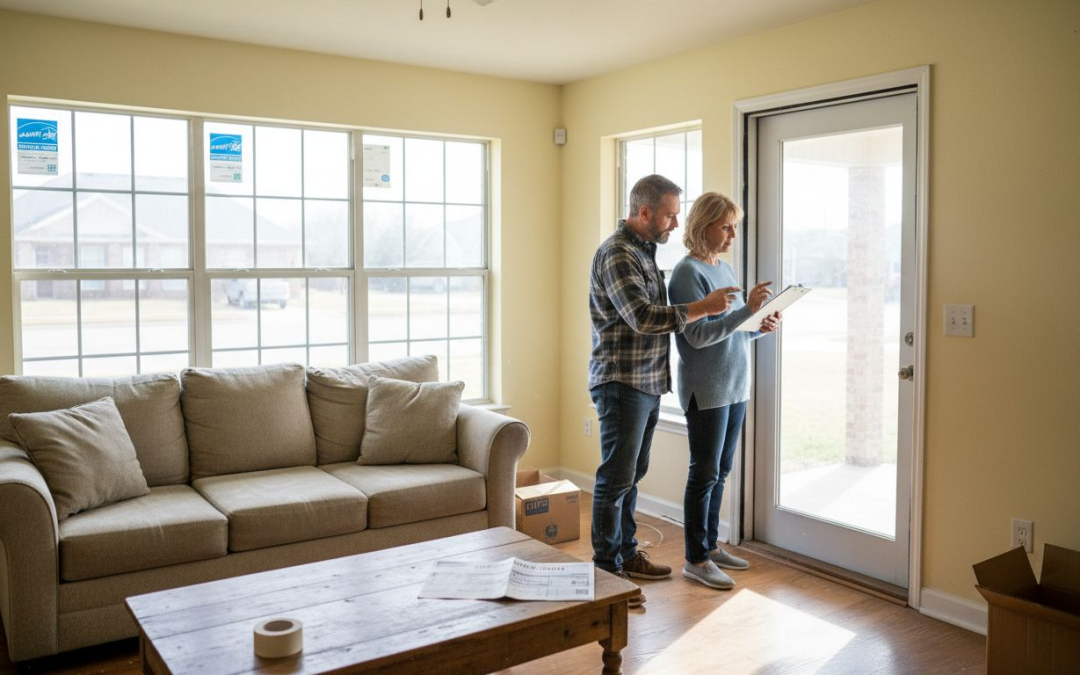
Most American households are losing more money to inefficient windows and outdated appliances than they realize. Rising energy bills in Dallas and Fort Worth make every homeowner think twice about comfort and home value. This guide offers practical strategies to help you choose upgrades such as high-efficiency windows, advanced insulation, and smart thermostats. Discover why simple improvements can shrink utility costs by as much as 40 percent while making your home healthier and more comfortable.
Table of Contents
- 1. Upgrade To High-Efficiency Windows And Doors
- 2. Install Advanced Insulation For Better Climate Control
- 3. Switch To LED Lighting Throughout The Home
- 4. Choose ENERGY STAR Rated Appliances For Savings
- 5. Seal Air Leaks In Attics, Basements, And Walls
- 6. Opt For Cool Roofing Materials To Reduce Heat
- 7. Incorporate Smart Thermostats For Precise Heating And Cooling
Quick Summary
| Key Message | Explanation |
|---|---|
| 1. Upgrade to High-Efficiency Windows | High-efficiency windows can cut energy bills by 10-30% while improving indoor comfort and home value. |
| 2. Install Advanced Insulation | Advanced insulation can reduce heating and cooling costs by up to 40% and improve overall thermal performance. |
| 3. Switch to LED Lighting | LED lighting uses 75% less energy than traditional bulbs, offering significant long-term savings on electricity. |
| 4. Choose ENERGY STAR Rated Appliances | ENERGY STAR appliances save 10-50% on energy use, offering lower bills and potential rebates when purchased. |
| 5. Seal Air Leaks | Sealing air leaks can reduce energy expenses by 15%, enhancing indoor air quality and comfort levels. |
1. Upgrade to High-Efficiency Windows and Doors
Upgrading your windows and doors is one of the most impactful energy-saving strategies for homeowners in the Dallas Fort Worth area. Modern high-efficiency windows and doors can dramatically reduce heat transfer, helping you maintain comfortable indoor temperatures while slashing utility bills.
Energy-efficient windows feature advanced technologies like double or triple glazing, specialized gas fills between glass panes, and insulated frames that create powerful thermal barriers. Energy-efficient window technologies can reduce heat loss by up to 50 percent compared to traditional single-pane windows, making them a smart investment for long-term home comfort and sustainability.
When selecting replacement windows, focus on features like low-emissivity (low-E) glass coatings, which reflect infrared light and help regulate indoor temperatures. Proper installation is equally critical insulating effectiveness depends not just on window quality, but on precise, airtight fitting by professional contractors.
The financial benefits are substantial. Homeowners can expect to save between 10 to 30 percent on annual heating and cooling expenses by installing high-performance windows. These upgrades not only reduce energy consumption but also increase home value and improve overall indoor comfort.
Pro tip: When shopping for new windows, request detailed energy performance ratings and compare U-factor and solar heat gain coefficient specifications to make the most informed selection.
2. Install Advanced Insulation for Better Climate Control
Advanced insulation represents a game changing strategy for homeowners seeking optimal energy efficiency and indoor comfort. By selecting cutting edge insulation technologies, you can dramatically transform your home’s thermal performance and reduce energy consumption.
Advanced insulation materials like aerogels and nanocomposites offer superior thermal resistance compared to traditional options. These innovative solutions create powerful barriers that minimize heat transfer, keeping your home cooler in summer and warmer in winter while significantly lowering utility expenses.
Modern insulation technologies go beyond basic temperature regulation. Sustainable options including bio-based materials provide environmental benefits while delivering exceptional performance. Homeowners can choose from a range of advanced materials such as spray foam, reflective insulation, and phase change materials that adapt to temperature fluctuations.
Strategic insulation installation can reduce heating and cooling loads by up to 40 percent. This translates to substantial energy savings and improved indoor climate control throughout the year. Professional assessment helps identify the most effective insulation approach for your specific home design and local climate conditions.
Pro tip: Consider conducting a professional energy audit before selecting insulation to precisely identify your home’s unique thermal performance needs and maximize your investment.
3. Switch to LED Lighting Throughout the Home
LED lighting represents a revolutionary approach to home energy efficiency that can dramatically transform your electricity consumption and utility expenses. Modern homeowners now have a powerful tool to reduce energy use while simultaneously improving indoor lighting quality.
LED lighting technologies offer extraordinary benefits that extend far beyond traditional lighting solutions. These advanced bulbs consume up to 75 percent less energy compared to conventional incandescent and fluorescent alternatives, providing substantial long term savings and environmental advantages.
Implementing LED lighting throughout your home involves strategic replacement of existing bulbs in key areas such as kitchens, living rooms, bedrooms, and outdoor spaces. Smart LED systems now include programmable options that allow automatic dimming, color temperature adjustments, and even integration with home automation platforms, enabling precise control over your home’s lighting environment.
The financial impact is significant. Homeowners can expect to reduce lighting related energy consumption by 50 percent or more, with potential savings reaching 80 percent when combined with intelligent control systems. This translates to lower electricity bills and a substantial reduction in overall household carbon emissions.
Pro tip: Consider purchasing LED bulbs with adjustable color temperatures to create different moods and optimize energy efficiency in various living spaces.
4. Choose ENERGY STAR Rated Appliances for Savings
Making smart appliance choices can transform your home’s energy efficiency and dramatically reduce utility expenses. ENERGY STAR certified products represent a powerful strategy for homeowners seeking to cut energy consumption while maintaining high performance standards.
ENERGY STAR appliance technologies provide exceptional opportunities to lower household energy use. These certified products consume 10 to 50 percent less energy compared to standard models, delivering substantial savings on monthly utility bills and reducing overall environmental impact.
When shopping for new appliances, focus on key items that consume the most energy like refrigerators, washers, dryers, dishwashers, and water heaters. The ENERGY STAR label indicates that the product meets rigorous efficiency standards set by the United States Environmental Protection Agency. These appliances not only reduce energy consumption but often qualify for additional rebates and tax incentives.
The financial benefits extend beyond immediate utility savings. Energy efficient appliances typically have longer operational lifespans and lower maintenance requirements. For an average household, switching to ENERGY STAR certified appliances can save hundreds of dollars annually while contributing to broader environmental conservation efforts.
Pro tip: Compare the yellow EnergyGuide label on appliances to estimate annual operating costs and identify the most financially beneficial models for your specific household needs.
5. Seal Air Leaks in Attics, Basements, and Walls
Air leaks are silent energy thieves that can significantly increase your home heating and cooling expenses. Understanding and addressing these hidden gaps represents one of the most cost effective strategies for improving home energy efficiency.
Air sealing techniques offer homeowners a powerful method to reduce energy consumption and enhance indoor comfort. By identifying and blocking small openings where air can infiltrate, you can create a more stable and efficient home environment that maintains consistent temperatures and reduces utility costs.
The most common air leak locations include electrical outlets, window frames, door edges, attic access points, and basement rim joists. Using affordable materials like weatherstripping, caulk, and spray foam can effectively block these infiltration points. Professional energy audits can help pinpoint precise areas requiring attention, utilizing thermal imaging technology to detect even the smallest air movement paths.
Implementing comprehensive air sealing can reduce heating and cooling expenses by an average of 15 percent. This approach not only saves money but also improves indoor air quality, reduces drafts, and creates a more comfortable living environment. Homeowners can tackle many air sealing projects as do it yourself tasks or hire professionals for more complex assessments.
Pro tip: Perform a simple draft detection test by holding a lit candle near potential leak areas on a windy day and observing flame movement to identify air infiltration points.
6. Opt for Cool Roofing Materials to Reduce Heat
Your roof plays a critical role in home energy efficiency, with traditional materials absorbing significant amounts of solar heat. Cool roofing technologies offer a smart solution for homeowners seeking to reduce cooling costs and improve indoor comfort.
Cool roofing technologies utilize highly reflective materials designed to minimize heat absorption and lower surface temperatures. These innovative roofing solutions reflect more sunlight and absorb less heat compared to standard dark colored roofing materials, creating a significant difference in home temperature regulation.
Cool roofing options include specialized reflective tiles, coatings, and shingles that can reduce roof surface temperatures by up to 50 degrees Fahrenheit. These materials are particularly effective in hot climates like Texas, where summer temperatures can be intense. By reflecting solar radiation, cool roofs dramatically decrease indoor temperatures, reducing air conditioning demand and lowering energy expenses.
Beyond individual home benefits, cool roofing contributes to broader environmental goals by mitigating urban heat island effects and reducing greenhouse gas emissions. Homeowners can choose from various cool roofing materials including white or light colored tiles, metal roofing with reflective coatings, and specialized solar reflective shingles that blend aesthetic appeal with energy efficiency.
Pro tip: Consult a local roofing professional to select cool roofing materials specifically suited to your regional climate and home architectural style.
7. Incorporate Smart Thermostats for Precise Heating and Cooling
Smart thermostats represent a technological breakthrough in home energy management, offering homeowners unprecedented control over heating and cooling systems. These intelligent devices transform how we interact with home temperature regulation, delivering both comfort and significant energy savings.
Smart thermostat technologies utilize advanced algorithms that learn your household’s unique temperature preferences and occupancy patterns. Unlike traditional thermostats, these devices automatically adjust temperatures based on real time data, occupancy sensors, and weather conditions, dramatically reducing unnecessary energy consumption.
Implementing a smart thermostat allows precise temperature control through smartphone apps, enabling remote adjustments and creating customized heating and cooling schedules. Some models can reduce HVAC runtime by up to 30 percent, translating into substantial utility bill savings. Features like night setback modes and adaptive scheduling ensure optimal energy efficiency without sacrificing home comfort.
Beyond individual home benefits, smart thermostats contribute to broader environmental goals by reducing overall energy demand and carbon emissions. Many utility companies even offer rebates and incentives for homeowners who install these energy efficient devices, making the initial investment more affordable.
Pro tip: Select a smart thermostat compatible with your existing HVAC system and consider professional installation to maximize performance and integration.
Below is a comprehensive table summarizing the energy-saving strategies and their benefits as discussed in the article.
| Strategy | Implementation | Results |
|---|---|---|
| Upgrade to High-Efficiency Windows | Replace old windows with advanced designs featuring double-glazing and low-E coatings; ensure proper installation. | Reduced heat transfer, improved comfort, and 10-30% reduced annual heating and cooling costs. |
| Install Advanced Insulation | Use materials like aerogels or spray foam and ensure professional assessment for optimal placement. | Up to 40% reduction in heating and cooling loads, improved thermal performance, and sustainability. |
| Switch to LED Lighting | Replace incandescent bulbs with energy-saving LED options, incorporating smart systems for automation. | At least 50% reduction in lighting energy use with improved control and extended bulb lifespan. |
| Choose ENERGY STAR Rated Appliances | Procure appliances with ENERGY STAR certification, focusing on high-energy use items like refrigerators. | 10-50% reduced energy consumption, potential rebates, and lower operational costs. |
| Seal Air Leaks | Identify and insulate gaps in key areas with materials like caulk and weatherstripping. | Around 15% decrease in heating and cooling expenses, improved air quality, and comfort. |
| Opt for Cool Roofing Materials | Install reflective or light-colored materials such as solar-reflective shingles. | Reduced indoor temperatures and cooling requirements, particularly effective in hot climates. |
| Incorporate Smart Thermostats | Install devices that adjust heating and cooling schedules based on real-time data and preferences. | Optimized HVAC use, up to 30% savings in energy consumption, and greater user comfort. |
Transform Your Dallas Fort Worth Home with Expert Energy-Efficient Remodeling
Energy costs can drain your budget and diminish your home’s comfort. If you are reading about essential energy-efficient remodeling ideas like upgrading windows, sealing air leaks, or installing smart thermostats you understand the challenge of keeping your home comfortable while controlling utility bills. These improvements require skillful planning and expert installation to maximize savings and long-term performance.
At AstroTech Construction we specialize in energy-conscious home renovations in the Dallas Fort Worth Metroplex. Whether you need a full home remodel incorporating advanced insulation and efficient windows or targeted upgrades like roof replacement with cool roofing materials our team delivers quality craftsmanship tailored to your unique needs. Our expertise ensures every detail from airtight sealing to installing ENERGY STAR rated appliances is handled flawlessly to boost your home’s energy efficiency.
Take the next step toward a more comfortable and cost-effective home by scheduling a consultation with AstroTech Construction. Visit our website today to explore our services and discover how we can turn your energy-saving plans into reality. Don’t wait to reduce your utility bills and increase your home’s value with professional remodeling designed for energy efficiency.
Frequently Asked Questions
What are the benefits of upgrading to high-efficiency windows and doors?
Upgrading to high-efficiency windows and doors can significantly reduce heat transfer, improving indoor comfort while lowering utility bills. Focus on features like low-emissivity glass and ensure professional installation to maximize the benefits.
How can advanced insulation improve my home’s energy efficiency?
Advanced insulation helps maintain consistent indoor temperatures by minimizing heat transfer, thereby reducing energy consumption. Invest in modern materials like spray foam or reflective insulation to lower heating and cooling loads by up to 40%.
Why should I switch to LED lighting throughout my home?
Switching to LED lighting can reduce energy use by 50% or more, leading to lower electricity bills. Implement this change gradually by replacing bulbs in high-use areas, and consider smart LED options for added control.
What do I need to know about choosing ENERGY STAR rated appliances?
ENERGY STAR rated appliances consume 10 to 50% less energy than conventional models, helping you save significantly on utility bills. Prioritize high-energy-consuming appliances like refrigerators and dishwashers when making your selections.
How do I identify and seal air leaks in my home?
Identifying air leaks involves checking common areas like windows, doors, and electrical outlets for gaps. Use materials like weatherstripping or spray foam to seal these leaks, potentially saving you 15% on heating and cooling costs.
What are cool roofing materials and how do they help with energy efficiency?
Cool roofing materials reflect sunlight and reduce heat absorption, lowering roof surface temperatures and indoor cooling costs. Consider options like reflective tiles or coatings to enhance your home’s energy efficiency and comfort during hot weather.
Recommended
- What Is Sustainable Remodeling and Why It Matters – Astrotech Construction
- What Is Sustainable Remodeling and Why It Matters – Astrotech Construction
- 7 Essential Home Improvement Tips 2025 for Dallas Owners – Astrotech Construction
- 7 Interior Upgrade Ideas Every DFW Homeowner Should Know – Astrotech Construction