
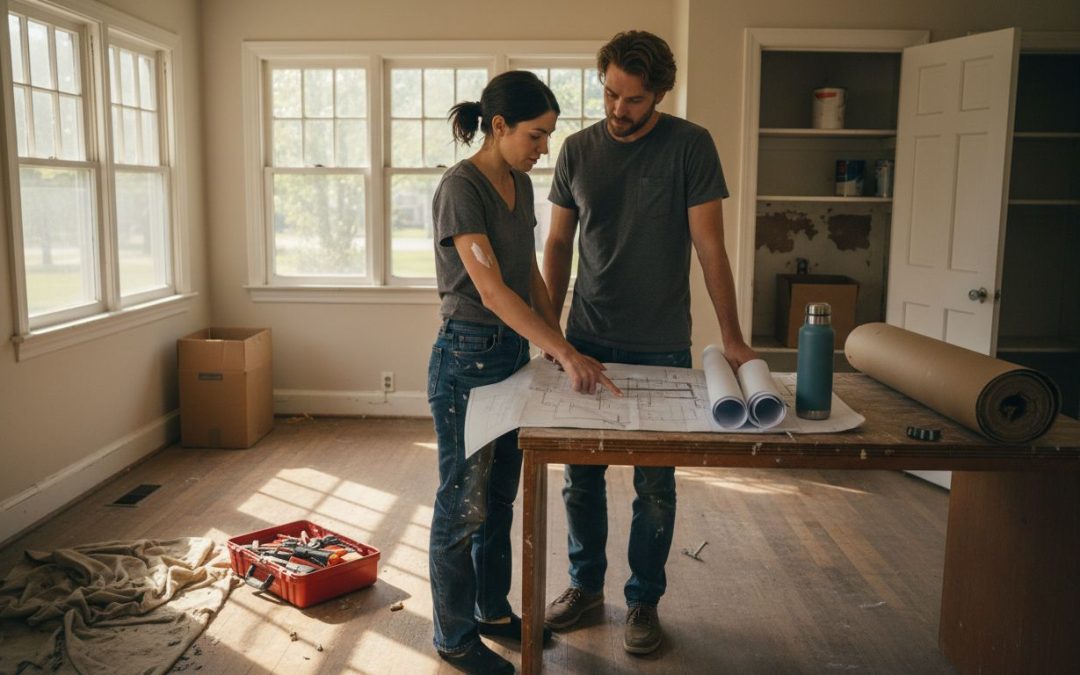
Most American homeowners are rethinking the way they approach home renovation, with over 60 percent now considering sustainability as a top priority. This shift reflects a growing awareness of how remodeling choices directly influence energy use, indoor health, and long-term living costs. Understanding what truly defines sustainable remodeling equips you to make smart, responsible decisions that benefit your home, your community, and the environment.
Table of Contents
- Defining Sustainable Remodeling In Home Renovation
- Eco-Friendly Materials And Resource Choices
- Energy Efficiency And Indoor Air Quality Upgrades
- Practical Steps For Sustainable Project Planning
- Weighing Costs, Benefits, And Common Pitfalls
Key Takeaways
| Point | Details |
|---|---|
| Sustainable Remodeling Focus | Sustainable remodeling emphasizes environmental responsibility, energy efficiency, and long-term resource conservation over traditional renovation methods. |
| Eco-Friendly Materials Importance | Selecting eco-friendly materials not only minimizes ecological impact but also improves home performance, supports sustainability, and enhances living spaces. |
| Energy Efficiency and Air Quality | Upgrading energy efficiency and indoor air quality is vital for creating healthier living environments while reducing energy consumption. |
| Holistic Project Planning | Successful sustainable remodeling hinges on meticulous planning, integrating ecological considerations with practical design for maximum long-term benefits. |
Defining Sustainable Remodeling in Home Renovation
Sustainable remodeling represents a holistic approach to home improvement that prioritizes environmental responsibility, energy efficiency, and long-term resource conservation. Unlike traditional renovation methods, sustainable remodeling focuses on minimizing ecological impact while maximizing home performance and comfort. Residential remodeling trends increasingly reflect homeowners’ growing commitment to environmentally conscious design strategies.
At its core, sustainable remodeling involves strategic choices that reduce energy consumption, utilize eco-friendly materials, and create healthier living spaces. National green building standards provide comprehensive frameworks for evaluating renovation practices that minimize environmental footprints. This approach considers multiple dimensions beyond simple aesthetic upgrades, including:
- Energy efficiency improvements
- Waste reduction during construction
- Selection of renewable or recycled materials
- Water conservation techniques
- Indoor air quality enhancements
Implementing sustainable remodeling principles requires thoughtful planning and a comprehensive understanding of how building choices impact environmental systems. Homeowners who embrace these practices not only contribute to ecological preservation but also benefit from reduced utility costs, improved home durability, and enhanced property values. The long-term economic and environmental advantages make sustainable remodeling a smart investment for forward-thinking property owners seeking to create more resilient, efficient living spaces.
Eco-Friendly Materials and Resource Choices
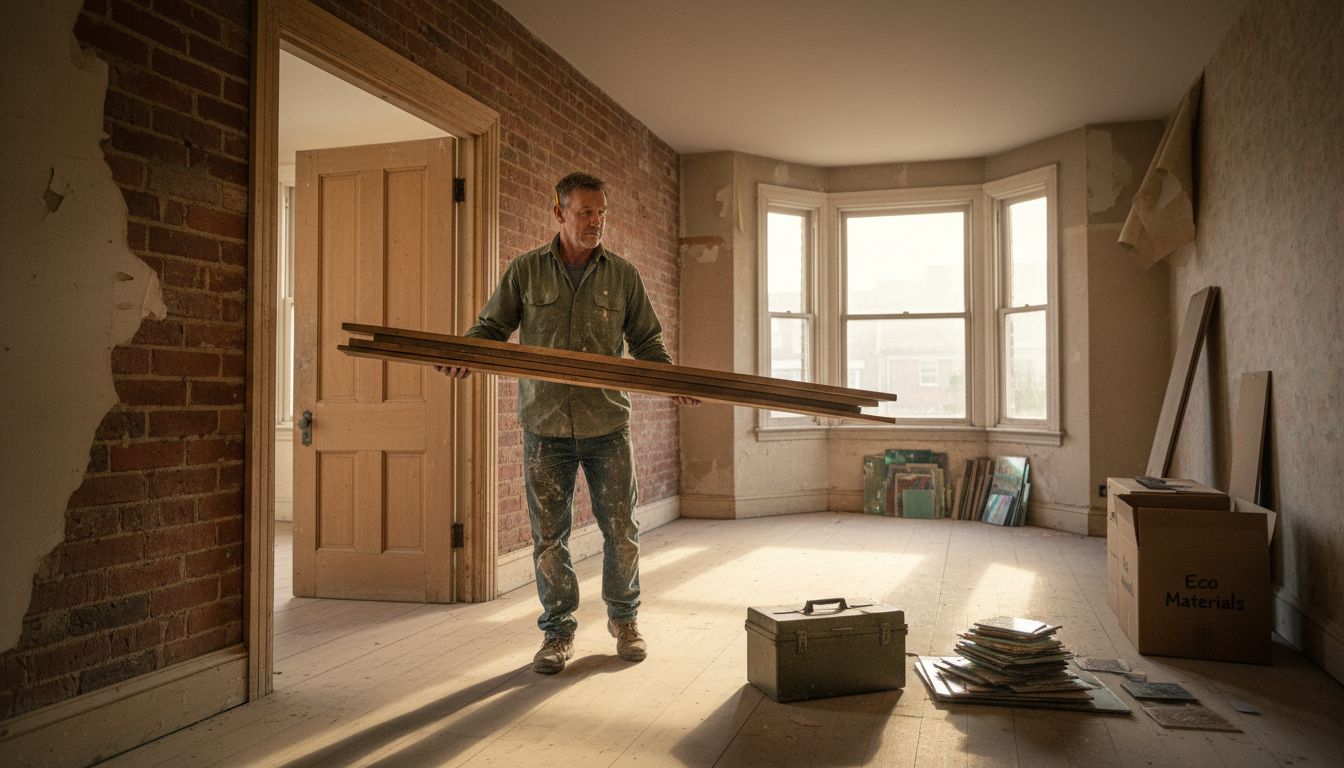
Selecting eco-friendly materials transforms home remodeling from a simple aesthetic upgrade to a strategic environmental investment. Sustainable home renovation approaches emphasize thoughtful material selection that minimizes ecological impact while delivering superior performance. These materials go beyond traditional building components, offering innovative solutions that reduce waste, conserve resources, and create healthier living environments.
Homeowners can make significant sustainability improvements by choosing materials with proven environmental credentials. Key eco-friendly options include:
- Reclaimed wood: Repurposed timber that reduces deforestation
- Recycled metal: Reduces mining impact and energy consumption
- Low-VOC paints: Minimizes indoor air pollution
- Bamboo flooring: Rapidly renewable alternative to traditional hardwoods
- Recycled glass countertops: Transforms waste into beautiful surfaces
Sustainable living strategies recommend implementing circular material choices that prioritize recyclability, durability, and minimal environmental footprint. By selecting materials with longer lifespans and lower embodied energy, homeowners can significantly reduce their renovation’s overall environmental impact. The goal extends beyond immediate aesthetic improvements to creating spaces that support long-term ecological sustainability while maintaining exceptional quality and design integrity.
Energy Efficiency and Indoor Air Quality Upgrades
Energy efficiency and indoor air quality represent critical components of sustainable home remodeling that directly impact both environmental sustainability and human health. Eco-friendly home renovation practices emphasize strategic upgrades that simultaneously reduce energy consumption and create healthier living environments. Homeowners can transform their spaces by implementing targeted improvements that minimize environmental impact while enhancing overall home performance.
Key energy efficiency and air quality upgrades include:
- Advanced insulation systems: Reduce heating and cooling losses
- High-efficiency HVAC equipment: Minimize energy consumption
- Smart ventilation technologies: Improve indoor air circulation
- Low-emission window installations: Enhance thermal regulation
- Greywater recycling systems: Reduce water and energy waste
Smart home renovation strategies highlight the importance of holistic approaches that integrate energy-saving technologies with air quality improvements. By selecting high-performance materials and implementing innovative systems, homeowners can create living spaces that are not just environmentally responsible, but also more comfortable, efficient, and cost-effective in the long term. The goal is to develop home environments that support both personal wellness and broader ecological sustainability.
Practical Steps for Sustainable Project Planning
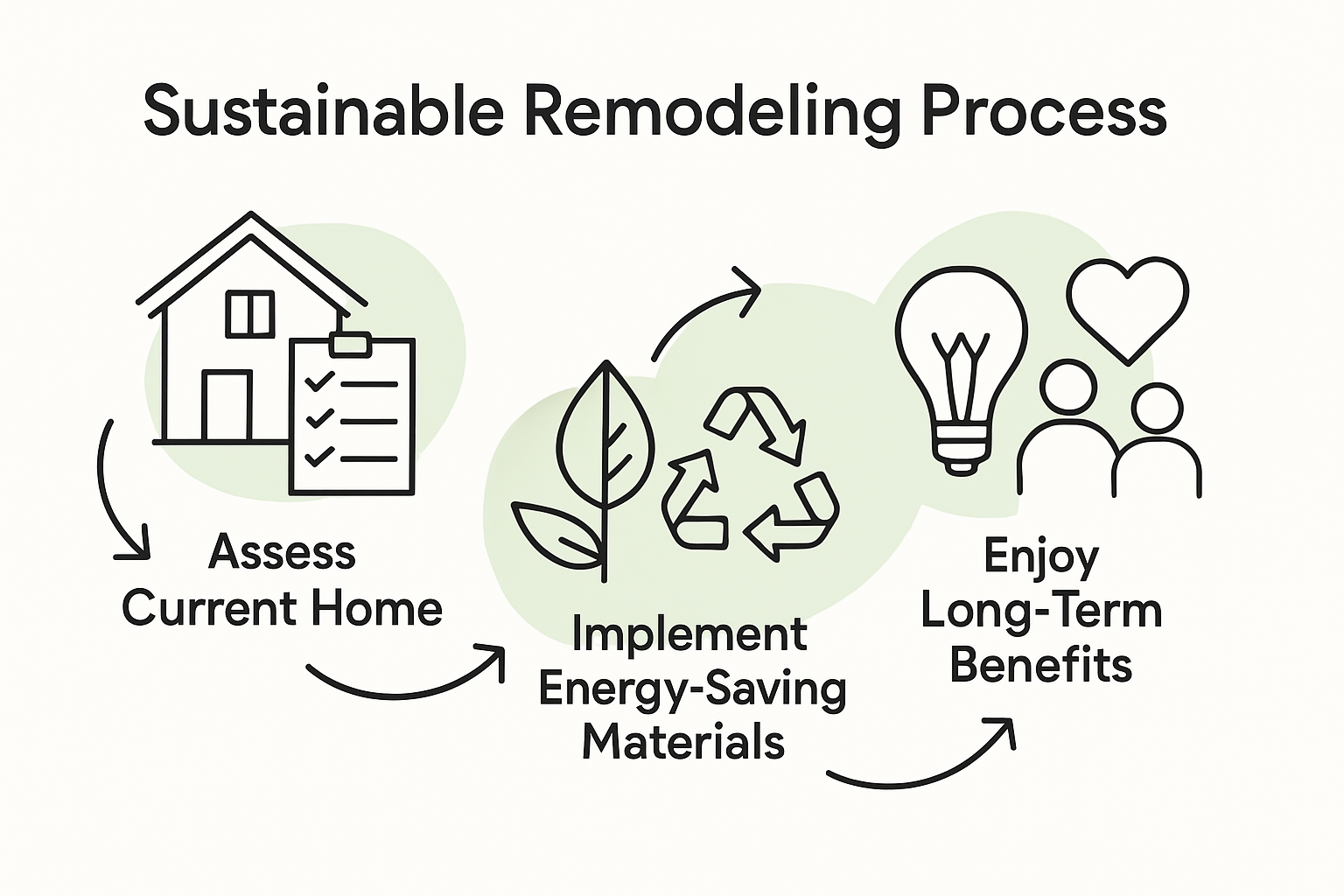
Sustainable project planning transforms home renovation from a simple aesthetic upgrade to a comprehensive environmental strategy. Eco-friendly renovation guides emphasize the importance of meticulous planning that considers environmental impact at every stage of the remodeling process. Successful sustainable renovation requires a holistic approach that integrates ecological considerations with practical design and performance objectives.
Key practical steps for sustainable project planning include:
- Initial Assessment
- Conduct a comprehensive home energy audit
- Identify current inefficiencies and potential improvements
- Evaluate existing materials for potential reuse or recycling
- Material Selection
- Choose locally sourced materials
- Prioritize recycled and renewable resources
- Select materials with low embodied energy
- Design Optimization
- Maximize natural lighting and ventilation
- Implement passive solar design principles
- Plan for future energy efficiency upgrades
Comprehensive eco-friendly home design strategies highlight the importance of viewing renovation as a holistic process. By carefully planning each aspect of the project, homeowners can create spaces that minimize environmental impact, reduce long-term energy costs, and provide superior comfort and functionality. The most successful sustainable renovations blend innovative design, strategic material selection, and forward-thinking environmental considerations.
Weighing Costs, Benefits, and Common Pitfalls
Sustainable remodeling requires careful financial and environmental analysis to ensure meaningful long-term value. Eco-friendly home renovation research reveals that while initial investment costs may be higher, strategic sustainable choices can generate substantial financial and environmental returns over time. Homeowners must approach sustainable renovations as comprehensive investments rather than simple expense calculations.
Key financial and practical considerations include:
Financial Aspects
- Higher upfront material costs
- Potential tax incentives and rebates
- Long-term energy savings
- Increased property value
Performance Considerations
- Material durability and lifespan
- Energy efficiency potential
- Maintenance requirements
- Environmental impact reduction
Common Pitfalls to Avoid
- Overlooking professional energy assessments
- Choosing trendy over sustainable solutions
- Neglecting proper installation techniques
- Underestimating long-term maintenance needs
Sustainable material selection strategies demonstrate that thoughtful decision-making can mitigate potential challenges. By understanding the nuanced balance between initial investments and long-term benefits, homeowners can create renovation plans that are both financially responsible and environmentally conscious. The most successful sustainable remodeling projects blend economic pragmatism with genuine ecological commitment.
Take Your Sustainable Remodeling Vision to the Next Level
Understanding the true value of sustainable remodeling is the first step toward creating a home that saves energy, improves indoor air quality, and respects the environment. If you are ready to transform your space with eco-friendly materials, advanced energy efficiency upgrades, and smart design strategies it is essential to partner with professionals who share your commitment to sustainability and quality. Key challenges like selecting durable low-VOC materials or integrating high-efficiency HVAC systems require expert guidance to avoid costly mistakes and maximize long-term benefits.
Discover how AstroTech Construction can bring your sustainable remodeling goals to life. We specialize in full home remodeling and targeted upgrades tailored to Dallas – Fort Worth Metroplex homeowners who want eco-conscious improvements that last. Don’t wait to reduce your utility bills and enhance your home’s value while supporting environmental responsibility. Schedule a consultation today and start building the healthier, more efficient living space you deserve.
Frequently Asked Questions
What is sustainable remodeling?
Sustainable remodeling is a home renovation approach that prioritizes environmental responsibility, energy efficiency, and resource conservation, aiming to minimize ecological impact while enhancing home performance.
Why should I consider sustainable remodeling for my home?
Sustainable remodeling not only contributes to ecological preservation but also offers long-term benefits like reduced utility costs, improved home durability, and enhanced property values, making it a smart investment.
What are some examples of eco-friendly materials used in sustainable remodeling?
Eco-friendly materials include reclaimed wood, recycled metal, low-VOC paints, bamboo flooring, and recycled glass countertops, all aimed at reducing environmental impact and creating healthier living spaces.
How can I improve energy efficiency in my home through remodeling?
You can enhance energy efficiency by updating insulation systems, installing high-efficiency HVAC equipment, using low-emission windows, and integrating smart technology to improve ventilation and minimize energy consumption.
Recommended
- Remodeling Scope Explained: Complete Project Breakdown – Astrotech Construction
- Complete Guide to Renovation vs Remodeling Differences – Astrotech Construction
- 7 Key Residential Remodeling Trends 2025 for DFW Homes – Astrotech Construction
- Complete Guide to Why Renovate Your Home – Astrotech Construction
- What Is Kitchen Remodelling? Complete Guide for Homeowners
- Understanding Eco Friendly Routines for Modern Families – The Zoofamily