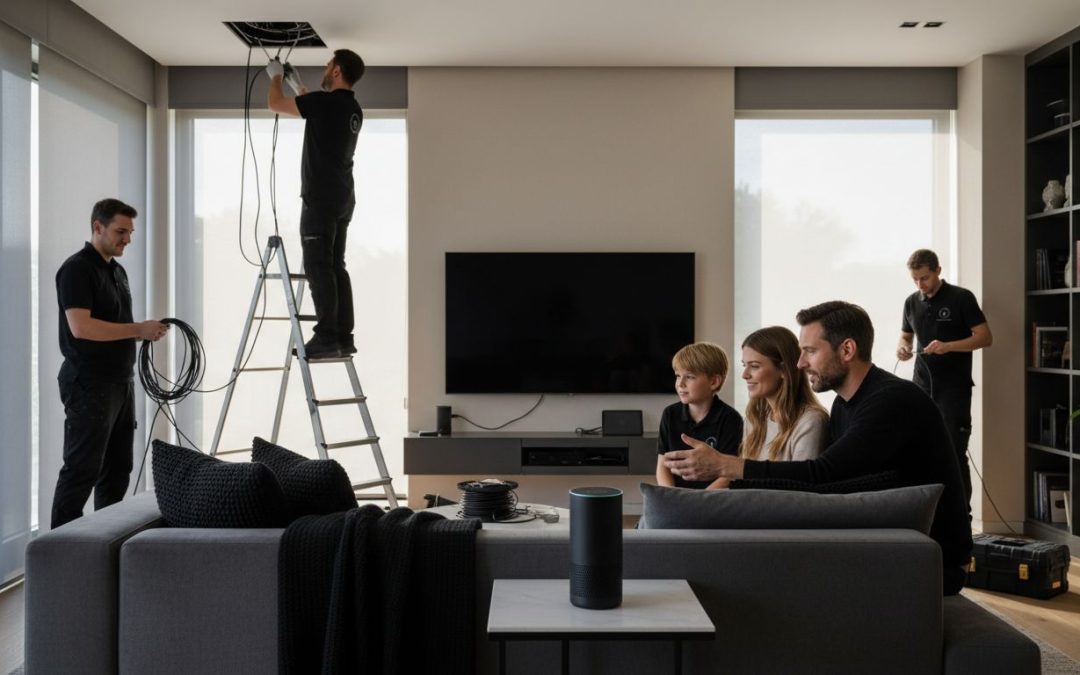
Almost half of all home renovations now include smart systems or devices, revealing a major shift in how people think about upgrading their homes. With this rapid rise in technology, more families want homes that are comfortable, secure, and energy efficient. Understanding what smart home renovation truly means can help you decide which solutions match your lifestyle and make your next remodel feel tailored and future-ready.
Table of Contents
- What Smart Home Renovation Means
- Smart Home Upgrade Categories
- Infrastructure Requirements During Renovation
- Selecting And Integrating Devices
- Legal And Safety Compliance
- Costs, Risks, And Drawbacks
Key Takeaways
| Point | Details |
|---|---|
| Smart home renovation focuses on technology integration | Home renovations now prioritize automated systems for improving efficiency, security, and comfort. |
| Infrastructure planning is crucial | Effective smart home projects require robust network and electrical upgrades for seamless device integration. |
| Selecting compatible devices enhances functionality | Prioritize devices that work well together to ensure an effective smart home ecosystem. |
| Financial and compliance considerations are essential | Be aware of the upfront costs, potential risks of system obsolescence, and legal obligations regarding data security. |
What Smart Home Renovation Means
Smart home renovation represents a strategic approach to modernizing residential spaces through advanced technological integration. According to Wikipedia, this concept involves technical systems and procedures designed to enhance living quality, security, and energy efficiency through interconnected and remotely controllable devices.
The evolution of smart home renovation goes beyond simple aesthetic upgrades. Technological integration now allows homeowners to transform traditional living spaces into intelligent, responsive environments. As research from Houzz indicates, nearly half of current renovation projects now incorporate smart systems or devices, signaling a significant shift in how we conceptualize home improvements.
Key components of smart home renovation typically include:
- Automated lighting systems that adjust based on time of day or occupancy
- Smart security technologies with remote monitoring capabilities
- Energy management devices that optimize power consumption
- Integrated climate control that learns household preferences
- Connected appliances enabling remote operation and diagnostics
For homeowners in the Dallas Fort Worth area, smart home renovation isn’t just about adding technology—it’s about creating more efficient, comfortable, and personalized living spaces. A comprehensive guide to home renovation planning can help you navigate the complex process of integrating these advanced technologies seamlessly into your home improvement project.
Smart Home Upgrade Categories
Smart home upgrades represent a strategic approach to enhancing residential functionality and efficiency through technological integration. According to TechEDT, key smart home upgrades focus on critical areas like surveillance, climate control, security, and lighting systems, each designed to improve home value and safety.
The landscape of smart home technologies continues to evolve rapidly, offering homeowners unprecedented opportunities for customization and control. Homes & Gardens highlights essential smart home categories that are transforming modern living spaces, emphasizing convenience and intelligent home management.
These smart home upgrade categories typically encompass:
-
Smart Security Systems
- Video surveillance cameras
- Remote monitoring technologies
- Smart locks and access control
-
Climate and Energy Management
- Intelligent thermostats
- Energy consumption tracking devices
- Automated heating and cooling controls
-
Lighting and Ambiance
- Voice-controlled lighting systems
- Motion-activated illumination
- Color-changing LED technologies
-
Home Entertainment and Connectivity
- Smart speakers and audio systems
- Integrated streaming devices
- Home theater automation
For homeowners in the Dallas Fort Worth area looking to explore comprehensive renovation options, our guide on remodeling services can provide additional insights into implementing these cutting-edge technological upgrades seamlessly into your home improvement project.
Infrastructure Requirements During Renovation
Successful smart home renovation demands careful planning of technological infrastructure to ensure seamless device integration and optimal performance. According to Wikipedia, implementing a smart home requires a robust network infrastructure, including both wired and wireless local area networks that enable comprehensive communication between devices and the internet.
Network Connectivity represents the critical backbone of any smart home renovation project. The complexity of modern smart home systems means homeowners must think beyond traditional electrical and structural considerations. Research from Houzz emphasizes the importance of planning for centralized control hubs and ensuring comprehensive device compatibility to achieve cohesive functionality.
Key infrastructure requirements for smart home renovations include:
-
Comprehensive Electrical Upgrades
- Dedicated circuits for high-power smart devices
- Enhanced electrical panel capacity
- Strategic outlet placement for device connectivity
-
Network Infrastructure
- High-speed internet connection
- Mesh WiFi network systems
- Robust wireless coverage throughout the home
-
Structured Cabling
- Ethernet cable installations
- Fiber optic network considerations
- Future-proofing communication pathways
-
Security and Access Infrastructure
- Centralized network security systems
- Backup power solutions
- Integrated cybersecurity protections
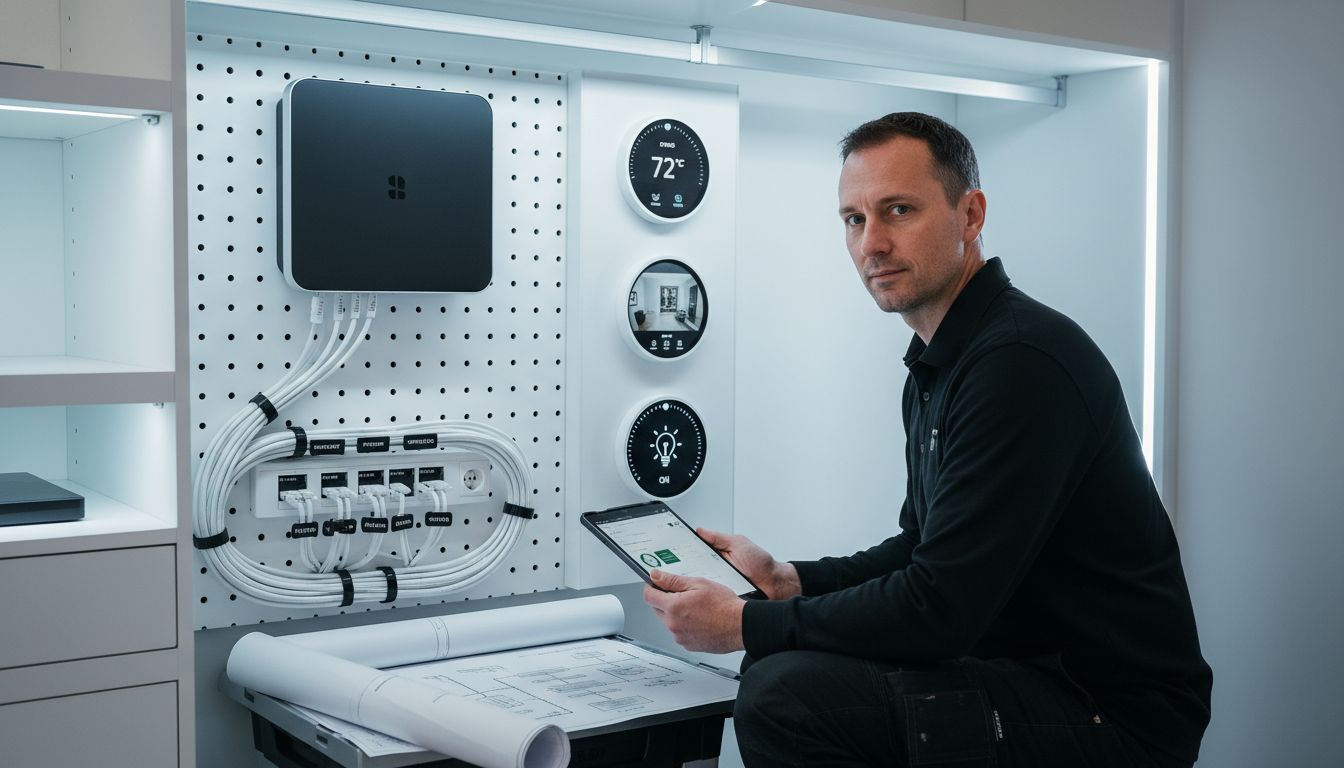
For Dallas Fort Worth homeowners looking to navigate the complexities of smart home infrastructure, our comprehensive guide to full home renovation offers detailed insights into planning and executing a successful technological transformation.
Selecting and Integrating Devices
Selecting the right smart home devices is a nuanced process that requires careful consideration of your specific household needs and technological ecosystem. According to TechEDT, choosing smart devices involves critically assessing compatibility with existing systems, evaluating ease of use, and understanding the unique requirements of your household to ensure effective integration and operation.
Device Compatibility stands as the cornerstone of a successful smart home renovation strategy. Homes & Gardens emphasizes the importance of considering factors like interoperability, user interface simplicity, and potential for future upgrades to maintain a functional and adaptable smart home environment. This means looking beyond individual device capabilities and focusing on how different technologies will communicate and work together seamlessly.
Key strategies for selecting and integrating smart home devices include:
-
Ecosystem Compatibility
- Choose devices within the same technological ecosystem
- Ensure cross-platform communication capabilities
- Verify integration with existing smart home platforms
-
Functionality Assessment
- Identify specific household needs
- Prioritize devices with clear, practical applications
- Consider long-term utility and scalability
-
User Experience Considerations
- Evaluate intuitive interface design
- Check mobile app responsiveness
- Assess voice command and control features
-
Security and Privacy
- Review data protection mechanisms
- Check manufacturer security update policies
- Understand device data collection practices
For Dallas Fort Worth homeowners seeking a comprehensive approach to smart home integration, our guide to full home renovation provides invaluable insights into navigating the complex landscape of smart home technology selection and implementation.
Legal And Safety Compliance
Smart home renovations involve complex legal and safety considerations that extend far beyond traditional home improvement projects. According to Wikipedia, implementing smart home technologies requires strict adherence to data protection regulations and ensuring robust device security to prevent unauthorized access and protect user privacy.
Data Privacy emerges as a critical concern in the realm of smart home technologies. Research from Houzz emphasizes that homeowners must be proactively aware of legal requirements surrounding data privacy and ensure their smart system installations comply with safety standards to mitigate potential risks and legal vulnerabilities.
Key legal and safety compliance considerations include:
-
Data Protection Protocols
- Implement robust data encryption
- Limit personal information collection
- Create clear data usage policies
-
Device Security Measures
- Regular firmware and software updates
- Strong authentication mechanisms
- Network segmentation for smart devices
-
Regulatory Compliance
- Understand local and federal privacy regulations
- Ensure GDPR and CCPA compliance
- Document consent and data handling procedures
-
Physical Safety Standards
- Meet electrical installation codes
- Ensure device radiation safety
- Implement child and pet safety features
For Dallas Fort Worth homeowners navigating these complex requirements, our comprehensive guide to full home renovation provides essential insights into maintaining legal and safety standards throughout your smart home transformation.
Costs, Risks, And Drawbacks
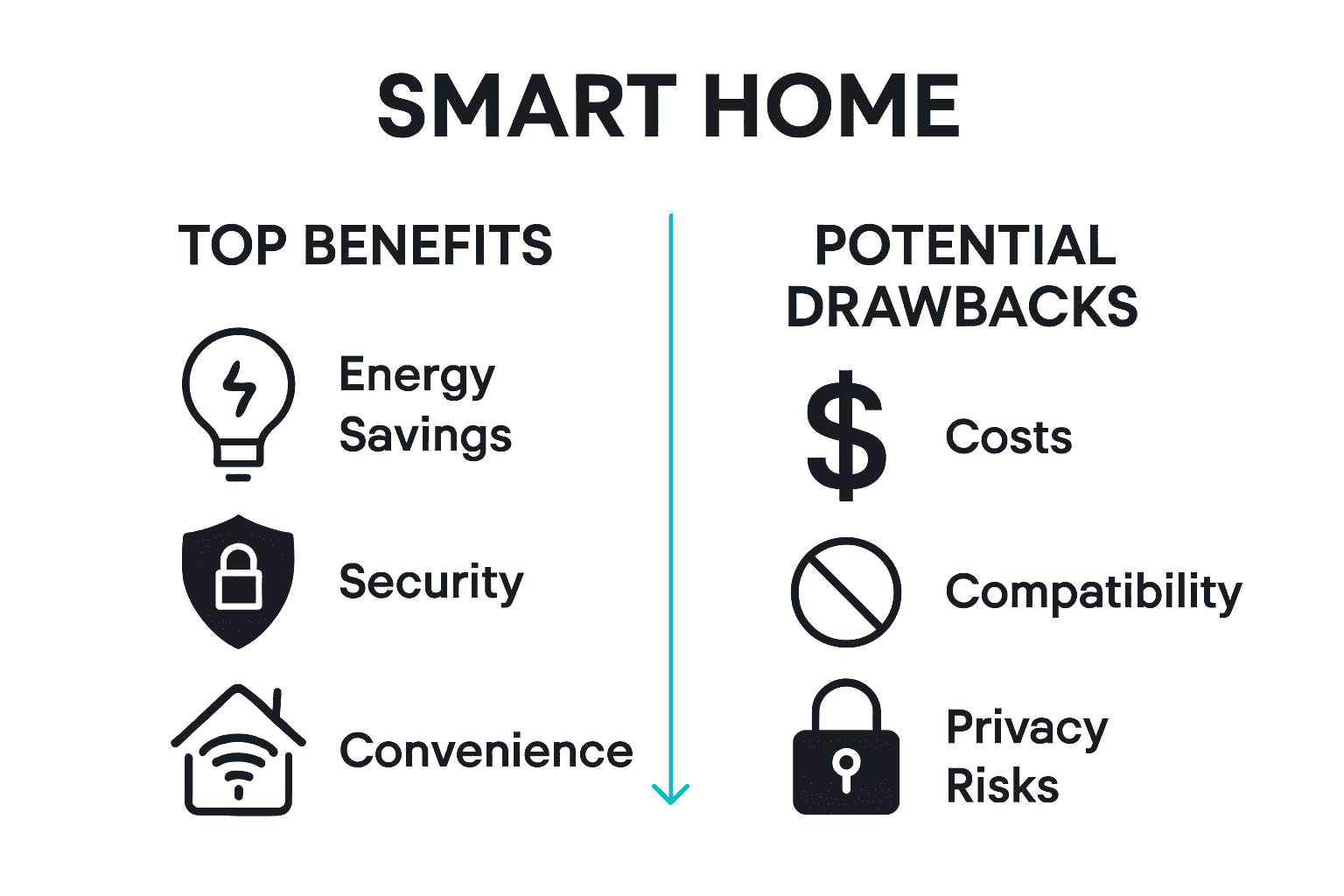
Smart home renovations represent a significant technological investment that requires careful financial and strategic planning. According to TechEDT, while these upgrades can enhance property value and safety, they simultaneously involve substantial initial costs and potential compatibility challenges between devices from different manufacturers.
Financial Considerations play a crucial role in smart home technology implementation. Research from Homes & Gardens highlights the importance of understanding potential drawbacks, including system vulnerabilities, the ongoing need for regular updates, and the realistic possibility of technological obsolescence as innovation rapidly advances.
Key costs, risks, and potential drawbacks include:
-
Financial Investments
- High upfront equipment costs
- Ongoing maintenance expenses
- Potential need for periodic system upgrades
-
Technical Risks
- Device compatibility limitations
- Potential security vulnerabilities
- Complex integration challenges
-
Performance Uncertainties
- Potential system reliability issues
- Learning curve for new technologies
- Dependency on stable internet connections
-
Long-Term Considerations
- Rapid technological obsolescence
- Potential decreased functionality over time
- Increasing complexity of system management
For Dallas Fort Worth homeowners seeking to understand the financial implications of smart home renovations, our guide to home renovation budgeting provides essential insights into managing these potential challenges and making informed investment decisions.
Transform Your Dallas Fort Worth Home with Expert Smart Renovation Solutions
Embracing smart home renovation means facing the challenge of integrating advanced technology that improves comfort, security, and efficiency. If you are overwhelmed by navigating device compatibility, network infrastructure, or legal compliance, you are not alone. Many homeowners struggle with selecting the right smart devices and ensuring their home renovation meets modern standards without sacrificing style or functionality.
At Astrotech Construction, we specialize in full home remodeling projects tailored to seamlessly incorporate smart technologies. We understand how vital it is to create a future-proof, personalized living space that harnesses automation and connectivity perfectly suited for your lifestyle. Let us help you overcome the technical and planning complexities so your smart home upgrade becomes a smooth and rewarding experience.
Ready to start your smart home transformation with trusted experts? Explore our full home renovation guide to grasp how we integrate technology with craftsmanship. Discover practical remodeling options in our remodeling services overview and schedule a consultation today at Astrotech Construction. Take the first step toward a smarter, safer, and more efficient home now.
Frequently Asked Questions
What is smart home renovation?
Smart home renovation involves modernizing homes by integrating advanced technologies that enhance living quality, security, and energy efficiency through interconnected devices.
What are the key components of a smart home renovation?
Key components include automated lighting systems, smart security technologies, energy management devices, integrated climate control systems, and connected appliances for remote operation.
How do I choose the right smart home devices for my renovation?
When selecting smart home devices, consider their compatibility with existing systems, evaluate user experience, assess functionality based on household needs, and ensure strong security measures are in place.
What are the costs and risks associated with smart home renovations?
Costs can include high initial equipment investments and maintenance expenses. Risks may involve device compatibility issues, security vulnerabilities, and the need for regular updates as technology evolves.
Recommended
- Complete Guide to Why Renovate Your Home – Astrotech Construction
- Role of Design in Renovations: Complete Guide – Astrotech Construction
- Complete Guide to Full Home Renovation Process – Astrotech Construction
- Commercial Renovation Explained: Essential Guide for 2025 – Astrotech Construction
- Automated Shades | Atlanta Home Theater