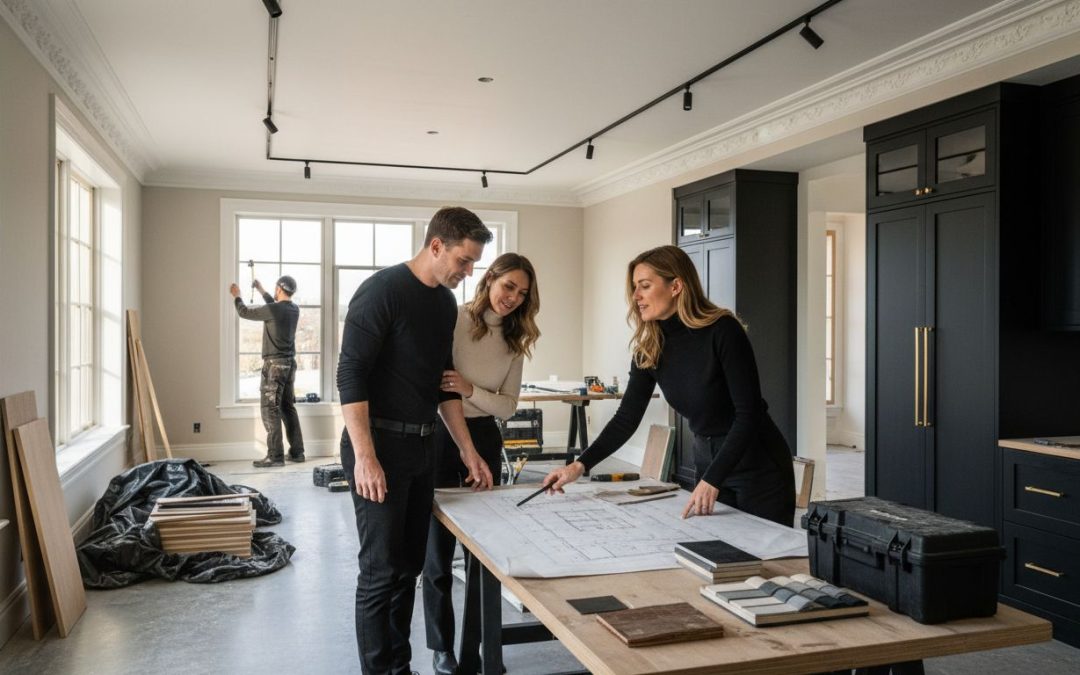
Did you know that up to 70 percent of homeowners regret at least one design choice in their renovation? Making the right design decisions goes well beyond selecting colors or styles. Good renovation design brings together form and function, shaping spaces that feel just right for everyday living. With smart planning and an understanding of design’s impact, you can not only enhance comfort but also seriously increase your home’s value.
Table of Contents
- Defining The Role of Design in Renovations
- Types of Renovation Designs Explained
- Design Process from Concept to Completion
- How Design Impacts Costs and Value
- Common Design Mistakes to Avoid
Key Takeaways
| Point | Details |
|---|---|
| Role of Design | Design serves as a strategic blueprint, guiding renovation projects through comprehensive planning that enhances both function and aesthetics. |
| Types of Designs | Homeowners should explore various renovation styles to find designs that align with their personal preferences and practical needs. |
| Financial Impact | Renovation design not only enhances aesthetic appeal but is also a strategic investment that can increase property value and reduce operational costs. |
| Common Mistakes | It’s crucial to avoid design pitfalls by prioritizing functionality, adhering to budgets, and engaging stakeholders throughout the design process. |
Defining The Role of Design in Renovations
Design is the strategic blueprint that transforms renovation projects from mere structural changes into meaningful living spaces. Design rationale goes far beyond aesthetic choices, serving as a comprehensive framework that documents critical decision-making processes throughout home improvement projects. According to Wikipedia, design rationale involves meticulously documenting the reasons behind design decisions, which aids in verification, evaluation, maintenance, and communication.
At its core, renovation design integrates multiple complex considerations. Evidence-based design represents a scientific approach that applies research to inform renovation decisions, focusing on achieving optimal outcomes by carefully considering factors like environmental impact, functional efficiency, and occupant well-being. This methodology ensures that design choices aren’t just visually appealing but scientifically validated to enhance living experiences.
Effective design in renovations requires a multidimensional approach that balances three key elements:
- Aesthetic Considerations: Visual harmony and personal style
- Functional Requirements: Practical space utilization and workflow optimization
- Technical Specifications: Structural integrity and long-term performance
By understanding design’s pivotal role, homeowners can transform renovation projects from simple repairs into strategic investments that dramatically improve living quality. Whether you’re planning a kitchen remodel or a complete home transformation, comprehensive remodeling planning becomes the foundation for successful home improvement.
Types of Renovation Designs Explained
Renovation designs represent a dynamic landscape of aesthetic and functional possibilities, offering homeowners multiple approaches to transforming their living spaces. According to Spotlight Home and Lifestyle, renovation designs span a wide spectrum of styles, including Traditional, Modern, Contemporary, Country Farmhouse, Cottage, Mid-Century Modern, Victorian, Colonial, Craftsman, and Industrial – each presenting unique characteristics and design philosophies.
Architectural styles play a pivotal role in defining the overall ambiance and functionality of renovation projects. Qanvast highlights that common renovation styles like Industrial, Modern, Scandinavian, Traditional, and Transitional offer distinct design elements tailored to different preferences and lifestyle needs. Understanding these styles helps homeowners make informed decisions that align with their personal aesthetic and practical requirements.
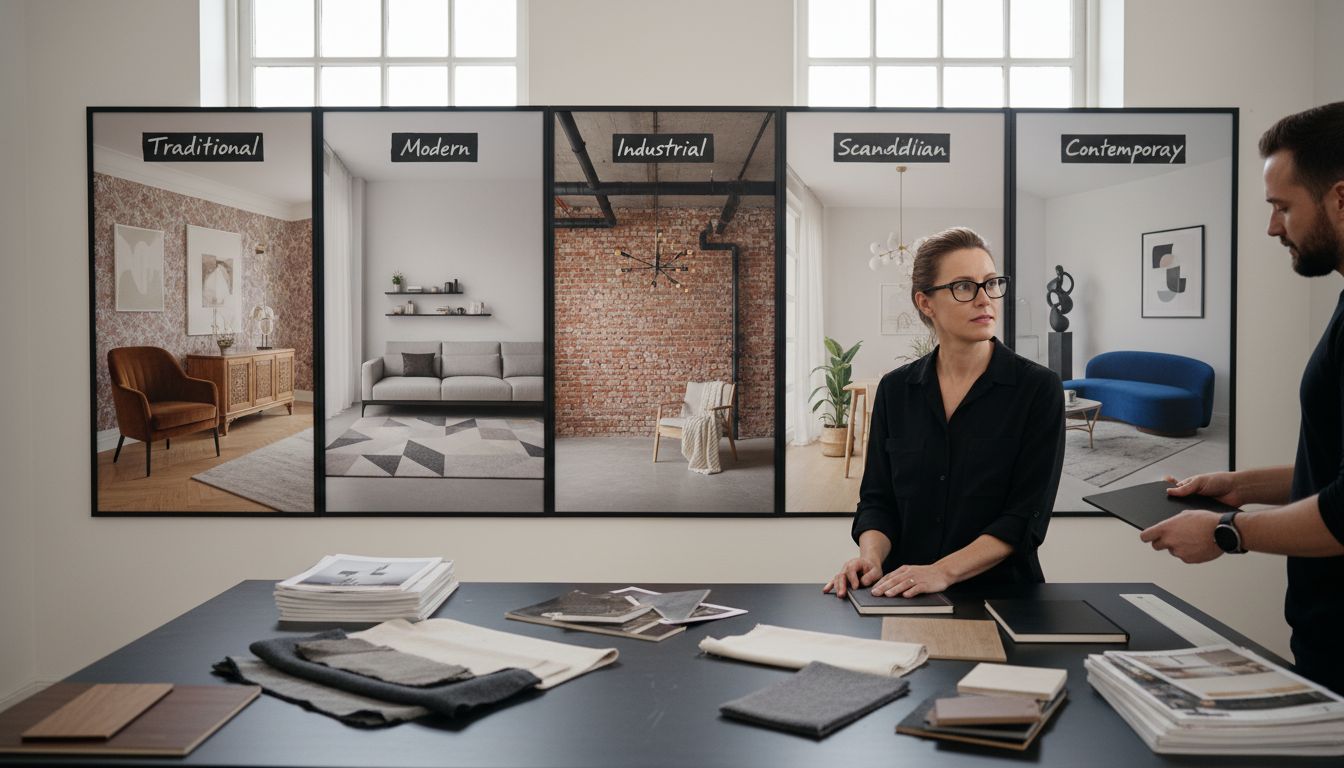
Each renovation design style brings its own set of distinctive features:
Here’s a comparison of popular renovation design styles and their core features:
| Style | Visual Characteristics | Functional Focus |
|---|---|---|
| Traditional | Classic symmetry Decorative details |
Formal layouts Timeless appeal |
| Modern | Clean lines Minimal ornamentation |
Open spaces Efficiency |
| Industrial | Exposed materials Urban feel |
Flexible layouts Durability |
| Scandinavian | Light colors Natural textures |
Space maximization Comfort |
| Contemporary | Trend-driven Fluid design |
Adaptability Innovative layouts |
- Traditional: Classic, timeless designs with elegant and symmetrical elements
- Modern: Clean lines, minimalist approach, and emphasis on functionality
- Industrial: Raw, urban aesthetic featuring exposed materials and structural elements
- Scandinavian: Bright, minimalist spaces with neutral color palettes and natural textures
- Contemporary: Fluid design that reflects current trends and innovative architectural concepts
For those planning a comprehensive home transformation, full home renovation guide can provide additional insights into selecting the perfect design style that resonates with your vision and lifestyle.
Design Process from Concept to Completion
The renovation design process is a meticulously structured journey that transforms initial ideas into tangible living spaces. Modern design approaches have revolutionized how professionals conceptualize and execute renovation projects. According to arXiv, architectural design now integrates advanced technologies like AI across various stages, enhancing creativity and efficiency while addressing the complex challenge of capturing multisensory and experiential dimensions of space.
Technology-driven design has dramatically transformed traditional renovation workflows. arXiv highlights the powerful integration of Building Information Modeling (BIM) with Augmented Reality (AR) and Virtual Reality (VR), which now supports comprehensive visualization and interaction throughout the design process. This technological approach significantly improves design, construction, and operational phases, allowing for more precise and immersive planning.
The typical design process unfolds through several critical stages:
- Initial Consultation and Needs Assessment
- Conceptual Sketching and Preliminary Design
- Detailed Design Development
- Technical Drawings and 3D Modeling
- Material and Finish Selection
- Final Presentation and Client Approval
- Construction Documentation
For homeowners seeking a comprehensive approach to their renovation journey, full home renovation guide offers deeper insights into navigating each stage of the design process with confidence and clarity.
How Design Impacts Costs and Value
Renovation design is far more than a visual transformation – it’s a strategic investment that directly influences a property’s financial trajectory. Wikipedia reveals that sustainable refurbishment can significantly enhance a building’s environmental performance, potentially reducing operational costs while simultaneously increasing property value through improved energy efficiency and occupant comfort.
Design optimization plays a crucial role in balancing aesthetic appeal with financial practicality. According to Wikipedia, architectural design optimization employs sophisticated methods to solve complex design challenges, focusing on creating optimal floorplan layouts and sustainability strategies that maximize both functional performance and economic value. This approach transforms renovations from simple aesthetic upgrades into calculated investments that generate long-term financial returns.
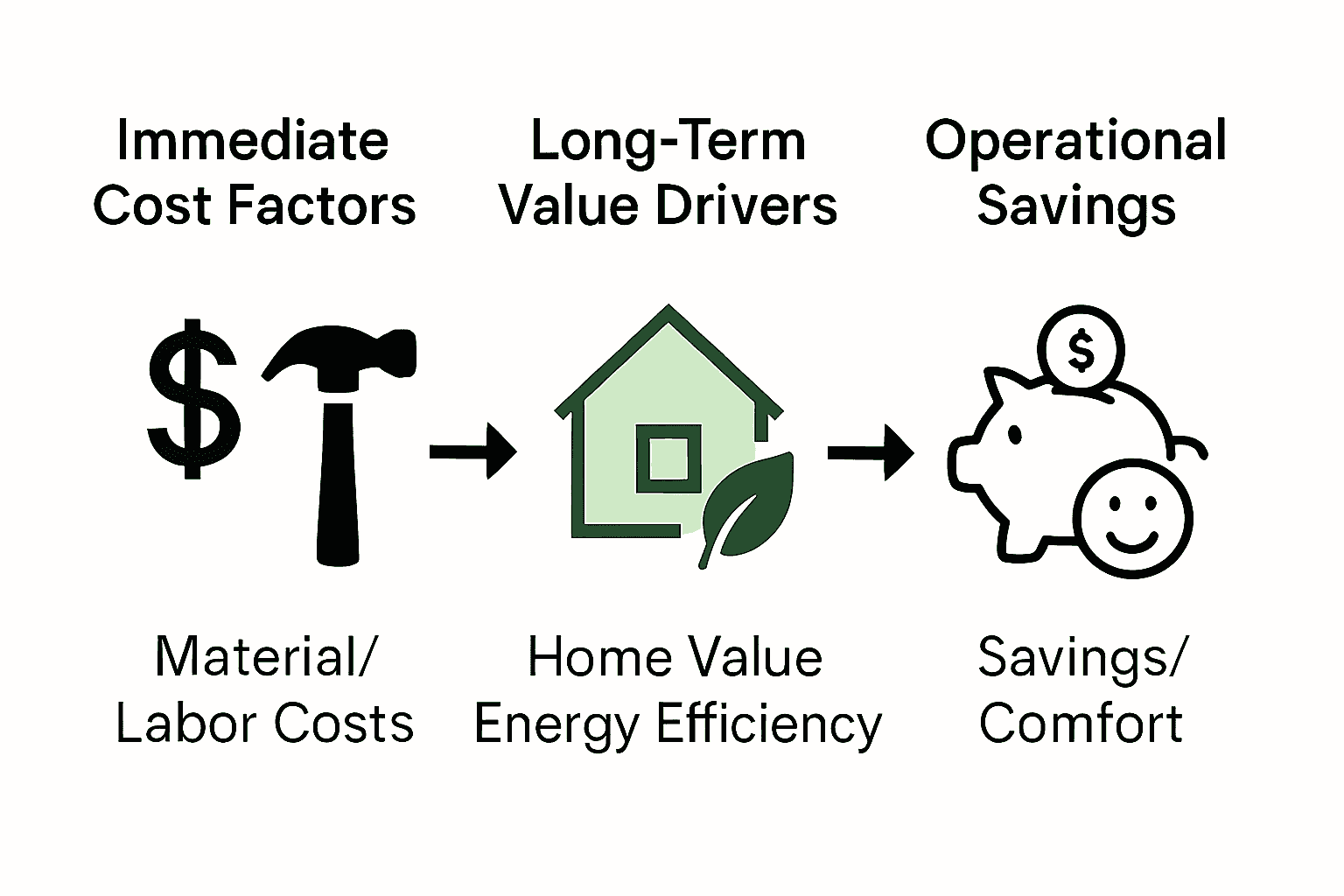
Key financial considerations in renovation design include:
- Immediate Cost Factors: Materials, labor, and design complexity
- Long-Term Value Drivers: Energy efficiency, functional improvements, aesthetic appeal
- Return on Investment (ROI): Potential increase in property market value
- Operational Savings: Reduced maintenance and utility expenses
- Lifestyle Enhancement: Improved living quality and functionality
Homeowners looking to understand the intricate relationship between design choices and financial outcomes can find comprehensive guidance in our full home renovation guide, which provides detailed insights into maximizing renovation investments.
Common Design Mistakes to Avoid
Renovation design is a complex process fraught with potential pitfalls that can derail even the most well-intentioned projects. arXiv emphasizes the critical importance of participatory design, which involves stakeholders throughout the design process to prevent common mistakes and ensure the final design truly meets user needs and expectations. This collaborative approach helps homeowners avoid costly errors that can compromise both the aesthetic and functional aspects of their renovation.
Technological advances now offer sophisticated solutions for identifying design flaws early in the process. According to arXiv, computer vision-based analysis has emerged as a powerful tool in building design, enabling professionals to detect and rectify potential issues before they become expensive problems. This technological approach provides an additional layer of precision and error prevention that traditional design methods cannot match.
The most common design mistakes to watch out for include:
- Ignoring Functional Flow: Prioritizing aesthetics over practical living requirements
- Improper Space Planning: Failing to consider traffic patterns and room functionality
- Budget Misalignment: Underestimating costs or over-investing in non-essential elements
- Overlooking Lighting Design: Neglecting natural and artificial lighting considerations
- Disregarding Future Needs: Designing without considering long-term lifestyle changes
For homeowners seeking to navigate the complexities of renovation design with confidence, our full home renovation guide offers comprehensive insights into avoiding common pitfalls and creating truly successful renovation projects.
Elevate Your Renovation with Thoughtful Design and Expert Execution
Understanding the crucial role of design in renovations means recognizing how strategic planning transforms simple repairs into lasting value. If you face challenges like balancing aesthetics with functional flow or avoiding common design mistakes, you are not alone. Design rationale and evidence-based design principles can guide you toward a renovation that improves your home’s comfort, efficiency, and value.
At AstroTech Construction, we specialize in turning your renovation vision into reality with precision and care. Whether you need a full home remodel, kitchen or bathroom upgrades, or more specialized services like roof replacement and storm damage repair, our team is equipped to handle every step with expert attention to design and quality. Don’t let design uncertainties delay your project or inflate your costs.
Transform your home with confidence starting today.
Ready to create a space that balances style, function, and lasting value? Visit AstroTech Construction for a complete look at how our remodeling services can enhance your living or working environment. Explore our full home renovation guide to understand the process, then schedule your consultation to get started on your custom renovation plan.
Frequently Asked Questions
What is the importance of design rationale in renovations?
Design rationale is crucial in renovations as it documents the reasoning behind design decisions, aiding in verification, evaluation, maintenance, and communication throughout the home improvement project.
How does evidence-based design contribute to renovation projects?
Evidence-based design applies research to inform renovation decisions, focusing on factors like environmental impact and occupant well-being, ensuring that design choices are scientifically validated for optimal outcomes.
What are the most common renovation design styles?
Common renovation design styles include Traditional, Modern, Industrial, Scandinavian, and Contemporary, each with unique visual characteristics and functional focuses that cater to different aesthetic preferences and practical needs.
What are the benefits of using technology in the renovation design process?
Technology enhances the renovation design process through tools like Building Information Modeling (BIM), Augmented Reality (AR), and Virtual Reality (VR), which improve visualization, interaction, and efficiency during all stages of design and execution.