

Nearly 80 percent of homeowners experience regret after a major remodel, often due to poor planning or unforeseen expenses. Deciding to renovate your home can feel exciting but also overwhelming. A thoughtful approach helps you avoid common pitfalls, save money, and achieve results you love. Whether dreaming of a fresh kitchen or necessary repairs, each step you take sets the tone for a smoother project and lasting satisfaction.
Table of Contents
- Step 1: Define Remodeling Goals And Priorities
- Step 2: Set A Realistic Renovation Budget
- Step 3: Choose Reliable Contractors In Your Area
- Step 4: Develop A Detailed Project Timeline
- Step 5: Review Progress And Ensure Quality
Quick Summary
| Key Point | Explanation |
|---|---|
| 1. Define clear remodeling goals | Conduct a thorough home assessment to separate ‘wants’ from ‘needs’ for effective prioritization. |
| 2. Set a realistic renovation budget | Understand your financial limits and allocate funds strategically, reserving a portion for unexpected costs. |
| 3. Choose reliable contractors | Obtain multiple quotes, verify credentials, and prioritize communication and transparency throughout the hiring process. |
| 4. Develop a detailed project timeline | Create a structured timeline in collaboration with your contractor, incorporating buffers for unforeseen delays. |
| 5. Review progress and ensure quality | Actively monitor the renovation process through regular check-ins and documentation to maintain quality standards. |
|
Step 1: Define remodeling goals and priorities
Defining clear remodeling goals transforms a potential home renovation nightmare into a strategic, focused project. This critical first step helps you allocate resources wisely and ensure your remodeling efforts truly address your home’s most pressing needs.
Start by conducting a thorough home assessment. Walk through each room and identify areas requiring immediate attention versus spaces you simply want to upgrade. According to research from Global Credit Union, draft your initial wish list and then prioritize tasks by separating ‘want’ versus ‘need’ categories. Essential repairs should always top your priority list.
Here’s a summary of how to assess and prioritize your remodeling goals:
| Assessment Step | Example Action | Outcome |
|---|---|---|
| Conduct Home Walkthrough | Inspect each room | Identify repairs/upgrades |
| List Wants vs. Needs | Separate wish list items | Focus on essentials first |
| Make Goals Specific | “Replace countertops” “Add LED lighting” |
Clear contractor guidance |
| Evaluate ROI | Compare kitchen vs. paint upgrades | Maximize future home value |
Break down your goals into specific, measurable objectives. Instead of vague statements like ‘update kitchen,’ specify exact improvements such as ‘replace outdated countertops with quartz’ or ‘install energy efficient appliances.’ This precision helps contractors understand your vision and prevents scope creep during the project.
Pro Tip: Consider both functional improvements and aesthetic upgrades. Sometimes solving a practical problem can dramatically enhance your living experience.
When establishing priorities, evaluate potential impact and return on investment. Some renovations offer more long term value than others. Kitchen and bathroom remodels typically provide higher resale value compared to purely cosmetic changes. Check out our guide on types of remodeling services to understand which improvements might best serve your specific goals.
Remember that realistic goal setting prevents frustration and unexpected expenses. Be prepared to compromise and understand that not every desired improvement will fit within your current budget or timeline. The next step will involve translating these prioritized goals into a comprehensive project plan.
Step 2: Set a realistic renovation budget
Setting a realistic renovation budget prevents financial stress and ensures your home improvement dreams remain achievable. This critical step transforms your remodeling vision from a wishful concept into a practical plan you can actually execute.
Start by understanding your total available funds. Take a comprehensive look at your savings, potential financing options like home equity loans, and how much cash you can comfortably allocate without straining your financial health. Be honest about what you can truly afford rather than stretching beyond your means.
Break down your budget into clear categories. Allocate percentages for different aspects of your project such as materials labor unexpected expenses and design elements. A good rule of thumb is to reserve 10 to 20 percent of your total budget for unexpected costs or potential project complications.
Pro Tip: Always plan for contingencies. Renovations frequently uncover hidden issues that can increase overall project costs.
Research typical costs for your specific renovation type. Kitchen remodels typically range between 10 to 25 percent of your home’s total value while bathroom updates might consume 5 to 10 percent. Check out our guide on estimating remodeling costs to get more precise financial planning insights.
Consider getting multiple contractor quotes to validate your budget expectations. Professional estimates can help you understand realistic pricing and potentially identify areas where you might save money without compromising quality. Remember that the lowest quote is not always the best choice prioritize value and reputation over pure cost savings.
Your carefully crafted budget sets the foundation for a successful renovation.
In the next step we will explore how to select the right professionals who can bring your vision to life within these financial parameters.
Step 3: Choose reliable contractors in your area
Selecting the right contractor can make or break your home renovation project. This crucial step determines whether your remodeling dreams become a reality or turn into a costly nightmare.
According to research from Consumer Reports, your first task is obtaining multiple quotes to ensure fair pricing and understand detailed cost breakdowns. Start by asking friends local home improvement stores and online platforms for recommendations. Look for contractors with strong local reputations and proven track records in your specific type of renovation.
Validate each contractor’s professional credentials thoroughly. Verify their licensing insurance and professional certifications. Ask to see proof of general liability insurance and workers compensation coverage. A reputable contractor will gladly share these documents without hesitation.
Pro Tip: Always request and contact references from previous clients especially those with projects similar to your planned renovation.
During initial consultations pay close attention to communication style and professionalism. Do they respond promptly? Are they clear about project timelines and potential challenges? Check out our guide on hiring a renovation contractor for more detailed screening strategies.
As recommended by professional remodeling experts obtain detailed written estimates from at least three contractors. Compare not just total costs but also proposed materials timelines and specific work scopes. The lowest bid is not always the best choice. Prioritize contractors who demonstrate expertise thoroughness and transparency.
Your careful contractor selection sets the stage for a successful renovation. In the next step we will explore how to develop a comprehensive project timeline that keeps your remodel on track and minimizes potential disruptions.
Step 4: Develop a detailed project timeline
A meticulously crafted project timeline transforms your renovation from a potential chaos into a structured journey. This crucial blueprint will guide every phase of your home improvement adventure ensuring smooth progression and minimal unexpected disruptions.
According to research from Rebuilding Together, clearly outlining project design roles and timeline before implementation helps determine specific activities and funding needs. Begin by working closely with your chosen contractor to create a comprehensive schedule that breaks down the entire renovation into logical sequential phases.
Start with a realistic assessment of project duration. Complex renovations like kitchen or bathroom remodels typically require 6 to 12 weeks depending on scope and complexity. Factor in potential delays for material procurement specialized work and unexpected structural challenges that might emerge during demolition.
Pro Tip: Always build a 15 to 20 percent buffer into your timeline to accommodate unforeseen complications.
As Consumer Reports recommends anticipate common problem areas and plan accordingly. Address potential structural issues early to prevent significant timeline disruptions. Request your contractor provide a week by week breakdown of expected activities including specific milestones and potential risk points.
Check out our guide on estimating remodeling costs to help align your financial planning with the proposed project timeline. Coordinate closely with your contractor about material delivery dates permit acquisition and inspection schedules.
Remember that flexibility is key. While a detailed timeline provides structure unexpected challenges can always arise. Maintain open communication with your contractor and be prepared to make adjustments without losing sight of your ultimate renovation goals. The next step involves preparing your living space for the imminent transformation.
Step 5: Review progress and ensure quality
Ensuring quality throughout your renovation is the final critical step that transforms your project from good to exceptional. This stage requires active engagement attentive monitoring and proactive communication with your renovation team.
According to research from Consumer Reports regularly inspect the work to confirm it meets your predetermined standards. Schedule weekly walkthrough meetings with your contractor to review progress track milestones and address any emerging concerns immediately. These consistent check ins prevent small issues from becoming expensive problems later in the project.
Documentation becomes your best friend during this phase. Photograph each stage of the renovation creating a visual record of progress and potential concerns. Take detailed notes during walkthrough meetings and request written updates that outline completed work upcoming tasks and any potential challenges.
Pro Tip: Create a dedicated project folder both digital and physical to store all documentation including contracts receipts communication records and progress photographs.
As recommended by financial experts maintain a comprehensive paper trail for all project expenses. Check out our guide on estimating remodeling costs to help you track spending and ensure financial accountability. Keep all receipts organized and request detailed invoices for every stage of work.
Remember that quality assurance is a collaborative process. Communicate clearly but professionally with your contractor about any discrepancies between expected and actual work. Your goal is not criticism but achieving the highest possible standard for your renovation.
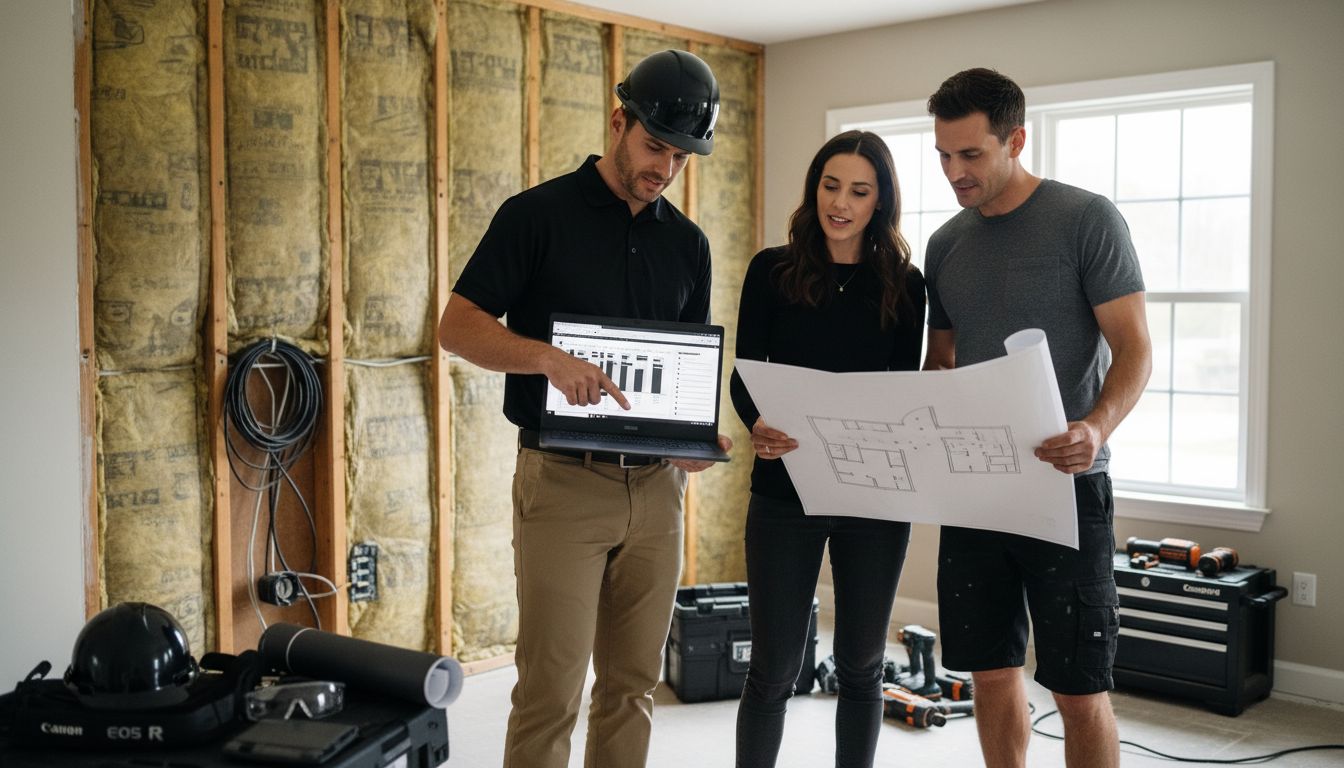 Be specific constructive and solution oriented in your feedback.
With meticulous review and proactive communication you are now positioned to successfully complete your home transformation and enjoy the stunning results of your carefully planned renovation.
Take Control of Your Home Remodel with Expert Guidance
Planning a home remodel can feel overwhelming as you try to define your goals, set a realistic budget, and find the right professionals to bring your vision to life. Common challenges like prioritizing essential repairs, sticking to a budget with unexpected costs, and ensuring high quality work can cause stress and uncertainty. If you want to avoid these pitfalls and experience a smooth renovation process, you need a trusted partner with local expertise and proven experience.

Start your stress-free remodel today by partnering with Astro Tech Construction. Our team specializes in full home remodeling, kitchen and bathroom upgrades, and all critical home improvements designed to align with your specific goals and budget. Visit our landing page to explore how we combine quality assurance with personalized service for results you will love. Don’t wait until small issues turn into costly delays—contact us now and turn your remodeling plans into a beautiful reality.
Frequently Asked Questions
How do I define clear remodeling goals for my home?
To define clear remodeling goals, start by conducting a thorough assessment of your home. Walk through each room, list desired upgrades, and prioritize them into ‘wants’ and ‘needs’ categories to focus on the essentials first.
What should I consider when setting a renovation budget?
When setting a renovation budget, evaluate your total available funds and allocate them into categories like materials, labor, and unexpected expenses. Reserve about 10-20% of your budget for contingencies to handle unforeseen costs during the project.
How can I choose the right contractor for my home remodel?
To choose the right contractor, gather multiple quotes and check their credentials, including licenses and insurance. Focus on contractors with strong local reputations, and ensure they communicate clearly about timelines and projected costs during initial consultations.
How do I create a detailed project timeline for my home renovation?
To create a detailed project timeline, work closely with your contractor to outline each phase of the renovation, including anticipated durations and milestones. Include a buffer of 15-20% for unforeseen delays to ensure smooth progress throughout the project.
What steps should I take to ensure quality during my renovation?
To ensure quality, schedule regular walkthrough meetings with your contractor to review progress and address any concerns immediately. Maintain documentation by photographing each stage of the work and keeping a detailed record of all communications and expenses related to the project.
How can I manage unexpected challenges during the remodeling process?
To manage unexpected challenges, maintain open communication with your contractor throughout the renovation. Be prepared to adjust your project plans as needed without losing sight of your overall goals to adapt to any emerging issues.
Recommended
- How to Estimate Remodeling Costs for Any Project – Astrotech Construction
- 7 Essential Types of Remodeling Services for Homeowners – Astrotech Construction
- 7 Steps to a Successful Bathroom Remodel Checklist for DFW Homes – Astrotech Construction
- Complete Guide to Interior Remodeling in DFW – Astrotech Construction