
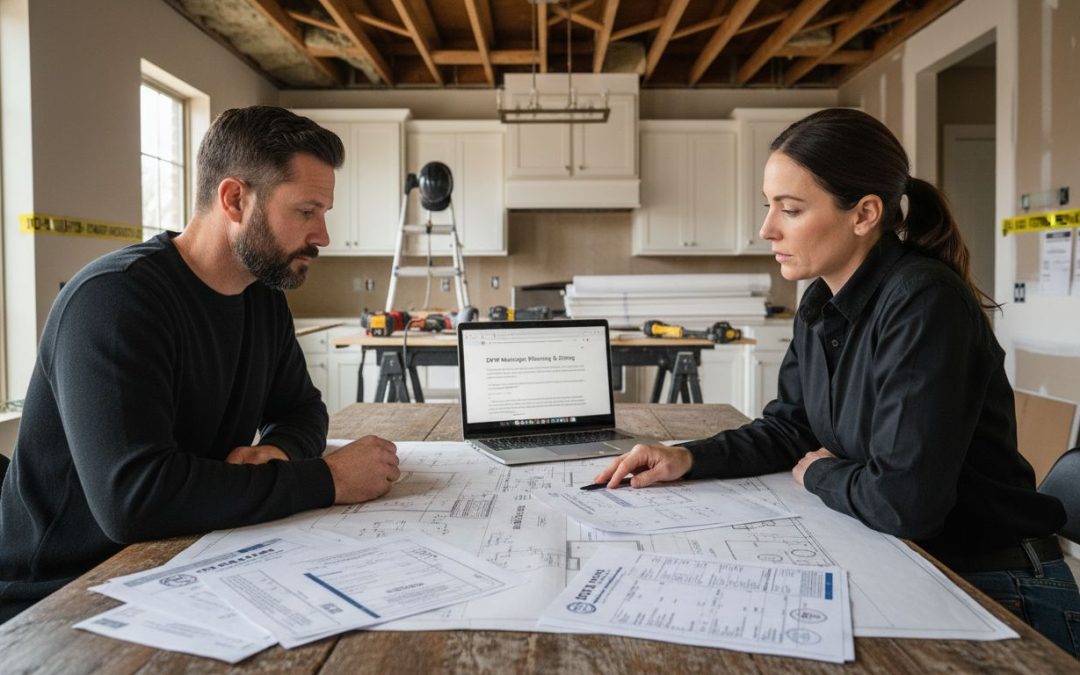
Most american homeowners in Dallas Fort Worth are surprised to learn that over 60 percent of renovation projects get delayed because of missing permits or incomplete paperwork. Starting your dream remodel without the right approvals can lead to expensive setbacks and frustration. Understanding each step of the local permit process gives you a real advantage, saving you time, money, and unnecessary headaches as you move forward with your home improvement plans.
Table of Contents
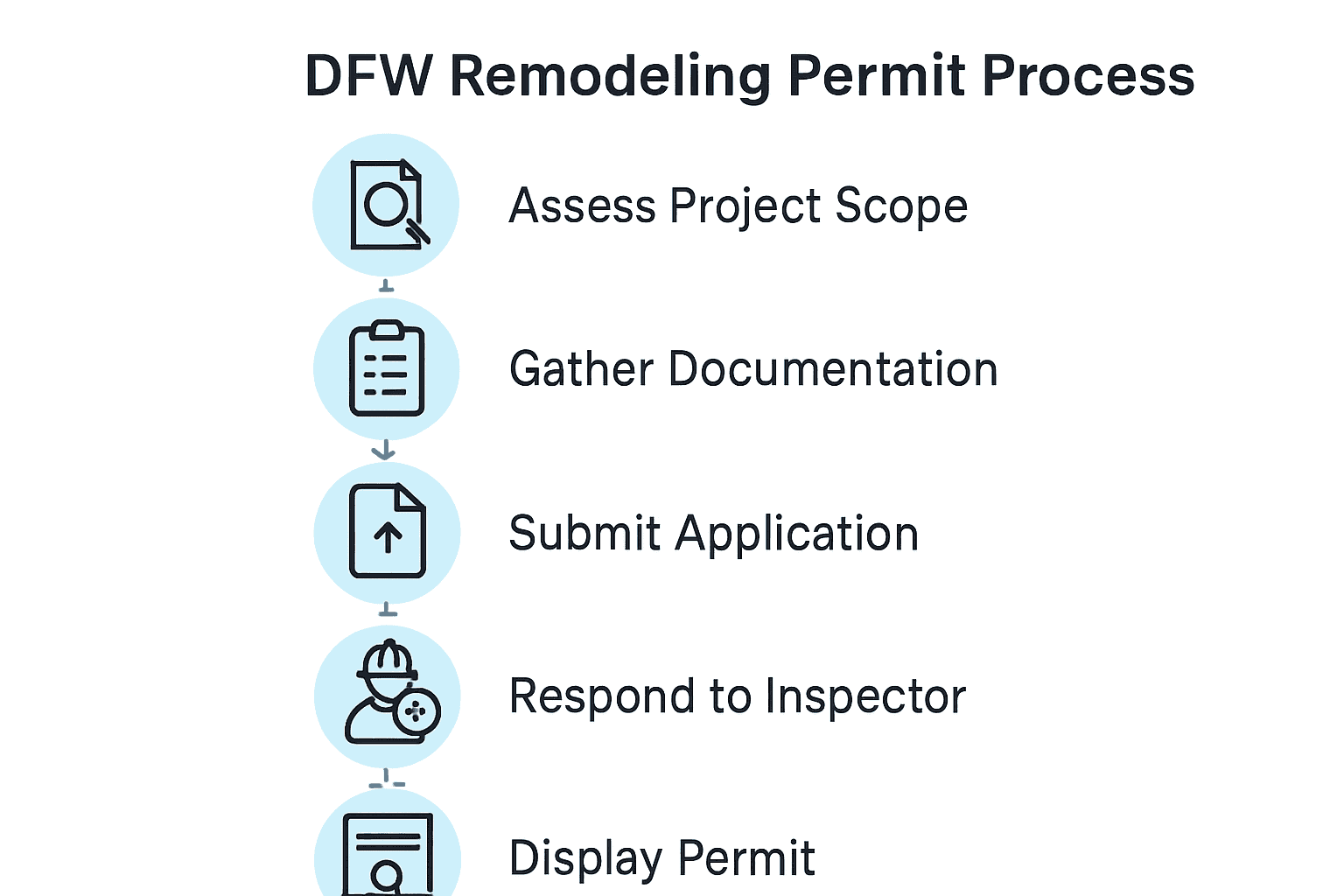
- Step 1: Assess Project Scope and Permit Requirements
- Step 2: Gather Necessary Documentation and Plans
- Step 3: Submit Your Permit Application to Local Authorities
- Step 4: Address Corrections and Communicate with Inspectors
- Step 5: Verify Approval and Display Your Permit
Quick Summary
| Essential Insight | Detailed Explanation |
|---|---|
| 1. Understand Permit Requirements | Assess the specific permits needed for your renovation based on its complexity and scope. |
| 2. Compile Accurate Documentation | Gather detailed architectural, structural, and electrical plans along with necessary supporting materials. |
| 3. Submit Application Correctly | Ensure all documentation is complete and accurately submitted to local authorities for approval. |
| 4. Communicate with Inspectors | Respond promptly to any requests for information or modifications from municipal officials. |
| 5. Display Approved Permit | Verify the correctness of your permit and display it visibly on the construction site as required. |
Step 1: Assess Project Scope and Permit Requirements
Before diving into your home renovation project in the Dallas Fort Worth area, you need to understand exactly what permits your specific remodeling work will require. Different types of home improvements demand different levels of official approval.
Carefully evaluating your project scope means examining every aspect of your planned renovation. According to gov.hr, proper permit applications must include comprehensive documentation about the proposed changes. For DFW homeowners, this typically involves submitting detailed plans showing structural modifications, electrical work, plumbing updates, or significant architectural alterations.
Your specific permit requirements will depend on the project complexity. Minor cosmetic updates like painting or replacing fixtures usually do not require permits. However, structural changes such as removing walls, adding rooms, replacing roofing, or modifying electrical and plumbing systems will definitely need official approval. Pro tip: Always check with your local municipal building department before starting work to confirm exactly what documentation you will need.
The good news? Understanding permit requirements early prevents costly delays and potential fines. By taking time to assess your project scope thoroughly, you set yourself up for a smooth renovation process from start to finish.
Step 2: Gather Necessary Documentation and Plans
Now that you understand your project scope, it is time to compile all the documentation required for your remodeling permit application in the Dallas Fort Worth area. This step involves collecting precise plans and supporting materials that will help municipal officials evaluate your proposed renovation.
According to gov.hr, comprehensive permit applications require submitting detailed electronic documentation about your project. For DFW homeowners, this typically means preparing several key documents: architectural drawings, structural plans, electrical schematics, and plumbing layouts. Each plan should demonstrate precise measurements, material specifications, and proposed changes to your existing structure.
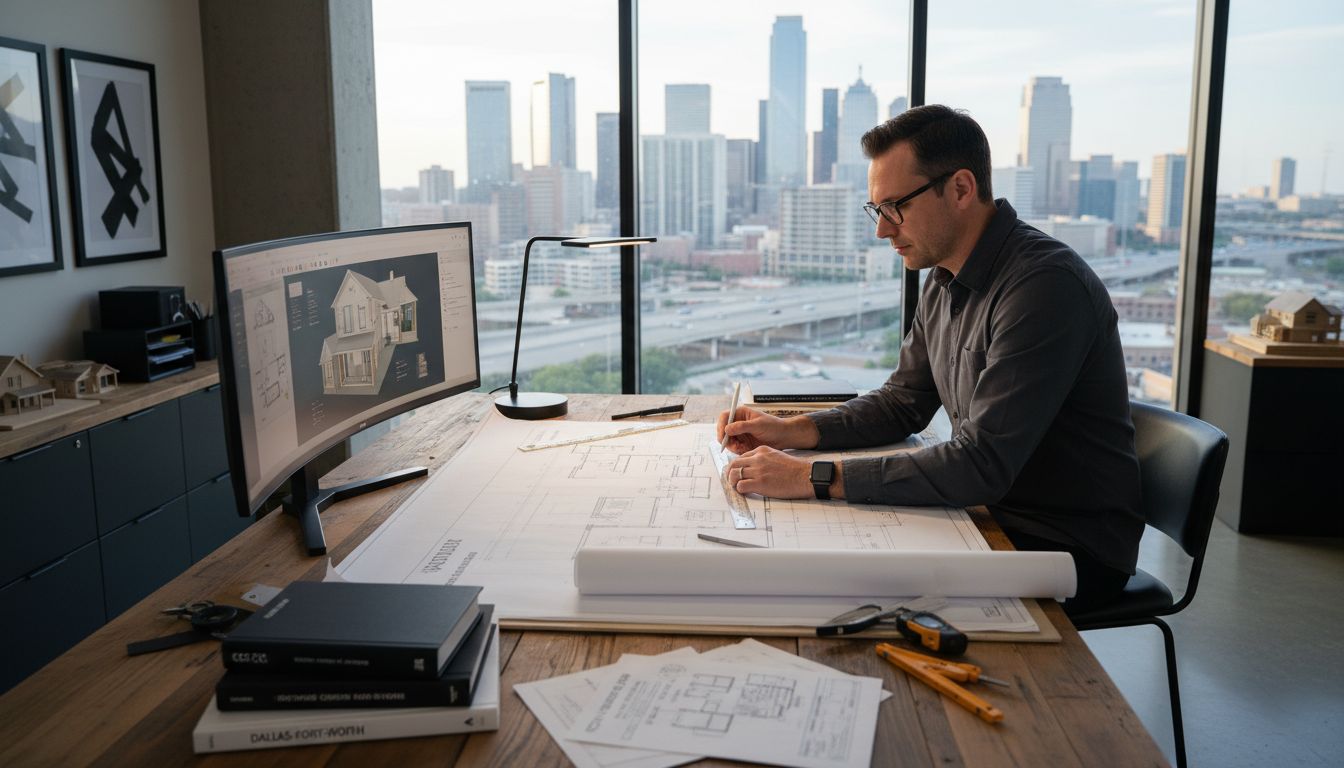
Your documentation package should include scaled site plans showing property boundaries, existing structures, and proposed modifications. Professional architectural drawings work best for complex projects, while homeowners tackling simpler renovations might create detailed sketches themselves. Always include clear, accurate representations of planned work to streamline the review process. Pro tip: Consider hiring a professional drafting service or architect to ensure your plans meet municipal standards and increase your chances of first-time permit approval.
Getting your documentation right means you are one significant step closer to turning your home renovation dream into reality. These carefully prepared plans will serve as your project blueprint both for permit approval and actual construction.
Step 3: Submit Your Permit Application to Local Authorities
With your documentation meticulously prepared, you are now ready to officially submit your permit application to the local municipal authorities in the Dallas Fort Worth area. This critical step transforms your renovation plans from concept to potential reality.
According to gov.hr, many municipalities now offer electronic submission systems that streamline the permit application process. For DFW homeowners, this means gathering all your carefully compiled documents and submitting them through the local building department’s online portal or in person at their offices. Expect to pay an application fee that varies depending on your project’s complexity and scope.
When submitting your application, double check that every required document is included and accurately completed. Most municipal offices require multiple copies of site plans, architectural drawings, structural calculations, and proof of property ownership. Pro tip: Schedule an initial consultation with the building permit office if you have any uncertainties. Their staff can provide specific guidance about your particular project and help you avoid common submission mistakes that could delay your approval.
Submitting your permit application marks a significant milestone in your home renovation journey. With patience and attention to detail, you are now one step closer to turning your home improvement vision into reality.
Step 4: Address Corrections and Communicate with Inspectors
Once your permit application is submitted, you enter a critical phase of interaction with local municipal authorities. This stage involves carefully responding to any requests for additional information or required modifications to your renovation plans.
According to rumahhq.com, maintaining open and professional communication channels is crucial during this phase. For DFW homeowners, this means being responsive and proactive when building inspectors request clarifications or suggest changes to your submitted documentation. They might ask for more detailed drawings, structural calculations, or additional proof of compliance with local building codes.
When addressing corrections, carefully review each comment from the municipal review team. Respond promptly and professionally, making precise adjustments to your plans as recommended. Pro tip: Keep copies of all communication and revised documents for your records. If changes seem complex, consider consulting with the architect or professional who prepared your original plans to ensure accuracy. In many cases, as noted by spdc.net, minor revisions can be submitted through online portals or via direct communication with a government representative.
Navigating this review process requires patience and attention to detail. By addressing corrections thoroughly and professionally, you significantly increase your chances of permit approval and demonstrate your commitment to following local building regulations.
Step 5: Verify Approval and Display Your Permit
Congratulations on successfully navigating the complex permit application process for your Dallas Fort Worth home renovation project. This final step involves carefully reviewing your approved permit and ensuring proper display at your construction site.
According to gov.hr, once your building permit is approved, it becomes the official document authorizing your renovation work. For DFW homeowners, this means thoroughly reviewing the permit to confirm all project details are accurate. Check that the approved plans match your original submission, paying close attention to specific authorized modifications, project scope, and any conditions attached to the permit.
Displaying your permit is not just a recommended practice it is a legal requirement in most municipalities. Pro tip: Mount the permit in a clear plastic sleeve or frame to protect it from weather damage, and place it in a visible location at the construction site typically near the main entrance or where it can be easily seen by inspectors. Ensure the document remains legible and intact throughout your entire renovation process. As international regulations consistently emphasize, maintaining a visible permit helps demonstrate your commitment to following local building codes and facilitates smoother interactions with municipal inspectors.
With your permit verified and displayed, you are now ready to begin your home renovation project with confidence and legal compliance.
Simplify Your Dallas-Fort Worth Remodeling Permit Journey with Expert Help
Navigating the complex process of remodeling permits in the Dallas Fort Worth area can feel overwhelming. From assessing project scope and gathering detailed plans to submitting applications and handling inspector feedback every step requires precision and patience. Common challenges include understanding permit requirements, avoiding costly delays, and ensuring your renovation stays fully compliant. You do not have to face these obstacles alone. Our team at Astrotech Construction specializes in managing residential and commercial remodeling projects while guiding you smoothly through local building permit processes.
Take control of your renovation project today by partnering with professionals who understand the intricacies of DFW permit procedures. Whether you are planning a full home remodel, kitchen upgrade, or roof replacement our experts provide clear documentation, expert advice, and proactive communication with local authorities. Visit Astrotech Construction now to schedule your consultation and turn your remodeling vision into reality with confidence and ease.
Frequently Asked Questions
What types of renovations require a permit in DFW?
Most structural changes require a permit, including removing walls, adding rooms, or modifying plumbing and electrical systems. For a smooth process, assess your project scope early to determine what permits you will need.
How do I gather the necessary documentation for my remodeling permit?
Gather detailed architectural drawings, structural plans, and site plans that show existing and proposed modifications. Compile these documents carefully, and consider hiring a professional to ensure they meet municipal standards.
What should I do if my permit application is denied or needs corrections?
If your application is denied, carefully review the feedback provided by the municipal review team. Address each comment promptly and professionally by making the suggested adjustments and resubmit your application.
How can I ensure my permit application is approved on the first try?
Ensure that all required documentation is complete and accurate before submission. Organizing your submission and double-checking for missing information will increase your chances of first-time approval.
Where should I display my approved remodeling permit?
Display your approved permit in a visible location at the construction site, such as near the main entrance. Use a clear plastic sleeve or frame to protect it from weather damage and keep it legible throughout the renovation.
How long does the remodeling permit approval process take?
The timeline for permit approval can vary, but it typically takes between 30 to 60 days, depending on your project’s complexity. Stay organized and responsive to requests for additional information to help expedite the process.
Recommended
- Step-by-Step Guide to Hiring Contractors in DFW – Astrotech Construction
- 7 Steps to a Successful Bathroom Remodel Checklist for DFW Homes – Astrotech Construction
- What Is a Remodeling Contract? Complete Guide – Astrotech Construction
- How to Estimate Remodeling Costs for Any Project – Astrotech Construction