
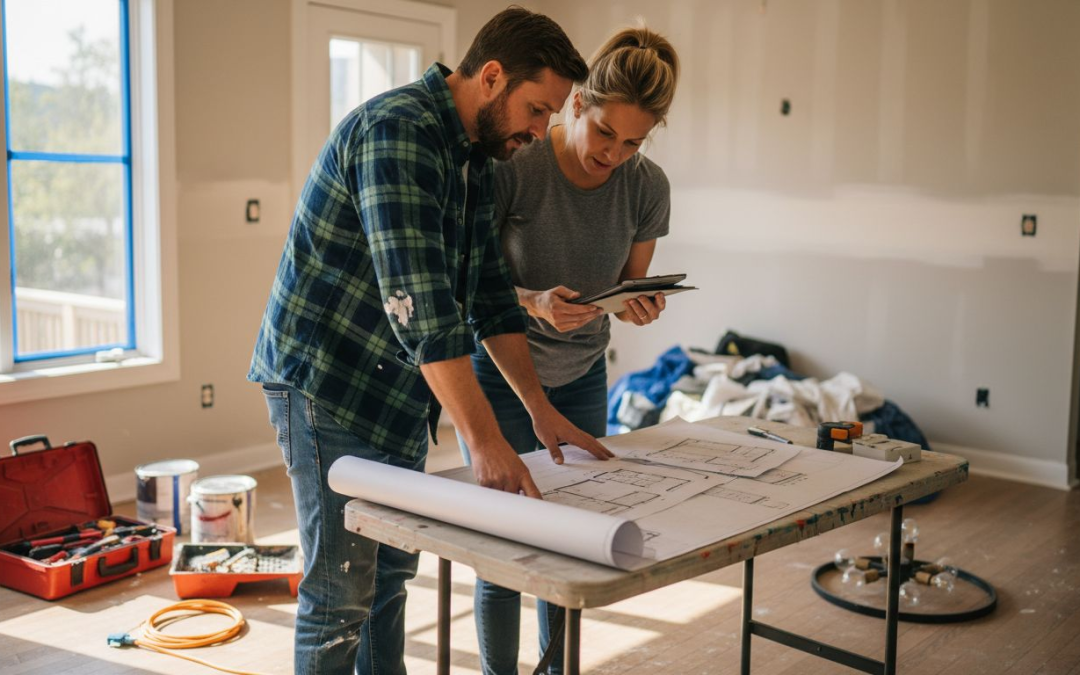
Over 80 percent of American homeowners admit they have underestimated the true cost of a renovation. Tackling home improvements without a plan can lead to unnecessary stress and surprise expenses. Whether you want to boost comfort or add value, understanding these key steps will help you make smarter choices and achieve lasting results.
Table of Contents
- 1. Assess Needs And Set A Realistic Budget
- 2. Hire Qualified And Licensed Professionals
- 3. Prioritize Safety And Building Codes
- 4. Choose High-Quality, Durable Materials
- 5. Schedule Regular Maintenance And Inspections
- 6. Plan For Energy Efficiency Upgrades
- 7. Document Progress And Keep Communication Open
Quick Summary
| Key Message | Explanation |
|---|---|
| 1. Assess Your Needs and Budget | Understand project requirements and create a realistic budget to avoid financial surprises. Document spending categories and include a 10-20% buffer for unexpected costs. |
| 2. Hire Licensed Professionals | Choose qualified contractors with valid licenses and certifications to ensure safety and compliance with building codes. Verify their credentials and request a portfolio of past work. |
| 3. Prioritize Safety Regulations | Research local building codes and permit requirements before starting your project. Ensure all work complies with these regulations to maintain safety and protect your investment. |
| 4. Select Durable Materials | Invest in high-quality, long-lasting materials to minimize future repairs and preserve your home’s value. Consult experts to choose materials suited to your local climate. |
| 5. Schedule Ongoing Maintenance | Establish a regular maintenance routine and keep detailed records to prevent costly repairs. Set reminders for seasonal check-ups to maintain your home’s integrity and value. |
1. Assess Needs and Set a Realistic Budget
Successful home improvement starts with a clear understanding of your project requirements and financial boundaries. Before swinging a hammer or picking out paint colors, you need a strategic approach to budgeting that accounts for both your dreams and financial reality.
Beginning your home improvement journey requires a comprehensive evaluation of what you actually need versus what you want. This means taking a hard look at your current space and identifying specific areas that require attention. Homeowners can develop a precise renovation budget by carefully documenting project specifications, ensuring they understand the full scope of potential expenses.
Start by creating a detailed inventory of desired improvements. Break down each aspect of your project into specific categories like materials, labor, permits, and potential unexpected repairs. Research current market rates for similar projects in your area to get accurate cost estimates. This preliminary work helps prevent financial surprises and ensures you have a realistic monetary framework.
It is crucial to build a buffer into your budget for unexpected complications. Most experts recommend setting aside 10 to 20 percent of your total project cost for unforeseen expenses. This financial cushion can cover everything from structural issues discovered during renovation to slight design modifications that might emerge during the process.
Pro Tip: Create a spreadsheet tracking every potential expense, prioritizing must have improvements versus nice to have upgrades. This approach allows you to make informed decisions about where to allocate your limited funds and potentially scale back if initial estimates exceed your financial comfort zone.
2. Hire Qualified and Licensed Professionals
Selecting the right professionals for your home improvement project is more than just finding someone who can swing a hammer. It is about protecting your most valuable asset your home by ensuring quality, safety, and legal compliance.
Qualified and licensed professionals bring expertise that goes far beyond basic construction skills. Understanding how to thoroughly vet potential contractors helps homeowners avoid costly mistakes and potential legal complications. This means verifying credentials, checking references, and understanding their professional background before signing any agreements.
Start by requesting proof of state licensing and professional certifications. A legitimate contractor should readily provide documentation showing they meet all local and state requirements. This includes current licenses, insurance certificates, and proof of bonding. These documents are not just paperwork they represent a commitment to professional standards and legal accountability.
Additionally, the U.S. Department of Energy recommends hiring certified professionals who understand complex safety standards, especially for projects involving electrical, structural, or gas related work. Certified professionals are trained to recognize potential hazards and implement solutions that protect your home and family.
When evaluating potential contractors, request a comprehensive portfolio of previous work. Look for detailed examples that demonstrate their expertise in projects similar to yours. Ask for references and take the time to contact them. Speaking with past clients provides insights into the contractor’s work quality, reliability, and professional conduct.
Pro Tip: Create a standardized evaluation checklist with key requirements like license verification, insurance coverage, years of experience, and professional references. This systematic approach helps you compare potential contractors objectively and make an informed decision.
3. Prioritize Safety and Building Codes
Home improvement is not just about aesthetic upgrades or increasing property value. It is fundamentally about creating a safe, structurally sound environment that protects you and your family.
Understanding permit requirements and building code regulations is crucial for ensuring legal compliance and structural integrity. Building codes are not arbitrary restrictions but carefully designed standards that prevent potential hazards and protect homeowners from dangerous construction practices.
Every home improvement project requires careful navigation of local building regulations. These codes cover everything from electrical wiring and plumbing to structural modifications and material specifications. They ensure that renovations meet minimum safety standards, protecting not just your current investment but future occupants of your home.
Before beginning any project, research your local building department requirements. This means understanding which permits you need, what inspections are mandatory, and what documentation must be maintained. Verifying contractor registration and adherence to safety regulations helps prevent potential legal and safety complications.
When working with contractors, request documentation proving their understanding and compliance with current building codes. A reputable professional will welcome this scrutiny and provide clear explanations about how their work meets or exceeds local safety standards.
Pro Tip: Create a dedicated folder to store all permit documentation, inspection reports, and contractor certifications. This organized approach not only helps during the current project but also provides valuable records for future home sales or additional renovations.
4. Choose High-Quality, Durable Materials
The materials you select for your home improvement project are more than just aesthetic choices. They are long term investments that directly impact your home’s durability, performance, and overall value.
Homeowners should strategically budget and research materials to ensure cost effectiveness and longevity. Cheap materials might seem attractive initially, but they often lead to frequent repairs, replacements, and unexpected expenses down the line.
When evaluating materials, consider their performance characteristics beyond initial appearance. Look for products with proven track records of durability, resistance to wear, and ability to withstand local environmental conditions. This means understanding factors like moisture resistance, temperature tolerance, and maintenance requirements for each material type.
Specifying high quality materials in your project contract provides legal protection and ensures project satisfaction. Request detailed specifications from your contractor, including exact material grades, manufacturers, and expected performance metrics. This documentation helps prevent misunderstandings and provides a clear benchmark for project quality.
Consider consulting with professionals who can recommend materials specifically suited to your local climate and home’s unique characteristics. Some materials perform differently depending on regional weather patterns, so expert guidance can save you significant money and frustration in the long run.
Pro Tip: Request material samples and conduct a thorough visual and tactile inspection before final selection. Take these samples home, expose them to similar conditions as your project area, and observe their performance over a few weeks.
5. Schedule Regular Maintenance and Inspections
Home improvements represent significant investments that require ongoing care to preserve their value, functionality, and aesthetic appeal. Treating maintenance as an afterthought can quickly transform your carefully planned renovations into costly repair projects.
Regular maintenance and periodic professional inspections are critical for preserving the integrity of home improvements. Think of these inspections like routine medical checkups for your home they catch potential problems before they become serious, expensive issues.
Develop a comprehensive maintenance calendar that addresses different aspects of your home. This should include seasonal checks for critical systems like roofing, electrical, plumbing, and structural elements. Pay special attention to areas prone to wear and potential damage, such as weatherproofing, foundation integrity, and moisture sensitive zones.
Homeowners should systematically document and track all maintenance activities to maintain property value and identify emerging concerns. Create a digital or physical logbook that records dates of inspections, repairs, and any professional assessments. This documentation becomes invaluable for future home improvements, insurance claims, and potential property sales.
Consider establishing relationships with reliable local contractors who can provide consistent inspection services. Many professionals offer annual or semi annual maintenance packages that can save you money and provide peace of mind by catching potential issues early.
Pro Tip: Set digital reminders on your smartphone for routine maintenance tasks and inspections. Create recurring calendar alerts for seasonal checks, filter replacements, and professional assessment schedules to ensure nothing gets overlooked.
6. Plan for Energy Efficiency Upgrades
Home improvements present a golden opportunity to transform your living space into an energy efficient sanctuary that saves money and reduces environmental impact. Energy upgrades are not just about being environmentally responsible they are strategic investments that deliver tangible financial returns.
Homeowners can significantly reduce energy consumption by incorporating targeted efficiency upgrades during renovation projects. These upgrades range from simple modifications like installing LED lighting to more comprehensive solutions such as upgrading insulation, replacing windows, and installing smart home technology.
Start by conducting a comprehensive energy audit to identify potential improvement areas. This assessment will pinpoint specific zones where your home loses energy and provide a roadmap for strategic upgrades. Focus on high impact areas like attic insulation, weatherstripping, heating and cooling systems, and window installations that offer substantial long term savings.
Sustainable home improvements can enhance property value while simultaneously reducing ongoing utility expenses. Consider energy efficient appliances, solar panel installations, and advanced thermostat systems that provide granular control over your home’s energy consumption.
Research available tax credits and local incentive programs that can offset the initial investment in energy efficient upgrades. Many utility companies and government agencies offer rebates and financial incentives for homeowners who implement sustainable improvements.
Pro Tip: Create a spreadsheet tracking potential energy upgrades, their estimated costs, projected energy savings, and potential tax incentives. Prioritize upgrades with the fastest return on investment and most significant long term financial benefits.
7. Document Progress and Keep Communication Open
Successful home improvement projects are built on a foundation of clear, consistent communication and meticulous documentation. Treating your renovation like a collaborative partnership ensures smoother execution and reduces potential misunderstandings.
Maintaining comprehensive records of all project communications and agreements protects both homeowners and contractors. This means creating a systematic approach to tracking every discussion, decision, and modification throughout the renovation process.
Establish a dedicated communication channel with your contractor, whether through email, project management software, or regular in person meetings. Ensure every significant conversation is followed up with a written summary that confirms discussions, agreements, and next steps. This creates a paper trail that serves as a reference point and helps prevent potential disputes.
Documenting project progress provides legal protection and helps maintain accountability throughout the home improvement process. Take regular photographs of the work in progress, save all contracts and change orders, and maintain a detailed log of conversations, decisions, and project milestones.
Consider using digital tools like shared cloud documents or specialized project tracking apps that allow real time updates and transparent communication. These platforms can help both you and your contractor stay aligned on project expectations, timelines, and potential challenges.
Pro Tip: Create a dedicated project folder both digitally and physically where you store all project related documents, including contracts, communication logs, material specifications, and progress photos. Organize these materials chronologically to make future reference easy and straightforward.
Below is a comprehensive table summarizing the main strategies and considerations for effective home improvement projects discussed throughout the article.
| Strategy | Implementation | Benefits/Outcomes |
|---|---|---|
| Assess Needs and Set Budget | Evaluate project requirements, document specifications, and research market rates. | Prevents financial surprises and ensures a realistic budget. |
| Hire Qualified Professionals | Verify contractor credentials and check references thoroughly. | Ensures quality, safety, and legal compliance. |
| Prioritize Safety and Codes | Research local building regulations and secure necessary permits. | Guarantees legal compliance and structural integrity. |
| Choose Quality Materials | Evaluate durability and performance of materials. | Enhances longevity and minimizes future repairs. |
| Schedule Maintenance | Develop a maintenance calendar and establish contractor relationships. | Preserves value and functionality of renovations. |
| Plan for Energy Efficiency | Conduct energy audits and consider tax incentives. | Reduces utility costs and enhances property value. |
| Document Progress | Maintain detailed logs and establish clear communication channels. | Protects legally and ensures accountability. |
Transform Your Home with Expert Guidance and Quality You Can Trust
The journey of home improvement can be overwhelming without the right support. This article highlights essential best practices including setting realistic budgets, hiring licensed professionals, prioritizing safety codes, and choosing durable materials to protect your investment and family. At Astrotech Construction, we understand these challenges and offer trusted solutions tailored to homeowners in the Dallas Fort Worth Metroplex. Our expertise in full home remodeling, kitchen and bathroom upgrades, and storm damage repair ensures your project meets high quality standards and local building regulations with transparent communication throughout.
Why settle for uncertainty when your home deserves excellence? Partner with seasoned professionals who prioritize your safety, budget, and satisfaction from start to finish. Explore how we bring these home improvement principles to life by visiting our home remodeling services.
Ready to build your dream space with confidence and expert care? Contact us today at Astrotech Construction to schedule your consultation. Take the first step toward lasting value and peace of mind on your next home improvement project.
Frequently Asked Questions
What is the first step in planning a home improvement project?
Planning a home improvement project starts with assessing your needs and setting a realistic budget. Create a detailed inventory of necessary and desired improvements, then research current market rates to avoid unexpected financial surprises.
How can I find qualified professionals for my home improvement project?
To find qualified professionals, verify their licenses and certifications and check their references. Request proof of their experience and ask for a portfolio of similar past work to ensure they meet your project’s specific requirements.
What should I consider regarding building codes before starting renovations?
Before starting renovations, research your local building codes and permit requirements. Ensure that you understand which permits are necessary and what inspections are mandatory to maintain your home’s safety and legal compliance.
What materials should I prioritize for durability in my home improvement project?
Prioritize high-quality, durable materials that offer long-term performance and resistance to wear. When selecting materials, consider factors such as moisture resistance and their ability to withstand local environmental conditions to maximize your investment.
How can I maintain the value of my home improvements after completion?
To maintain the value of your home improvements, schedule regular maintenance and inspections. Develop a maintenance calendar that includes seasonal checks to catch potential issues early, preventing costly repairs down the line.
How can incorporating energy-efficient upgrades benefit my home?
Incorporating energy-efficient upgrades can reduce your home’s energy consumption and lower utility costs. Start by conducting an energy audit to identify areas for improvement, and prioritize upgrades with the highest return on investment.
Recommended
- 7 Essential Examples of Home Repairs Every Owner Should Know – Astrotech Construction
- Complete Guide to Why Renovate Your Home – Astrotech Construction
- 7 Common DFW Remodeling Mistakes and How to Avoid Them – Astrotech Construction
- 7 Inspiring Examples of Remodeling Projects to Elevate Your Space – Astrotech Construction