
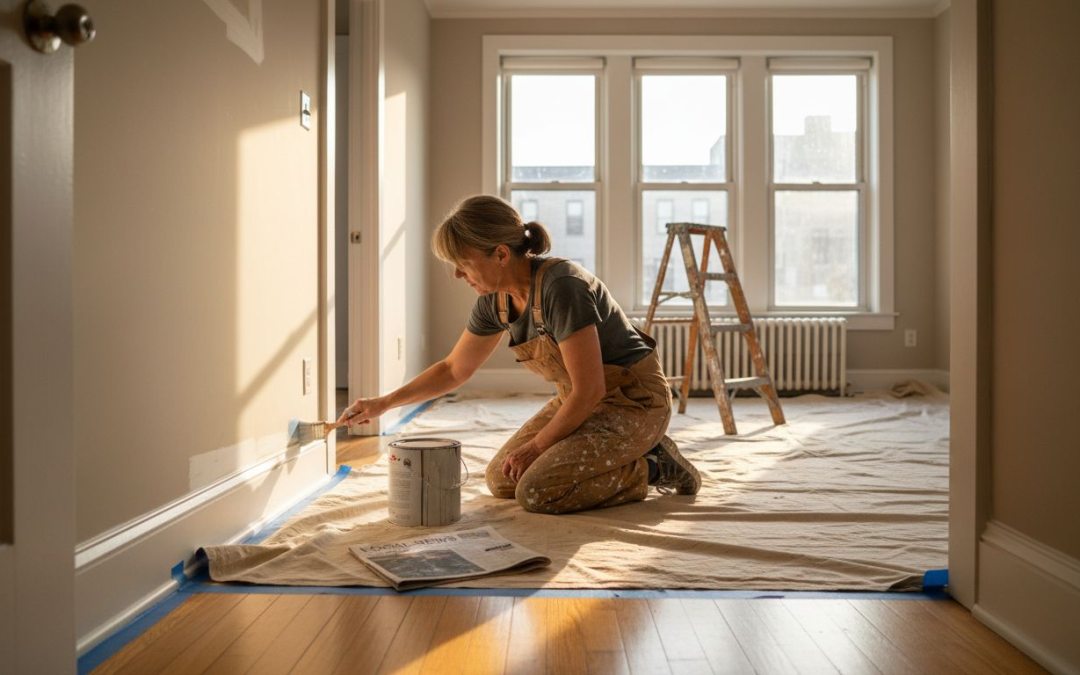
Bold colors and fresh finishes can add up to a fifteen percent boost in home value for American homeowners. Painting the inside of your Dallas-Fort Worth home isn’t just about splashing on a favorite shade. Professional interior painting brings lasting beauty, improved market appeal, and real protection for your space. Discover what separates expert results from common myths, and learn how thoughtful choices make every room feel brand new.
Table of Contents
- Defining Interior Painting And Common Myths
- Types Of Interior Paints And Finishes Explained
- Interior Painting Processes And Techniques
- Benefits For Home Aesthetics And Value
- Costs, Risks, And Mistakes To Avoid
Key Takeaways
| Point | Details |
|---|---|
| Understanding Interior Painting | It involves more than just color application; it’s a strategic method to enhance aesthetics and property value. |
| Myths of Painting | Common misconceptions include thinking all paints are the same or that one coat is sufficient, which can lead to poor results. |
| Importance of Preparation | Thorough surface preparation is crucial for successful painting, ensuring adhesion and a smooth finish. |
| Costly Mistakes | Avoid common pitfalls like inadequate prep and improper paint choices to prevent increased long-term expenses. |
Defining Interior Painting and Common Myths
Interior painting represents far more than simply applying color to walls. In fact, cultural interior design practices reveal it as a profound method of expressing identity and transforming living spaces. Beyond aesthetics, interior painting serves as a strategic home improvement technique that can dramatically enhance both visual appeal and property valuation.
Many homeowners harbor misconceptions about interior painting. Some believe it is a simple weekend DIY project, while others assume any paint will suffice. In reality, professional interior painting involves precise surface preparation, selecting appropriate paint types, understanding color psychology, and executing expert application techniques. The process requires specialized skills to achieve smooth finishes, proper coverage, and long-lasting results that protect wall surfaces.
Common myths surrounding interior painting include thinking all paints are identical, believing one coat is sufficient, and assuming color selection is purely aesthetic. Professional painters understand that paint quality, primer usage, surface condition, and environmental factors significantly impact the final outcome. High-quality interior painting involves careful color selection that complements architectural features, creates desired emotional atmospheres, and potentially increases home market value.
Pro tip: Before starting any interior painting project, invest time in thorough surface preparation and choose premium paint with primer included to ensure superior, long-lasting results.
Types of Interior Paints and Finishes Explained
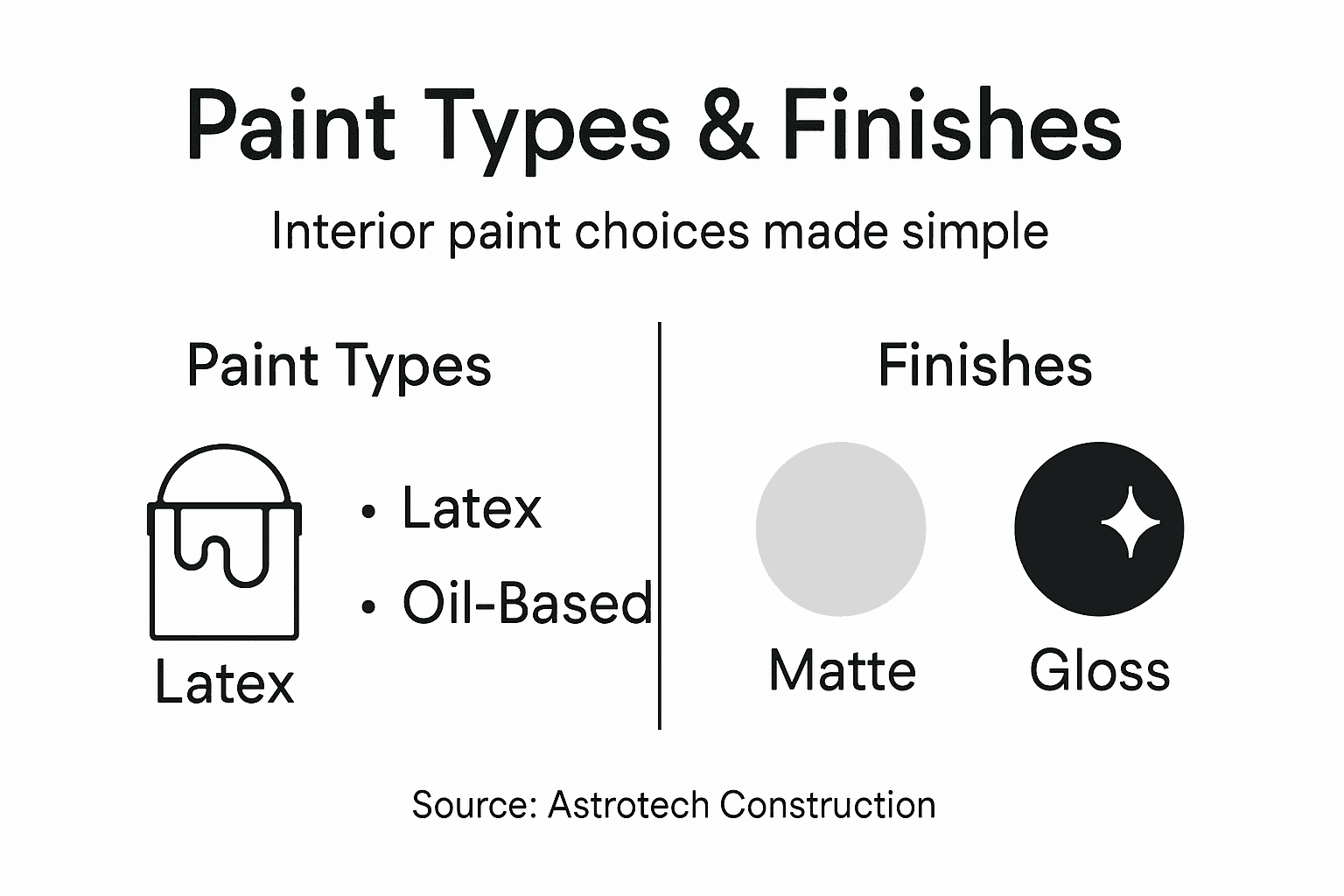
Interior painting involves selecting from multiple paint types, each designed for specific purposes and surfaces. Paint varieties range significantly in composition, performance, and application, making the selection process crucial for achieving desired aesthetic and functional results. The primary categories include water-based latex paints, oil-based paints, and specialized formulations that cater to unique environmental and surface requirements.
Water-based latex paints have become the most popular choice for residential interior spaces due to their ease of use and quick drying times. These paints offer excellent coverage, minimal odor, and straightforward cleanup with water. Oil-based paints, while less common now, still provide superior durability and a smoother finish, particularly in high-traffic areas or surfaces requiring exceptional protection. Acrylic variants provide additional flexibility and resistance to cracking, making them ideal for spaces experiencing temperature and humidity fluctuations.
Here’s a concise comparison of common interior paint types and their best uses:
| Paint Type | Key Benefit | Ideal Room/Use |
|---|---|---|
| Water-based Latex | Quick drying, low odor | Living rooms, bedrooms |
| Oil-based | Very durable, smooth finish | Trim, doors, high-traffic |
| Acrylic | Flexible, resists cracking | Kitchens, bathrooms |
Paint finishes play an equally critical role in interior design and functionality. Options range from flat (matte) to high-gloss, each serving different aesthetic and practical purposes. Flat finishes hide surface imperfections and provide a sophisticated, non-reflective look perfect for low-traffic areas. Eggshell and satin finishes offer slight sheen and improved washability, making them excellent for living rooms and bedrooms. Semi-gloss and high-gloss finishes provide maximum durability and are typically used in kitchens, bathrooms, and areas requiring frequent cleaning.
Pro tip: Always purchase sample paint swatches and test colors in different lighting conditions before committing to a full room painting project to ensure the perfect shade and finish.
Interior Painting Processes and Techniques
Interior painting requires a systematic approach that goes beyond simply applying color to walls. Professional painting involves meticulous preparation and precise execution to achieve flawless, long-lasting results. The process begins with comprehensive surface assessment, identifying areas that need repair, cleaning, and proper priming before any paint touches the wall.
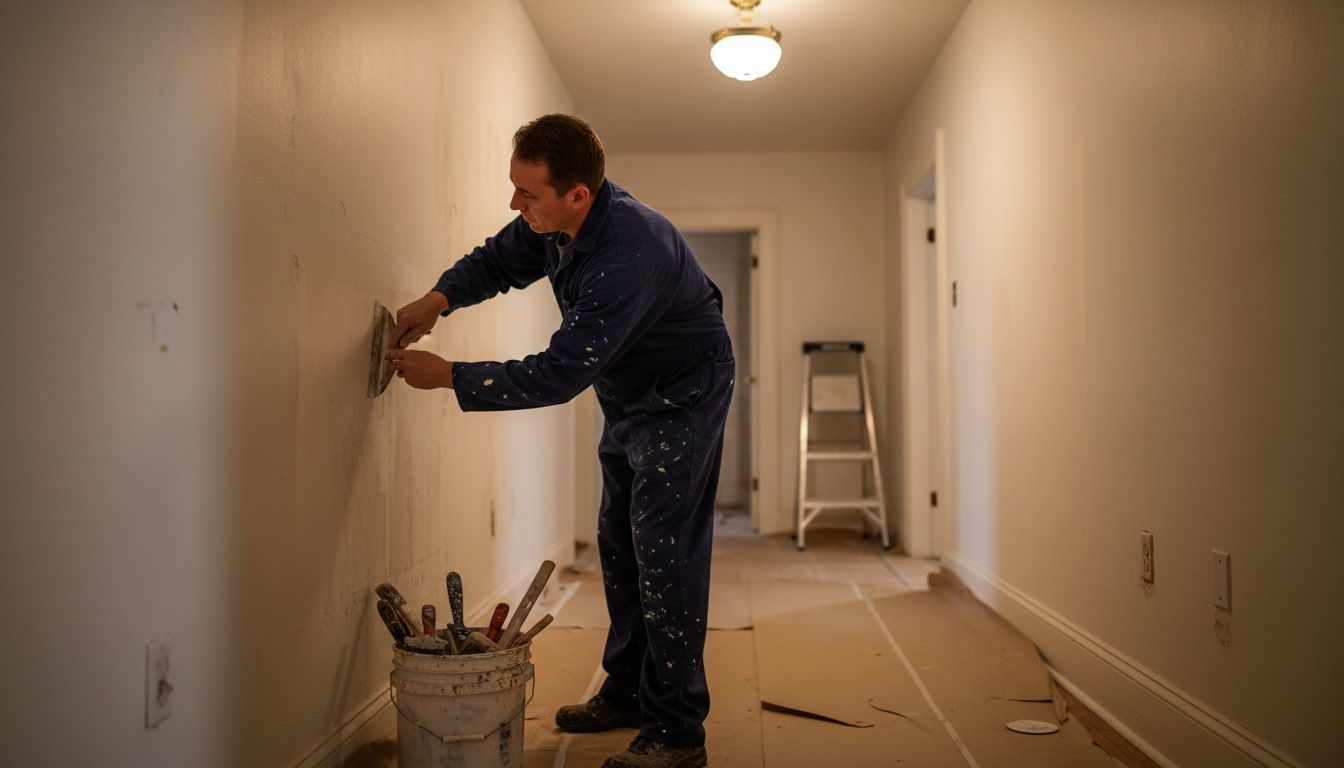
Preparation is the cornerstone of successful interior painting. This critical phase involves multiple steps: thoroughly cleaning walls to remove dust and grime, repairing imperfections like nail holes or small cracks, sanding surfaces to create a smooth base, and applying painter’s tape to protect trim and adjacent surfaces. Professionals recommend using drop cloths to protect flooring and furniture, ensuring a clean and controlled painting environment. Priming becomes essential, especially when changing paint colors dramatically or painting over surfaces with significant texture or previous dark colors.
The actual painting technique requires skill and patience. Professional painters typically start by “cutting in” – painting edges, corners, and areas around trim with a brush before using rollers for larger wall surfaces. This approach ensures crisp lines and even coverage. Roller techniques involve using W or M-shaped strokes to distribute paint evenly, avoiding streaks and ensuring consistent color application. Multiple thin coats are preferable to a single thick coat, as they provide better adhesion, more uniform coverage, and a more professional finish.
Pro tip: Invest in high-quality painter’s tape and remove it while the paint is still slightly wet to achieve clean, sharp edges without peeling off dried paint.
Benefits for Home Aesthetics and Value
Interior painting offers far more than a simple cosmetic upgrade. Interior painting transforms home environments by creating visually appealing spaces that reflect personal style and enhance overall property value. A strategic paint refresh can dramatically alter a room’s atmosphere, making spaces feel larger, brighter, and more inviting while simultaneously protecting wall surfaces from wear and potential damage.
Color selection plays a crucial role in home aesthetics and marketability. Neutral, contemporary color palettes can make rooms feel more spacious and modern, appealing to potential buyers and creating a versatile backdrop for various design styles. Professional painters understand how specific colors can influence mood and perception – soft blues and greens can create calming environments, while warm neutrals generate a sense of comfort and sophistication. Beyond aesthetic improvements, high-quality interior painting provides a protective layer that shields walls from moisture, prevents surface deterioration, and reduces the need for extensive repairs.
From a real estate perspective, interior painting represents an exceptional return on investment. A well-executed paint job can increase home value by creating a move-in ready appearance that signals meticulous home maintenance. Potential buyers often perceive freshly painted interiors as a sign of overall property care, which can translate into higher perceived value and potentially faster sales. Moreover, strategic color choices can highlight architectural features, create visual continuity between spaces, and make smaller rooms appear more expansive – all critical factors in home attractiveness and market appeal.
Pro tip: Choose timeless, neutral color schemes that appeal to a broad range of tastes to maximize your home’s aesthetic and resale potential.
Costs, Risks, and Mistakes to Avoid
Interior painting might seem straightforward, but numerous pitfalls can transform a simple project into an expensive nightmare. Common painting mistakes dramatically increase renovation costs, making professional guidance crucial for homeowners. Budget-conscious individuals must understand that cutting corners often leads to more significant expenses in repairs and repainting.
Technical mistakes can compromise both aesthetic quality and long-term wall protection. Inadequate surface preparation ranks as the most critical error – skipping steps like cleaning, sanding, and repairing wall imperfections results in poor paint adhesion and uneven finishes. Homeowners frequently make costly mistakes such as using incorrect paint types for specific surfaces, applying insufficient paint coats, or selecting inappropriate finishes for different room conditions. Professional painters emphasize that high-quality primers, proper tools, and matching paint finishes to room humidity and traffic levels are essential for durability.
Financial risks extend beyond immediate painting expenses. Poorly executed paint jobs can diminish home value, create maintenance challenges, and require complete repainting within a short timeframe. Potential issues include paint peeling, color inconsistencies, visible brush strokes, and uneven coverage – all of which signal substandard work to potential buyers. Investing in professional services or acquiring comprehensive knowledge before starting a DIY project can prevent these costly mistakes and ensure a high-quality, value-adding interior paint transformation.
To help you avoid frequent painting errors, here are typical mistakes along with their long-term costs:
| Mistake | Common Result | Long-term Impact |
|---|---|---|
| Skipping surface prep | Poor adhesion, uneven finish | Repainting needed sooner |
| Wrong paint finish | Stains, wear show easily | Frequent touch-ups required |
| Single thick coat | Streaks, peeling | Premature paint failure |
Pro tip: Always purchase paint samples and test colors in different lighting conditions before committing to a full room painting to avoid expensive color miscalculations.
Enhance Your Home’s Value and Appeal with Professional Interior Painting Solutions
Understanding that interior painting is more than just applying color is key to transforming your living space and increasing your home’s market value. Many homeowners face challenges with choosing the right paint types, finishes, and preparation methods as discussed in the article. If you want to avoid costly mistakes like poor adhesion or uneven finishes and create a fresh, inviting space that truly reflects your style and protects your walls, expert help is essential.
At Astrotech Construction, we bring years of experience in high-quality home renovations including interior painting that boosts aesthetics and value. Our team understands how to select premium paints, prepare surfaces meticulously, and apply finishes that stand the test of time. We serve the Dallas – Fort Worth Metroplex with a commitment to excellence and customer satisfaction.
Ready to give your home a stunning makeover that elevates comfort and resale potential?
Discover how our professional painting and remodeling services can safeguard your investment and enhance your property’s beauty. Visit Astrotech Construction now to schedule a consultation and take the first step toward your dream home transformation.
Frequently Asked Questions
What is interior painting?
Interior painting refers to the process of applying paint to the interior surfaces of a home, including walls, ceilings, and trim, to enhance aesthetics and protect surfaces.
How does interior painting affect home value?
Interior painting can significantly increase a home’s value by improving its visual appeal, creating a move-in ready appearance, and signaling good maintenance to potential buyers.
What are the common mistakes to avoid when painting the interior of a home?
Common mistakes include skipping surface preparation, using the wrong paint type or finish, applying too few coats, and not testing paint colors in different lighting conditions, all of which can lead to poor results and increased costs.
Why is preparation important before starting an interior painting project?
Preparation is crucial because it ensures better paint adhesion and a smoother finish. Properly cleaning, repairing, and priming surfaces prevents issues like peeling and uneven coverage, which can compromise the longevity of the paint job.
Recommended
- What Is Exterior Painting and Why Quality Matters – Astrotech Construction
- Why Prioritize Exterior Repairs for Property Value – Astrotech Construction
- 7 Key Advantages of Professional Remodeling for Homeowners – Astrotech Construction
- Complete Guide to Why Renovate Your Home – Astrotech Construction