
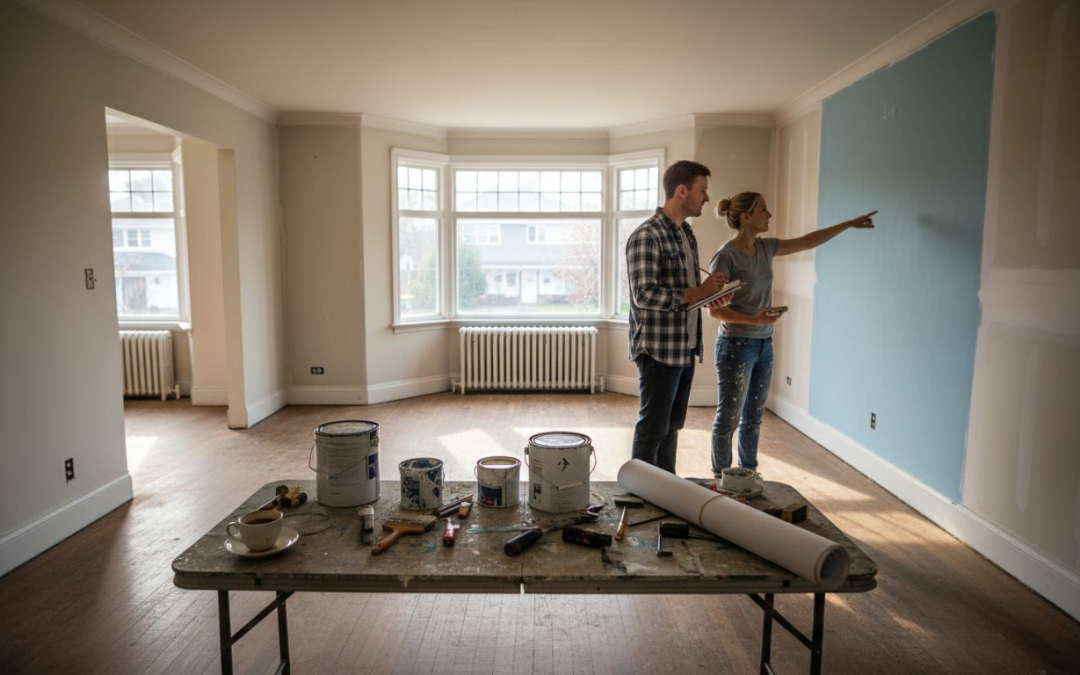
Walking through your Dallas-Fort Worth home, it is easy to spot cluttered corners or rooms that no longer reflect your style. Tackling an interior upgrade means much more than picking new paint colors. By starting with a thorough assessment and setting clear design goals, you lay the foundation for a space that feels both functional and inviting. With practical steps and expert-backed planning, you will discover how every decision can enhance value and transform the look and feel of your American home.
Table of Contents
- Step 1: Assess Current Space And Define Goals
- Step 2: Plan Budget And Select Design Elements
- Step 3: Prepare Area And Source Materials
- Step 4: Execute Renovation And Install Upgrades
- Step 5: Verify Work Quality And Finalize Details
Quick Summary
| Key Message | Explanation |
|---|---|
| 1. Assess Your Space Thoroughly | Measure room dimensions and note functional challenges to inform your renovation plans. |
| 2. Establish a Realistic Budget | Allocate funds wisely, ensuring high-impact areas receive priority in your spending. |
| 3. Prepare the Area Effectively | Clear the renovation zone and protect adjacent spaces to minimize disruption during work. |
| 4. Manage the Renovation Process | Schedule regular check-ins with contractors to ensure progress aligns with your vision. |
| 5. Perform Rigorous Quality Control | Inspect all work carefully before finalizing to ensure it meets your standards and specifications. |
Step 1: Assess Current Space and Define Goals
Transforming your home starts with a critical first move: understanding exactly what you have and what you want to achieve. Before diving into paint swatches or furniture shopping, you need a clear roadmap. Space planning becomes your strategic blueprint for creating a home that truly works for you.
Walk through each room with a measuring tape, notebook, and fresh perspective. Take detailed measurements of wall lengths, window placements, and existing furniture dimensions. Sketch rough floor plans that highlight current spatial challenges. Are hallways feeling cramped? Does the living room lack natural conversation areas? Note these potential improvement zones. Consider how you actually use each space versus how you want to use it. A dining area might currently serve as a makeshift home office, indicating a need for better functional design.
As you assess your home, focus on both practical functionality and emotional resonance. Design goals should nurture your lifestyle and personal well-being, creating spaces that feel simultaneously efficient and comforting. Think about your family’s daily rhythms, individual needs, and long-term aspirations. Maybe you need a more open kitchen for entertaining or a home office that supports focused work. Document these insights to guide your upcoming renovation decisions.
Pro Tip: Take smartphone photos of each room from multiple angles to help you analyze spatial layouts more objectively and track your transformation progress.
Step 2: Plan Budget and Select Design Elements
With your space assessment complete, it is time to transform your vision into a strategic plan that balances creativity with financial realism. Defining a comprehensive budget and cohesive design strategy will be crucial in guiding your home transformation.
Start by breaking down your budget across different rooms and priority areas. Allocate larger percentages to high-impact spaces like kitchens and living rooms, where design investments yield the most significant returns. Research suggests dedicating approximately 50% of your budget to primary living areas and distributing the remaining funds across bedrooms, bathrooms, and accent spaces. Create a detailed spreadsheet tracking potential expenses for furniture, materials, labor, and unexpected contingencies. Careful budget allocation helps prevent financial overruns and keeps your renovation on track.
Next, develop a mood board that captures your design vision. Collect fabric swatches, paint samples, furniture inspiration, and architectural clippings that represent your desired aesthetic. This visual roadmap will help you maintain design consistency and make more informed purchasing decisions. Consider your home’s existing architectural style and select design elements that complement rather than compete with the underlying structure. Think about color palettes, textures, and how different rooms will flow together to create a harmonious living environment.
Here is a summary of key planning considerations for successful home renovation:
| Consideration | Why It Matters | Example Impact |
|---|---|---|
| Precise measurements | Ensures accurate furniture fit | Avoids overcrowded layouts |
| Lifestyle needs | Shapes functional design | Home office boosts focus |
| Architectural style | Guides cohesive choices | Prevents jarring contrasts |
| Budget allocation | Prioritizes investments | Maximizes main living area impact |
Pro Tip: Use digital design apps or websites to create virtual mood boards and test design combinations before making financial commitments.
Step 3: Prepare Area and Source Materials
Before any renovation work begins, you will need to transform your space from chaotic living area to organized construction zone. Systematic area preparation ensures smooth renovation progress and minimizes potential disruptions to your daily life.

Start by completely clearing out the renovation area. Remove all furniture, decorative items, and personal belongings to create a clean workspace. Protect adjacent rooms by hanging plastic sheeting or drop cloths to prevent dust and debris from spreading. Take detailed measurements of the space and create an inventory of existing materials you will keep or need to replace. This preparatory step helps you accurately estimate material requirements and avoid unnecessary purchases.
Next, research and source high quality materials from reputable suppliers. Compare prices, quality, and delivery timelines from multiple vendors. Consider factors like durability, aesthetic appeal, and compatibility with your overall design vision. Request material samples when possible to ensure color and texture match your mood board. Create a comprehensive materials list that includes everything from paint and flooring to fixtures and hardware, ensuring you have everything on hand before work commences.
Pro Tip: Purchase slightly more materials than your exact measurements require to account for potential cutting waste or unexpected repairs.
Step 4: Execute Renovation and Install Upgrades
With careful planning complete, you are now ready to transform your space through strategic renovation execution. Systematic project management becomes critical during installation phases to ensure your vision becomes reality with minimal disruption.
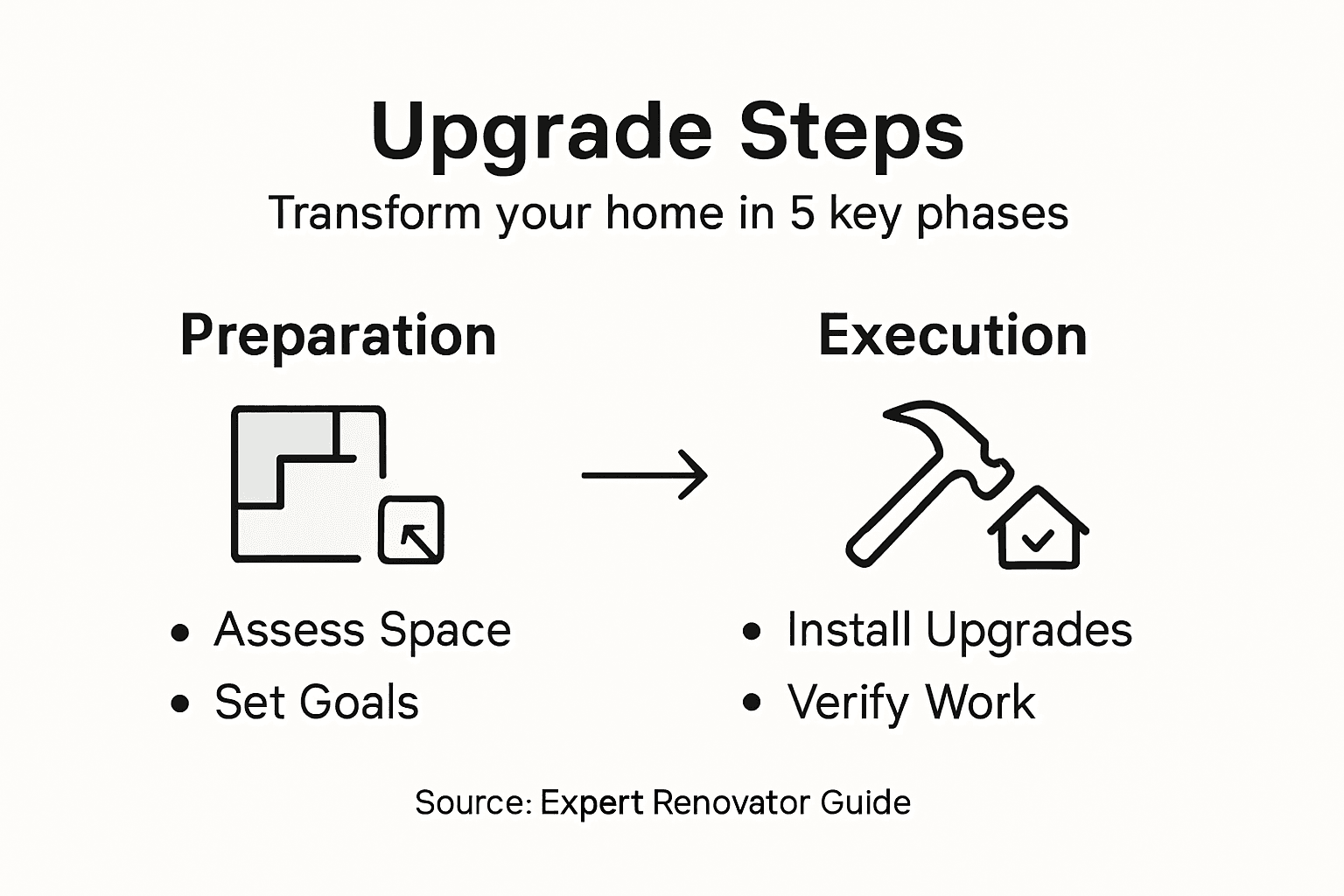
Begin by establishing clear communication protocols with your contractors. Schedule daily or weekly check-ins to monitor progress, address potential challenges, and confirm work aligns with your design specifications. Sequencing is crucial work should proceed logically from demolition through structural modifications to finishing touches. Verify each subcontractor understands their specific responsibilities and the overall project timeline. Keep comprehensive documentation of all work performed, including photographs documenting progress and any modifications from the original plan.
As installations progress, conduct rigorous quality control checks. Carefully inspect each upgrade as it is completed to ensure proper fit, finish, and functionality. Renovation success depends on methodical installation and ongoing oversight, so do not hesitate to pause work if something does not meet your expectations. Pay special attention to critical areas like electrical work, plumbing connections, and structural integrity. Maintain a flexible yet disciplined approach that allows for necessary adjustments while keeping the project moving forward efficiently.
Pro Tip: Photograph each stage of installation for your personal records and potential future insurance or resale documentation.
Step 5: Verify Work Quality and Finalize Details
Your renovation journey reaches its critical final stage where meticulous attention transforms good work into exceptional results. Systematic quality control ensures project success by catching and addressing potential issues before project completion.
Conduct a comprehensive walkthrough with your contractors, systematically examining every aspect of the renovation. Inspect surfaces for smoothness, paint consistency, alignment of fixtures, and precision of installations. Check that electrical outlets function correctly, plumbing connections are secure, and flooring transitions appear seamless. Create a detailed punch list documenting any imperfections or areas requiring touch up. Verify that all work matches the original design specifications and your initial vision. Request immediate corrections for any discrepancies, ensuring each element meets professional standards before final sign off.
Focus on understanding maintenance requirements for your new installations. Request detailed documentation from contractors about proper care for new surfaces, materials, and fixtures. Comprehensive documentation supports long term project success, helping you preserve the quality of your renovations. Schedule any recommended initial maintenance appointments and archive all warranty information for future reference.
This table compares the roles of preparation and quality control in renovation success:
| Process | Main Focus | Typical Outcome |
|---|---|---|
| Area preparation | Minimizes project disruption | Clean, organized work zone |
| Quality control | Ensures lasting finish | Fewer post-project repairs |
Pro Tip: Take high resolution photographs of completed work from multiple angles to document the transformation and maintain a record for potential future insurance or resale purposes.
Bring Your Interior Upgrade Vision to Life with Expert Construction Support
Transforming your home requires more than just understanding your space and design goals. The challenges of precise measurements, budgeting, selecting quality materials, and ensuring flawless installation can quickly become overwhelming. If you want to avoid delays and costly errors, partnering with a trusted construction and remodeling team is essential. At Astrotech Construction, we specialize in guiding homeowners in the Dallas – Fort Worth Metroplex through every step of their renovation journey, from home remodeling to kitchen and bathroom upgrades.
Take control of your interior upgrade now by working with experienced professionals who value quality assurance and clear communication. Let us help you turn your strategic plans and design dreams into a seamless renovation reality. Visit Astrotech Construction to explore our full range of services and schedule a consultation that puts your home transformation on the fast track to success.
Frequently Asked Questions
What are the first steps in transforming my home?
Start by assessing your current space and defining your design goals. Walk through each room with a measuring tape and notebook to note measurements and identify functional challenges that need improvement.
How should I budget for my home renovation?
Determine a comprehensive budget by allocating funds to different rooms based on their priority and potential impact. Create a detailed spreadsheet to track all potential expenses, aiming to dedicate around 50% of your budget to primary living areas.
What materials do I need to prepare for my renovation project?
Compile a comprehensive materials list that includes all necessary items like paint, flooring, and fixtures. Research high-quality materials, request samples, and purchase slightly more than your exact measurements to accommodate any unexpected issues.
How can I ensure quality during the renovation process?
Conduct thorough quality control checks throughout the installation phases. Inspect each completed upgrade for proper fit and functionality, and document any areas needing correction on a punch list before final approval.
What should I do after the renovation is complete?
After your renovation, conduct a final walkthrough with your contractors to inspect all work. Understand maintenance requirements for new installations and organize any warranty information for future reference.
Recommended
- Complete Guide to Why Renovate Your Home – Astrotech Construction
- Why Upgrade Your Kitchen: Complete Essential Guide – Astrotech Construction
- 7 Inspiring Examples of Remodeling Projects to Elevate Your Space – Astrotech Construction
- Modernize Your Living Space: Real Value for Homeowners – Astrotech Construction