
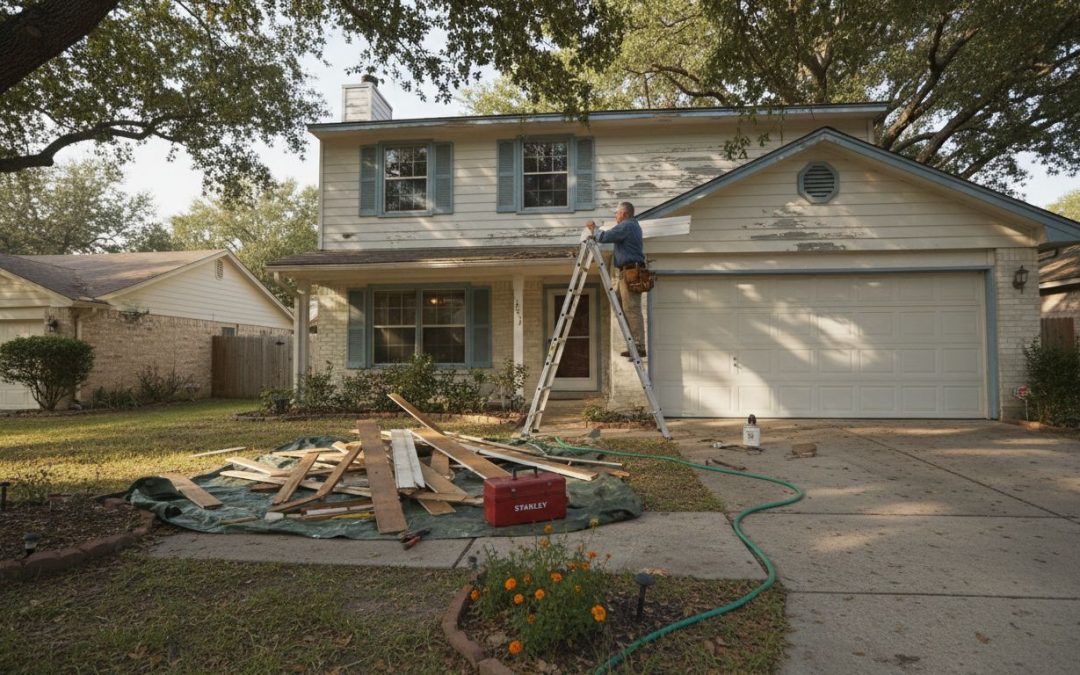
Over half of American homeowners admit they underestimate the impact of exterior repairs on both property value and long-term costs. Neglecting basic maintenance can quickly turn minor issues into major headaches. For any American looking to protect their most valuable asset, understanding the real importance of exterior repairs can mean the difference between costly surprises and lasting peace of mind. This guide clears up common misconceptions, revealing why strategic repairs go far beyond surface appeal.
Table of Contents
- Defining Exterior Repairs And Common Misconceptions
- Types Of Exterior Repairs And Their Impact
- How Exterior Upgrades Protect Structures
- Financial And Structural Risks Of Delayed Repairs
- Curb Appeal, Property Value, And Insurance Implications
Key Takeaways
| Point | Details |
|---|---|
| Importance of Exterior Repairs | Exterior repairs are essential for maintaining property value and structural integrity, beyond mere aesthetics. They prevent progressive damage and future costly repairs. |
| Long-Term Financial Implications | Neglecting exterior maintenance can lead to significantly increased repair costs and reduced property value. Timely interventions are a vital financial strategy. |
| Curb Appeal and Market Value | Strategic exterior improvements enhance curb appeal and can substantially boost resale value, attracting potential buyers and favorable insurance terms. |
| Systematic Maintenance Approach | Regular inspections and high-quality material use are crucial for effective exterior repairs, transforming maintenance into proactive investments. |
Defining Exterior Repairs and Common Misconceptions
Exterior repairs represent strategic maintenance investments that protect and enhance property value far beyond simple cosmetic improvements. Exterior repairs encompass a comprehensive range of maintenance and restoration activities targeting a home’s outer structure, including roofing, siding, windows, foundation, and landscaping elements. While many homeowners mistakenly view these repairs as optional expenses, they are critical interventions that prevent progressive damage and maintain structural integrity.
Contrary to popular belief, exterior repairs are not just about aesthetic appearances. The National Roof Certification and Inspection Association highlights that regular maintenance prevents costly structural deterioration. Homeowners often underestimate the long-term financial implications of neglecting exterior maintenance, assuming minor issues will resolve themselves or that temporary fixes are sufficient. This misconception can lead to exponentially more expensive repairs and significant property value reduction.
Key categories of exterior repairs include:
- Roofing maintenance: Addressing shingle damage, leak prevention
- Siding restoration: Repairing or replacing damaged exterior cladding
- Window and door sealing: Preventing moisture intrusion and improving energy efficiency
- Foundation stabilization: Addressing cracks, settling, and structural integrity issues
- Drainage system improvements: Managing water flow to prevent erosion and water damage
Professional exterior repair strategies focus on systematic inspection and high-quality material selection to ensure long-lasting results. Homeowners who proactively address exterior maintenance can potentially increase their property’s market value, reduce future repair costs, and protect their most significant financial investment. Understanding the nuanced approach to exterior repairs transforms them from reactive expenses into strategic property enhancement opportunities.
Types of Exterior Repairs and Their Impact
Exterior repairs represent strategic investments that significantly influence property value and structural longevity. These repairs span multiple critical areas of a home’s outer structure, each contributing uniquely to maintaining and enhancing property condition. Consumer Reports highlights that strategic exterior improvements can substantially boost home resale potential.
The most impactful exterior repair categories include roofing, siding, foundation work, landscaping, and architectural elements. Roofing repairs, for instance, prevent water damage and structural deterioration, while siding restoration protects against environmental wear and improves thermal efficiency. Foundation stabilization addresses critical structural integrity issues that can dramatically affect a home’s overall value and safety.
Key exterior repair types with significant property value implications include:
- Roof replacement: Prevents water damage, improves energy efficiency
- Siding repair/replacement: Enhances aesthetic appeal and structural protection
- Window and door upgrades: Improves energy performance and security
- Landscaping improvements: Increases curb appeal and property attractiveness
- Exterior painting: Protects surfaces and refreshes visual appearance
Home improvement studies from BECU demonstrate that targeted exterior upgrades like garage door replacements and steel entry doors can yield substantial returns on investment. Homeowners who strategically approach exterior repairs not only protect their property but also create opportunities for significant value appreciation. The key is understanding which repairs provide the most meaningful impact on both structural integrity and market perception.
How Exterior Upgrades Protect Structures
Exterior upgrades serve as critical defensive mechanisms that shield residential structures from environmental degradation and potential structural compromise. Homeowners who invest strategically in these improvements create robust protective barriers that extend far beyond aesthetic enhancements. PestWorld.org emphasizes the crucial role of systematic maintenance in preserving home structural integrity and long-term value.
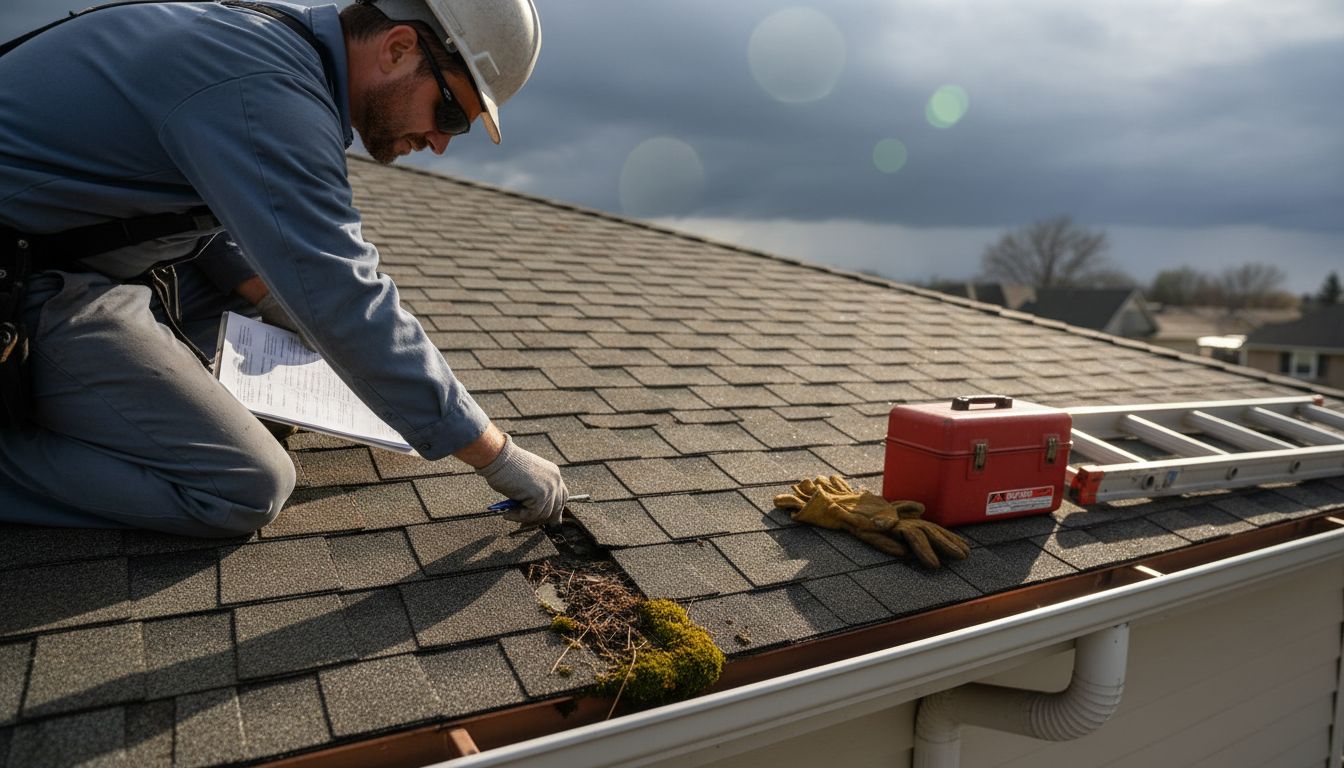
Structural protection through exterior upgrades involves multiple interconnected strategies designed to prevent progressive damage. Critical areas of focus include moisture prevention, pest resistance, thermal regulation, and foundational stability. Roof replacements, for instance, not only improve visual appeal but create essential waterproof barriers that prevent water infiltration. Siding upgrades provide additional layers of protection against wind, rain, and temperature fluctuations that can compromise a home’s structural framework.
Key protective strategies for exterior upgrades include:
- Weatherproofing: Sealing potential entry points for moisture and drafts
- Insulation enhancements: Improving energy efficiency and temperature control
- Foundation reinforcement: Addressing potential structural weaknesses
- Drainage system optimization: Preventing water accumulation and soil erosion
- Pest barrier installations: Creating protective shields against potential structural damage
Impact Wealth highlights the importance of using high-quality materials and conducting thorough inspections to ensure comprehensive structural protection. Proactive homeowners recognize that exterior upgrades are not merely cosmetic investments but critical defensive strategies that protect their property’s structural integrity, prevent costly future repairs, and maintain long-term property value. The most effective approach combines regular maintenance, strategic upgrades, and professional assessments to create a holistic protection framework.
Financial and Structural Risks of Delayed Repairs
Delayed exterior repairs can transform minor maintenance issues into catastrophic financial burdens that exponentially increase repair costs and compromise property structural integrity. The National Roof Certification and Inspection Association warns that neglecting regular roof inspections can lead to undetected issues resulting in substantial damage. What begins as a small leak or minor structural weakness can rapidly escalate into comprehensive system failures that require extensive and expensive interventions.
The financial implications of postponing exterior repairs extend far beyond immediate repair costs. Minor structural damages can create cascading problems that compromise multiple home systems, including foundation stability, electrical infrastructure, and internal wall structures. Water intrusion, for instance, can lead to mold growth, wood rot, and compromised insulation, transforming a simple repair into a complex restoration project requiring significant financial investment.
Key financial and structural risks of delayed repairs include:
- Exponential repair costs: Minor issues becoming major structural problems
- Decreased property value: Visible damage reducing market attractiveness
- Increased energy inefficiency: Compromised insulation and seal integrity
- Potential safety hazards: Structural weaknesses threatening occupant safety
- Insurance complications: Potential claim denials due to neglected maintenance
PestWorld.org emphasizes how delaying essential maintenance can result in significant financial losses and extensive structural damage. Proactive homeowners understand that timely repairs are not expenses but strategic investments that protect their property’s structural integrity, prevent progressive damage, and maintain long-term property value. The most prudent approach involves regular professional inspections, immediate intervention for identified issues, and a comprehensive maintenance strategy that addresses potential vulnerabilities before they become critical problems.
Curb Appeal, Property Value, and Insurance Implications
Curb appeal represents a critical factor in property valuation, directly influencing both market perception and potential financial returns. Consumer Reports emphasizes that strategic exterior enhancements can significantly boost a home’s resale value and overall market attractiveness. Potential buyers form initial impressions within seconds of viewing a property, making exterior appearance a pivotal element in real estate transactions.
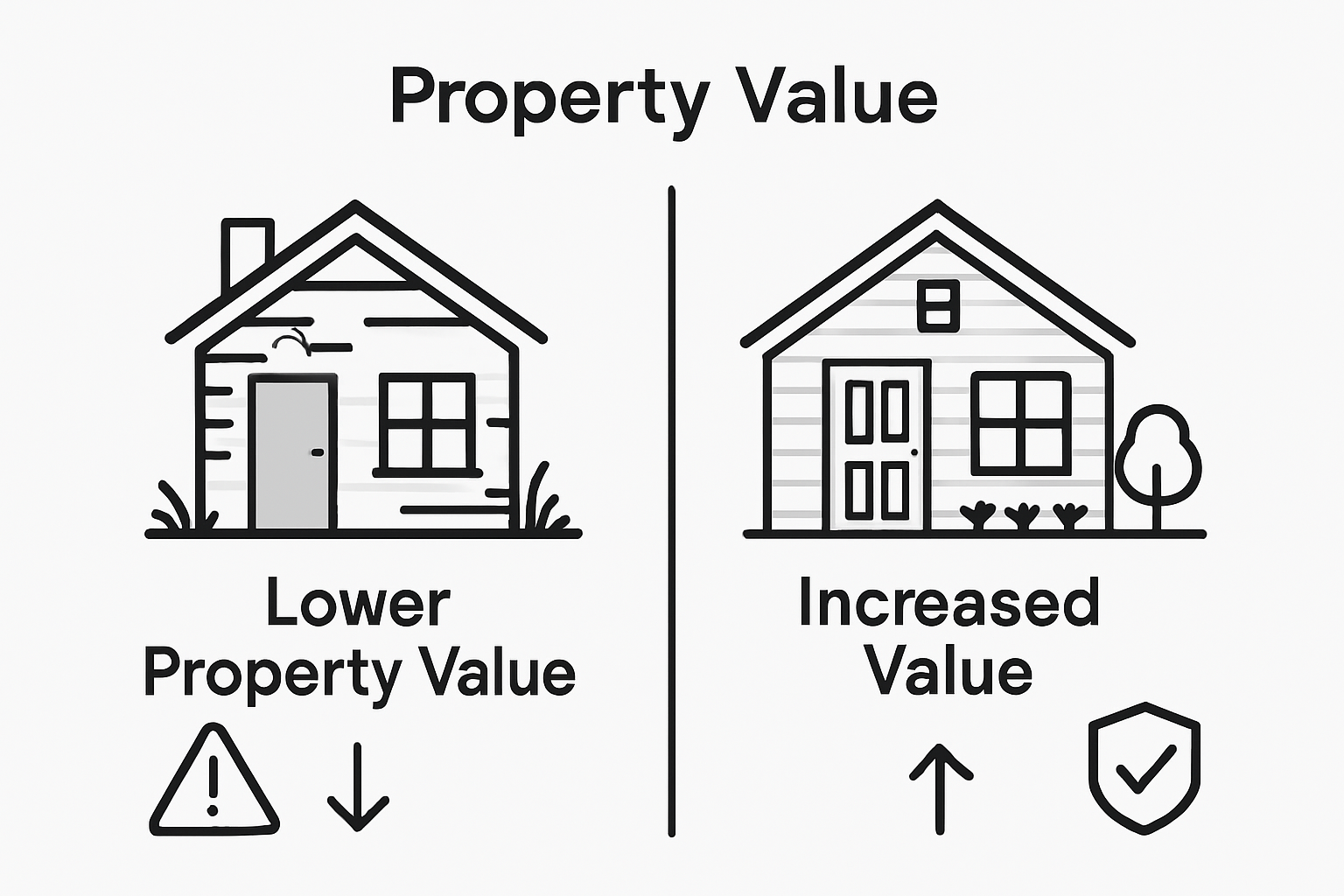
Property value is intrinsically linked to visual presentation and structural integrity. Strategic exterior improvements go beyond aesthetic considerations, serving as tangible investments that generate measurable financial returns. Well-maintained exteriors signal comprehensive property care, reducing perceived risk for potential buyers and insurance providers. Professional landscaping, updated entryways, and meticulously maintained structural elements communicate a narrative of responsible homeownership.
Key factors influencing property value through exterior improvements include:
- Architectural enhancements: Modernizing exterior design elements
- Landscaping investments: Creating visually appealing outdoor spaces
- Structural upgrades: Improving functional and aesthetic components
- Energy-efficient modifications: Reducing long-term operational costs
- Maintenance consistency: Demonstrating ongoing property care
BECU highlights that specific exterior improvements like garage door replacements and steel entry doors can yield substantial returns on investment. Insurance providers also evaluate exterior maintenance as a critical risk assessment factor. Properties with documented, proactive maintenance often receive more favorable insurance evaluations, potentially resulting in reduced premiums and enhanced coverage options. Homeowners who view exterior upgrades as strategic financial investments rather than mere aesthetic expenses position themselves for long-term economic benefits.
Protect Your Property Value with Expert Exterior Repairs
Neglecting exterior repairs can lead to costly damage that damages your home’s value and safety. This article highlights the importance of timely roofing, siding, and foundation maintenance to prevent structural issues and financial risks. If you want to avoid costly delays and protect your investment, professional help is essential.
Discover how AstroTech Construction offers trusted roofing, siding, and storm damage repair services tailored to the Dallas – Fort Worth Metroplex. Our experienced team uses quality materials and thorough inspections to ensure long-lasting exterior upgrades that boost curb appeal and improve energy efficiency. Schedule your consultation today at AstroTech Construction and take the first step toward securing your home’s future and increasing its market value.
Frequently Asked Questions
Why are exterior repairs important for property value?
Exterior repairs protect and enhance a property’s structural integrity and aesthetic appeal, which are crucial for maintaining and increasing property value.
What types of exterior repairs should I prioritize?
Key exterior repairs to prioritize include roofing maintenance, siding restoration, window and door sealing, foundation stabilization, and drainage system improvements.
How do delayed exterior repairs impact my home’s value?
Delaying exterior repairs can lead to exponential increases in repair costs, decreased property value, and potential safety hazards that could deter buyers.
What role does curb appeal play in property valuation?
Curb appeal is vital as it forms the first impression for potential buyers, directly influencing their perception and the overall market value of a property.
Recommended
- What Is Exterior Remodeling? Complete Overview 2024 – Astrotech Construction
- Why Remodel Before Selling? Boost Home Value Fast – Astrotech Construction
- 7 Essential Examples of Home Repairs Every Owner Should Know – Astrotech Construction
- Complete Guide to Why Renovate Your Home – Astrotech Construction