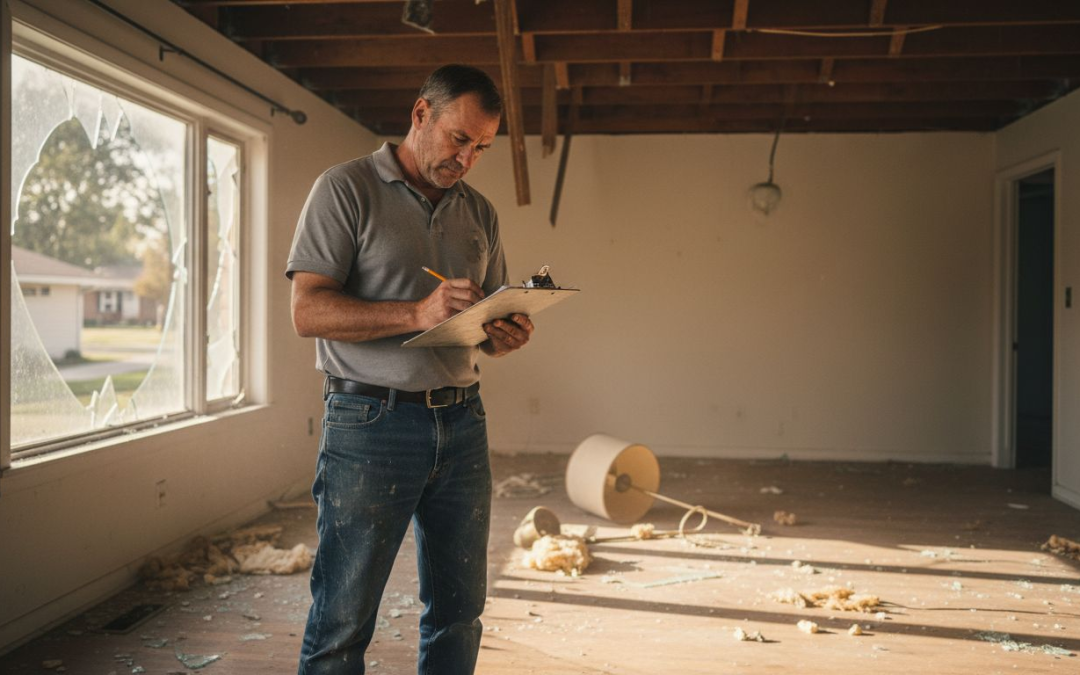
Over 40 percent of American homeowners will face property damage that demands more than a quick fix. After a disaster strikes, the journey to restore your home can feel intimidating and urgent. Understanding renovation after damage is not just about repairing what you can see. It means restoring safety, protecting property value, and ensuring your family’s well-being for the future. This guide explains the essential steps every American should know to recover fully and wisely.
Table of Contents
- What Renovation After Damage Means
- Types of Property Damage Requiring Renovation
- Restoring Safety and Structural Integrity
- Meeting Insurance and Legal Requirements
- Financial Impact and Property Value Considerations
- Common Pitfalls and How to Avoid Them
Key Takeaways
| Point | Details |
|---|---|
| Comprehensive Renovation Approach | Renovation after damage encompasses repairing, remediating, and restoring properties to ensure functionality and safety, not just aesthetic fixes. |
| Critical Damage Types | Water, fire, storm, and structural damage are common issues that require specialized renovation strategies to maintain property integrity. |
| Importance of Documentation | Thorough documentation of damage and renovation processes is essential for insurance claims and ensuring compliance with legal requirements. |
| Professional Assessment is Key | Engaging certified restoration professionals for damage assessments and renovations helps identify potential hidden issues and ensure compliance with safety standards. |
What Renovation After Damage Means
Renovation after damage is more than just fixing broken surfaces. It represents a comprehensive process of restoring a property to its original condition or potentially improving its functionality and resilience. According to the restoration industry standards, this process involves repairing, remediating, and returning damaged structures to their pre-loss condition after events like water, fire, mold, or storm damage.
The core objective of damage renovation goes beyond simple repairs. Structural restoration aims to address not just visible damage, but underlying issues that could compromise the building’s integrity. This means carefully assessing and remedying potential weaknesses exposed by the initial damage. Whether it’s water intrusion that has weakened wall structures, fire damage that has compromised electrical systems, or storm damage that has impacted the roof’s structural support, comprehensive renovation tackles these challenges systematically.
Key elements of damage renovation include:
- Comprehensive damage assessment
- Structural stabilization
- Material replacement
- Moisture and potential mold remediation
- Restoration of functional systems
Understanding renovation as a process of restoring spaces to a good state of repair helps homeowners recognize it’s not just about cosmetic fixes. It’s a strategic approach to maintaining property value, ensuring safety, and preventing future deterioration.
Pro Tip: Professional Damage Assessment: Always hire a certified damage restoration professional who can provide a comprehensive evaluation of both visible and potential hidden damages before beginning any renovation work.
Types of Property Damage Requiring Renovation
Property damage comes in many forms, each presenting unique challenges that often necessitate comprehensive renovation. Comprehensive property damage assessments reveal several critical types of damage that homeowners must address to maintain structural integrity and safety.
Structural Damage Types include foundational issues, roof deterioration, and significant wall damage. These problems can emerge from various sources such as natural disasters, long-term wear, or sudden environmental impacts. Physical deterioration markers like foundation cracks, roof damage, and worn flooring are key indicators that immediate renovation might be necessary. Structural damage is particularly concerning because it can compromise the entire building’s stability and safety.
Primary Categories of Property Damage:
- Water Damage
- Fire Damage
- Storm and Wind Damage
- Pest Infestation Damage
- Foundation and Structural Shifts
- Electrical System Deterioration
- Mold and Moisture Intrusion
Each damage type requires a specialized approach. Water damage, for instance, can lead to mold growth and wood rot, while fire damage might necessitate complete system replacements beyond visible surface repairs. Storm damage often involves complex restoration processes that address both exterior and interior structural components.
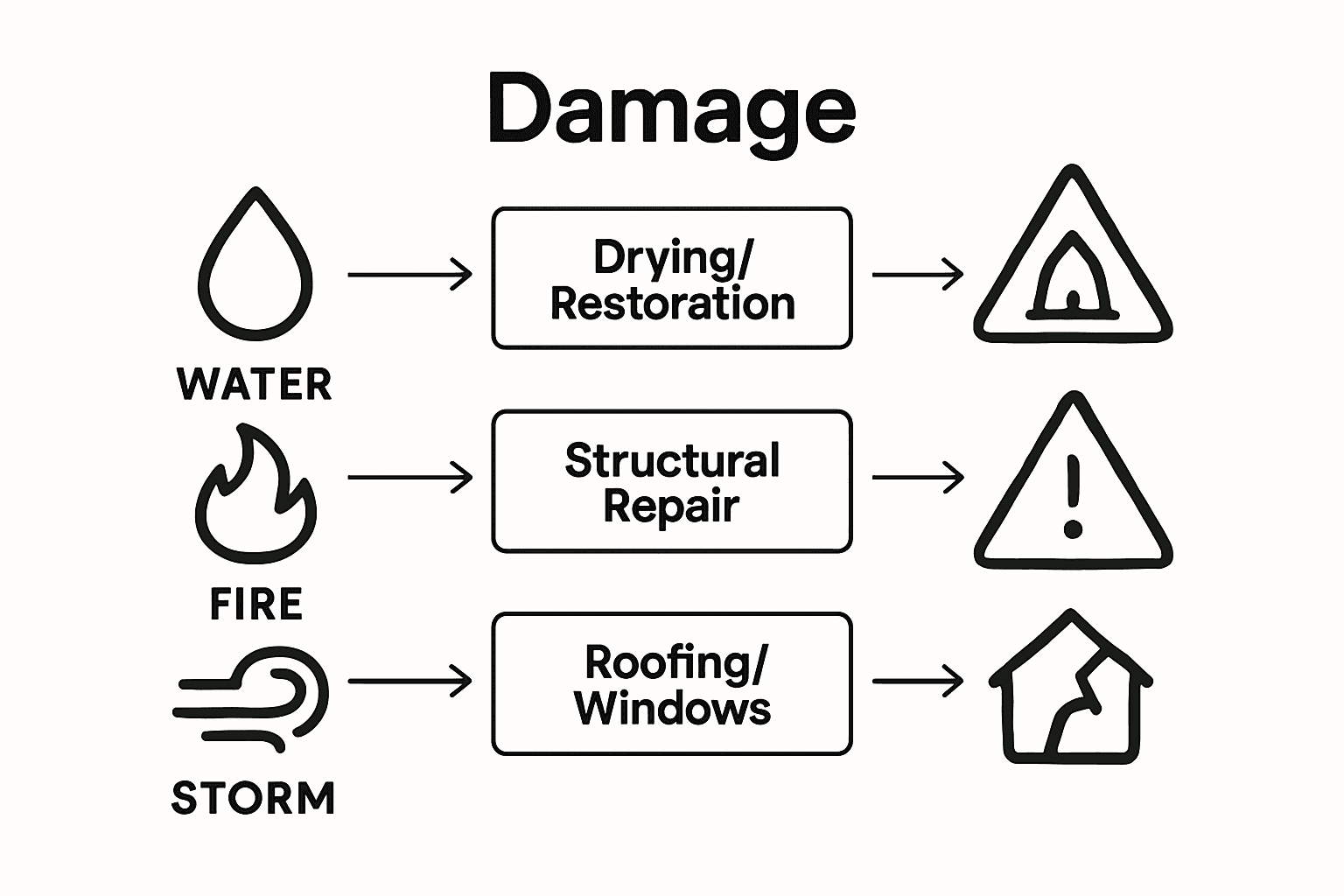
Here is a comparison of how different types of property damage can impact renovation needs and long-term property stability:
| Damage Type | Common Renovation Actions | Long-Term Impact on Property |
|---|---|---|
| Water Damage | Mold removal, structural drying | Risk of rot and future mold |
| Fire Damage | Electrical system replacement | Smoke odor, weakened structure |
| Storm/Wind Damage | Roof/frame repair, waterproofing | Leaks, insulation problems |
| Pest Infestation | Wood replacement, pest control | Ongoing structural vulnerability |
| Foundation Shifts | Foundation leveling, wall bracing | Settling, cracks, safety hazards |
| Electrical Deterioration | System upgrades, wire replacement | Fire hazard, code non-compliance |
| Mold/Moisture Intrusion | Remediation, ventilation upgrades | Decreased air quality, health risk |
Pro Tip: Damage Documentation: Always photograph and document all property damage comprehensively before beginning renovation work, as this documentation can be crucial for insurance claims and professional assessment.
Restoring Safety and Structural Integrity
Restoring safety and structural integrity is a critical process that goes far beyond simple repairs. Post-disaster renovations are essential to eliminate safety and public health hazards, addressing potential threats like structural weaknesses, hazardous materials, and hidden damage that could compromise a building’s long-term stability.
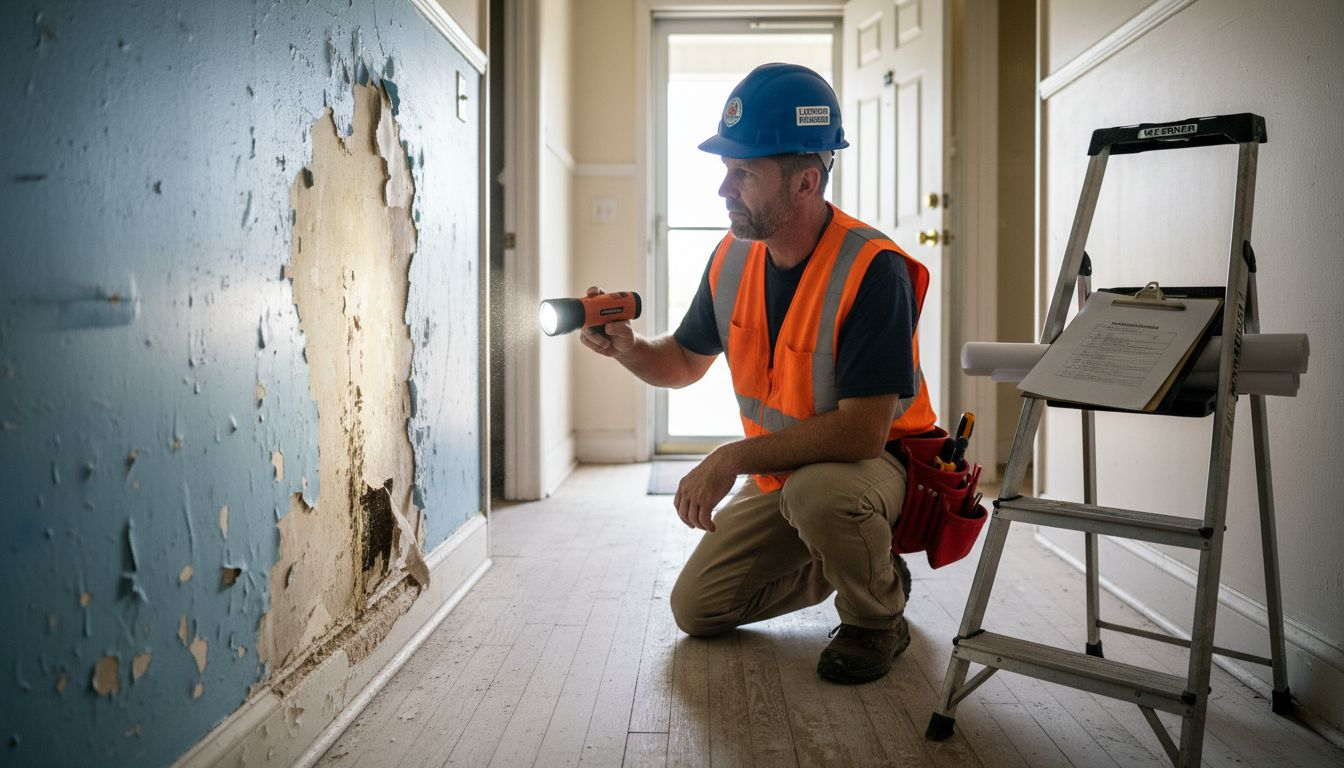
Critical Safety Restoration Components involve comprehensive assessment and strategic intervention. This means identifying not just visible damage, but potential underlying issues that might not be immediately apparent. Structural engineers and renovation professionals conduct detailed inspections to map out precise repair strategies. Key areas of focus include foundation reinforcement, load-bearing wall integrity, electrical system safety, and elimination of potential health risks such as mold, asbestos, or lead-based paint contamination.
Key Safety Restoration Strategies:
- Comprehensive structural assessment
- Hazardous material removal
- Foundation reinforcement
- Electrical system safety upgrades
- Moisture and environmental contamination control
- Structural reinforcement techniques
Protecting the property’s integrity during renovation requires meticulous planning and expert implementation. This involves not just repairing damage, but proactively implementing measures that prevent future structural vulnerabilities. Professional renovators use advanced diagnostic tools, specialized materials, and precise engineering techniques to ensure that restored structures meet or exceed current safety standards.
Pro Tip: Professional Safety Audit: Always request a comprehensive safety audit from certified structural engineers before finalizing any renovation plan, ensuring all potential risks are identified and addressed systematically.
Meeting Insurance and Legal Requirements
Understanding insurance policy details is a critical first step in navigating post-damage renovation. Property owners must carefully review their insurance coverage, which typically encompasses rebuilding expenses, personal property replacement, and potential additional living expenses during the renovation process.
Key Legal and Insurance Considerations involve multiple complex layers of compliance and documentation. Homeowners must be prepared to provide comprehensive evidence of damage, detailed renovation plans, and professional assessment reports. Verification Requirements include obtaining proper permits, ensuring contractor credentials, and maintaining meticulous records of all renovation activities and expenses.
Critical Documentation and Compliance Elements:
- Detailed damage documentation
- Insurance claim filing procedures
- Professional inspection reports
- Contractor licensing verification
- Permit acquisition process
- Compliance with local building codes
- Comprehensive expense tracking
Navigating local permitting processes is mandatory and can significantly impact renovation timelines and legal standing. Unpermitted work can result in substantial financial penalties, potential legal liabilities, and complications with future property sales or insurance claims. Professional renovation companies typically manage these complex regulatory requirements, ensuring all necessary documentation and approvals are secured before beginning reconstruction.
Pro Tip: Insurance Documentation: Create a dedicated digital and physical file containing all renovation-related documents, including estimates, permits, contracts, and communication records, to streamline insurance claims and potential legal proceedings.
Financial Impact and Property Value Considerations
Insurance updates after home renovations are crucial to protecting your financial investment. Failing to adjust your coverage can leave homeowners vulnerable to significant monetary losses, especially after substantial property improvements or damage repairs.
Property Value Calculation Factors involve complex evaluations that go beyond simple repair costs. Professional assessors consider multiple elements including structural integrity, modernization level, compliance with current building codes, and potential future marketability. Critical Financial Considerations include understanding how renovation investments translate into actual property value increases and potential return on investment.
Key Financial Evaluation Elements:
- Repair cost versus property value ratio
- Potential market value appreciation
- Insurance coverage adjustments
- Long-term structural investment value
- Cost recovery potential
- Local real estate market trends
- Energy efficiency improvements
Substantial damage determinations reveal critical financial thresholds that property owners must understand. When repair costs equal or exceed 50% of a structure’s market value, significant compliance requirements are triggered. This means renovations are not just about fixing damage, but potentially reconstructing to meet current regulatory standards, which can substantially impact overall project expenses.
The following table summarizes key factors that influence the total financial impact of post-damage renovations:
| Factor | Effect on Cost | Effect on Future Value |
|---|---|---|
| Scope of Structural Repairs | Significantly increases | Ensures stable property |
| Modernization Level | May raise upfront costs | Boosts resale value |
| Code Compliance | Requires added investment | Makes future sales smoother |
| Energy Efficiency Upgrades | Moderate increase | Attracts buyers, lowers bills |
| Documentation Quality | Improves claim payouts | Supports value verification |
Pro Tip: Value Documentation: Maintain detailed documentation of all renovation expenses, including materials, labor, and professional assessments, to accurately track your investment and support potential future property value claims.
Common Pitfalls and How to Avoid Them
Property Damage Renovation Challenges can quickly become overwhelming without proper planning and strategic approach. Floodplain management requirements demand careful communication with local building departments to prevent costly mistakes and unnecessary project delays. Homeowners must proactively understand and navigate complex regulatory landscapes that govern post-damage reconstruction.
Major Renovation Pitfalls to Anticipate:
- Insufficient damage documentation
- Inadequate insurance coverage
- Overlooking hidden structural issues
- Ignoring local building code requirements
- Underestimating total renovation costs
- Hiring unqualified contractors
- Failing to obtain necessary permits
Navigating post-disaster recovery requires meticulous attention to detail. Temporary repair protocols are critical, with a specific caution against disposing of damaged items before insurance assessment. Homeowners should document every aspect of damage, photograph affected areas comprehensively, and maintain detailed records to support potential insurance claims and renovation efforts.
Strategic Risk Mitigation Approaches:
- Conduct thorough initial damage assessment
- Consult multiple professional contractors
- Verify all contractor credentials and licenses
- Understand complete scope of required repairs
- Develop comprehensive renovation budget
- Create detailed project timeline
- Maintain open communication with insurance providers
Pro Tip: Damage Documentation: Photograph and videotape all damage immediately, creating a comprehensive visual record before any cleanup or temporary repairs begin, to ensure maximum insurance claim support.
Restore Safety and Value with Expert Renovation Services
When your property faces damage from storms, water, or fire, understanding the importance of thorough renovation is vital to protect your safety and investment. This article highlights crucial steps such as comprehensive damage assessment, structural stabilization, and meeting legal requirements—challenges that can feel overwhelming without experienced guidance. You deserve peace of mind knowing that hidden issues and safety risks are professionally addressed to restore your property’s integrity and value.
At Astrotech Construction, we specialize in turning your damage recovery into a smooth, effective process. From roof replacements and storm damage repair to full home remodeling, our expert team in the Dallas – Fort Worth Metroplex ensures your renovation meets the highest standards for safety and compliance. We prioritize quality assurance and clear communication so you avoid common pitfalls like inadequate documentation or unpermitted work.
Ready to protect your home or business and enhance its future market value with trusted renovation solutions?
Explore how our comprehensive storm damage repair and full home remodeling services can restore your property. Contact us today at Astrotech Construction to schedule your free consultation and take the first step toward a safer, stronger, and more beautiful space.
Frequently Asked Questions
What is meant by renovation after damage?
Renovation after damage refers to the comprehensive process of restoring a property to its original condition or improving its functionality and resilience after events like water, fire, mold, or storm damage.
Why is a professional damage assessment important before renovation?
A professional damage assessment is crucial as it provides a thorough evaluation of both visible and potential hidden damages, ensuring that all issues are addressed to maintain safety and structural integrity during the renovation process.
What types of property damage typically require renovation?
Common types of property damage that require renovation include water damage, fire damage, storm damage, pest infestation, foundation and structural shifts, electrical system deterioration, and mold or moisture intrusion.
How can post-damage renovation impact property value?
Post-damage renovation can significantly impact property value by ensuring compliance with current building codes, enhancing structural integrity, and improving energy efficiency, all of which can lead to increased marketability and resale value.
Recommended
- Complete Guide to Why Renovate Your Home – Astrotech Construction
- Why Prioritize Exterior Repairs for Property Value – Astrotech Construction
- 7 Inspiring Examples of Remodeling Projects to Elevate Your Space – Astrotech Construction
- Why Renovate Commercial Property: Boost Value and Success – Astrotech Construction