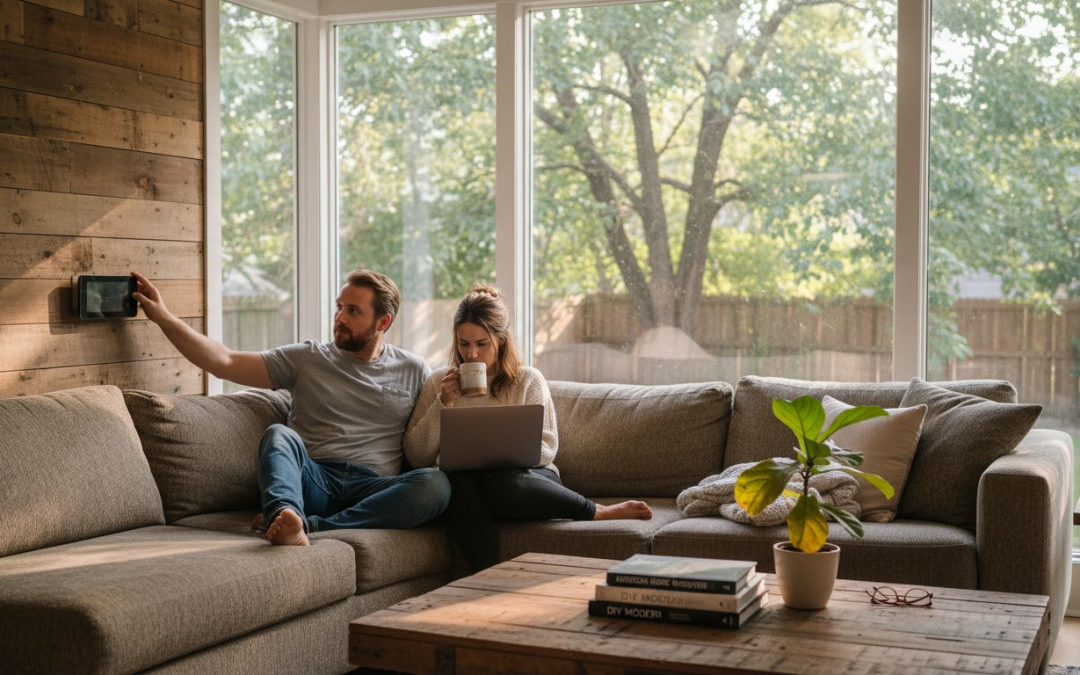
Nearly 80% of American homeowners plan to upgrade their living spaces within the next five years, reflecting a growing desire for homes that balance style and smart functionality. In fast-growing communities like Dallas and Fort Worth, modern renovation ideas are transforming the way people use their kitchens and bathrooms, turning routine spaces into personalized sanctuaries. This guide highlights the latest trends and practical strategies for American homeowners ready to make their homes more attractive, efficient, and responsive to daily life.
Table of Contents
- What Modernizing Your Living Space Means
- Popular Upgrades and Style Trends
- Enhancing Functionality and Comfort
- Financial Benefits and Return on Investment
- Common Mistakes to Avoid in Renovation
Key Takeaways
| Point | Details |
|---|---|
| Modernization as a Holistic Approach | Transform your living space to enhance both aesthetics and functionality, integrating technology for a supportive environment. |
| Focus on Flexibility | Use modular design and multifunctional furniture to create adaptable spaces that meet evolving lifestyle needs. |
| Financial Benefits | Strategic renovations can significantly increase property value and reduce utility costs, offering a strong return on investment. |
| Avoid Common Renovation Mistakes | Plan meticulously by budgeting adequately and selecting qualified contractors to ensure smooth renovation processes. |
What Modernizing Your Living Space Means
Modernizing your living space transcends simple aesthetic upgrades – it represents a holistic transformation of your home environment to meet evolving lifestyle demands. Contemporary home design focuses on creating dynamic, adaptable spaces that seamlessly integrate technology, functionality, and personal expression. By reimagining your living areas, you can develop spaces that not only look stunning but also support your daily activities with intelligent design solutions.
The concept of modernization goes far beyond surface-level changes. Contemporary living spaces are now designed to respond to shifting demographic and lifestyle needs, emphasizing flexibility and multi-functional design. This means creating environments that can easily transition between work, relaxation, entertainment, and personal growth. Modern homeowners seek spaces that are not static but responsive – rooms that can be quickly reconfigured to support different activities without requiring extensive renovations.
Technological integration plays a critical role in modernizing living spaces. Smart home systems, energy-efficient appliances, and adaptive design elements transform traditional rooms into intelligent environments that anticipate and support resident needs. From automated lighting and climate control to integrated workspaces and entertainment zones, modern homes are becoming increasingly sophisticated ecosystems that enhance comfort, productivity, and personal well-being.
Pro tip: Start your modernization journey by conducting a thorough assessment of how you currently use each living space and identify potential areas for improved functionality and design flexibility.
Here’s a concise summary of modernization features and their home impact:
| Modern Feature | Functional Benefit | Impact on Daily Life |
|---|---|---|
| Modular Furniture | Flexible room layouts | Easy adaptation for activities |
| Smart Home Systems | Automated environment controls | Elevated comfort and convenience |
| Eco-Friendly Materials | Improved sustainability | Healthier indoor air quality |
| Biophilic Design | Connection to natural elements | Enhanced well-being and mood |
| Acoustic Management | Reduced indoor noise | Tranquil, less stressful ambience |
Popular Upgrades and Style Trends
Homeowners in the Dallas-Fort Worth area are increasingly embracing design transformations that blend aesthetics, functionality, and personal expression. Contemporary design trends showcase a remarkable shift towards eco-friendly materials and customizable living spaces, reflecting a nuanced approach to home modernization that goes well beyond traditional decorative updates.
One prominent trend is the rise of modular design systems that offer unprecedented flexibility. These innovative solutions allow homeowners to reconfigure living spaces quickly, adapting rooms to changing lifestyle needs. Open-concept layouts continue to dominate, with seamless transitions between kitchen, dining, and living areas creating more interactive and dynamic home environments. Multifunctional furniture pieces – such as expandable tables, convertible sofas, and hidden storage solutions – are becoming essential elements in modern home design.
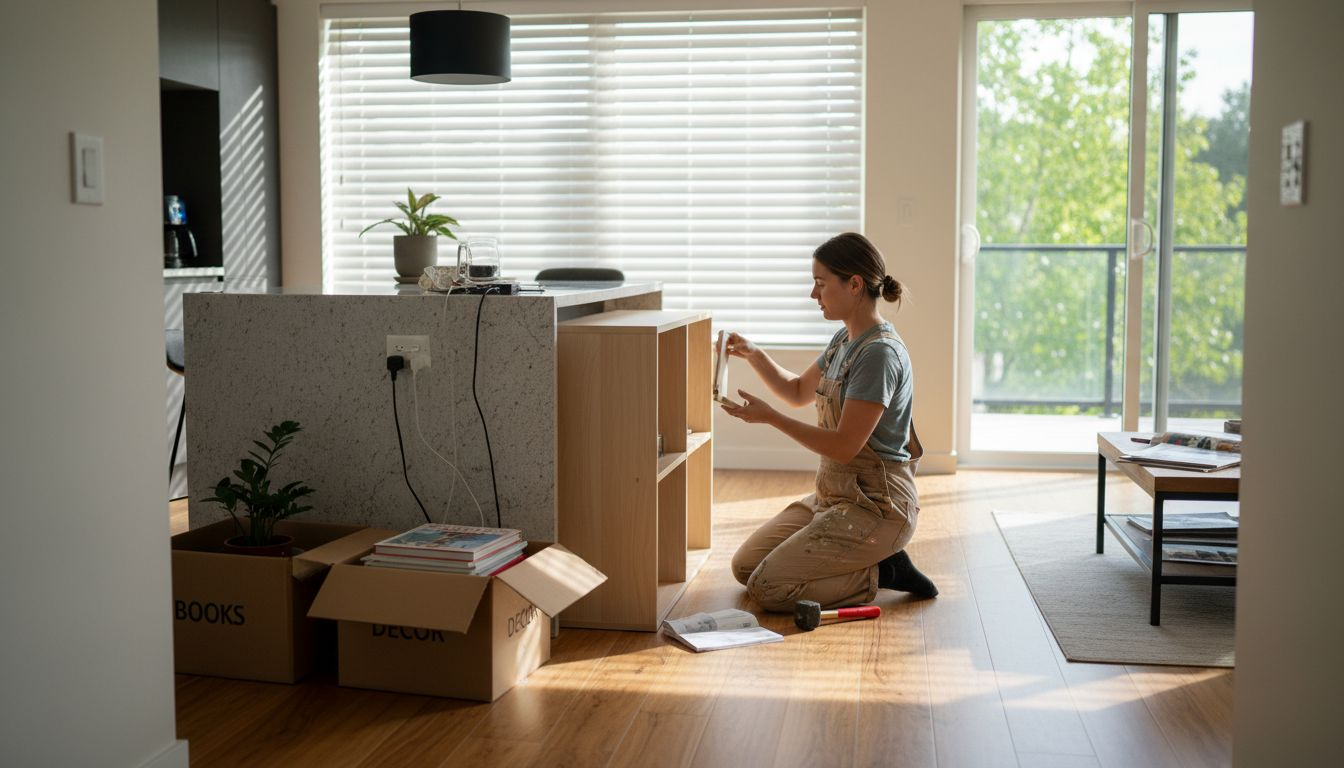
Color and material choices are also experiencing significant evolution. Warm, earthy tones are replacing stark minimalist palettes, with rich terracottas, deep greens, and subtle bronze accents creating inviting atmospheres. Sustainable materials like reclaimed wood, recycled metals, and low-emission composites are gaining popularity, allowing homeowners to make environmentally conscious design choices without sacrificing style. Smart home technology integration remains a key trend, with automated lighting, climate control, and security systems becoming increasingly sophisticated and user-friendly.
Pro tip: When planning home upgrades, prioritize versatile design elements that can adapt to your changing lifestyle and provide long-term functionality and aesthetic appeal.
Enhancing Functionality and Comfort
Creating a truly modern living space goes far beyond aesthetic considerations, focusing intensely on how environments can actively support human well-being and daily functionality. Cutting-edge research demonstrates that strategic design interventions can significantly improve physiological comfort and reduce stress through thoughtful environmental modifications, transforming homes from mere shelters into adaptive, responsive living ecosystems.
Biophilic design principles have emerged as a critical strategy for enhancing residential comfort. By intentionally integrating natural elements like abundant natural lighting, indoor greenery, and improved ventilation systems, homeowners can create spaces that directly support physical and mental health. These design approaches recognize that our living environments profoundly impact our daily energy levels, emotional state, and overall sense of well-being. Strategically placed windows, indoor plant installations, and natural material selections can dramatically transform a space’s sensory experience.
Textile selection and acoustic management represent another sophisticated approach to functional home design. Advanced research highlights how carefully chosen fabrics and sound-management techniques can elevate both the tactile and auditory experience of interior spaces. This means selecting materials that not only look attractive but also provide acoustic dampening, temperature regulation, and sensory comfort. Soft, sound-absorbing curtains, strategically placed area rugs, and intelligent furniture arrangements can create zones of tranquility within busy home environments.
Pro tip: Conduct a comprehensive assessment of your current living space’s comfort levels, identifying specific areas where environmental design can be optimized to support your physical and emotional well-being.
Financial Benefits and Return on Investment
Homeowners considering living space modernization should recognize that strategic renovations are more than aesthetic improvements – they represent significant financial investments with substantial long-term returns. Comprehensive life cycle analyses demonstrate that property renovations consistently offer superior cost-effectiveness and sustainable value compared to complete rebuilds, making them a smart financial strategy for property owners.
Smart home technologies and energy-efficient upgrades play a crucial role in generating financial benefits. Modern renovations that incorporate advanced systems can dramatically reduce utility costs, increase property marketability, and provide ongoing economic advantages. Homeowners can expect measurable financial returns through reduced energy consumption, potential tax incentives, and increased property valuation. Detailed economic research confirms that sustainable building upgrades generate both tangible and intangible returns, with smart technologies driving operational efficiency and long-term cost savings.
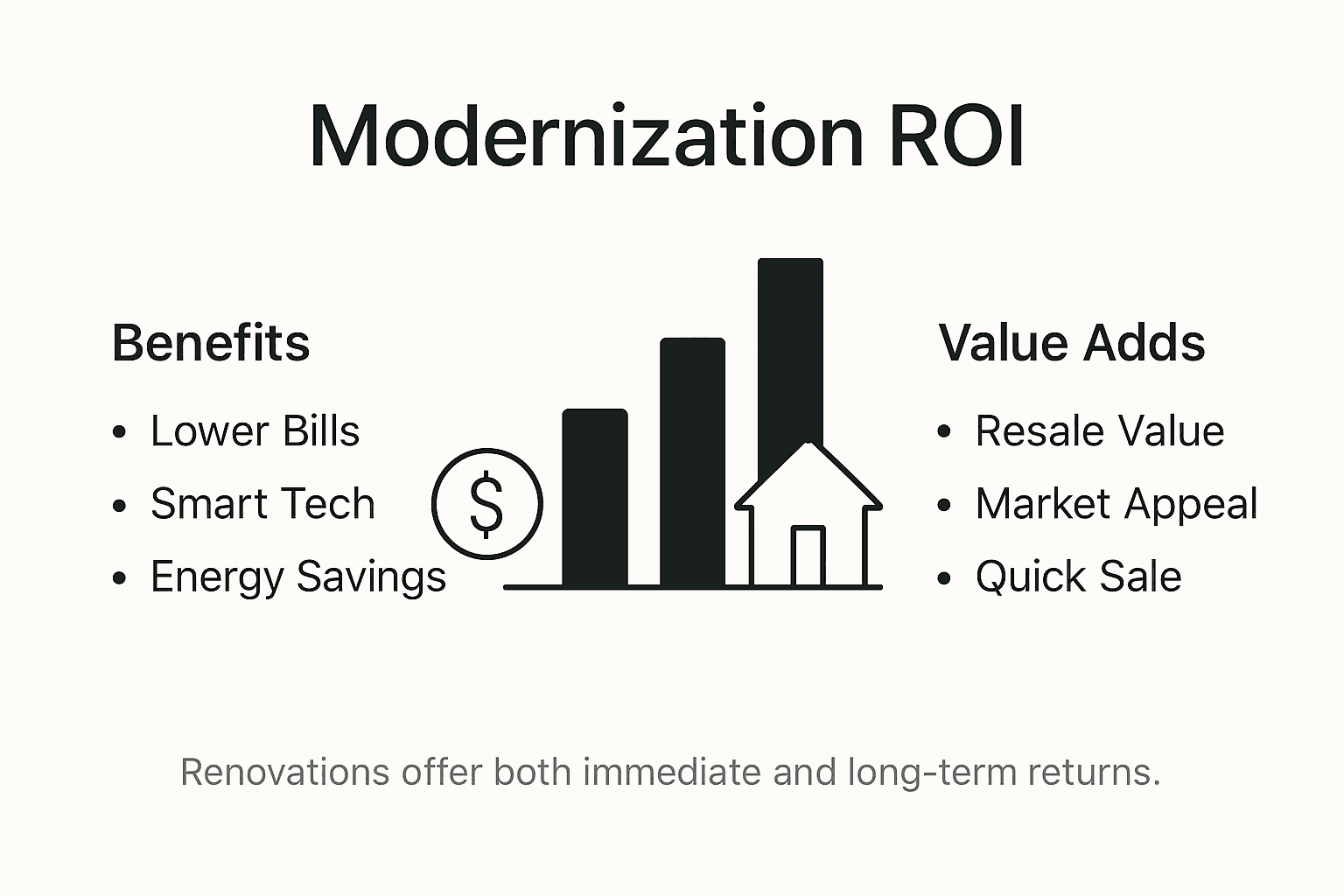
The financial impact of home modernization extends beyond immediate utility savings. Strategic renovations can increase property value by 10-15% in competitive markets like the Dallas-Fort Worth area, with kitchen and bathroom upgrades typically providing the highest return on investment. Additionally, energy-efficient improvements can qualify homeowners for federal and state tax credits, further enhancing the financial benefits of comprehensive home modernization projects.
Pro tip: Consult with local real estate professionals to identify specific renovation projects that offer the highest potential return on investment in your specific neighborhood market.
Common Mistakes to Avoid in Renovation
Renovation projects can quickly become complex and costly when homeowners fail to plan strategically. Comprehensive research reveals a series of critical mistakes that can derail home improvement efforts, emphasizing the importance of meticulous preparation and professional guidance, particularly in competitive markets like the Dallas-Fort Worth area.
One of the most significant renovation pitfalls is inadequate budgeting and financial planning. Homeowners often underestimate project costs by 20-30%, leading to financial strain and incomplete renovations. Successful projects require a detailed budget that includes not just material and labor costs, but also contingency funds for unexpected challenges. Thorough project planning helps homeowners navigate potential regulatory, financial, and logistical complications that can disrupt renovation timelines, ensuring smoother and more predictable outcomes.
Contractor selection represents another critical decision point for successful renovations. Choosing unqualified or inexperienced contractors can result in substandard work, project delays, and potential legal complications. Homeowners should conduct comprehensive background checks, verify licensing and insurance, review detailed portfolios, and speak with previous clients. Professional contractors who understand local building codes, permit requirements, and design coherence can transform potential challenges into seamless renovation experiences.
Pro tip: Create a comprehensive renovation binder containing all project documentation, including contracts, permits, design plans, material selections, and communication records to maintain clear oversight throughout your renovation process.
Compare typical home renovation mistakes with best practices to avoid them:
| Common Mistake | Resulting Issue | Preventive Action |
|---|---|---|
| Underestimating budget | Project halt, financial stress | Include contingencies in planning |
| Poor contractor choice | Low-quality work, delays | Vet licenses and client feedback |
| Ignoring regulations | Permit denial, legal problems | Research local codes and permits |
| Overlooking documentation | Loss of oversight | Maintain organized records |
Transform Your Dallas-Fort Worth Home with Expert Modernization Services
Modernizing your living space means more than updating its look. It is about creating flexible, functional, and comfortable environments that align with your lifestyle and well-being. If you are facing challenges like outdated layouts, inefficient energy usage, or want to integrate smart home technology, Astrotech Construction understands these pain points and offers tailored remodeling solutions that bring your vision to life. From modular designs and eco-friendly materials to kitchen and bathroom upgrades, their expert team focuses on delivering quality craftsmanship that enhances your daily life and increases your property value.
Ready to elevate your home with modern comforts and smart design features? Visit Astrotech Construction to explore their full remodeling services, including kitchen and bathroom upgrades and comprehensive home renovation projects. Don’t wait to invest in your home’s future. Schedule a consultation today and experience how thoughtful, professional renovation can transform your space into an adaptive, enjoyable living ecosystem.
Frequently Asked Questions
What does modernizing a living space entail?
Modernizing a living space involves creating a holistic transformation that enhances aesthetics, functionality, and comfort by integrating technology, flexible design, and personal expression.
How can biophilic design improve my home environment?
Biophilic design incorporates natural elements like light and indoor plants, enhancing well-being by improving air quality, reducing stress, and creating a more inviting atmosphere.
What are some popular features of modern home design?
Popular features include modular furniture for flexibility, smart home systems for automation, eco-friendly materials for sustainability, and acoustic management to reduce noise, all of which enhance daily life.
What mistakes should I avoid during home renovations?
Common mistakes include underestimating budgets, choosing unqualified contractors, ignoring local regulations, and failing to keep organized project documentation. Proper planning and research are crucial to avoiding these pitfalls.
Recommended
- 7 Inspiring Examples of Remodeling Projects to Elevate Your Space – Astrotech Construction
- 7 Key Benefits of Kitchen Remodeling for Homeowners – Astrotech Construction
- 7 Interior Upgrade Ideas Every DFW Homeowner Should Know – Astrotech Construction
- Complete Guide to Why Renovate Your Home – Astrotech Construction
- Why Renovations Add Value for Canadian Homes