
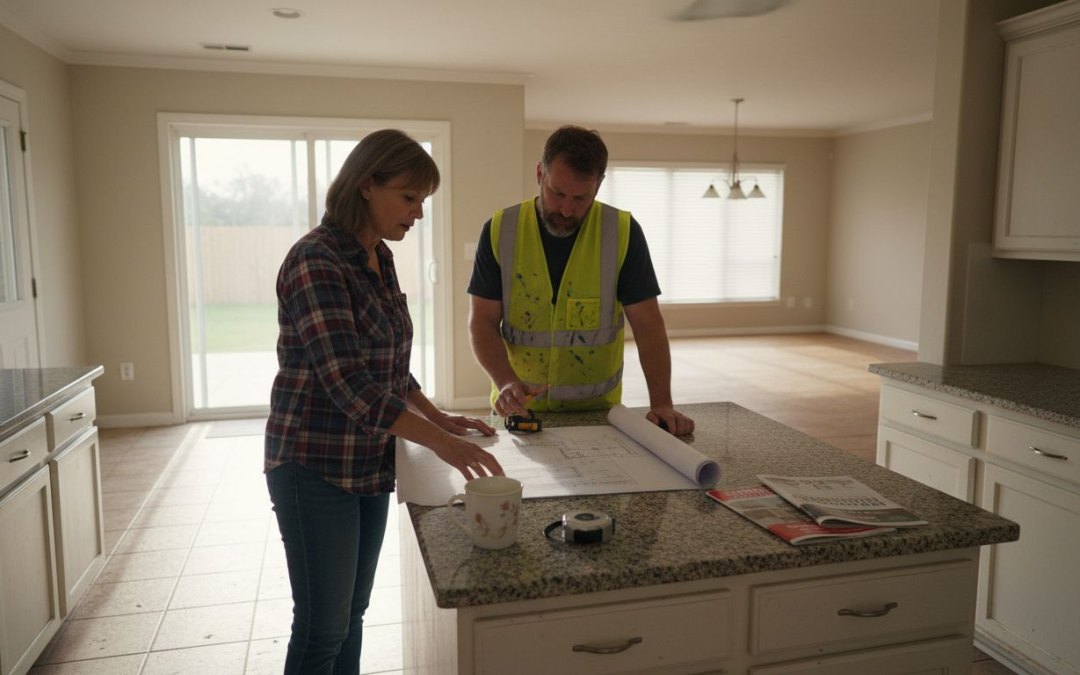
Storms and aging homes lead many American families in Dallas and Fort Worth to consider property remodeling as a vital solution. Outdated spaces can quickly become safety hazards or cause daily frustrations that impact your comfort and home value. With more than $600 billion spent annually on renovations nationwide, homeowners have powerful reasons to seek expert advice focused on smarter, lasting improvements that protect their investment and enhance everyday living.
Table of Contents
- Defining Property Remodeling and Its Purpose
- Types of Remodeling Projects and Their Differences
- Top Motivations for Home and Commercial Renovation
- Financial Returns, Value Gains, and Market Trends
- Risks, Costs, and Common Pitfalls to Avoid
Key Takeaways
| Point | Details |
|---|---|
| Purpose of Remodeling | Remodeling aims to enhance functionality, increase property value, and align spaces with current needs. |
| Types of Projects | Common projects include kitchen and bathroom remodels, each offering unique benefits and focusing on different improvements. |
| Motivations for Renovation | Owners are influenced by comfort, functionality, and financial strategies when deciding on renovations. |
| Financial Considerations | Understanding market conditions, financing options, and potential returns is crucial for successful renovations. |
Defining Property Remodeling and Its Purpose
Property remodeling represents a strategic approach to transforming and enhancing residential and commercial spaces through targeted improvements. Renovation involves updating broken, damaged, or outdated structures with comprehensive goals that extend far beyond simple aesthetic changes. The process encompasses a wide range of potential modifications designed to address functional, safety, and aesthetic requirements for property owners.
The fundamental purpose of property remodeling centers on three critical objectives: improving functionality, increasing property value, and creating spaces that better align with current lifestyle or business needs. Remodeling research indicates that over $600 billion is invested annually in home maintenance and improvement projects, demonstrating the significant economic and personal investment property owners make in upgrading their spaces. These improvements can range from minor updates like painting and fixture replacements to major structural renovations that completely transform interior and exterior environments.
Modern property remodeling typically involves several strategic phases, including initial assessment, design planning, material selection, and professional execution. Homeowners and commercial property managers often pursue remodeling projects to address specific needs such as energy efficiency upgrades, safety enhancements, technological modernization, or adapting spaces to changing functional requirements. The process requires careful consideration of budget, design preferences, structural limitations, and long-term property value potential.
Pro tip: Before starting any remodeling project, always obtain comprehensive professional assessments and multiple contractor quotes to ensure accurate budgeting and realistic project expectations.
Types of Remodeling Projects and Their Differences
Remodeling projects represent a diverse spectrum of home improvement strategies, each targeting specific functional and aesthetic objectives. Home remodeling encompasses a wide range of modifications from small surface updates to comprehensive structural transformations, reflecting the dynamic needs of property owners. These projects can be categorized into several distinct types, each addressing unique home improvement goals and challenges.
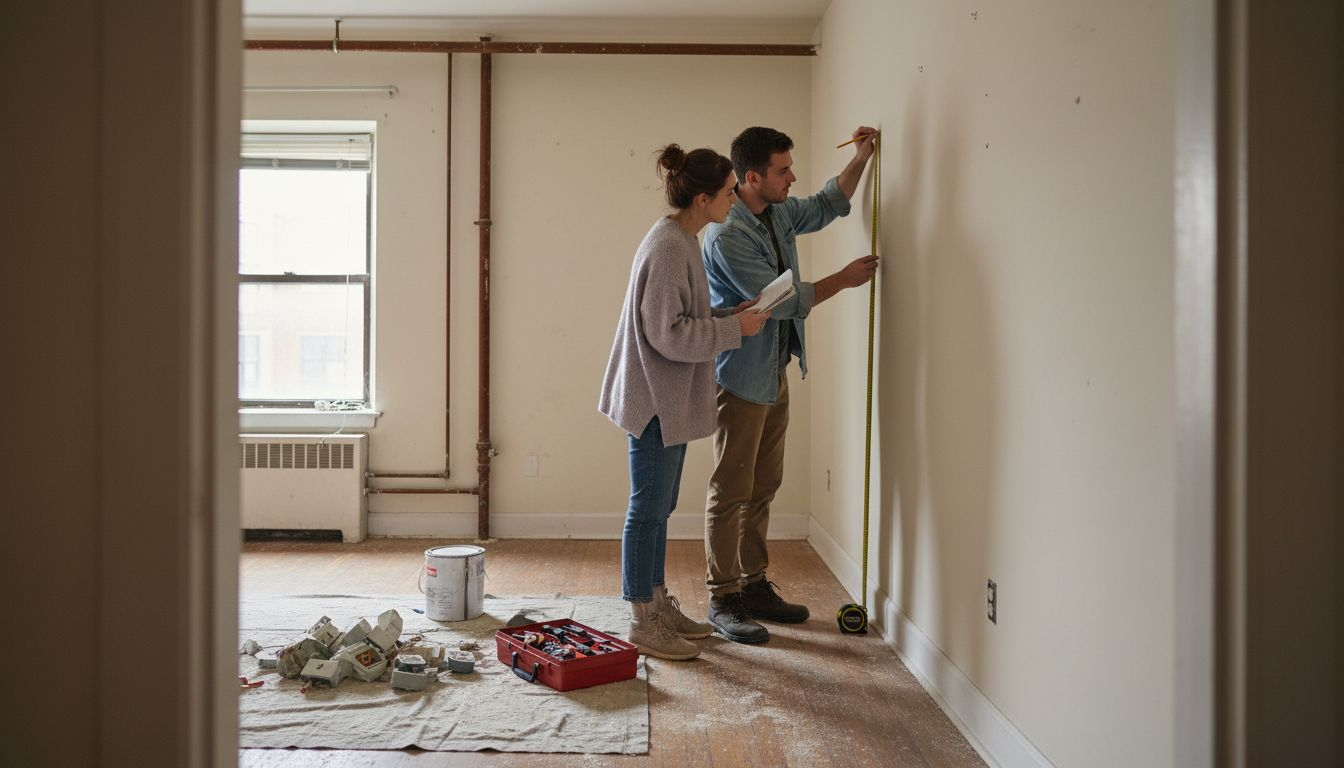
Residential remodeling typically involves key areas such as kitchens, bathrooms, living spaces, and structural additions. Major project categories include surface-level updates like painting and fixture replacements, functional upgrades such as energy efficiency improvements through windows, doors, and insulation enhancements, and extensive renovations involving floor plan reconfigurations or complete room transformations. Some homeowners focus on aesthetic upgrades, while others prioritize practical improvements that increase home functionality and market value.
The scope of remodeling projects varies dramatically, ranging from minor cosmetic changes to significant structural modifications. Kitchen remodels often involve replacing countertops, updating appliances, and reconfiguring layouts. Bathroom renovations might include modernizing fixtures, improving accessibility, or expanding available space. Whole-home remodeling represents the most comprehensive approach, potentially involving multiple rooms and substantial architectural changes to create more livable, efficient living environments.
Pro tip: Prioritize remodeling projects that offer the best return on investment by focusing on high-traffic areas like kitchens and bathrooms, and always obtain multiple professional estimates before beginning any significant renovation.
Here’s a comparison of common remodeling project types and their typical benefits:
| Project Type | Key Focus Areas | Typical Benefits |
|---|---|---|
| Kitchen Remodel | Countertops, appliances, layout | Higher resale value, improved use |
| Bathroom Renovation | Fixtures, accessibility, space | Increased comfort, modern appeal |
| Whole-Home Remodel | Multiple rooms, structural changes | Enhanced functionality, efficiency |
| Energy Upgrade | Windows, insulation, doors | Lower utility costs, eco-friendly |
Top Motivations for Home and Commercial Renovation
Property owners pursue renovation projects through a complex lens of practical needs, financial strategies, and personal aspirations. Home and commercial renovations are driven by multiple factors including repair of aging infrastructure, energy efficiency improvements, safety enhancements, and property value optimization, reflecting the multifaceted motivations behind modern renovation decisions. These transformative projects represent strategic investments that extend far beyond simple aesthetic upgrades.
Homeowners are motivated by a combination of personal comfort, functional improvements, and financial considerations. Key drivers include addressing worn surfaces, preparing spaces for potential sale, adapting to changing lifestyle requirements, and responding to environmental challenges. Commercial property owners similarly seek renovations to enhance workplace functionality, improve employee productivity, modernize aging facilities, and create more attractive, competitive spaces that reflect contemporary business needs.
The motivational landscape for renovation spans several critical dimensions. Economic factors like interest rates and property market conditions significantly influence decision-making, while personal preferences such as lifestyle changes, family growth, or desire for improved living environments play equally important roles. For commercial entities, renovations often represent strategic investments in brand perception, operational efficiency, and maintaining competitive market positioning. Whether residential or commercial, successful renovation projects balance practical requirements with forward-looking design principles that anticipate future needs and potential market developments.
Pro tip: Conduct a comprehensive cost-benefit analysis before initiating any renovation project, carefully evaluating potential return on investment, long-term functionality, and alignment with your broader property goals.
Financial Returns, Value Gains, and Market Trends
Property renovations represent sophisticated financial strategies with nuanced economic implications beyond simple home improvements. The remodeling market is projected to reach $509 billion by 2025, reflecting substantial investment and growing complexity in property enhancement strategies, indicating a robust and dynamic economic landscape for renovation investments. These financial projections underscore the significant economic potential inherent in strategic property upgrades.
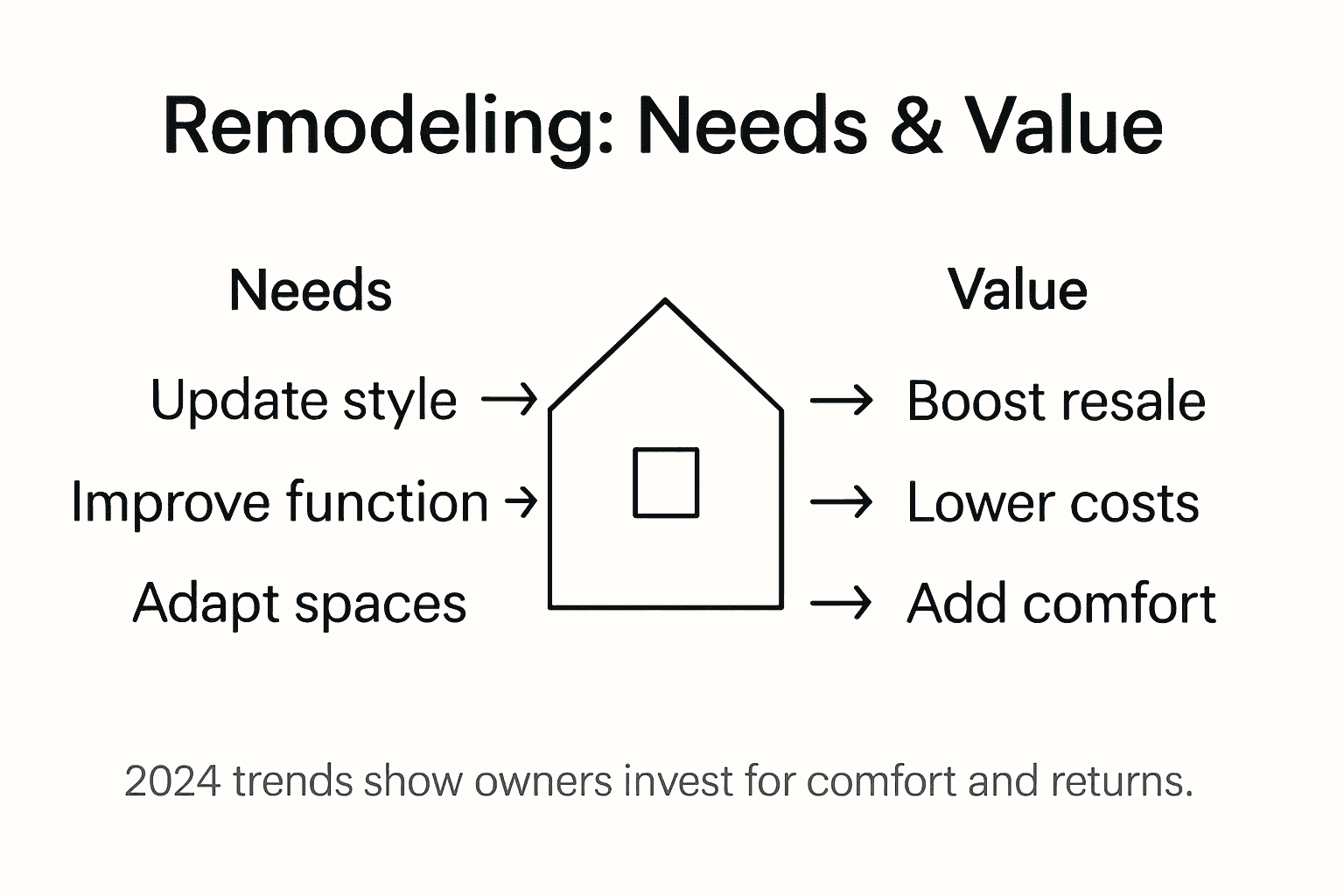
Home remodeling expenditures in 2024 demonstrated diverse project motivations, with total spending estimated at $603 billion across residential and commercial sectors. Specific renovation projects yield varying financial returns, with some improvements delivering near 100% cost recovery while others provide more modest value appreciation. Strategic renovations like steel front door installations and primary bedroom additions consistently demonstrate higher financial returns, indicating the importance of targeted, high-impact improvements.
The renovation market’s financial dynamics are influenced by complex factors including housing market conditions, interest rates, homeowner equity, and broader economic trends. Regional variations play a critical role, with markets like Dallas experiencing unique renovation demand driven by climate considerations, housing stock age, and local economic conditions. Successful property owners approach renovations as calculated investments, carefully evaluating potential value appreciation, functional improvements, and long-term financial implications before committing to substantial upgrade projects.
Pro tip: Prioritize renovation projects with demonstrable return on investment by researching local real estate market trends and focusing on improvements that consistently deliver measurable property value increases.
The table below summarizes major financial considerations for property renovation projects:
| Financial Aspect | Influence on Project | Owner’s Key Action |
|---|---|---|
| Market Conditions | Affects potential value gains | Research local real estate trends |
| Interest Rates | Determines financing costs | Compare loan and mortgage options |
| Project Scope | Drives overall spend | Set priorities, avoid overbuilding |
| Regional Factors | Impacts renovation demand | Align upgrades with local trends |
Risks, Costs, and Common Pitfalls to Avoid
The remodeling industry faces significant challenges that can transform promising renovation projects into potential financial and logistical nightmares, including complex economic and operational risks that demand strategic navigation. Market volatility, industry fragmentation, and unpredictable external factors create a landscape where careful planning becomes absolutely essential for successful property improvements.
Unexpected cost overruns, contractor shortages, and project delays represent the most prevalent risks confronting property owners during renovation efforts. Critical challenges include rising material prices, skilled labor scarcity, and intricate permit requirements that can dramatically escalate project complexity. Homeowners must anticipate potential complications by developing comprehensive contingency plans, maintaining flexible budgets, and thoroughly vetting potential contractors before initiating any significant renovation work.
Navigating renovation risks requires a multifaceted approach that combines thorough research, financial preparedness, and realistic expectations. Property owners should prioritize comprehensive project assessments, obtain multiple professional estimates, and create detailed documentation outlining project scope, timeline, and potential variation margins. Understanding local building codes, securing appropriate permits, and maintaining open communication channels with contractors can significantly mitigate potential challenges and reduce the likelihood of unexpected complications during renovation projects.
Pro tip: Establish a contingency budget of 15-20% above your initial project estimate to provide financial flexibility and protect against unexpected renovation expenses.
Transform Your Property with Expert Remodeling Solutions
If you recognize the challenges of outdated spaces or the desire to increase your property’s value and functionality as outlined in “Why Property Owners Remodel: Needs, Value, and Trends,” it is time to take action. Whether you face the complexity of managing extensive home renovations or are looking for specialized upgrades like kitchen and bathroom remodeling, choosing trusted professionals can make all the difference. Avoid unexpected cost overruns and project delays by partnering with a team that understands the Dallas – Fort Worth market and offers comprehensive remodeling services tailored to your needs.
Don’t let remodeling risks overwhelm your vision. Visit Astrotech Construction today to explore high-quality residential and commercial remodeling options or schedule a consultation. With years of experience, quality assurance, and customer-focused service, you can start your project confidently and maximize your property’s value now. Take the first step toward creating a safer, more functional, and aesthetically pleasing space by contacting Astrotech Construction and discovering expert solutions designed for your unique renovation goals.
Frequently Asked Questions
What are the main reasons property owners choose to remodel?
Property owners remodel for various reasons, including improving functionality, enhancing property value, and adapting spaces to fit current lifestyle or business needs. Common drivers include addressing worn surfaces, preparing for potential sale, and increasing energy efficiency.
How can remodeling projects affect property value?
Remodeling projects can significantly impact property value, with some renovations yielding near 100% cost recovery. Strategic improvements, such as kitchen and bathroom remodels, typically offer higher returns on investment compared to cosmetic changes.
What are some common risks associated with property remodeling?
Common risks in property remodeling include unexpected cost overruns, contractor shortages, project delays, and rising material prices. To mitigate these risks, it is essential to maintain a contingency budget, thoroughly vet contractors, and obtain multiple estimates before starting any renovation.
How does the current economic climate influence remodeling trends?
The current economic climate influences remodeling trends through factors such as housing market conditions, interest rates, and homeowner equity. Property owners should conduct thorough research on local market trends to make informed decisions about renovation investments.
Recommended
- Remodeling ROI: Maximizing Value for Dallas Homes – Astrotech Construction
- Why Remodel Before Selling? Boost Home Value Fast – Astrotech Construction
- Complete Guide to Why Renovate Your Home – Astrotech Construction
- 7 Key Advantages of Bathroom Remodeling for Homeowners – Astrotech Construction
- Commercial Painting Orlando Fl – Southern Sandblasting & Painting LLC