
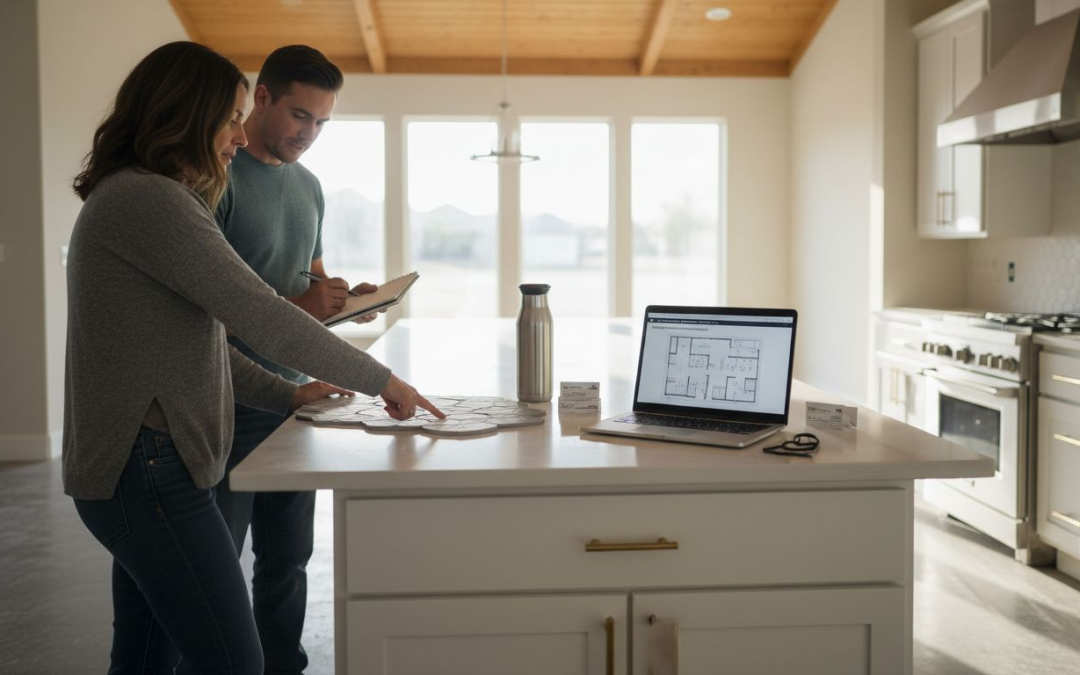
Most American homeowners are surprised to learn that the right upgrades can boost property values by as much as thirty percent within competitive markets like Dallas and Fort Worth. Whether you are planning a major kitchen renovation or looking to expand your living space, understanding which home improvements actually pay off is critical. This guide reveals how targeted upgrades can not only make your Dallas-Fort Worth home more comfortable but dramatically enhance its long-term market potential.
Table of Contents
- What Are Home Value Upgrades?
- Leading Home Upgrade Types in 2026
- How Value Upgrades Impact Resale Potential
- Calculating ROI and Budgeting for Upgrades
- Common Upgrade Mistakes to Avoid
Key Takeaways
| Point | Details |
|---|---|
| Strategic Upgrades Boost Value | Home value upgrades should focus on improvements that enhance aesthetics and functionality, particularly in kitchens and bathrooms, to increase resale potential. |
| Energy Efficiency is Key | Investing in energy-efficient technologies and systems can lower utility costs and appeal to modern buyers seeking sustainability. |
| Professional Guidance is Essential | Consulting real estate professionals can help homeowners choose the most impactful upgrades tailored to market trends and buyer preferences. |
| Avoid Common Mistakes | Homeowners should focus on broad buyer appeal and avoid overly personalized upgrades to maximize return on investment. |
What Are Home Value Upgrades?
Home value upgrades represent strategic improvements homeowners make to increase their property’s market worth, aesthetic appeal, and functional utility. These enhancements go beyond simple maintenance, focusing on targeted modifications that directly impact a home’s overall financial valuation. Strategic renovations can transform living spaces while simultaneously boosting potential resale value.
Typically, home value upgrades encompass a wide range of projects targeting key areas like kitchens, bathrooms, exterior spaces, and structural elements. Homeowners in the Dallas Fort Worth area often prioritize upgrades that enhance both visual appeal and practical functionality. These improvements might include modernizing interior spaces, improving energy efficiency, adding square footage, or updating critical systems like electrical, plumbing, and HVAC infrastructure.
Understanding home value upgrades requires recognizing that not all renovations provide equal financial returns. Strategic upgrades consider factors like neighborhood standards, local market trends, and property location benefits. Some upgrades deliver significantly higher return on investment compared to others, making careful planning and professional guidance critical for homeowners seeking maximum value enhancement.
Pro tip: Consult a professional appraiser or real estate agent before undertaking major home improvements to understand which specific upgrades will provide the most significant value increase in your local market.
Leading Home Upgrade Types in 2026
The home improvement landscape in 2026 is increasingly driven by energy efficiency and technological integration. Homeowners are prioritizing upgrades that not only enhance living comfort but also reduce long-term energy consumption and utility costs. Energy-efficient home technologies are at the forefront of these strategic improvements, transforming how residential spaces function and perform.
Key upgrade categories for 2026 include critical systems and appliance replacements. Heating and cooling technologies like high-efficiency heat pump air conditioners are gaining significant traction, offering superior performance and substantial energy savings. Smart home integrations are also becoming mainstream, with upgrades focusing on advanced thermostats, energy monitoring systems, and interconnected appliances that optimize home energy management. These technologies not only provide immediate comfort improvements but also contribute to long-term sustainability goals.
Beyond technological upgrades, structural improvements are equally important. Homeowners are investing in comprehensive envelope upgrades, including advanced insulation techniques, high-performance windows, and draft sealing. Tax credits and rebate programs are making these upgrades more financially accessible, incentivizing homeowners to make environmentally conscious improvements that simultaneously increase property value and reduce energy expenditures.
Pro tip: Prioritize upgrades with documented energy savings and available tax incentives to maximize both immediate comfort and long-term financial returns.
How Value Upgrades Impact Resale Potential
Home value upgrades are strategic investments that directly influence a property’s marketability and final selling price. Market value frameworks reveal how targeted improvements can significantly enhance a home’s overall financial appeal by increasing its utility, demand, and transferability. These upgrades go beyond cosmetic changes, focusing on meaningful modifications that resonate with potential buyers and differentiate a property in competitive real estate markets.
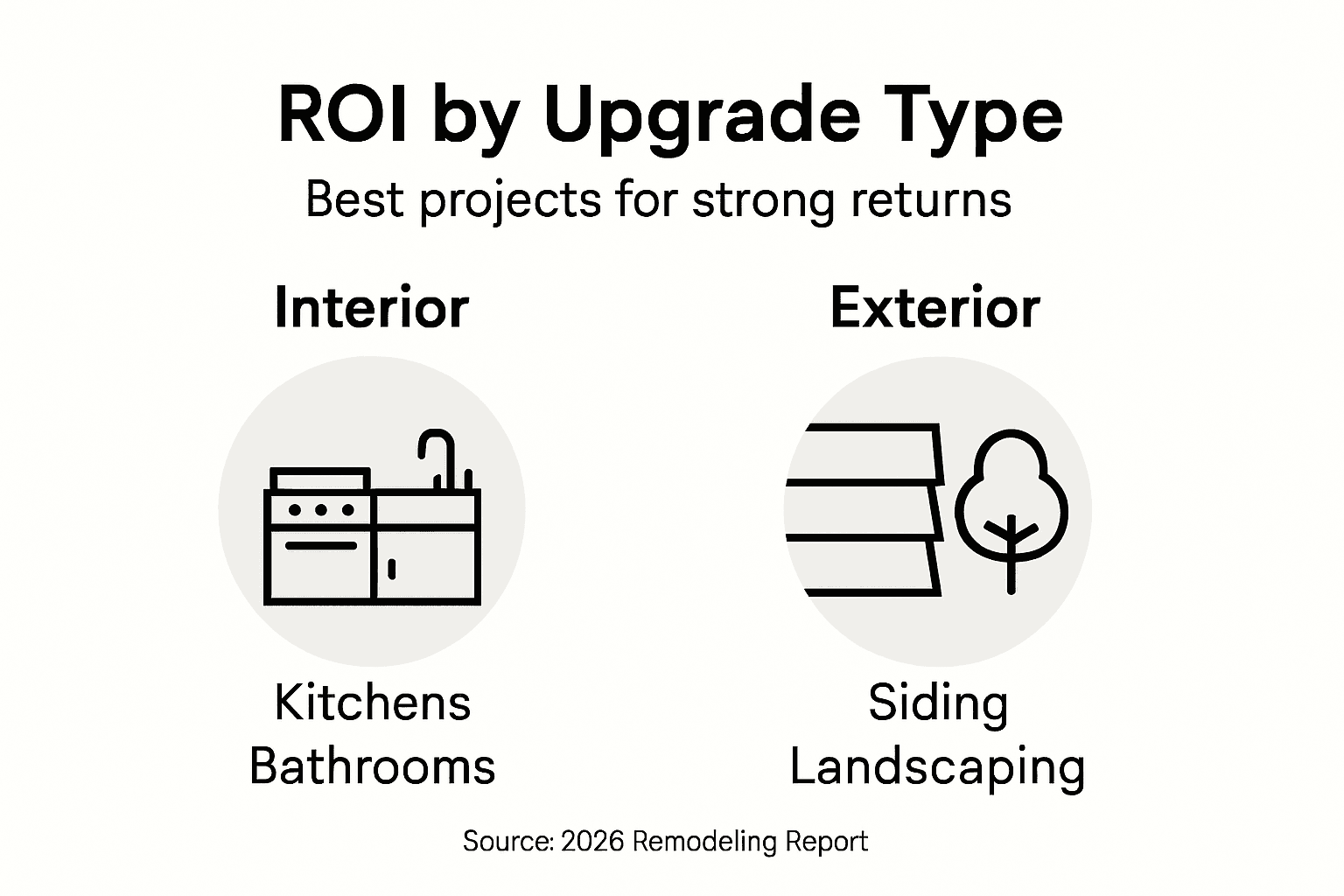
In the Dallas-Fort Worth area, specific upgrade types demonstrate measurable impact on resale potential. Kitchen and bathroom renovations consistently deliver high return on investment, while energy-efficient improvements like smart home technologies and advanced insulation systems attract modern buyers seeking reduced utility costs. Structural upgrades that improve functionality, such as open floor plans, additional storage spaces, and updated electrical systems, can dramatically increase a home’s perceived value and marketability.
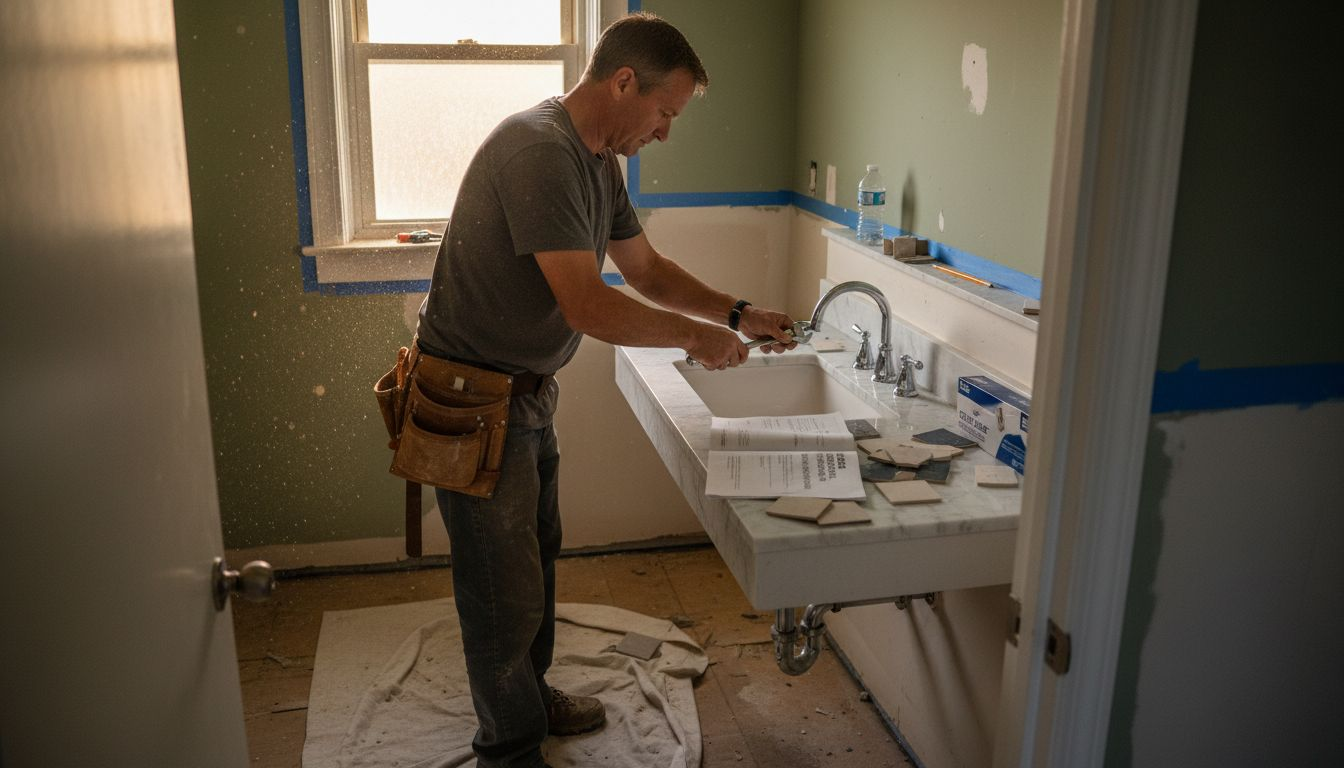
Understanding buyer preferences is crucial for maximizing resale potential. Home upgrades that align with local market trends tend to yield the most significant financial returns. This means carefully researching neighborhood standards, current design preferences, and emerging technological expectations. Homeowners should focus on upgrades that not only enhance aesthetic appeal but also demonstrate practical improvements in comfort, efficiency, and long-term livability.
Here’s a comparison of common home upgrade categories and their typical impact on value:
| Upgrade Category | Typical ROI (%) | Main Benefits | Buyer Appeal |
|---|---|---|---|
| Kitchen Renovation | 60–80 | Improved functionality, style | Very High |
| Bathroom Upgrade | 60–70 | Modern comfort, better utility | High |
| Energy-Efficient Systems | 50–75 | Lower bills, sustainability | Increasing |
| Smart Home Technology | 50–70 | Convenience, remote control | Growing |
| Structural Improvements | 40–65 | More space, better layout | Moderate to High |
Pro tip: Consult local real estate professionals to identify the most impactful upgrades specific to your neighborhood and target buyer demographic.
Calculating ROI and Budgeting for Upgrades
Calculating return on investment (ROI) for home upgrades requires a strategic approach that balances immediate costs with long-term financial benefits. Home improvement investment strategies emphasize the importance of understanding both upfront expenses and potential value appreciation. Homeowners must consider multiple factors, including energy savings, increased property value, and potential tax incentives when evaluating the financial impact of potential renovations.
The ROI calculation process involves a comprehensive analysis of expected returns across different upgrade categories. Kitchen and bathroom renovations typically offer the highest percentage of cost recovery, with most homeowners recouping between 60% and 80% of their investment during resale. Energy-efficient upgrades present unique financial advantages, including reduced utility costs and potential tax credits. Homeowners should prioritize improvements that offer both immediate utility benefits and long-term financial returns, such as enhanced insulation, smart home technologies, and strategic structural improvements.
Budgeting for home upgrades demands careful financial planning and realistic expectations. Comprehensive ROI analysis requires homeowners to develop a detailed project scope, obtain multiple professional quotes, and create a comprehensive financial strategy. This approach involves identifying potential funding sources, including home equity lines of credit, personal savings, and available government rebates. Successful budgeting means balancing desired improvements with financial constraints while maintaining a clear understanding of potential long-term value creation.
Pro tip: Create a detailed spreadsheet tracking potential upgrade costs, projected energy savings, and estimated value increase to make informed investment decisions.
Common Upgrade Mistakes to Avoid
Navigating home upgrades requires strategic planning to prevent costly missteps that can diminish potential returns. Renovation pitfalls often stem from making overly personalized improvements that limit a home’s broader market appeal. Homeowners frequently make the mistake of selecting unique design choices or high-end upgrades that reflect individual taste rather than considering broader buyer preferences, which can significantly reduce potential resale value.
One of the most critical errors homeowners make involves improper sequencing and implementation of improvement projects. Whole-house system approaches are essential for maximizing upgrade effectiveness, yet many individuals tackle renovations in isolation without considering how different improvements interact. This fragmented approach can lead to inefficient energy performance, reduced comfort, and unnecessary additional expenses. For instance, installing high-efficiency windows without addressing underlying insulation issues will not deliver the expected energy savings or comfort improvements.
Financial miscalculations represent another significant area of potential mistakes. Homeowners often overinvest in luxury upgrades that fail to recoup their initial costs, particularly in markets with moderate home values. The key is to balance personal preferences with strategic improvements that offer tangible returns. This means prioritizing upgrades that have broad market appeal, such as kitchen and bathroom renovations, energy-efficient systems, and improvements that enhance overall home functionality and comfort. Understanding local market trends and buyer expectations is crucial for making informed upgrade decisions that maximize both personal enjoyment and potential resale value.
To help avoid common pitfalls, review these frequent mistakes and better alternatives:
| Mistake | Why It Hurts Value | Better Approach |
|---|---|---|
| Over-personalized Design Choices | Limits broader buyer interest | Choose neutral, popular finishes |
| Isolated Upgrades | Reduces efficiency, synergy lost | Plan upgrades as a holistic system |
| Excessive Spending | Low cost recovery on luxury items | Budget based on local market data |
| Ignoring Professional Advice | Can miss valuable market insights | Get multiple expert assessments |
Pro tip: Always obtain multiple professional assessments and quotes before starting any major home upgrade project to ensure comprehensive understanding of potential costs and returns.
Maximize Your Home Value Upgrades with Expert Dallas Fort Worth Remodeling
If you are ready to turn strategic home value upgrades into lasting investments that boost your property’s worth and appeal then partnering with professionals who understand the Dallas Fort Worth market is essential. Many homeowners struggle with choosing renovations that truly deliver high return on investment while avoiding costly mistakes like over-personalized designs or isolated improvements. With an expert team guiding your full home remodeling, kitchen and bathroom upgrades, or energy-efficient system improvements you get tailored solutions that align with local buyer preferences and market trends.
Take control of your home’s future value today by working with the trusted professionals at AstroTech Construction. Their years of experience in residential renovations and remodeling in the Dallas Fort Worth Metroplex mean that your upgrades are handled with the highest quality standards and unmatched service. Don’t wait until resale time to discover the missed value invest now in smart, effective upgrades backed by expert counsel. Begin your home transformation by requesting a consultation now at AstroTech Construction and make confident choices with proven expert support.
Frequently Asked Questions
What are home value upgrades?
Home value upgrades are strategic improvements made to enhance a property’s market worth, visual appeal, and functional utility. They can include renovations in kitchens, bathrooms, and structural elements that increase overall financial valuation.
How do home upgrades impact resale value?
Home upgrades can significantly enhance a property’s marketability and selling price by improving utility, demand, and transferability. Upgrades like kitchen and bathroom renovations typically yield the highest returns on investment.
What types of upgrades provide the best return on investment?
Upgrades that generally provide the best ROI include kitchen renovations, bathroom upgrades, energy-efficient systems, and smart home technology. These improvements enhance aesthetic appeal and functional comfort for potential buyers.
How can I calculate the ROI for a home upgrade?
To calculate ROI, analyze the expected returns from various upgrade categories considering both immediate energy savings and potential value appreciation. Homeowners should budget carefully, taking into account project scope, costs, and financial strategies to ensure effective investment.
Recommended
- Remodeling ROI: Maximizing Value for Dallas Homes – Astrotech Construction
- Kitchen Remodels and ROI: Complete Homeowner Guide – Astrotech Construction
- Why Remodel Before Selling? Boost Home Value Fast – Astrotech Construction
- Why Upgrade Building Exteriors: Boost Value and Comfort – Astrotech Construction