
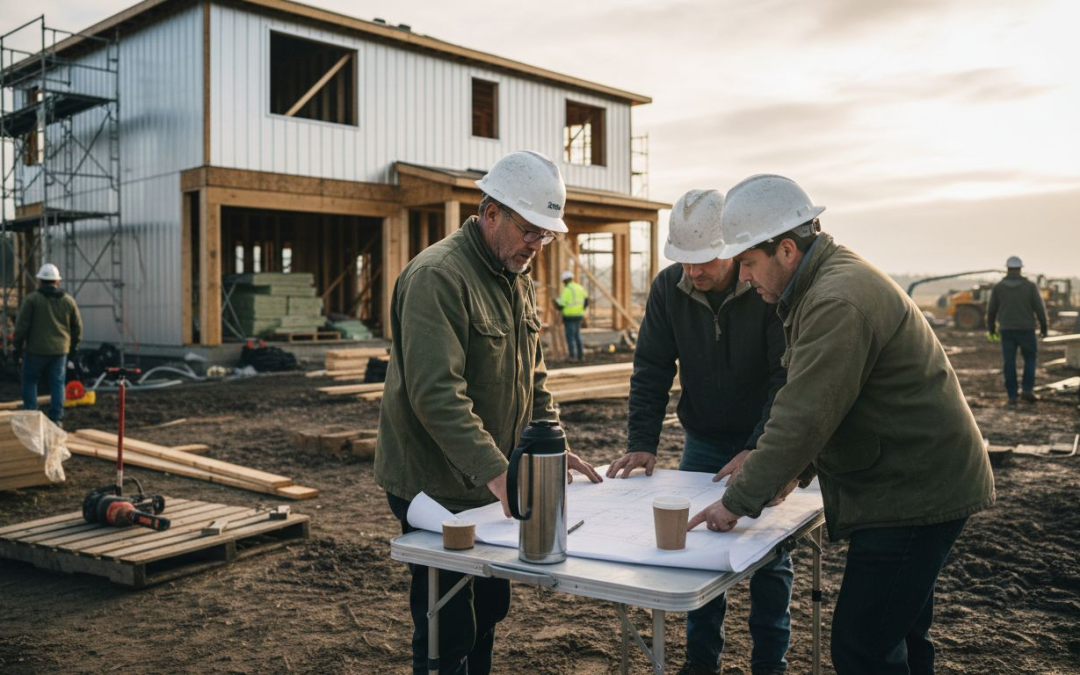
Hiring the right general contractor in Dallas-Fort Worth can make the difference between a smooth home renovation and weeks of stress. Homeowners and property managers know that even a simple project can quickly become complicated without expert oversight. Trusting a professional with strong local experience ensures your storm repairs or remodels are managed with precision, clear communication, and attention to quality standards from start to finish.
Table of Contents
- General Contractor Defined: Core Responsibilities
- Types of General Contractors in Construction
- Licensing, Qualifications, and Legal Obligations
- How General Contractors Manage Projects
- Cost, Risks, and Common Pitfalls for Clients
Key Takeaways
| Point | Details |
|---|---|
| Role of General Contractors | General contractors manage construction projects by coordinating subcontractors, overseeing budgets, and ensuring compliance with building codes. They act as the primary contact, handling logistics and communication throughout the project. |
| Types of Contractors | Understanding the different types of general contractors is crucial for choosing the right one for your project. General contractors handle multi-trade jobs, while specialty contractors focus on single trades. |
| Importance of Licensing and Insurance | Always verify a contractor’s licensing and insurance before hiring to protect yourself from potential financial and legal issues. Proper documentation ensures accountability for their work. |
| Managing Risks and Communication | Effective project management is vital to avoid common pitfalls such as cost overruns and timeline delays. Maintain clear communication and document all agreements to prevent misunderstandings. |
General Contractor Defined: Core Responsibilities
A general contractor is essentially the quarterback of your construction project. They’re the single point of contact who coordinates everything from the first nail to the final walkthrough. Whether you’re dealing with storm damage in Arlington, a kitchen remodel in Plano, or a complete home renovation across the Metroplex, the general contractor manages the chaos so you don’t have to.
The core job is clear: a general contractor manages construction projects by overseeing day-to-day operations on site, hiring and coordinating subcontractors, ordering materials, managing budgets, and keeping everything on schedule. Think of them as the conductor of an orchestra. Each subcontractor is a different instrument. The general contractor makes sure they all play in harmony.
What does this actually look like on a real project? Your general contractor handles hiring the electricians, plumbers, roofers, and framers your home needs. They schedule their work so nobody’s standing around waiting. They order materials before they’re needed but not so early they clutter your driveway. They track spending against the budget you agreed to. They make sure the work meets local building codes and safety standards.
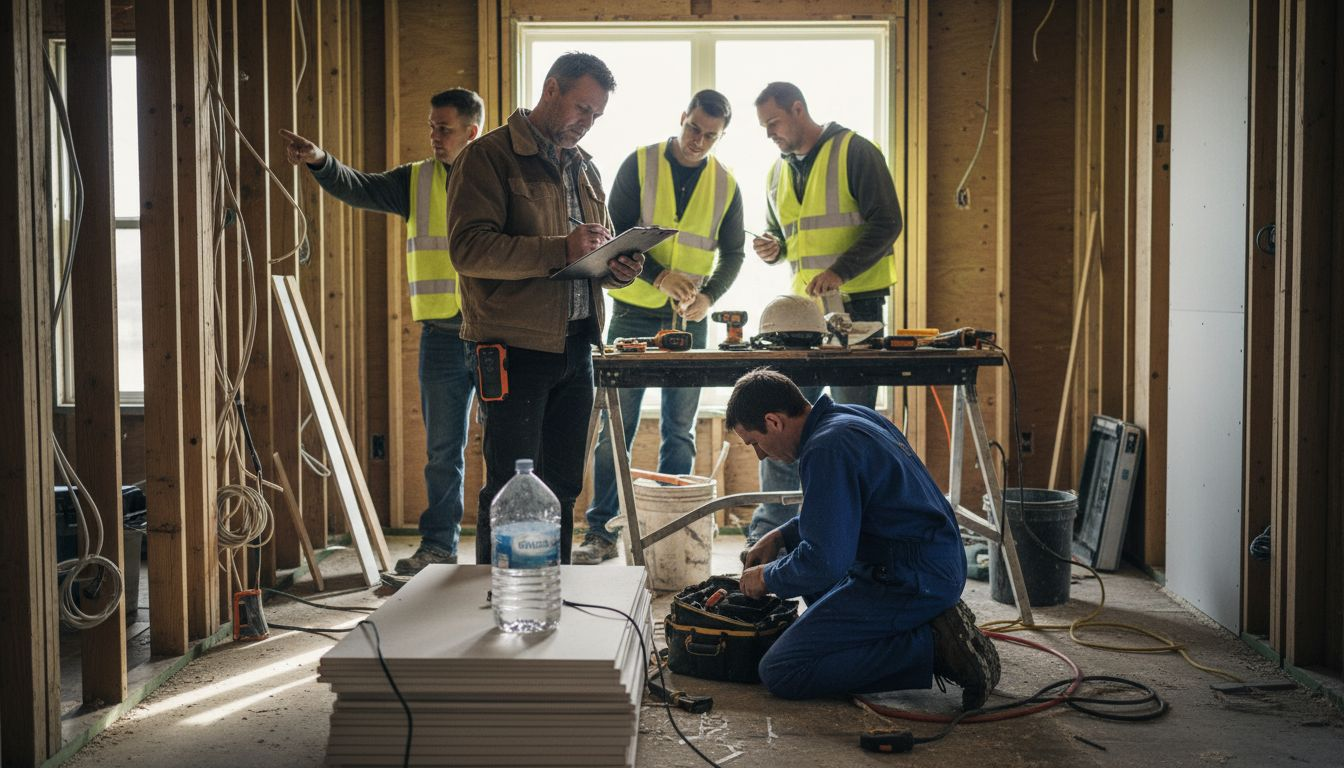
Liability and risk management matter more than you might think. General contractors assume significant financial and legal risks on every project. If a subcontractor damages your neighbor’s fence, the general contractor is typically responsible. If the project runs over budget due to unexpected foundation issues, that’s usually on them, not you. This is why proper licensing and insurance matter so much in the Dallas-Fort Worth area.
Beyond the logistics, a good general contractor communicates. They tell you when the electricians are coming, explain why that wall can’t be moved without engineering review, and give you realistic timelines. They handle the headaches so you can focus on choosing paint colors or deciding between granite and quartz countertops.
Pro tip: When interviewing contractors, ask them specifically how they handle changes and delays—their answer reveals how well they manage the dozens of moving pieces on your renovation or storm repair project.
Types of General Contractors in Construction
Not all general contractors are created equal. The construction industry recognizes different types of general contractors, each licensed and qualified to handle specific project scopes. Understanding which type you need is the first step toward hiring the right professional for your Dallas-Fort Worth home renovation or storm repair.
The main distinction comes down to licensing and specialization. General building contractors manage residential, commercial, and industrial projects that require at least two unrelated building trades or crafts working together. This is the most common type you’ll encounter when remodeling a kitchen, replacing a roof, or handling storm damage across multiple systems. They coordinate electricians, plumbers, framers, and roofers on the same job.
Then there are specialty contractors. These professionals focus on one specific trade like plumbing, electrical work, HVAC, or roofing. While they’re essential members of your project team, they can’t serve as the primary general contractor unless the job involves only their single trade. On most residential projects in the Metroplex, you’ll hire a general contractor who then brings in the specialists as needed.
Building construction contractors typically specialize in residential, commercial, industrial, or farm projects depending on their experience and licensing. Some contractors focus exclusively on residential work like your home remodel. Others specialize in commercial properties. This specialization matters because residential and commercial projects have different code requirements, timelines, and complexity levels.
The licensing category also matters. In Texas, contractors must carry appropriate licenses for their scope of work. A contractor handling a full kitchen remodel needs different credentials than one installing a water heater. This is why asking about licensing and insurance isn’t just bureaucratic—it protects you.
Choosing the right type depends on your project. A storm damage repair might need a contractor experienced in that specific work. A full home renovation requires someone skilled in coordinating multiple trades. A simple roof replacement might work with a specialty roofing contractor. The right match saves time, money, and headaches.
Here’s a quick comparison of contractor types and when to use each:
| Contractor Type | Project Suitability | Example Scenarios | Key Benefit |
|---|---|---|---|
| General Contractor | Multi-trade, complex jobs | Full home remodel, storm restoration | Manages all trades, offers single point of contact |
| Specialty Contractor | Single-trade, focused work | Only plumbing or roofing | Deep expertise in one area |
| Building Construction Contractor | Residential, commercial, or industrial projects | Custom homes, office buildings | Tailored to project type requirements |
Pro tip: Before hiring, ask potential contractors about their primary specialization and years of experience with projects similar to yours—this reveals whether they’re truly qualified for your specific work.
Licensing, Qualifications, and Legal Obligations
Licensing is not optional. It is the foundation of contractor legitimacy and your protection as a homeowner. A licensed general contractor has met state requirements, carries insurance, and is legally accountable for their work. This matters significantly when you are investing tens of thousands of dollars into your Dallas-Fort Worth home.
Valid state licensing ensures contractors possess the experience and knowledge to manage complex construction projects. Texas requires general contractors to hold proper licensing before undertaking projects involving multiple building trades. Without this credential, they cannot legally operate. When hiring, always verify a contractor’s license with the Texas Department of Licensing and Regulation.
Qualifications go beyond the license itself. You want a contractor who has completed actual projects similar to yours. Someone with five years handling residential kitchen remodels is more qualified for your project than someone with five years of commercial demolition experience. Ask for references. Call previous clients. See their completed work in person.
Insurance is a legal obligation that protects you. A properly insured contractor carries general liability insurance and workers’ compensation coverage. If a subcontractor gets injured on your property, workers’ comp covers it, not you. If they accidentally damage your neighbor’s property, liability insurance handles it. Request proof of both before signing any contract.
Legal obligations also include following building codes and obtaining permits. A contractor must pull the correct permits for your project, have inspections scheduled, and ensure all work meets current code requirements. This is not the homeowner’s job. A qualified contractor handles this automatically and knows exactly what your specific renovation requires.
Bond requirements also matter. Many Texas contractors carry surety bonds that guarantee they will complete the work as promised. If they abandon the project or fail to pay suppliers, the bond covers it. Not every contractor carries bonds, but asking about them shows you are serious about protection.
Pro tip: Request three pieces of documentation before hiring: current license verification, proof of insurance, and at least three recent client references you can actually contact by phone.
How General Contractors Manage Projects
Project management separates competent contractors from great ones. A general contractor oversees dozens of moving pieces simultaneously—subcontractors, material deliveries, inspections, permits, budget tracking, and client communication. Without solid management, your kitchen remodel timeline slips by months or costs balloon unexpectedly. With it, your project runs smoothly.
The core management task is planning, coordinating, and supervising activities from the initial estimate through final walkthrough. A good contractor creates a detailed schedule showing when electricians arrive, when drywall goes up, when inspections happen. They order materials to arrive exactly when needed, not weeks early. They coordinate subcontractors so plumbing is finished before drywall starts. Without this orchestration, your bathroom renovation becomes a logistical nightmare.
Budget management is non-negotiable. Your contractor tracks every dollar spent against the original estimate. Material costs increase? They find savings elsewhere or communicate the impact immediately. Labor runs longer than projected? They explain why and adjust expectations. This transparency prevents surprises when the final invoice arrives.
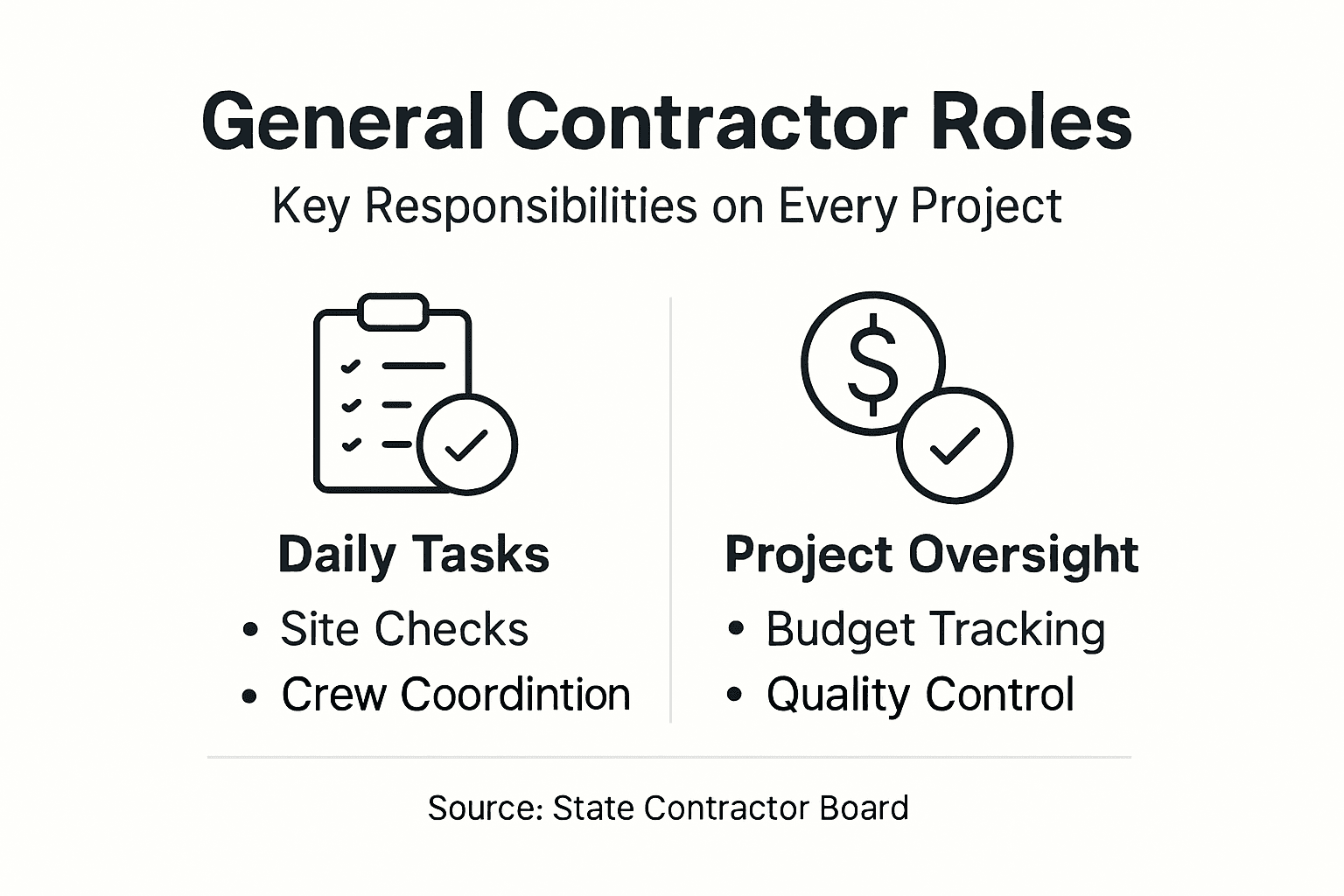
Safety management protects everyone on the job. A responsible contractor enforces safety protocols, ensures subcontractors carry proper insurance, and maintains a clean job site. When storm damage repair requires removing damaged framing, an incompetent contractor creates hazards. A professional protects workers and your home.
Quality oversight matters constantly. Your contractor inspects work daily. If framing is crooked, plumbing rough-in has issues, or electrical doesn’t meet code, they catch it immediately and require correction. Catching problems early costs far less than demolishing finished work because something was installed wrong.
Communication ties everything together. A well-managed project includes regular updates. You know when crews arrive, what they are completing, what happens next, and when you can expect completion. This prevents the frustration of surprise visitors or unexpected disruptions to your daily life.
Pro tip: Ask your contractor how they communicate project status—whether through text updates, weekly calls, or a project management app—then choose someone whose communication style matches your preference.
Cost, Risks, and Common Pitfalls for Clients
Construction projects rarely go exactly as planned. Costs climb. Timelines slip. Surprises emerge from behind walls. Understanding the risks upfront helps you avoid the worst pitfalls and protects your investment in your Dallas-Fort Worth home renovation or storm repair.
Cost overruns are the most common complaint homeowners make. A kitchen remodel estimated at $45,000 ends up costing $58,000. Why? Hidden structural issues discovered during demolition. Material price increases between estimate and purchase. Design changes you requested mid-project. The contractor underestimated labor complexity. Some overruns are unavoidable. Others stem from poor planning or contractor inexperience. Key construction risks include tight schedules, design changes, and poor planning that directly impact final costs.
Timeline delays frustrate homeowners more than almost anything else. You planned your life around that completion date. The contractor promised it. Then the roof framing discovers rotten wood requiring replacement. Supply chain delays push material arrival back three weeks. Subcontractors cancel unexpectedly. Weather halts outdoor work. A month-long project stretches to four months. Your temporary kitchen becomes permanent. Your construction dust spreads through your home indefinitely.
Quality issues create serious problems. Electrical work doesn’t pass inspection. Plumbing has leaks within months. Paint finish is uneven. These problems demand correction, creating delays and additional costs. Poor contractors cut corners to maximize profit. Quality contractors build in time and materials for proper work.
Contract misalignment causes unexpected conflicts. Your agreement might specify one completion date but use time and materials pricing, creating incentives for the contractor to work slowly. Or it locks them into a fixed price that penalizes quality. Contract terms allocate risks between you and the contractor, so understanding what you are signing matters tremendously. A fixed price protects your budget but might pressure the contractor to cut quality. Time and materials gives flexibility but offers unlimited cost exposure.
Communication breakdowns create endless friction. You assumed the contractor understood your vision. They thought you approved the timeline change. Nobody documented the verbal agreement about material selections. Misunderstandings snowball into disputes.
The following table summarizes top risks for homeowners and strategies to manage them:
| Risk Type | Typical Cause | Impact | Prevention Tip |
|---|---|---|---|
| Cost Overruns | Unplanned changes, hidden issues | Higher expense than expected | Build in a contingency budget |
| Timeline Delays | Weather, supply chain, scope creep | Living in construction longer | Set clear milestones and penalties |
| Quality Problems | Poor supervision, rushed work | Repairs or failed inspections | Request regular site walk-throughs |
| Contract Disputes | Vague terms, undocumented changes | Project stoppage or legal action | Review and clarify contract details |
Pro tip: Get everything in writing, including scope of work, timeline, budget, payment schedule, change order procedures, and dispute resolution methods—then review it with the contractor face to face before signing.
Why Choosing the Right General Contractor Makes All the Difference
Understanding the critical role a general contractor plays in managing complex projects should help you avoid costly mistakes, unexpected delays, and stressful surprises. If you want a trusted partner who handles everything from budgeting and scheduling to quality control and licensing verification, then finding an experienced professional is key. Astrotech Construction specializes in full home remodeling, storm damage repair, and coordinating skilled trades to keep your Dallas-Fort Worth project on track and compliant with all regulations.
Take control of your renovation with peace of mind. Our team excels at transparent communication, expert project management, and delivering unmatched service. From initial consultation to final walkthrough, we ensure your vision becomes reality without hidden risks or surprises. Explore how we can help at Astrotech Construction and learn more about our expert services like kitchen and bathroom upgrades and roof replacement.
Looking for a general contractor who truly understands your needs and guarantees professionalism every step of the way

Schedule your consultation today with Astrotech Construction to secure a smooth, high-quality remodel or storm repair experience. Visit https://astrotechconstruction.com now and take the first step toward your dream project.
Frequently Asked Questions
What is the role of a general contractor?
A general contractor oversees construction projects, managing day-to-day operations, hiring subcontractors, ordering materials, managing budgets, and ensuring the project stays on schedule.
What types of contractors are there in construction?
There are general contractors, specialty contractors, and building construction contractors, each qualified for specific scopes of work. General contractors manage multi-trade projects, while specialty contractors focus on a single trade like plumbing or electrical work.
Why is licensing important for general contractors?
Licensing ensures that contractors have met state requirements, are insured, and can legally manage construction projects. It protects homeowners by confirming that the contractor has the necessary qualifications and is accountable for their work.
How do general contractors manage project risks?
General contractors manage risks by planning, coordinating tasks, tracking budgets, and maintaining quality oversight. They communicate regularly with clients and enforce safety protocols to protect both workers and the project.
Recommended
- Role of General Contractor in Renovation Projects – Astrotech Construction
- Complete Guide to the Role of Contractors – Astrotech Construction
- Role of Contractor Licensing – Protecting Homeowners’ Interests – Astrotech Construction
- Why Hire Licensed Contractors for Your Next Project – Astrotech Construction