Business owners across Dallas-Fort Worth know that updating a commercial property can feel daunting. Striking the right balance between functionality and style means more than a fresh coat of paint—it requires smart decisions about structural upgrades and system improvements. Commercial remodeling consists of major alterations that strengthen your building and help it meet modern business needs. This guide breaks down key remodeling concepts so you can confidently plan changes that boost your space and bottom line.
Table of Contents
- Defining Commercial Remodeling And Its Purpose
- Key Types Of Commercial Remodeling Projects
- The Commercial Remodeling Process Explained
- Legal Requirements And Compliance Considerations
- Costs, Risks, And Business Impact
Key Takeaways
| Point | Details |
|---|---|
| Understanding Commercial Remodeling | It involves significant modifications to existing spaces to optimize functionality and safety, unlike simple renovations or new constructions. |
| Types of Remodeling Approaches | There are three main types—facelift, pull-and-replace, and full-scale remodels—each suited for different scopes and business needs. |
| Legal Compliance is Essential | Securing necessary permits and adhering to regulations is crucial to avoid project delays and legal issues. |
| Financial Planning is Key | Prepare for potential cost overruns and disruptions by establishing a robust budget that includes a contingency fund. |
Defining Commercial Remodeling and Its Purpose
Commercial remodeling is the process of modifying the interior and exterior structure of existing commercial spaces like offices, restaurants, retail stores, and hotels. It goes beyond simple repairs—it involves significant reconstructions, alterations, and upgrades to transform how a space functions.
Unlike renovation, which involves small and subtle changes, commercial remodeling consists of major alterations designed to strengthen structural integrity and optimize building systems. Think of it as giving your business space a meaningful makeover that improves both what it looks like and how it works.
For Dallas-Fort Worth business owners, commercial remodeling matters because it allows you to transform your existing space without the massive expense and disruption of tearing down and rebuilding. Your building can become more functional, safer, and better aligned with your current business needs.
Why Commercial Remodeling Differs from Construction
Commercial remodeling modifies what already exists. New commercial construction, on the other hand, builds structures from the ground up for business, retail, healthcare, education, or hospitality purposes.
The key distinction:
- Remodeling: Works with an existing building structure; focuses on improvements and modifications
- New construction: Creates entirely new buildings designed for commercial use
- Renovation: Makes small, subtle updates without major structural changes
Remodeling makes sense when you have a solid building that needs updating. You save time, money, and operational disruption compared to starting from scratch.
The Core Purpose of Commercial Remodeling
Commercial remodeling serves one main objective: creating functional, durable, and safe spaces that support your specific business operations. Whether you’re expanding your restaurant, modernizing your office, or improving retail visibility, remodeling addresses evolving business needs.
Common purposes include:
- Improving workflow and employee productivity
- Updating safety systems and code compliance
- Enhancing customer experience and aesthetics
- Increasing property value and market appeal
- Expanding operational capacity without relocating
- Optimizing building systems for efficiency
Smart remodeling investments directly impact your bottom line by increasing functionality, reducing operational costs, and boosting property value.
Pro tip: Before starting any commercial remodeling project, clearly define what you want to achieve—whether that’s safety improvements, aesthetic upgrades, or operational efficiency—so your contractor can deliver exactly what your business needs.
Key Types of Commercial Remodeling Projects
Commercial remodeling projects fall into three main categories based on scope and investment level. Understanding which type fits your business helps you plan budgets, timelines, and expected outcomes.
Understanding the Three Remodeling Approaches
Facelift remodeling focuses on surface-level updates that refresh your space without major structural work. This includes new paint, updated lighting, modern signage, and refreshed decor. It’s affordable, quick to complete, and ideal when your building’s bones are solid but the appearance needs updating.
Pull-and-replace remodeling involves removing and upgrading specific built-in features. Think new cabinets in your restaurant kitchen, updated restrooms, or replaced flooring throughout your office. This approach balances aesthetic improvements with functional upgrades, targeting specific problem areas without demolishing entire spaces.
Full-scale remodeling represents comprehensive transformation. It involves demolition, structural changes, system upgrades, and complete reconfiguration. This approach works when you need dramatic changes—converting your office layout, expanding your retail footprint, or completely reimagining how customers experience your space.
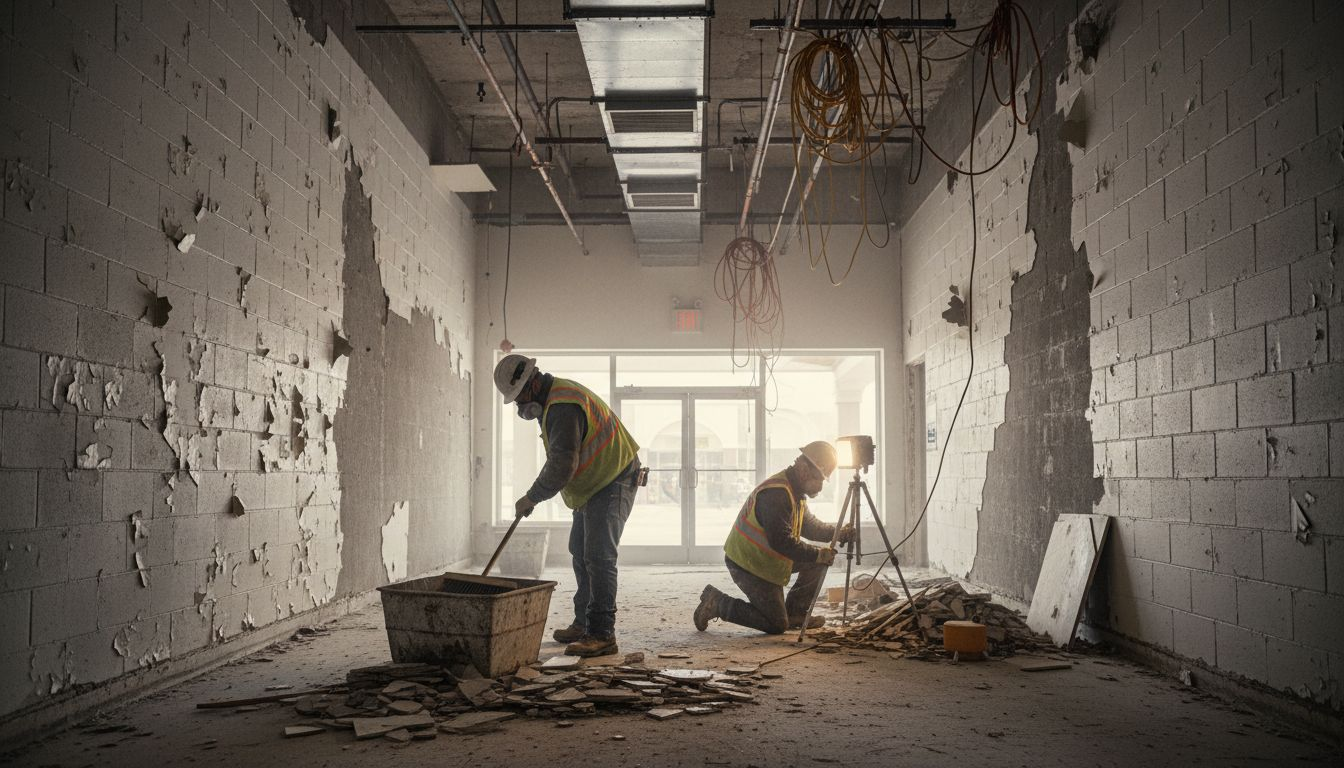
Here’s a quick comparison of the three main commercial remodeling approaches:
| Remodeling Type | Scope of Change | Typical Timeline | Example Use Case |
|---|---|---|---|
| Facelift | Cosmetic-only updates | 2-4 weeks | Refresh outdated interiors |
| Pull-and-Replace | Feature upgrades | 4-8 weeks | Modernize kitchens/restrooms |
| Full-Scale Remodel | Structural and systems | 2-6 months | Expand or reconfigure layout |
Your project type should match your goals: quick updates need facelifts, functional improvements need pull-and-replace, and transformational changes need full-scale remodels.
Common Commercial Spaces That Benefit from Remodeling
Restaurants and food service locations typically remodel to update kitchen equipment, improve HVAC systems, and refresh dining areas. Modernized spaces attract more customers and improve operational efficiency.
Retail spaces benefit from storefront redesigns and technology integration that enhance customer experience. Office environments see improvements through open-concept layouts and upgraded IT infrastructure. Hotels and hospitality businesses refurbish guest rooms and common areas to stay competitive.
Common remodeling targets include:
- Restaurant kitchens and dining areas
- Retail storefronts and checkout zones
- Office break rooms and meeting spaces
- Restrooms and customer-facing areas
- HVAC and electrical systems
- Flooring, walls, and ceiling upgrades
Pro tip: Start by identifying which remodeling type matches your business needs and budget constraints—a facelift might be perfect for quick updates, while full-scale remodels make sense when you’re planning to stay in the space for years.
The Commercial Remodeling Process Explained
Commercial remodeling follows a structured sequence from initial planning through final handover. Understanding each stage helps you anticipate timelines, costs, and what to expect throughout the project.
The Seven-Stage Remodeling Journey
Successful commercial remodeling requires multiple stages working together systematically. Each phase builds on the previous one, and skipping steps leads to costly problems down the line.
Here’s what happens at each stage:
- Design and planning – Define your goals, budget, and timeline with your contractor and design team
- Permitting and approvals – Obtain necessary permits and ensure compliance with building codes
- Material procurement – Source quality materials and schedule delivery to avoid delays
- Demolition and site prep – Remove existing structures and prepare the space for construction
- Structural and mechanical work – Install new systems, framing, and mechanical components
- Inspections and compliance – Ensure all work meets building codes and regulations
- Finishing work – Complete flooring, paint, fixtures, and final touches
Professional project management during these phases prevents cost overruns and keeps your business disruption minimal.
Key Activities Within Each Phase
Initial planning involves detailed site assessments, taking measurements, and developing conceptual designs. Your contractor should clearly document goals, materials, and timelines. This foundation prevents misunderstandings later.
Demolition and construction phases require constant communication between your contractor, inspectors, and team. Framing and system installations follow specific codes, and inspections verify compliance at each checkpoint.
Finishing touches complete your vision—paint, flooring, lighting, and fixtures transform the raw space into your finished remodel. Final inspections and project handover confirm everything meets specifications and building codes.
Critical success factors:
- Clear communication with your contractor weekly
- Thorough documentation of all decisions and changes
- Regular inspections at each phase completion
- Budget contingency for unexpected issues
Pro tip: Request a detailed project timeline with specific milestones and inspection dates upfront—this keeps everyone accountable and helps you plan business operations around construction disruptions.
Legal Requirements and Compliance Considerations
Commercial remodeling isn’t just about construction—it’s governed by a complex framework of laws, regulations, and permits. Ignoring legal requirements can result in fines, project delays, or forced rework that drains your budget.
Understanding Your Legal Obligations
Building permits, zoning clearances, and environmental assessments form the foundation of any lawful remodeling project. These aren’t optional formalities—they’re mandatory requirements that protect both you and your community.
Commercial property renovations must comply with safety codes, local building standards, and municipal regulations. Your contractor should handle most of this, but you need to understand what’s required in your area.
Required permits typically include:
- Building permits (structural work, additions, major renovations)
- Electrical permits (new circuits, panel upgrades)
- Plumbing permits (water lines, drainage systems)
- Mechanical permits (HVAC systems)
- Zoning approval (ensure work complies with property zoning)
Critical Compliance Areas
Accessibility standards matter significantly in commercial spaces. The Americans with Disabilities Act (ADA) requires your space to accommodate employees and customers with disabilities. This includes accessible entrances, restrooms, parking, and interior pathways.
Environmental compliance addresses hazardous materials like asbestos or lead paint that older buildings may contain. Your contractor should assess and properly handle these during demolition.
Lease agreements require attention if you’re leasing the property. Your landlord may have restrictions on alterations, and you need written approval before proceeding. Violating lease terms creates legal liability.
Securing required permits upfront prevents costly legal problems, project shutdowns, and potential fines from city inspectors.
Protecting Yourself Legally
Engage qualified contractors who understand Dallas-Fort Worth building codes and regulations. Verify they carry proper licensing, insurance, and bonding. Request written contracts specifying all work, materials, timelines, and payment terms.
Document everything throughout the project. Keep permit approvals, inspection reports, change orders, and payment receipts. This protects you if disputes arise with your contractor or city officials.
Work with your contractor to schedule required inspections at each phase. Building inspectors verify compliance with codes before work proceeds to the next stage.
Pro tip: Before breaking ground, confirm your contractor has obtained all necessary permits and scheduled inspections—this prevents work stoppages and ensures your remodel meets all legal requirements from day one.
Costs, Risks, and Business Impact
Commercial remodeling requires significant financial investment and carries real risks that can impact your bottom line. Understanding potential costs and challenges helps you plan realistically and protect your business during the project.
Understanding Project Costs
Commercial remodeling costs vary dramatically based on project scope, materials, and local labor rates. A facelift might cost $50,000 to $150,000, while full-scale remodels can exceed $500,000 depending on building size and complexity.
Typical cost categories include:
- Design and planning fees (5-10% of project budget)
- Permits and inspections (varies by municipality)
- Labor and contractor fees (typically 35-50% of total cost)
- Materials and supplies (25-40% of total cost)
- Contingency fund (10-20% for unexpected issues)
Most Dallas-Fort Worth businesses underestimate contingency needs. Hidden structural problems, code compliance issues, or material delays frequently arise during demolition and construction.
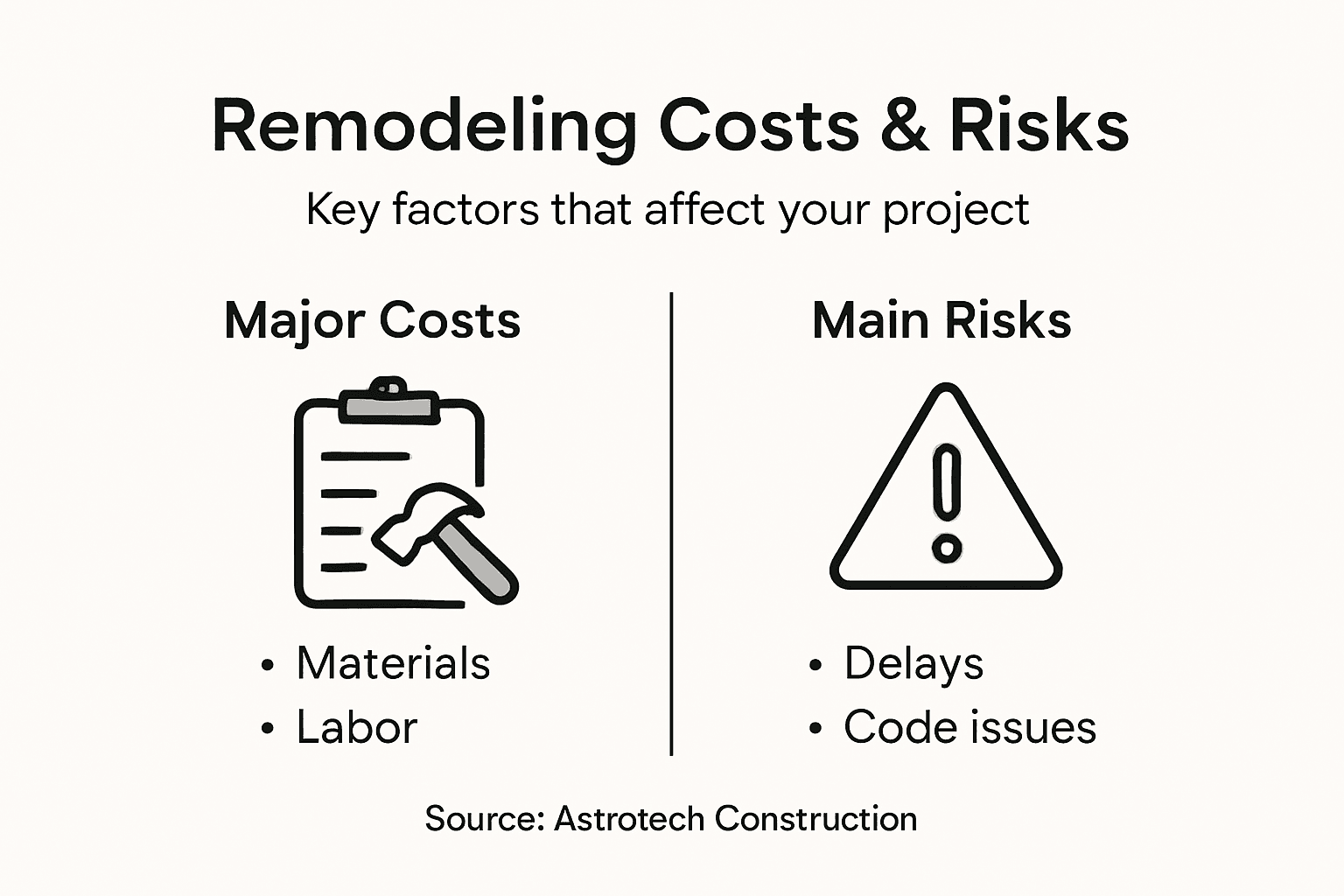
Use this reference to anticipate the top cost drivers and risks in commercial remodeling:
| Cost/Risk Factor | Description | Impact on Project |
|---|---|---|
| Design & Planning Fees | Initial layouts and consultations required | 5-10% of total budget |
| Regulatory Delays | Slow permits or failed inspections | Timeline/cost overrun |
| Structural Surprises | Hidden damage discovered during demo | Increases contingency usage |
| Supply Chain Issues | Material delays or price changes | Schedule and budget impact |
Managing Financial and Technical Risks
Building renovation investments carry diverse risks across regulatory, financial, and technical domains. Regulatory risks include permit delays or code violations. Financial risks involve cost overruns and budget surprises. Technical risks include discovering structural damage during demolition.
Common cost overruns stem from:
- Unexpected structural damage discovered during work
- Material price increases or supply chain delays
- Scope changes or design modifications mid-project
- Labor shortages extending timelines
- Permit complications or inspections failures
Effective risk management through due diligence, contingency planning, and clear contractor agreements is critical to keeping your project on budget.
Business Disruption and Operational Impact
Remodeling disrupts normal business operations. Your team may face noise, dust, limited access, or parking challenges. Depending on your business type, you might lose customer foot traffic or productivity during construction.
Plan for operational impact by:
- Scheduling major remodeling during slower business seasons
- Communicating timelines clearly to customers and staff
- Identifying temporary alternatives for critical functions
- Budgeting for potential revenue loss during heavy construction phases
- Maintaining clear pathways for employees and customer access
The investment pays dividends long-term through increased property value, improved functionality, and enhanced customer experience. Quality remodeling directly impacts your ability to attract and retain customers.
Pro tip: Build a contingency fund of 15-20% into your total budget from the start—this safety net prevents project stalls when unexpected issues surface during demolition or construction.
Transform Your Dallas-Fort Worth Business with Expert Commercial Remodeling
If you recognize that your commercial space needs more than just a facelift but hesitate because of the complexity and risks involved, you are not alone. Many business owners face challenges such as balancing operational disruption, navigating legal compliance, and managing unexpected costs during remodeling. At Astrotech Construction, we specialize in addressing these exact pain points by delivering tailored solutions that enhance workflow, safety, and customer appeal through comprehensive commercial remodeling.
Don’t let outdated interiors or inefficient layouts hold your business back. Whether your goal is a quick surface refresh or a full-scale transformation, our experienced team understands how to guide you through every phase—from initial design and permitting to final inspections and finishing touches. Explore how our expertise can turn your remodeling vision into reality by visiting our Uncategorized – Astrotech Construction service category.
Ready to eliminate guesswork and unexpected delays? Visit Astrotech Construction now to schedule your consultation and take the first step toward a safer, more efficient, and visually stunning commercial space. Learn more about our process, quality assurance, and how we protect your investment while minimizing business disruption. Your ideal remodel starts here.
Frequently Asked Questions
What is commercial remodeling?
Commercial remodeling is the process of significantly altering the interior and exterior of existing commercial spaces, such as offices and restaurants, to improve functionality and aesthetics. It includes substantial upgrades beyond simple renovations.
How does commercial remodeling differ from new construction?
Commercial remodeling works with existing structures to improve them, while new construction creates entirely new buildings. Remodeling focuses on modifications and updates rather than starting from scratch.
What are the main types of commercial remodeling projects?
The main types of commercial remodeling projects are facelift remodeling (surface updates), pull-and-replace remodeling (upgrading specific features), and full-scale remodeling (comprehensive transformations that involve structural changes).
What are the benefits of commercial remodeling?
Commercial remodeling improves workflow and productivity, enhances safety and compliance, boosts property value, and creates more appealing customer and employee experiences, which can ultimately lead to increased profitability.
Recommended
- Why Remodel Commercial Spaces: Complete Guide – Astrotech Construction
- Commercial Remodeling Guide: Step-by-Step Success Plan – Astrotech Construction
- Commercial Renovation Explained: Essential Guide for 2025 – Astrotech Construction
- Why Property Owners Remodel: Needs, Value, and Trends – Astrotech Construction