
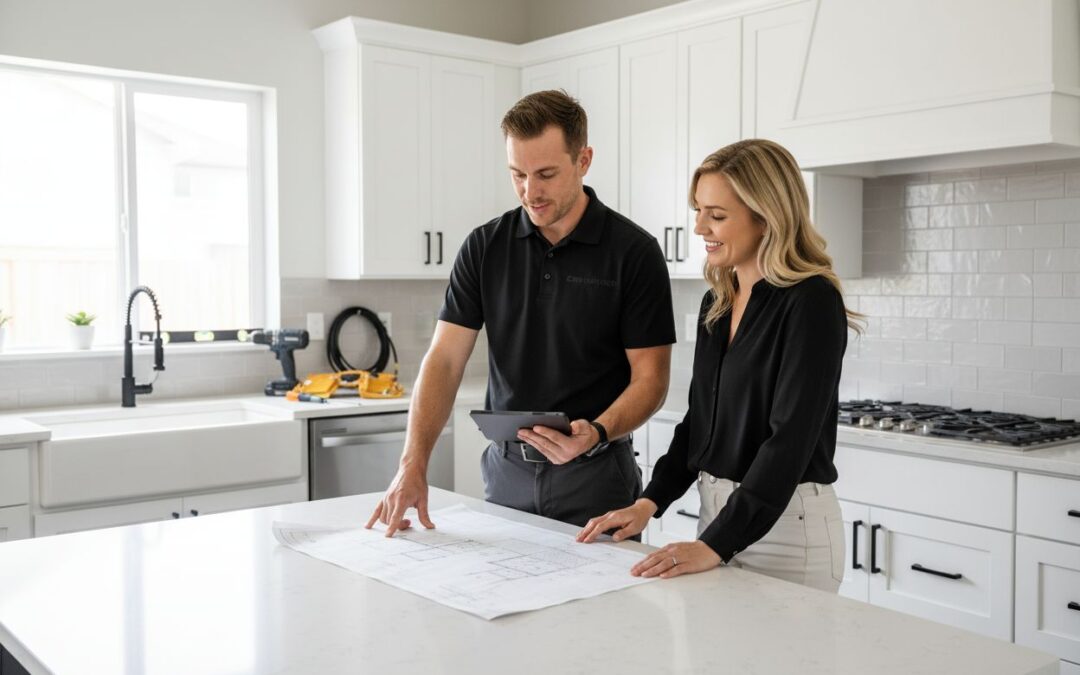
Nearly 60 percent of homeowners face unexpected delays or expenses during renovations, often because they missed key planning steps at the start. Choosing the right contractor and setting clear project details can make the difference between a smooth remodel and a stressful experience. When you understand how to define your scope, vet professionals, compare proposals and protect your investment, you set yourself up for renovation success from day one.
Quick Summary
| Key Point | Explanation |
|---|---|
| 1. Define your renovation scope clearly | Establish a detailed plan with specific changes to guide contractors and avoid misunderstandings. |
| 2. Research and shortlist contractors | Use personal recommendations and multiple sources to find qualified professionals who meet your needs. |
| 3. Verify contractor credentials thoroughly | Confirm licenses, insurance, and certifications to protect against legal and financial risks. |
| 4. Obtain and compare detailed proposals | Collect quotes from multiple contractors to ensure transparency and realistic project expectations. |
| 5. Monitor progress and confirm completion | Conduct regular check-ins and a final walkthrough to ensure work meets contractual requirements and quality standards. |
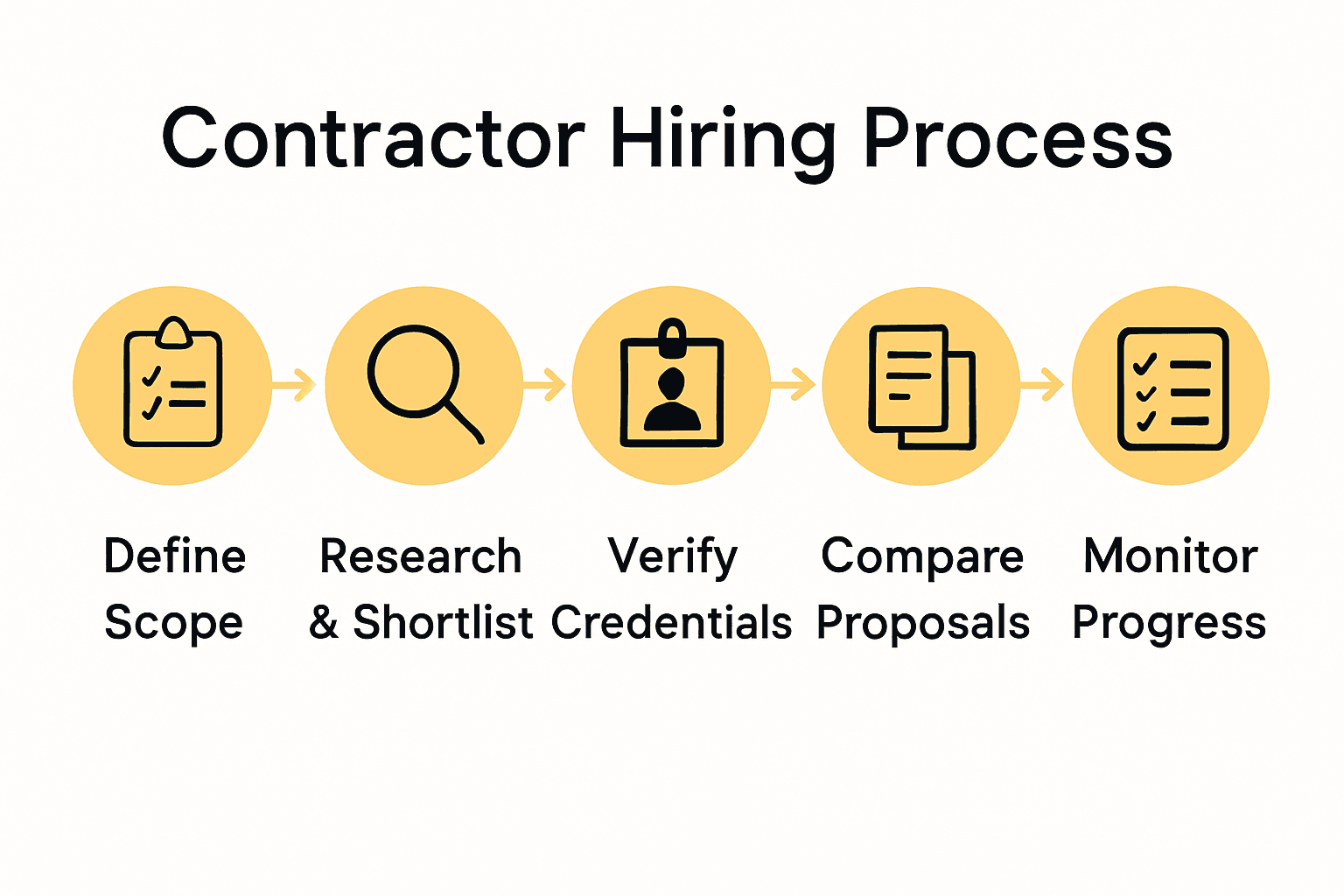
Table of Contents
- Step 1: Define Your Renovation Project Scope
- Step 2: Research and Shortlist Qualified Contractors
- Step 3: Evaluate Contractor Credentials and References
- Step 4: Request and Compare Detailed Proposals
- Step 5: Verify Insurance, Licenses, and Agreements
- Step 6: Monitor Progress and Confirm Project Completion
Step 1: Define Your Renovation Project Scope
Defining your renovation project scope is the critical foundation that will guide your entire remodeling journey. This step transforms your vision from a vague idea into a clear, actionable plan that contractors can understand and execute precisely.
Start by walking through each room or area you want to renovate and make detailed notes about your goals. Are you looking to update a kitchen with modern appliances? Completely transform a bathroom? Expand a living space? Get specific about the changes you want. According to research from construction management experts, developing a precise scope of work ensures contractors provide more accurate proposals and establishes clear contract expectations.
Break down your project into specific components:
- Structural changes needed
- Desired materials and finishes
- Exact measurements and dimensions
- Color schemes and design preferences
- Functional requirements
Prioritize these elements based on importance and budget. Not every aspect of your dream renovation might be financially feasible in one go, so rank your objectives. Research indicates that outlining specific changes and prioritizing key elements helps contractors provide realistic timelines and keeps your project focused.
Here’s a concise comparison of project scope components to consider:
| Component | Why It Matters | Example Details |
|---|---|---|
| Structural Changes | Impacts project complexity | Removing walls Expanding rooms |
| Materials & Finishes | Affects cost and aesthetics | Quartz countertops Hardwood flooring |
| Measurements & Layout | Enables accurate proposals | 12×15 ft kitchen 3×6 ft island |
| Design Preferences | Guides selections | Modern Neutral palette |
| Functional Needs | Ensures practical outcomes | More storage Energy efficiency |
Pro Tip: Take photos and create a digital or physical inspiration board. Visual references communicate your vision more effectively than words alone.
Before meeting with contractors, estimate a realistic budget range. Be honest about what you can afford and where you might be willing to compromise. This preparation sets the stage for transparent conversations and prevents unexpected surprises down the line.

Once you have a clear, detailed project scope, you are ready to start interviewing potential renovation contractors who can bring your vision to life. Learn more about selecting the right contractor for your project.
Step 2: Research and Shortlist Qualified Contractors
With your project scope clearly defined, the next crucial step is finding the right professionals who can transform your vision into reality. This stage requires strategic research to identify contractors who not only have the technical skills but also match your project requirements and communication style.
Start by tapping into your personal network. Ask friends, family, colleagues and neighbors about recent renovation experiences. Personal recommendations often reveal insights that online reviews cannot capture. According to research on contractor selection, referrals are one of the most reliable methods for finding qualified professionals.
Expand your search using multiple channels:
- Online review platforms like Angi and Houzz
- Local trade association directories
- Better Business Bureau ratings
- Professional contractor websites
- Social media professional networks
When evaluating potential contractors, look beyond surface level credentials. Research indicates you should verify key qualifications such as licensing, insurance, years of experience and specialized expertise relevant to your specific project type. Check out our guide on full home design services to understand what comprehensive renovation expertise looks like.
Pro Tip: Request and contact at least three references for each contractor. Ask about project timelines, communication quality and how well they handled unexpected challenges.
Pay attention to red flags during your research. Unusually low bids, lack of clear communication, minimal online presence or reluctance to provide detailed documentation could signal potential problems. A reputable contractor will be transparent about their capabilities and happy to provide comprehensive information.
Once you have a shortlist of 3-5 potential contractors who seem qualified, you are ready to schedule initial consultations and begin comparing their approaches to your specific renovation project.
Step 3: Evaluate Contractor Credentials and References
Now that you have a shortlist of potential contractors, it is time to dig deeper and verify their professional credentials. This critical step separates qualified professionals from amateur performers who might put your renovation project at risk.
Licensing and insurance are your first line of defense. According to industry research, confirming valid contractor licenses and comprehensive insurance coverage protects you from potential financial and legal complications. Request to see actual documentation for:
- State contractor license numbers
- General liability insurance
- Workers compensation insurance
- Professional certifications
Professional certifications from recognized bodies like the National Association of Home Builders (NAHB) or National Association of the Remodeling Industry (NARI) demonstrate a commitment to industry standards and continuous professional development. Read more about our comprehensive design services to understand what professional expertise looks like.
References are your window into a contractor’s real world performance. When checking references, go beyond surface level conversations. Ask specific questions about project management, communication quality, problem solving skills and adherence to timelines and budgets.
Pro Tip: Request to see a portfolio of completed projects similar to your renovation scope. Photos and detailed project descriptions can reveal a contractor’s style and capabilities.
Be wary of contractors who are hesitant to provide comprehensive references or documentation. Transparent professionals will gladly share proof of their qualifications and past successes. Their willingness to be open demonstrates confidence in their work.
Once you have thoroughly vetted their credentials and references, you will be ready to move forward with detailed project consultations and formal proposal requests.
Step 4: Request and Compare Detailed Proposals
With your contractor shortlist vetted, it is time to gather comprehensive project proposals that will help you make an informed decision. This stage transforms your renovation vision into concrete plans with clear financial and logistical expectations.
Research indicates that obtaining detailed quotes from multiple contractors provides critical market insights and helps you understand the true scope of your project. Aim to collect proposals from at least three qualified professionals to create a robust comparison framework.
When requesting proposals, provide each contractor with your precise project scope document. This ensures they have identical information and can generate accurate estimates. Key elements to request in each proposal include:
- Comprehensive project timeline
- Detailed material specifications
- Labor cost breakdowns
- Estimated start and completion dates
- Potential variation cost projections
- Payment schedule terms
Learn more about our comprehensive approach to home design to understand what a thorough proposal should encompass.
Pro Tip: Request that proposals include both material and labor costs separately. This transparency helps you understand exactly where your budget is being allocated.
Comparing proposals requires more than just looking at the bottom line. Evaluate each submission for clarity, comprehensiveness and the contractor’s understanding of your specific project requirements. Pay attention to communication style subtle differences in approach can reveal much about a contractor’s professionalism and potential compatibility.
Be cautious of proposals that seem significantly cheaper than others. Unusually low bids might indicate potential shortcuts or hidden costs that could emerge later in the project. A reliable proposal balances competitive pricing with realistic expectations and transparent documentation.
Step 5: Verify Insurance, Licenses, and Agreements
Before signing any contracts, you need to transform your selected contractor proposals into legally sound agreements that protect both your investment and your project’s success. This crucial step establishes clear expectations and safeguards against potential complications.
According to industry research, written contracts must comprehensively specify every aspect of your renovation project. Look for documentation that includes detailed descriptions of:
- Complete scope of work
- Precise payment schedules
- Material specifications
- Warranty terms
- Insurance coverage details
- Licensing verification
Carefully review each legal document to ensure it provides complete protection. Our comprehensive design services guide can help you understand what professional documentation should encompass.
Pay special attention to insurance requirements. A reputable contractor should carry both general liability insurance and workers compensation coverage. Request and verify actual insurance certificates directly with the issuing agency. Do not simply accept copies provided by the contractor.
Pro Tip: Confirm that the contractor’s insurance policy covers the full value of your potential project. Insufficient coverage could leave you financially vulnerable.
Watch for critical red flags during contract review. Lack of clear written agreements, vague language about responsibilities or reluctance to provide complete documentation are warning signs. A professional contractor will be transparent and willing to explain every aspect of the contract.
Once you have thoroughly verified all documentation and feel confident in the agreement, you will be prepared to move forward with your renovation project with significantly reduced risk.
Step 6: Monitor Progress and Confirm Project Completion
Your renovation project is now underway, and effective monitoring becomes critical to ensuring successful outcomes. This stage transforms your carefully planned vision into tangible results through proactive engagement and strategic oversight.
Research suggests maintaining consistent communication and tracking progress against the original project schedule is fundamental to renovation success. Schedule regular onsite meetings with your contractor to review work completed, discuss upcoming phases and address any emerging challenges promptly.
Key monitoring strategies include:
- Weekly progress walkthrough meetings
- Photographic documentation of each project phase
- Comparing actual progress against original timeline
- Tracking material installations and quality
- Verifying workmanship meets contract specifications
Explore our comprehensive design services approach to understand professional project management techniques.
Pro Tip: Create a dedicated project folder to store all communications, change orders, receipts and progress photographs. This documentation becomes invaluable if disputes arise.
Be cautious about payment schedules. Industry experts recommend avoiding large upfront payments and instead structuring payments based on completed milestones. This approach incentivizes consistent quality work and protects your financial investment.
As the project nears completion, conduct a thorough final walkthrough. Carefully inspect every detail against the original contract specifications. Request documentation of all warranties for installed materials and systems. Do not consider the project closed until every aspect meets your agreed upon standards.
Ready for a Stress-Free Renovation Experience?
Hiring the right contractor is overwhelming if you worry about hidden costs, lack of communication, or disappointing results. This article guided you through defining your project scope, vetting credentials, comparing detailed proposals, and monitoring project progress. But even with a solid plan, finding a truly reliable team can still feel risky. You deserve transparency, craftsmanship, and a contractor who values your time and investment.
Astrotech Construction specializes in transforming the detailed planning steps you learned about into real, visible quality for your home or business. Our full home remodeling solutions cover everything from design to project completion. What sets us apart is our commitment to clear contracts, consistent updates, and total protection through proper licensing and insurance. We invite you to explore our process and see how we set new standards in the Dallas–Fort Worth area for service and results.
Act now to experience a renovation journey built on trust and results, not stress and uncertainty. Visit Astrotech Construction, send us your project details, and let our team walk you through the next step. Your dream space starts with the right partner—reach out today for a no-obligation consultation and see the difference for yourself.
Frequently Asked Questions
How do I define the scope of my renovation project?
To define your renovation project scope, start by making detailed notes about your goals for each area you want to renovate. Walk through your space and prioritize specific changes, such as structural updates and material choices, before finalizing your budget.
What qualifications should I look for in a renovation contractor?
Look for a renovation contractor with valid licensing, comprehensive insurance, and a strong portfolio of past work. Request to see their certifications and ensure they have relevant experience for your specific project type.
How can I compare proposals from different contractors?
To compare proposals effectively, ensure each contractor receives the same project scope document. Focus on details like comprehensive project timelines, labor costs, and material specifications to assess their understanding and approach to your renovation.
What should I include in my contract with a renovation contractor?
Your contract should include a complete scope of work, payment schedules, material specifications, and insurance details. Before signing, carefully review that all terms are clearly defined to avoid misunderstandings.
How can I monitor the progress of my renovation project?
Monitor your renovation by scheduling regular meetings with your contractor to discuss project status and milestones achieved. Take photos at each phase, and ensure the work aligns with the timeline and contract specifications.
What steps can I take if my renovation project does not meet expectations?
If the project does not meet expectations, conduct a thorough final walkthrough and document any discrepancies with the contract. Communicate your concerns directly to the contractor and request adjustments or corrections as necessary.