

Did you know that Americans spent over $500 billion on home improvement in a single year? Many homeowners see renovation as a way to breathe new life into their spaces, but the true meaning behind home improvement stretches much further. Defining these projects clearly can influence your comfort, security, and the true value of your property. Understanding what counts as meaningful improvement helps you make smart decisions before picking up a paintbrush or starting a major remodel.
Table of Contents
- What Defining Home Improvement Means
- Different Types And Categories Of Home Improvement
- Legal Definitions And Contractor Licensing
- Financial, Tax And Compliance Implications
- Risks, Common Pitfalls, And Alternatives
Key Takeaways
| Point | Details |
|---|---|
| Strategic Investment | Home improvement enhances property value, comfort, and functionality through intentional project selection and planning. |
| Categorized Projects | Key types include interior remodeling, exterior remodeling, structural modifications, energy efficiency upgrades, and safety improvements, each serving distinct homeowner needs. |
| Legal Compliance | Engaging licensed professionals ensures adherence to building codes and regulatory requirements, safeguarding the homeowner’s investment. |
| Financial Considerations | Home improvements require careful budgeting and awareness of potential tax implications and financing options to maximize investment returns. |
What Defining Home Improvement Means
Home improvement is more than just a series of repairs or upgrades – it’s a strategic approach to enhancing your property’s functionality, comfort, and value. Home improvement encompasses a wide range of projects that transform living spaces from basic structures into personalized, efficient environments. According to research from Wikipedia, this process involves making additions or renovations to one’s home that upgrade existing interiors, exteriors, or other property aspects.
At its core, home improvement represents intentional investment in your property. These projects can range from minor aesthetic updates like painting and decorating to major structural renovations such as kitchen remodels, bathroom upgrades, or entire home transformations. Essential types of remodeling services for homeowners often include critical areas like roofing, siding, interior redesigns, and targeted improvements that directly impact your home’s livability and market value.
Key aspects of home improvement typically involve:
- Increasing property value
- Enhancing living comfort
- Improving energy efficiency
- Addressing structural maintenance needs
- Personalizing living spaces
Whether you’re planning a comprehensive full home remodeling project or focusing on specific room upgrades, the goal remains consistent: creating a space that meets your evolving lifestyle needs while protecting and potentially increasing your property’s long-term worth.
Different Types And Categories Of Home Improvement
Home improvement projects can be strategically classified into several distinct categories that address different homeowner needs and objectives. According to research from Wikipedia, these categories encompass comfort upgrades, maintenance and repair, additional space creation, energy-saving initiatives, and safety enhancements. Understanding these categories helps homeowners approach renovation with a targeted, purposeful strategy.
The primary categories of home improvement typically include:
-
Interior Remodeling: Transforming interior living spaces like kitchens and bathrooms. Interior remodeling guides for DFW homeowners can provide detailed insights into maximizing these crucial home areas. This category focuses on updating aesthetics, functionality, and overall living experience.
-
Exterior Remodeling: Encompasses projects that enhance a home’s outer appearance and structural integrity, such as comprehensive exterior remodeling approaches. These improvements include roof replacements, siding updates, landscaping, and external structural repairs.
-
Structural Modifications: Involves significant changes like room additions, wall removals, or foundation reinforcements that fundamentally alter a home’s layout and living space.
-
Energy Efficiency Upgrades: Projects designed to reduce energy consumption, including solar panel installations, improved insulation, window replacements, and smart home technology implementations.
-
Safety and Maintenance Upgrades: Critical improvements that protect the home’s structural integrity and occupant safety, such as electrical system updates, fire protection installations, and regular maintenance interventions.
Each home improvement category serves a unique purpose, allowing homeowners to strategically invest in their property’s value, comfort, and long-term sustainability.
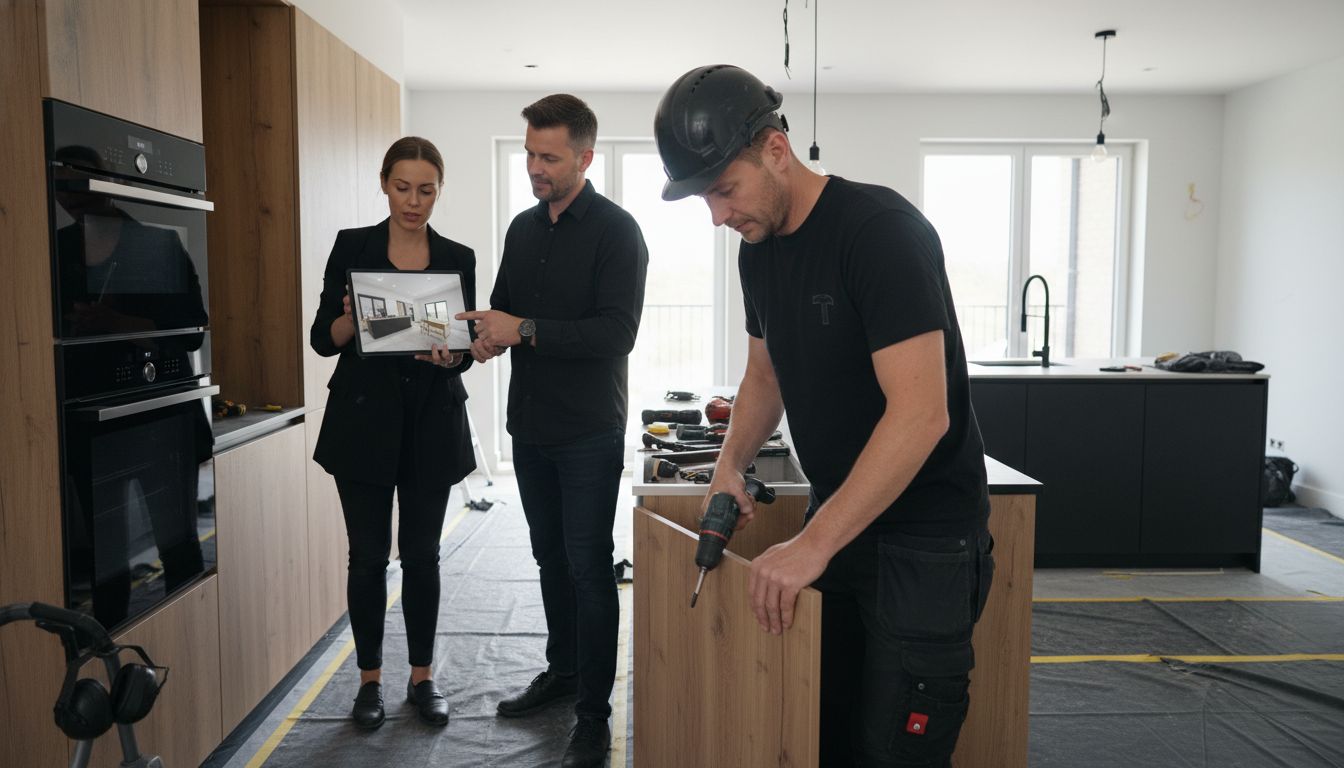
Here’s a comparison of the primary home improvement categories:
| Category | Typical Projects | Main Benefits |
|---|---|---|
| Interior Remodeling | Kitchen upgrade Bathroom remodel |
Improved comfort Modern look |
| Exterior Remodeling | Siding replacement Roof repair |
Enhanced curb appeal Durability |
| Structural Modifications | Room addition Wall removal |
More space Open layouts |
| Energy Efficiency Upgrades | Insulation Solar panels New windows |
Lower bills Tax incentives |
| Safety & Maintenance | Electrical update Fire protection |
Safer home Code compliance |
Legal Definitions And Contractor Licensing
Home improvement projects involve complex legal and professional classifications that protect homeowners and ensure quality workmanship. Contractor licensing represents a critical regulatory mechanism designed to validate a professional’s expertise, skills, and legal compliance in performing home renovation and repair services.
According to research, professionals in the home improvement industry fall into distinct categories with specific legal definitions. A handyman, for instance, is defined as a skilled maintenance worker capable of performing various tasks including carpentry, plumbing, and electrical work. However, the legal scope of their work is often limited by local regulations regarding project complexity and total project value.
Key aspects of contractor licensing and legal definitions include:
- Mandatory state-level professional registration
- Proof of technical training and skills certification
- Minimum insurance and bonding requirements
- Specialized permits for specific types of home improvement work
- Background checks and professional conduct standards
For homeowners in the Dallas-Fort Worth area, understanding these legal nuances is crucial. Comprehensive exterior remodeling approaches often require specific licensing and permits, highlighting the importance of working with professionally certified contractors who can navigate these complex regulatory landscapes. Proper licensing ensures that home improvement projects meet local building codes, safety standards, and quality expectations, ultimately protecting the homeowner’s investment and ensuring superior renovation outcomes.
Financial, Tax And Compliance Implications
Home improvement projects represent significant financial investments that extend far beyond simple renovation expenses. According to research, these projects involve complex financial considerations, including direct costs of materials and labor, potential property value increases, and various tax implications that can substantially impact a homeowner’s overall financial strategy.
The financial landscape of home improvements encompasses multiple critical dimensions:
- Initial Project Costs: Direct expenses for materials, labor, and professional services
- Property Value Impact: Potential appreciation of home market value
- Energy Efficiency Returns: Potential long-term savings and tax incentives
- Financing Options: Loans, home equity lines of credit, and renovation-specific financial products
Certain home improvements offer notable tax advantages. Interior remodeling guides for DFW homeowners often highlight energy-efficient upgrades that can qualify for significant tax credits. These incentives can offset initial project costs and provide long-term financial benefits, making strategic home improvements not just aesthetic enhancements but smart financial investments.
Compliancewise, homeowners must navigate local building codes, permit requirements, and potential zoning restrictions. These regulatory considerations can impact project costs, timeline, and overall feasibility. Proper documentation, adherence to local regulations, and working with licensed professionals ensure that home improvement projects remain financially sound and legally compliant, protecting homeowners from potential future legal or financial complications.
Risks, Common Pitfalls, And Alternatives
Home improvement projects inherently involve complex challenges that can transform seemingly straightforward renovations into potential financial and logistical nightmares. Research indicates that homeowners frequently encounter significant risks, including unexpected structural complications, budget overruns, and compliance challenges that can derail even the most meticulously planned renovation efforts.
Common pitfalls in home improvement typically include:
- Budget Miscalculations: Underestimating total project costs
- Structural Surprises: Unforeseen issues discovered during renovation
- Regulatory Non-Compliance: Violations of local building codes
- Skill Limitations: Overestimating personal DIY capabilities
- Material Quality Issues: Choosing inappropriate or substandard materials
Alternatives to traditional full-scale renovations provide homeowners with flexible options. Comprehensive exterior remodeling approaches demonstrate that strategic, phased improvements can mitigate risks while achieving desired outcomes. DIY projects represent one alternative, though they require significant time, skill, and potential risk of costly mistakes. Professional contractors offer a more reliable approach, especially for complex renovations that demand specialized expertise.
Mitigating risks involves thorough planning, comprehensive research, and working with licensed professionals who understand local regulations and can anticipate potential challenges. Homeowners should prioritize obtaining multiple quotes, conducting detailed project assessments, and maintaining flexible contingency budgets to navigate the inherent uncertainties of home improvement projects effectively.
Transform Your Home Improvement Vision Into Reality
Understanding the many facets of home improvement can feel overwhelming, especially when balancing comfort upgrades, legal requirements, and budget concerns. If you are facing challenges like uncertain project scope, compliance questions, or seeking to maximize your home’s value through strategic remodeling, you are not alone. The detailed guide on defining home improvement highlights crucial pain points such as ensuring proper contractor licensing, avoiding common renovation pitfalls, and navigating financial complexities. These concerns deserve expert solutions backed by years of experience.
At Astro Tech Construction, we specialize in addressing these exact challenges. Whether you want a full home remodeling that blends style and functionality or need guidance on interior remodeling improvements, our team offers trusted, professional service in the Dallas Fort Worth Metroplex. With a commitment to quality and compliance, we simplify your renovation journey and protect your investment.
Upgrade your living space with confidence by leveraging our expertise in full home remodeling and discover how thorough planning brings lasting comfort and value.
Start your project today and experience renovation without hassle.
Take the first step toward a smarter home transformation.
Visit Astro Tech Construction to schedule your consultation and turn your home improvement aspirations into reality.
Frequently Asked Questions
What is the definition of home improvement?
Home improvement refers to the strategic approach of enhancing a property’s functionality, comfort, and value through various projects, including renovations, repairs, and aesthetic upgrades.
What are the main categories of home improvement projects?
Home improvement projects can be classified into several categories, including interior remodeling, exterior remodeling, structural modifications, energy efficiency upgrades, and safety and maintenance upgrades.
What are some common risks associated with home improvement projects?
Common risks include budget miscalculations, unexpected structural complications, regulatory non-compliance, overestimating DIY capabilities, and issues related to material quality.
How can I ensure my home improvement project is financially sound?
To ensure financial sustainability, homeowners should obtain multiple quotes, conduct thorough project assessments, maintain a flexible contingency budget, and adhere to local regulations and compliance requirements.