
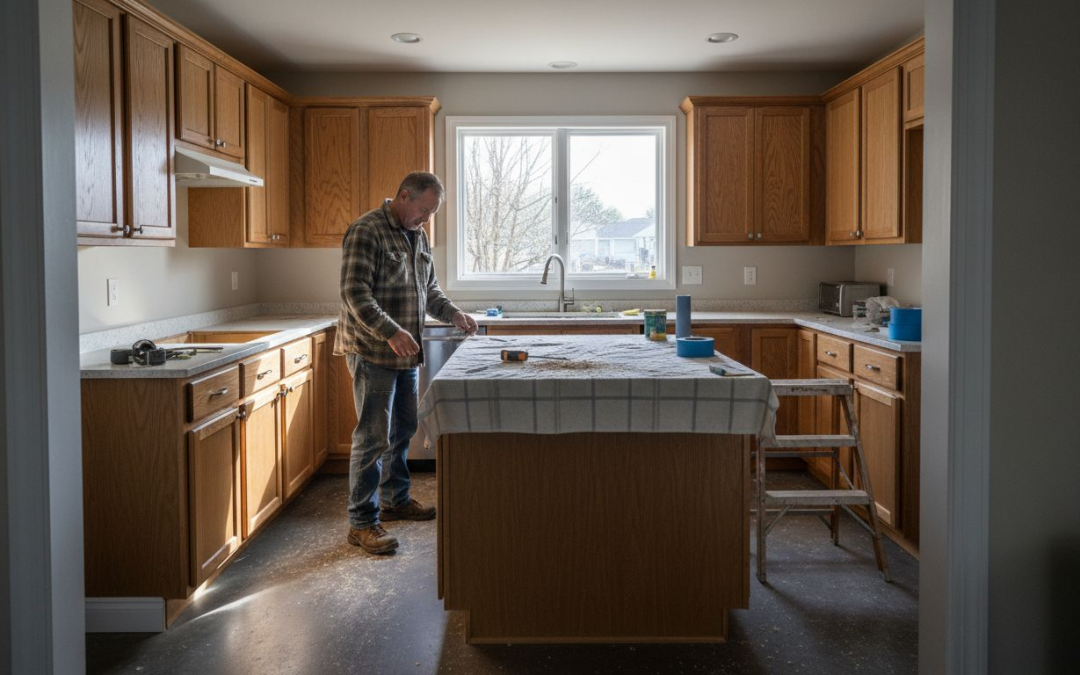
Most American homeowners spend nearly twice as much on full kitchen renovations as necessary, often overlooking affordable strategies like cabinet refacing. For Dallas-Fort Worth residents seeking smart ways to upgrade their kitchen’s look and boost resale value, understanding refacing can make all the difference. This guide clears up common myths and lays out practical, stylish options to revitalize your space with less cost and hassle than a total remodel.
Table of Contents
- Defining Kitchen Cabinet Refacing And Misconceptions
- Common Types Of Cabinet Refacing Solutions
- How The Refacing Process Works Step By Step
- Comparing Refacing To Cabinet Replacement Options
- Key Costs, Benefits, And Mistakes To Avoid
Key Takeaways
| Point | Details |
|---|---|
| Cabinet Refacing Definition | Refacing is a home improvement method that updates kitchen cabinets without a full renovation, involving door replacements and new finishes. |
| Cost and Time Efficiency | Refacing costs significantly less (30-50%) and takes a fraction of the time compared to full cabinet replacement. |
| Customization Options | Homeowners have various refacing options, allowing for tailored designs that suit existing kitchen aesthetics. |
| Avoiding Common Mistakes | To ensure success, homeowners should assess cabinet conditions thoroughly and consult professionals for design coordination. |
Defining Kitchen Cabinet Refacing and Misconceptions
Kitchen cabinet refacing represents a strategic home improvement approach that transforms your kitchen’s appearance without the complexity and expense of a complete renovation. Unlike common misconceptions, this process is far more sophisticated than a simple paint job. Cabinet refacing involves carefully removing old doors and drawer fronts while re-laminating existing cabinet structures with new, stylish components.
The process fundamentally differs from basic cosmetic updates by providing a comprehensive transformation. Homeowners can expect to replace not just surfaces, but also update hardware, shelving, and design elements. This method allows for significant visual upgrades while preserving the kitchen’s existing layout and structural framework. Typical refacing projects include installing fresh cabinet doors, applying new veneer to cabinet boxes, and replacing handles, hinges, and other decorative elements.
Most homeowners misunderstand refacing as a minor aesthetic adjustment. In reality, it is a strategic remodeling solution that can dramatically refresh a kitchen’s atmosphere without the disruption of a full renovation. The approach offers several key advantages: reduced cost compared to complete cabinet replacement, minimal kitchen downtime, and the ability to dramatically change the room’s style and feel.
Pro tip: Before starting a cabinet refacing project, carefully measure your existing cabinet dimensions and consult with a professional to ensure precise fit and optimal design integration.
Common Types of Cabinet Refacing Solutions
Cabinet refacing solutions offer homeowners multiple approaches to transform their kitchen’s aesthetic without complete renovation. These methods range from comprehensive replacements to targeted updates, providing flexibility in design and budget. The primary strategies include door and drawer front replacements, veneer applications, and strategic hardware upgrades.
Homeowners can choose from five primary refacing techniques. These include replacing only cabinet doors and drawer fronts, utilizing Euro-style doors with rail pulls and hidden hinges, painting existing cabinet boxes while installing new doors, applying self-adhesive wood grain veneers, and installing solid medium-density fiberboard (MDF) doors that can be painted in any desired color. Each approach offers unique opportunities for customization, allowing homeowners to select materials, finishes, and styles that complement their kitchen’s existing design.
The versatility of cabinet refacing means homeowners are not limited to uniform updates. Some may choose to reface all cabinets simultaneously, while others might selectively update specific areas or combine refacing with broader kitchen remodeling efforts. Veneer materials like wood, laminate, and decorative moldings provide extensive design possibilities, enabling dramatic transformations that respect the kitchen’s original structural layout.
Pro tip: When selecting a cabinet refacing method, consider consulting with a professional designer who can help match your chosen style with your kitchen’s existing architectural elements and color scheme.
How the Refacing Process Works Step by Step
Kitchen cabinet refacing is a meticulous home improvement process that requires careful planning and precise execution. The process begins with a comprehensive assessment of existing cabinet structures, carefully evaluating their condition and potential for successful transformation. Professionals start by thoroughly examining the current cabinets, ensuring they are structurally sound and suitable for refacing.
The actual refacing procedure involves several critical steps. Homeowners can expect technicians to remove existing doors, drawer fronts, and hardware with precision. Next, surfaces are carefully prepared through thorough sanding and cleaning, creating an optimal foundation for new finishes. Skilled professionals then apply new veneers or laminates to the cabinet boxes, matching the homeowner’s design preferences and ensuring a seamless, professional appearance.
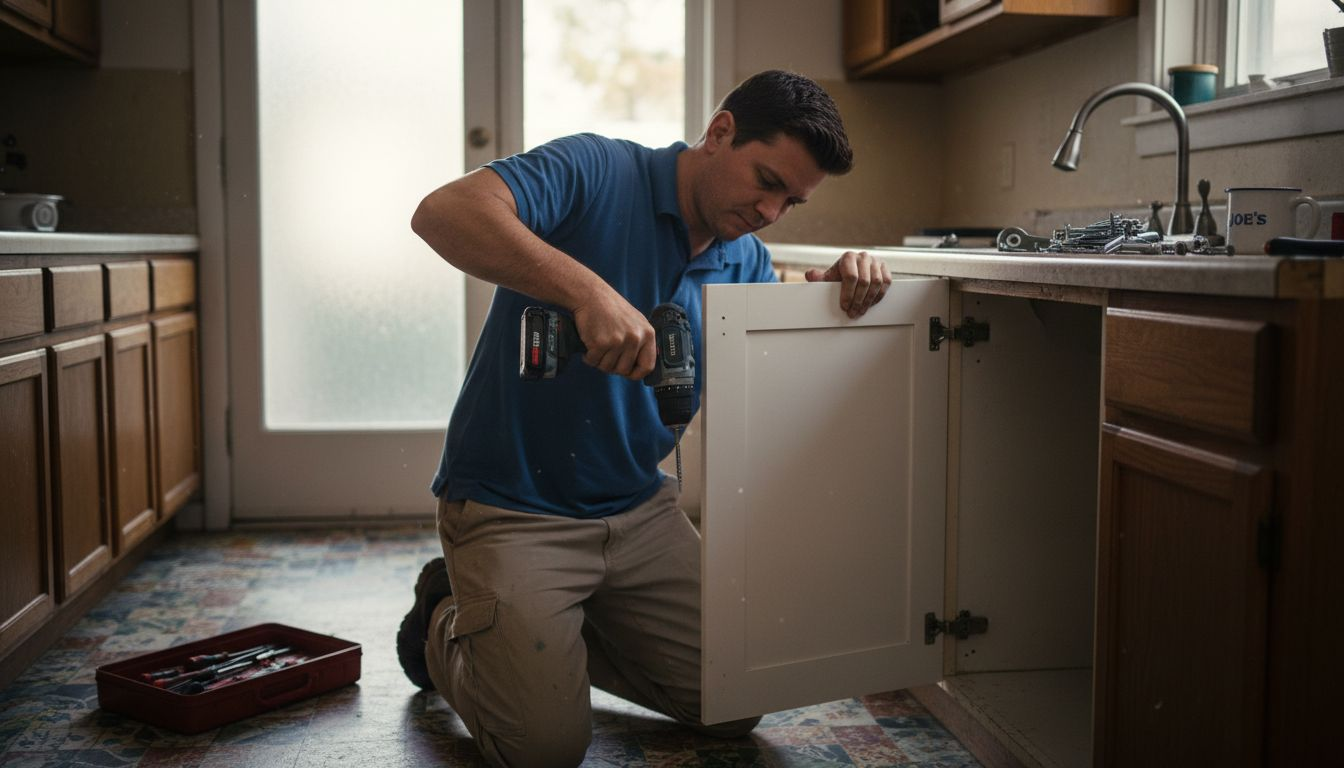
Installation represents the final and most transformative phase of the refacing process. Technicians will mount new doors and drawer fronts, carefully aligning them for perfect functionality. They’ll also install updated hardware like handles and hinges, which can dramatically change the kitchen’s aesthetic. This stage allows homeowners to completely refresh their kitchen’s look while maintaining the existing cabinet framework, minimizing disruption and reducing overall renovation costs.
Pro tip: Schedule your cabinet refacing during a less busy time of year and plan for temporary kitchen arrangements to minimize inconvenience during the transformation process.
Comparing Refacing to Cabinet Replacement Options
Kitchen cabinet refacing and full cabinet replacement represent two distinctly different approaches to kitchen renovation, each with unique advantages and considerations. Kitchen remodels can significantly impact home value, making the choice between refacing and replacement a critical decision for homeowners seeking to optimize their investment.
Refacing offers substantial cost savings compared to complete cabinet replacement. While full replacement involves removing entire cabinet structures and installing entirely new units, refacing preserves the existing cabinet framework and focuses on cosmetic updates. This approach typically costs 30-50% less than full replacement, requires less labor, and can be completed in a fraction of the time. Homeowners maintain their kitchen’s original layout while achieving a dramatically refreshed appearance through new door fronts, updated hardware, and fresh finishes.
Full cabinet replacement becomes more appropriate in scenarios involving significant structural damage, outdated cabinet configurations, or when homeowners desire a complete kitchen layout transformation. Replacement allows for total reconfiguration of kitchen space, installation of custom storage solutions, and addressing fundamental structural issues that refacing cannot resolve. However, this option demands substantially higher financial investment, longer project timelines, and more extensive disruption to daily household routines.
Here’s a side-by-side look at key differences between cabinet refacing and full cabinet replacement:
| Criteria | Cabinet Refacing | Full Replacement |
|---|---|---|
| Project Timeline | 2-4 days | Multiple weeks |
| Disruption Level | Minimal, kitchen remains used | High, kitchen often unusable |
| Cost Range | $1,000 – $14,000 | $4,000 – $28,000+ |
| Layout Changes Allowed | No, layout stays same | Yes, full layout redesign |
| Environmental Impact | Generates less waste | Creates much construction waste |
| Best for | Cosmetic update, solid frames | Damaged or outdated layouts |
Pro tip: Consult a professional contractor to assess your specific kitchen’s condition and receive personalized recommendations about whether refacing or full replacement best suits your renovation goals and budget.
Key Costs, Benefits, and Mistakes to Avoid
Kitchen cabinet refacing represents a nuanced home improvement strategy with significant financial implications. Homeowners can typically expect project costs ranging between $1,000 and $14,000, depending on kitchen size and selected materials. This cost range represents approximately half the expense of a full cabinet replacement, making it an attractive option for budget-conscious homeowners seeking dramatic kitchen transformations.
The benefits of cabinet refacing extend beyond mere cost savings. Homeowners gain the advantage of minimal disruption to their daily routines, with most projects completing within 2-4 days compared to weeks-long full replacements. Key advantages include preserving existing kitchen layout, reducing waste, maintaining structural integrity, and achieving a fresh aesthetic without comprehensive demolition. Material choices like laminate, wood veneer, and decorative finishes provide extensive customization opportunities, allowing personalized design expressions that reflect individual style preferences.
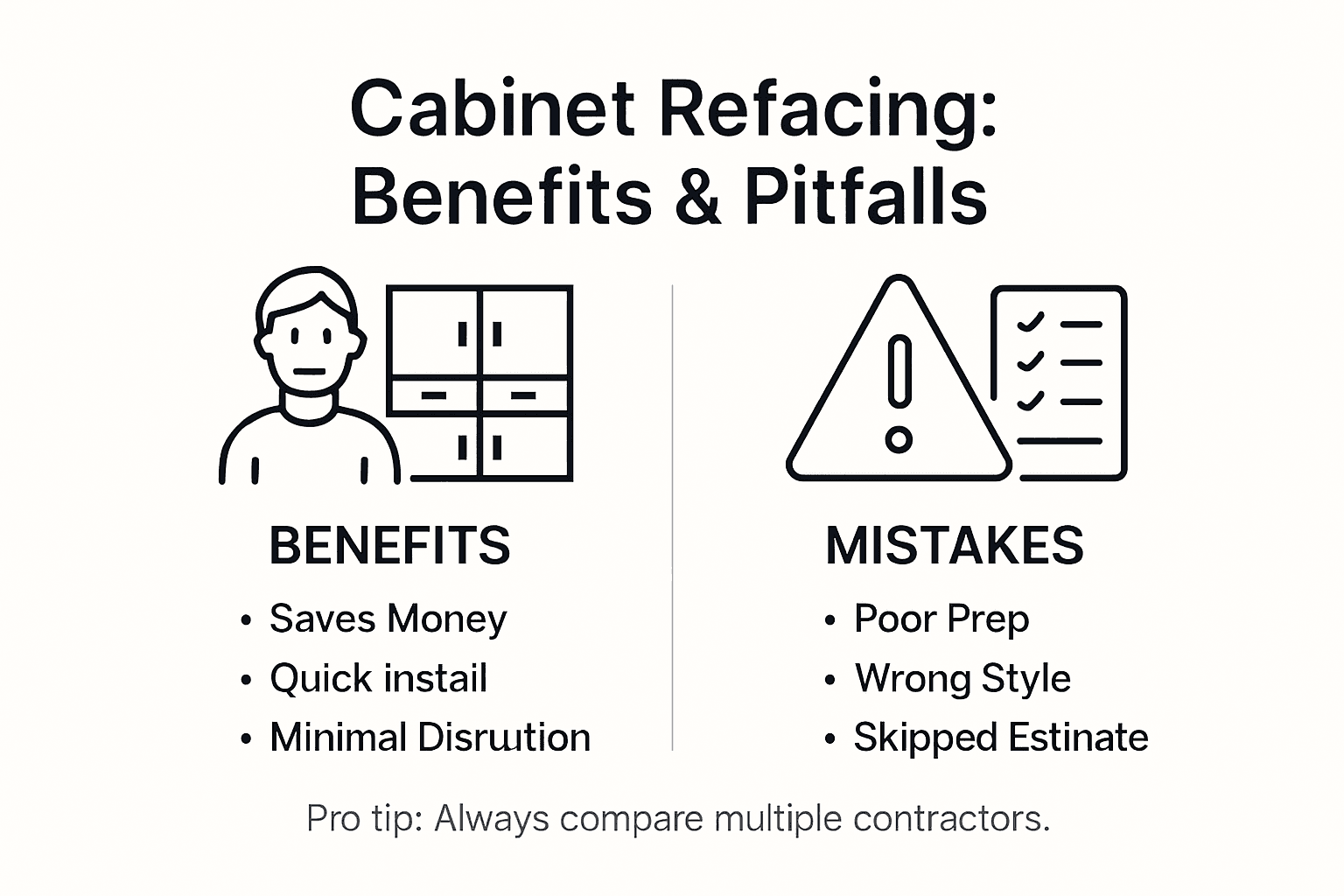
Navigating potential pitfalls is crucial for successful cabinet refacing. Common mistakes include failing to thoroughly assess cabinet structural condition, underestimating total project costs, and neglecting proper color and design coordination. Homeowners should carefully inspect existing cabinetry for significant damage, structural weaknesses, or water damage before proceeding with refacing. Professional assessment becomes critical in determining whether refacing represents the most appropriate renovation strategy or if full replacement might better serve long-term kitchen functionality and aesthetic goals.
Use this quick reference to avoid common mistakes and leverage key benefits of cabinet refacing:
| Key Benefit | Common Mistake to Avoid | Expert Tip |
|---|---|---|
| Saves money | Ignoring hidden damage | Inspect frames for issues first |
| Minimal kitchen downtime | Underestimating total project cost | Request detailed written estimates |
| Preserves layout & structure | Poor color or design coordination | Consult with a kitchen design pro |
| Offers design flexibility | Choosing low-quality materials | Select durable veneers and hardware |
Pro tip: Request detailed written estimates from multiple contractors, ensuring they include comprehensive assessments of your existing cabinetry and transparent breakdowns of material and labor costs.
Transform Your Kitchen Without Breaking Your Budget
Struggling with outdated cabinets but worried about the cost and hassle of a full renovation The article highlights the power of kitchen cabinet refacing to save money while delivering a stunning transformation. If you want to preserve your kitchen layout and avoid long disruptions choosing expert cabinet refacing is a smart choice. Astrotech Construction brings years of remodeling expertise to the Dallas Fort Worth Metroplex helping homeowners refresh their kitchens efficiently and beautifully.
Why choose cabinet refacing with Astrotech Construction?
- Affordable alternative to full replacements
- Minimal home disruption so life goes on as usual
- Customizable designs to match your style

Ready to elevate your kitchen with quality cabinet refacing and expert craftsmanship Visit Astrotech Construction today to schedule a personalized consultation Learn how our full remodeling services such as kitchen upgrades can work for you We make transforming your space simple and rewarding. Don’t wait to bring new life to your kitchen with trusted professionals just a click away.
Frequently Asked Questions
What is kitchen cabinet refacing?
Kitchen cabinet refacing is a home improvement process that transforms your kitchen’s appearance by replacing cabinet doors and drawer fronts while re-laminating existing cabinet structures with new finishes, without the need for complete cabinet replacement.
How long does a cabinet refacing project typically take?
Most cabinet refacing projects can be completed in 2-4 days, minimizing disruption to your daily routines compared to full cabinet replacements, which can take several weeks.
What are the main benefits of choosing cabinet refacing over full cabinet replacement?
Cabinet refacing typically costs 30-50% less than full replacement, allows homeowners to preserve their existing kitchen layout, generates less waste, and requires minimal downtime during the renovation.
What mistakes should I avoid when planning a cabinet refacing project?
Common mistakes include failing to assess the structural condition of your cabinets, underestimating total project costs, neglecting color and design coordination, and choosing low-quality materials that may not hold up over time.
Recommended
- 7 Key Benefits of Kitchen Remodeling for Homeowners – Astrotech Construction
- Kitchen Remodels and ROI: Complete Homeowner Guide – Astrotech Construction
- Why Upgrade Your Kitchen: Complete Essential Guide – Astrotech Construction
- Dallas Kitchen Upgrade Guide for Stunning Remodels – Astrotech Construction