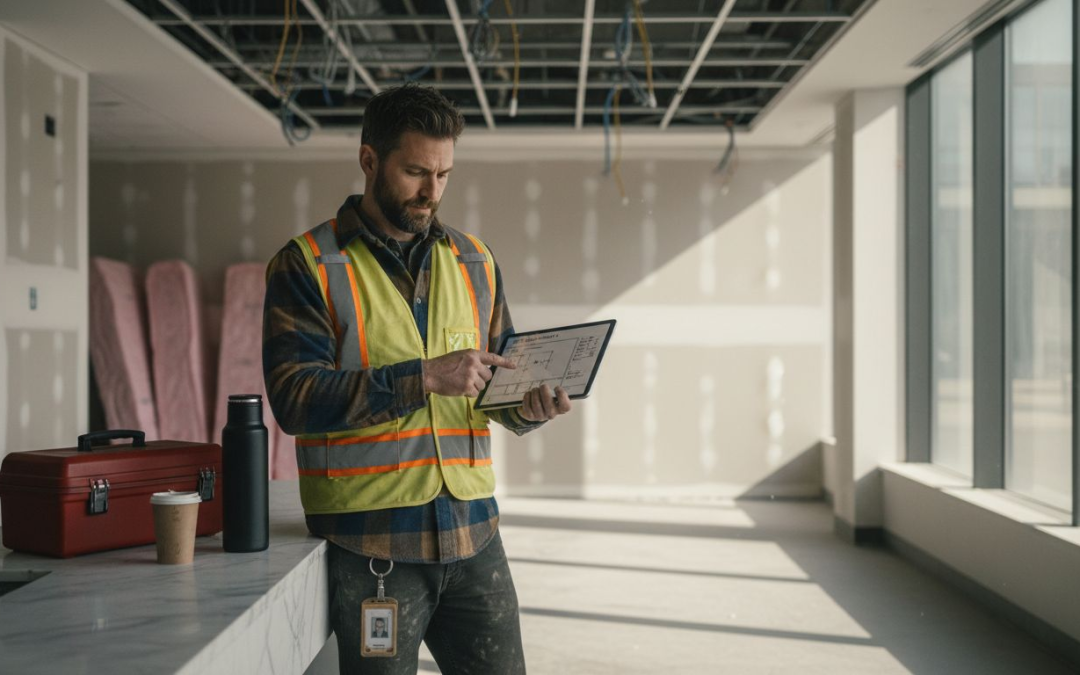
Most American commercial property owners in Dallas-Fort Worth are discovering how technology can drive down costs and improve project outcomes. Modern tools like Building Information Modeling and digital sensors empower managers to plan, predict, and execute renovations with greater accuracy and efficiency. By integrating smart systems and digital platforms, you gain real-time data insights that were impossible a decade ago. This guide reveals how embracing technology can turn renovation investments into strategic opportunities for your property.
Table of Contents
- Defining Technology’s Role In Renovations
- Types Of Tech Used In Commercial Upgrades
- Smart Systems And Automation Benefits
- Planning, Compliance, And Safety Standards
- Financial Impact And Risk Considerations
Key Takeaways
| Point | Details |
|---|---|
| Technology Integration is Essential | Utilizing advanced technologies like Building Information Modeling (BIM) enhances project accuracy and efficiency in commercial renovations. |
| Smart Systems Enhance Performance | Automation and smart technologies streamline maintenance processes, improving operational efficiency and reducing costs. |
| Digital Compliance Management is Crucial | Implementing digital compliance systems ensures adherence to regulations and mitigates potential legal risks throughout renovation projects. |
| Financial Modeling Improves Risk Management | Advanced financial modeling tools allow for proactive assessment of costs and risks, enhancing investment decision-making in renovations. |
Defining technology’s role in renovations
In commercial renovation projects, technology has emerged as a transformative force, fundamentally reshaping how professionals approach design, planning, and execution. Modern technological tools are no longer optional luxuries but critical components that drive efficiency, precision, and strategic decision-making. Technology’s central role in renovation processes now encompasses sophisticated digital platforms that enable comprehensive project management and advanced predictive capabilities.
The integration of technologies like Building Information Modeling (BIM), digital sensors, and machine learning algorithms represents a significant leap forward in renovation strategies. These digital tools facilitate intricate project visualization, real-time collaboration, and data-driven insights that were previously impossible. Commercial property owners can now leverage technology to simulate renovation outcomes, optimize resource allocation, and minimize potential risks before physical work even begins. According to research from the Royal Institution of Chartered Surveyors, digitalization enables consistent data sharing and enhances collaborative decision-making across renovation project lifecycles.
Beyond operational improvements, technological innovations are driving sustainability and energy efficiency in commercial renovations. Advanced sensors and machine learning algorithms can now analyze building systems, predict maintenance needs, and recommend targeted upgrades that reduce long-term operational costs. This technological approach transforms renovations from mere aesthetic updates into strategic investments that improve building performance, reduce environmental impact, and create more intelligent, responsive commercial spaces.
Pro tip: Always conduct a comprehensive digital audit of your existing building systems before initiating a renovation project to identify potential technological integration opportunities.
Types of tech used in commercial upgrades
Commercial renovation technologies have evolved dramatically, presenting property owners with sophisticated digital tools that transform traditional upgrade processes. Comprehensive technology frameworks now integrate multiple advanced systems designed to enhance project management, reduce risks, and optimize renovation outcomes. These technological solutions range from visualization platforms to intricate data modeling systems that provide unprecedented insights into building transformation potential.
The primary technological categories in commercial upgrades include Building Information Modeling (BIM), digital twin technologies, advanced sensor networks, and intelligent project management platforms. BIM technology particularly stands out by integrating visualization, data modeling, and collaborative tools that enable precise planning and execution. These digital platforms allow commercial property managers to simulate renovation scenarios, predict potential challenges, and make data-driven decisions before initiating physical renovation work. Key technological capabilities now encompass real-time project tracking, resource optimization, and predictive maintenance planning.
Emerging technologies are also revolutionizing sustainability and efficiency in commercial renovations. Machine learning algorithms and Internet of Things (IoT) sensors can now continuously monitor building systems, providing granular insights into energy consumption, structural performance, and potential upgrade opportunities. These smart technologies transform renovation from a reactive maintenance process into a strategic, forward-looking investment that can significantly improve operational efficiency, reduce long-term costs, and enhance overall building performance.
Pro tip: Conduct a comprehensive technology readiness assessment of your existing commercial space before initiating any renovation project to identify the most appropriate digital tools and integration strategies.
Here’s a summary comparing core technologies transforming commercial renovation projects:
| Technology Type | Main Function | Key Strategic Benefit | Typical Commercial Use Case |
|---|---|---|---|
| Building Information Modeling (BIM) | Digital visualization & modeling | Increases planning accuracy | Simulating renovation scenarios |
| Digital Twin | Creates virtual building replicas | Enables real-time analytics | Monitoring structural performance |
| Advanced Sensor Networks | Continuous system monitoring | Optimizes energy management | Detecting equipment inefficiencies |
| Project Management Platforms | Workflow and resource tracking | Enhances collaboration | Scheduling and team coordination |
| Machine Learning Algorithms | Predictive maintenance and analysis | Minimizes operational risks | Forecasting building system failures |
Smart systems and automation benefits
Smart systems and automation have revolutionized commercial renovation strategies, offering unprecedented opportunities for efficiency and performance optimization. Advanced retrofitting technologies now enable comprehensive building transformation through intelligent monitoring and adaptive systems that respond dynamically to environmental and operational requirements. These technological innovations represent a significant leap beyond traditional renovation approaches, integrating sophisticated sensors, machine learning algorithms, and real-time data processing capabilities.
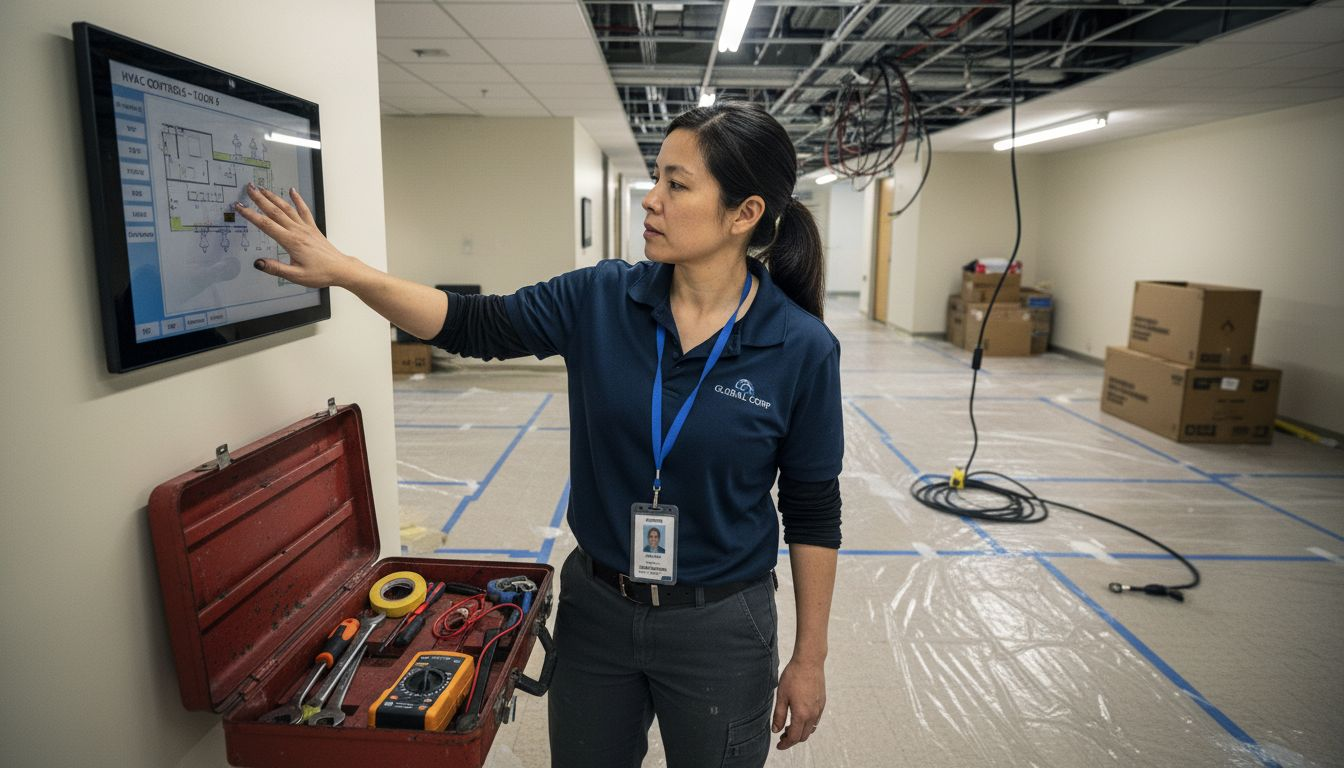
The primary benefits of smart systems include dramatically improved energy management, operational efficiency, and occupant comfort. Sensors, machine learning, and robotics technologies streamline complex renovation processes by enabling predictive maintenance, reducing waste, and creating more sustainable building environments. Commercial property managers can now leverage automation to continuously monitor system performance, detect potential issues before they escalate, and implement proactive maintenance strategies that minimize downtime and reduce long-term operational expenses.
Beyond operational improvements, smart systems provide granular insights into building performance that were previously impossible to obtain. Advanced automation platforms can analyze multiple data streams simultaneously, tracking energy consumption, structural integrity, environmental conditions, and occupant behaviors. This comprehensive monitoring approach transforms commercial spaces from static infrastructures into adaptive, intelligent environments that can self-optimize and respond to changing operational requirements, ultimately delivering significant economic and environmental benefits.
Pro tip: Prioritize scalable and interoperable smart system technologies that can seamlessly integrate with existing building infrastructure to maximize long-term renovation investments.
Below is a table outlining how automation and smart systems deliver unique business advantages in renovations:
| Automation Element | Operational Benefit | Economic Impact | Environmental Value |
|---|---|---|---|
| Sensors | Real-time equipment monitoring | Reduces maintenance expenses | Lowers energy consumption |
| Machine Learning | Predictive maintenance alerts | Prevents costly system failures | Improves resource efficiency |
| Robotics | Automates repetitive tasks | Boosts labor productivity | Minimizes waste production |
| Data Automation | Centralizes performance insights | Enables proactive cost control | Supports sustainability goals |
Planning, compliance, and safety standards
Technology has fundamentally transformed the approach to planning, compliance, and safety standards in commercial renovation projects, introducing unprecedented levels of precision and regulatory adherence. Digital tools now enable real-time decision-making and comprehensive tracking of complex regulatory requirements across various renovation contexts. These advanced technological frameworks provide commercial property managers with sophisticated mechanisms to navigate the intricate landscape of building codes, safety regulations, and preservation standards.
The integration of digital compliance management systems represents a critical advancement in renovation project oversight. Modern technological platforms can automatically cross-reference renovation plans against multiple regulatory databases, identifying potential compliance issues before they become costly problems. These intelligent systems can track everything from structural safety requirements and accessibility standards to energy efficiency regulations and historic preservation guidelines, ensuring that commercial renovation projects meet or exceed all necessary legal and professional standards.
Beyond traditional compliance tracking, advanced technologies now enable predictive risk assessment and proactive safety management. Machine learning algorithms can analyze historical renovation data, project-specific parameters, and regulatory trends to anticipate potential compliance challenges and recommend preemptive mitigation strategies. This approach transforms compliance from a reactive documentation process into a strategic, data-driven approach that minimizes risks, reduces potential legal complications, and ensures the highest levels of safety and regulatory adherence throughout the renovation lifecycle.
Pro tip: Implement a comprehensive digital compliance management system that integrates real-time regulatory updates and provides automated verification checks throughout your renovation project.
Financial impact and risk considerations
Technological advancements have dramatically transformed financial risk management in commercial renovation projects, providing unprecedented insights and predictive capabilities. Advanced BIM-based frameworks now offer comprehensive techno-economic evaluation strategies that enable property owners to assess potential cost scenarios, schedule impacts, and risk factors with remarkable precision. These sophisticated digital tools represent a quantum leap beyond traditional financial planning approaches, allowing for more strategic and data-driven investment decisions.
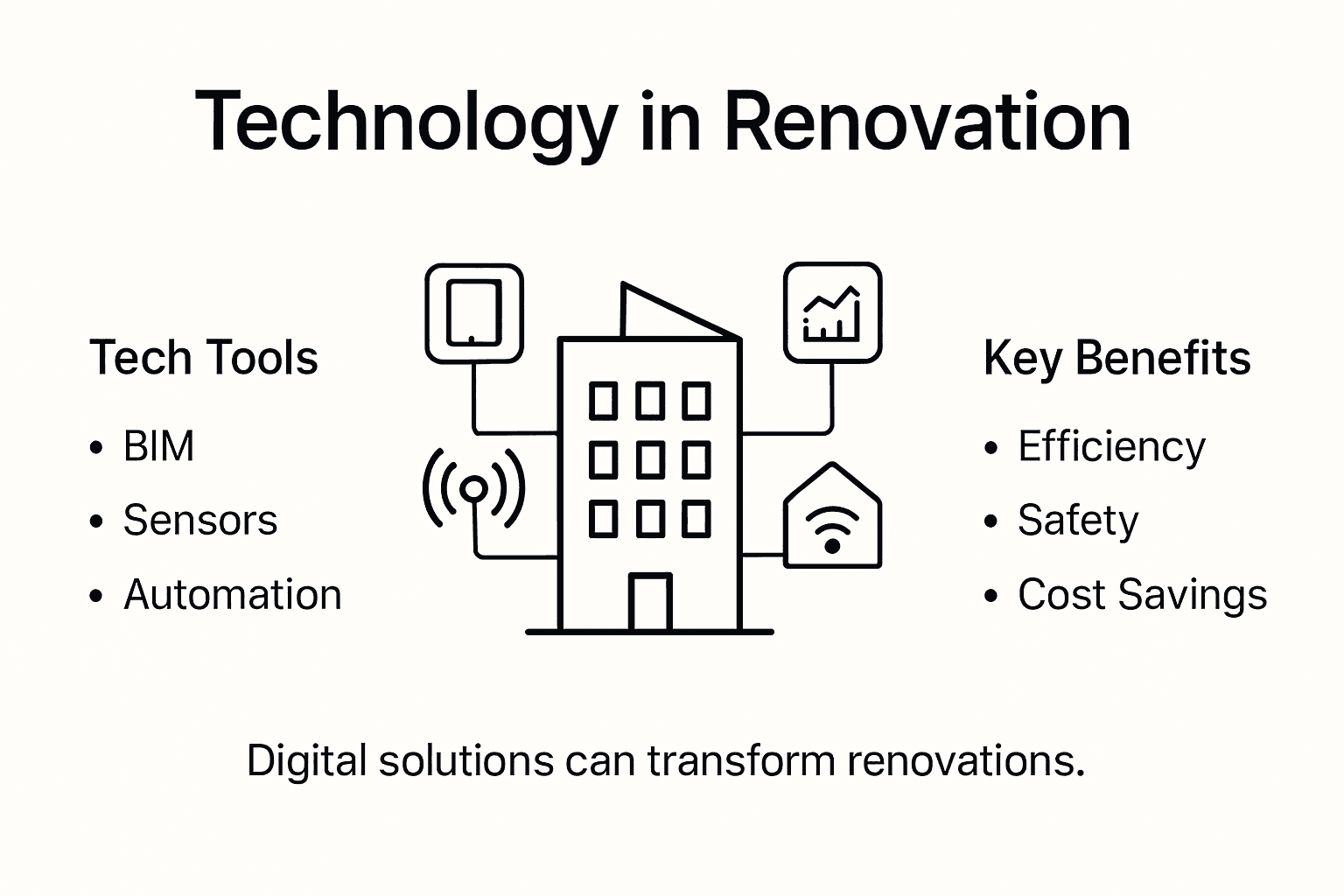
The integration of digital financial modeling technologies provides commercial property managers with powerful risk mitigation strategies. Advanced implementation techniques help prevent information fragmentation and identify potential cost overruns early in the renovation process, significantly reducing financial uncertainties. Intelligent platforms can now simulate multiple renovation scenarios, analyzing potential financial outcomes, resource allocation strategies, and risk probability with unprecedented accuracy. These technologies enable proactive financial management by providing real-time insights into budget performance, resource optimization, and potential financial challenges before they materialize.
Beyond traditional financial analysis, modern technologies enable dynamic risk assessment that goes far beyond simple budgetary calculations. Machine learning algorithms can now analyze historical project data, market trends, material cost fluctuations, and complex economic indicators to generate predictive financial models. This approach transforms financial planning from a reactive process to a strategic, forward-looking methodology that can anticipate potential economic challenges, optimize investment strategies, and maximize the long-term value of commercial renovation projects.
Pro tip: Implement a comprehensive digital financial modeling system that integrates predictive analytics, real-time budget tracking, and scenario simulation to enhance your renovation project’s economic resilience.
Embrace Technology to Transform Your Commercial Renovation
Modern commercial renovations demand precision, efficiency, and a strategic approach fueled by cutting-edge technology like Building Information Modeling (BIM) and smart system automation. If you are ready to overcome challenges such as compliance complexity, financial risk, and operational inefficiencies this article highlights, Astrotech Construction offers expert solutions tailored to your needs in the Dallas – Fort Worth Metroplex. By combining advanced planning tools with hands-on remodeling expertise, we help turn data-driven insights into successful, sustainable renovations that save you time and money.
Take advantage of our comprehensive commercial renovation services and experience the benefits of technology-led upgrades firsthand. Visit Astrotech Construction to explore how our quality-focused team ensures your project meets safety standards while maximizing financial resilience. Ready to transform your commercial space with expert guidance and innovative solutions Get your consultation started today and stay ahead with technology that works for you.
Frequently Asked Questions
What technology is essential for commercial renovation projects?
Key technologies include Building Information Modeling (BIM), digital twin technologies, advanced sensor networks, and intelligent project management platforms. These tools enhance project visualization, resource tracking, and predictive maintenance.
How do smart systems improve commercial renovations?
Smart systems facilitate real-time monitoring, predictive maintenance, and automated processes, leading to enhanced energy management, operational efficiency, and improved occupant comfort in renovated spaces.
What are the financial benefits of using technology in renovation projects?
Utilizing technology allows for comprehensive financial modeling and risk assessment, leading to better budget management, early identification of cost overruns, and optimized investment strategies that increase the long-term value of renovation projects.
How can digital compliance management systems aid in renovation planning?
Digital compliance management systems automate the tracking of regulatory requirements, cross-referencing renovation plans against building codes and safety regulations, which helps prevent compliance issues and streamlines the renovation process.
Recommended
- Why Renovate Commercial Property: Boost Value and Success – Astrotech Construction
- Commercial Renovation Explained: Essential Guide for 2025 – Astrotech Construction
- 7 Steps to an Effective Commercial Renovation Checklist – Astrotech Construction
- 7 Inspiring Commercial Renovation Examples for DFW Owners – Astrotech Construction
- Fasadrenovering: En komplett guide för BRF & fastighetsägare – Maleon