

Skipping a building permit on an American renovation project often leads to steep fines and forced do-overs in Dallas-Fort Worth. Most homeowners underestimate how strict local regulations are until inspectors arrive, stopping construction and costing thousands. Knowing exactly when and why permits are required helps protect your property’s value and keeps your plans on track. This guide lays out the essential information every Dallas-Fort Worth homeowner needs for hassle-free repairs and remodels.
Table of Contents
- What Building Permits Are And Why They Matter
- Types Of Permits For Home Renovations
- Key Steps In The Permit Application Process
- Legal Standards And Dallas-Fort Worth Code Compliance
- Risks, Delays, And Common Permit Mistakes
Key Takeaways
| Point | Details |
|---|---|
| Understanding Building Permits | Building permits are essential for ensuring that construction projects meet safety standards and local codes, protecting both property owners and the community. |
| Types of Permits | Various types of permits, such as structural, electrical, mechanical, and plumbing, are required based on the nature of renovation work. |
| Permit Application Process | Careful preparation and thorough documentation are crucial for a successful permit application to avoid delays and ensure compliance. |
| Common Mistakes and Risks | Incomplete documentation or poor communication with local authorities can lead to significant fines and delays; proactive engagement is vital to avoid these pitfalls. |
What Building Permits Are and Why They Matter
Building permits are official government authorizations that provide legal permission to construct, renovate, or modify structures within a specific jurisdiction. These critical documents serve as official verification that proposed construction projects meet established safety standards, zoning regulations, and local building codes. Building permits ensure compliance by requiring professional review and approval before any significant construction work begins.
At their core, building permits protect both property owners and the broader community by mandating thorough inspections and adherence to structural safety guidelines. Local government agencies carefully evaluate permit applications to confirm that proposed projects will not compromise public safety, violate neighborhood zoning restrictions, or create potential hazards. This review process covers multiple critical aspects including structural integrity, electrical systems, plumbing, mechanical installations, and overall design compliance with current building standards.
Understanding the permit process is crucial for homeowners in the Dallas-Fort Worth area planning renovations or repairs. Without proper permits, property owners risk significant legal and financial consequences, including potential fines, mandatory project dismantling, challenges during property sales, and potential insurance coverage disputes. Comprehensive permit guidelines help ensure that construction projects maintain community standards and protect property values while safeguarding public welfare.
Pro tip: Always consult with local building authorities or a professional contractor before starting any renovation project to understand specific permit requirements for your specific property and planned improvements.
Types of Permits for Home Renovations
Home renovation projects in the Dallas-Fort Worth area typically require multiple types of permits depending on the scope and nature of the work. Building permit types vary based on specific project requirements, with each permit addressing different aspects of construction and modification. The most common permit categories include structural, electrical, mechanical, and plumbing permits, which ensure that every aspect of a renovation meets local safety and building code standards.
Structural permits are essential for projects involving significant changes to a home’s fundamental framework, such as adding rooms, removing walls, or modifying the building’s existing structure. Electrical permits cover all work related to wiring, electrical panel upgrades, and installing new electrical systems. Mechanical permits address heating, ventilation, and air conditioning (HVAC) installations or modifications, while plumbing permits are required for any changes to water lines, drainage systems, or major fixture replacements.
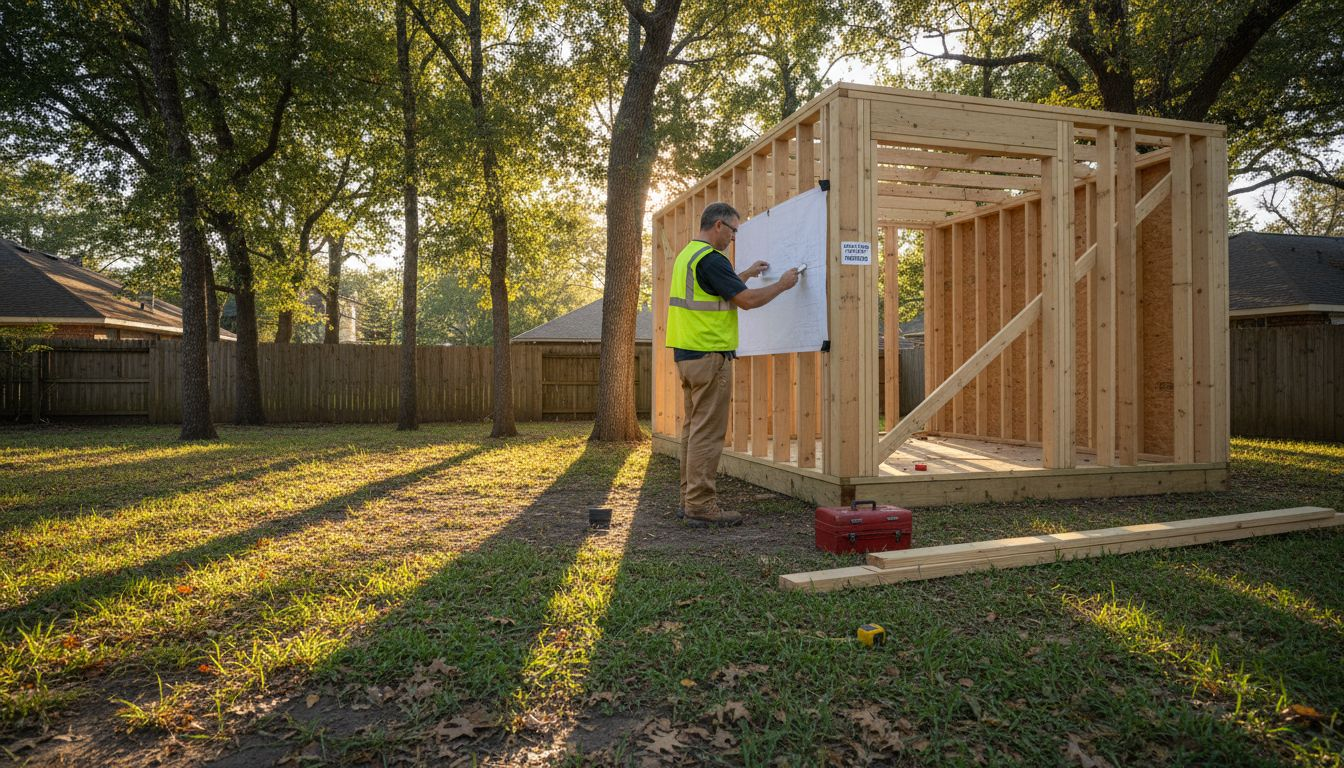
Additionally, homeowners may need specialized permits for specific renovation types. Home renovation permits can include environmental permits for sustainable upgrades like solar panel installations, zoning permits for exterior modifications that might impact neighborhood aesthetics, and historic preservation permits for homes located in designated historic districts. Some minor renovations, such as painting, replacing interior fixtures, or making cosmetic updates, typically do not require permits, but it’s always best to confirm with local building authorities.
Here’s a summary of common types of home renovation permits and what they regulate:
| Permit Type | Main Focus Area | Example Projects |
|---|---|---|
| Structural Permit | Changes to building frame | Room additions, removing walls |
| Electrical Permit | Wiring and electrical work | Panel upgrades, new circuits |
| Mechanical Permit | HVAC systems | Heater upgrades, A/C installs |
| Plumbing Permit | Water and drainage systems | Replacing pipes, new fixtures |
Pro tip: Contact your local building department before starting any renovation project to get a comprehensive list of required permits specific to your property and planned improvements.
Key Steps in the Permit Application Process
The permit application process requires careful preparation and thorough documentation. Building permit applications involve compiling comprehensive project details including architectural drawings, structural plans, and precise measurements of proposed renovations. Homeowners must gather all necessary technical documents that demonstrate the project’s compliance with local building codes and safety regulations before submitting their application.
Typically, the application process follows a structured sequence. First, homeowners should schedule a pre-application consultation with local building authorities to discuss project specifics and understand exact requirements. Next, they must complete the official permit application form, attaching all required documentation such as site plans, engineered drawings, contractor information, and detailed project descriptions. Some municipalities offer online submission portals, while others require in-person filing at the local building department.
After submission, the application undergoes a detailed review process where municipal inspectors carefully examine all submitted materials. Permit review procedures typically involve checking the proposed work against current building codes, zoning regulations, and safety standards. This review can take several weeks, during which additional information or clarifications might be requested. Applicants should be prepared to promptly respond to any queries to avoid delays in the approval process.
Pro tip: Organize all project documentation meticulously and maintain open communication with local building authorities to streamline your permit application and reduce potential processing delays.
Legal Standards and Dallas-Fort Worth Code Compliance
Dallas building codes represent a comprehensive framework of regulations designed to ensure construction safety, structural integrity, and community standards. The City of Dallas adopts the 2021 International Code Council standards with specific local amendments, creating a rigorous system of building requirements that cover multiple critical aspects of construction, including structural design, electrical systems, plumbing, mechanical installations, and energy efficiency.
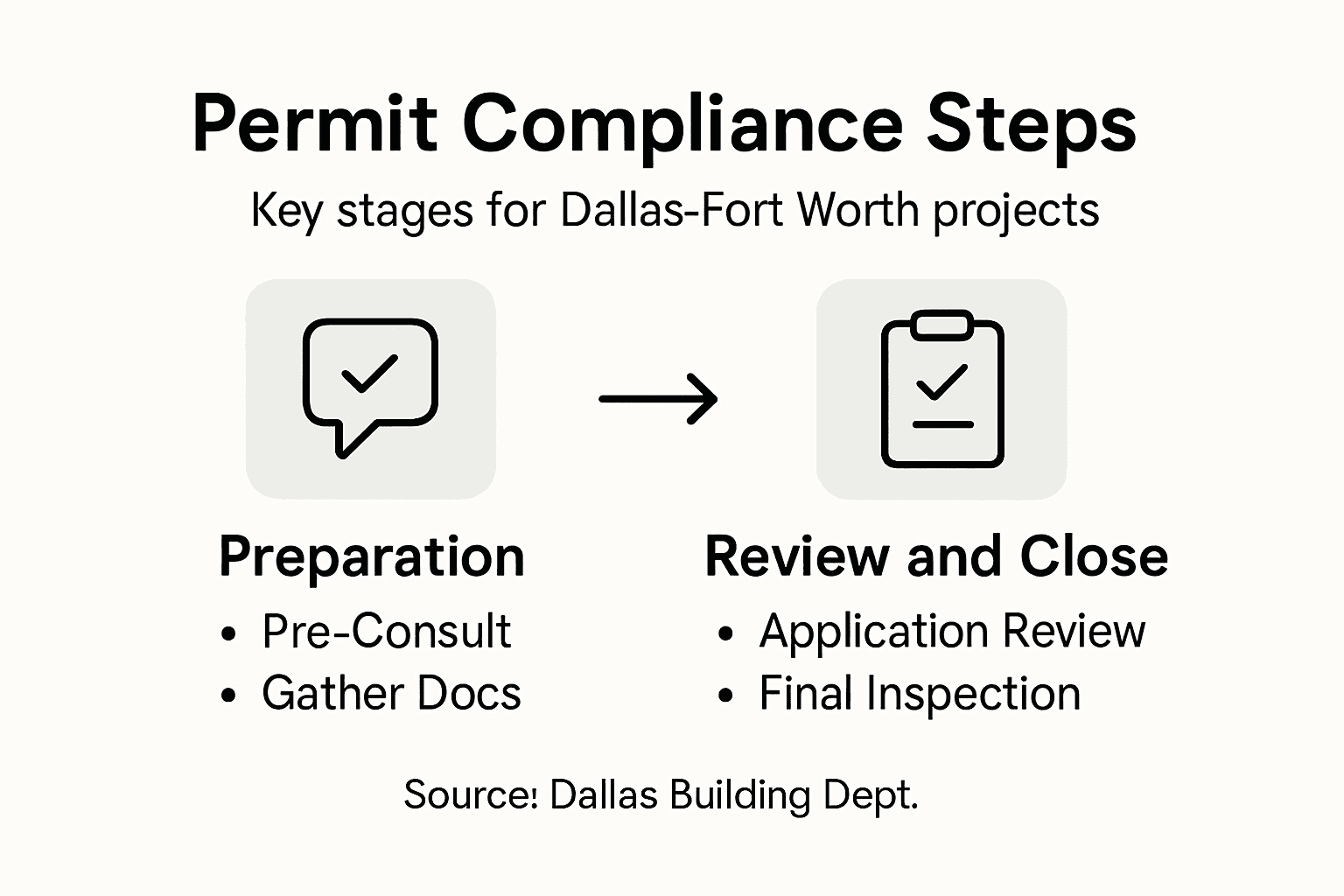
The code compliance process involves detailed oversight by the City of Dallas Development Services, which conducts thorough plan reviews and periodic inspections to verify that all construction projects meet established safety and quality standards. These regulations address key areas such as building structural requirements, fire safety protocols, accessibility standards, and environmental considerations. Contractors and homeowners must demonstrate precise adherence to these regulations, which are updated periodically to incorporate the latest safety technologies and construction best practices.
Understanding the specific requirements of the Dallas building codes is crucial for successful project completion. Dallas construction regulations encompass intricate details that can significantly impact renovation and construction projects. Homeowners and contractors must be familiar with local amendments, specific zoning restrictions, and technical specifications that may differ from general state or national building standards. Failure to comply can result in project delays, substantial fines, mandatory modifications, or even complete project rejection.
Pro tip: Request a comprehensive code review from a licensed professional who specializes in Dallas building regulations to ensure your project meets all local compliance requirements before beginning construction.
Risks, Delays, and Common Permit Mistakes
Common permit application errors can derail renovation projects and create significant financial and legal complications for homeowners. These mistakes often stem from inadequate preparation, lack of understanding of local regulations, and incomplete documentation. Submitting outdated or incomplete plans, ignoring specific local requirements, or failing to include necessary supplementary studies can result in immediate application rejection or substantial processing delays.
The most frequent permit-related risks include starting construction without proper authorization, which can trigger immediate stop-work orders, substantial fines, and potential legal action. Homeowners may be required to demolish unauthorized work or face significant financial penalties. Permit application delays frequently arise from poor communication with municipal authorities, insufficient technical documentation, and failure to anticipate additional requirements that might emerge during the review process.
Navigating permit requirements demands meticulous attention to detail and proactive engagement with local building departments. Contractors and homeowners must carefully review all documentation, ensure comprehensive technical drawings meet precise local standards, and maintain open communication channels with permitting authorities. Understanding the nuanced requirements specific to the Dallas-Fort Worth area can help minimize risks, prevent costly mistakes, and streamline the permit approval process.
Below is a quick overview of frequent permit application mistakes in Dallas-Fort Worth and how to avoid them:
| Common Mistake | Potential Impact | How to Prevent |
|---|---|---|
| Incomplete documentation | Application rejection or delays | Double-check form requirements |
| Ignoring local code changes | Costly rework or fines | Consult code updates regularly |
| Poor communication with city | Longer approval times | Maintain regular follow-ups |
| Unclear project descriptions | Additional information requests | Provide detailed project scope |
Pro tip: Create a comprehensive digital file with all required documents, including updated site plans, architectural drawings, and supplementary studies, to expedite the permit application process and reduce potential delays.
Secure Your Renovation Success with Expert Permit Guidance and Trusted Construction Services
Navigating the complex world of building permits and local code compliance in Dallas-Fort Worth can feel overwhelming and risky. From structural permits to electrical and plumbing approvals, missing a detail can lead to costly delays, fines, or project shutdowns. Astrotech Construction understands these challenges and is here to help you every step of the way. Our deep knowledge of building permit requirements and local regulations ensures your renovation or remodeling project gets authorized smoothly and stays compliant.
Don’t let permit hurdles hold back your home or commercial renovation dreams. Rely on Astrotech Construction’s expert team for high-quality full home remodeling, kitchen and bathroom upgrades, and roof replacement that meet all Dallas city codes. Take the first step toward a worry-free project by visiting our main page to schedule your consultation today. Let us simplify the permit process and deliver unmatched craftsmanship that turns your vision into reality.
Frequently Asked Questions
What are building permits and why are they necessary?
Building permits are official government authorizations that provide legal permission to construct, renovate, or modify structures. They ensure compliance with safety standards, zoning regulations, and local building codes to protect property owners and the community.
What types of permits may be required for home renovations?
Common types of permits for home renovations include structural permits for major changes, electrical permits for wiring work, mechanical permits for HVAC systems, and plumbing permits for changes to water lines or fixtures. Specialized permits may be needed for specific projects like solar installations or historic preservation.
What is the process for applying for a building permit?
The permit application process typically involves scheduling a pre-application consultation with local authorities, completing an official application form, and submitting comprehensive documentation such as architectural drawings and project descriptions. Review times can vary, with additional information sometimes requested during the process.
What are common mistakes to avoid when applying for a building permit?
Common mistakes include submitting incomplete documentation, ignoring local code updates, and poor communication with municipal authorities. To avoid these, ensure all required documents are complete, stay informed about current regulations, and maintain regular follow-ups with the city regarding your application.
Recommended
- Building Codes in Remodeling: Protecting Your Investment – Astrotech Construction
- Role of Permits in Remodeling: Complete Guide – Astrotech Construction
- Renovation Permits Explained: Rules, Types, Costs – Astrotech Construction
- Remodeling Permit Guide DFW: Secure Approval Easily – Astrotech Construction