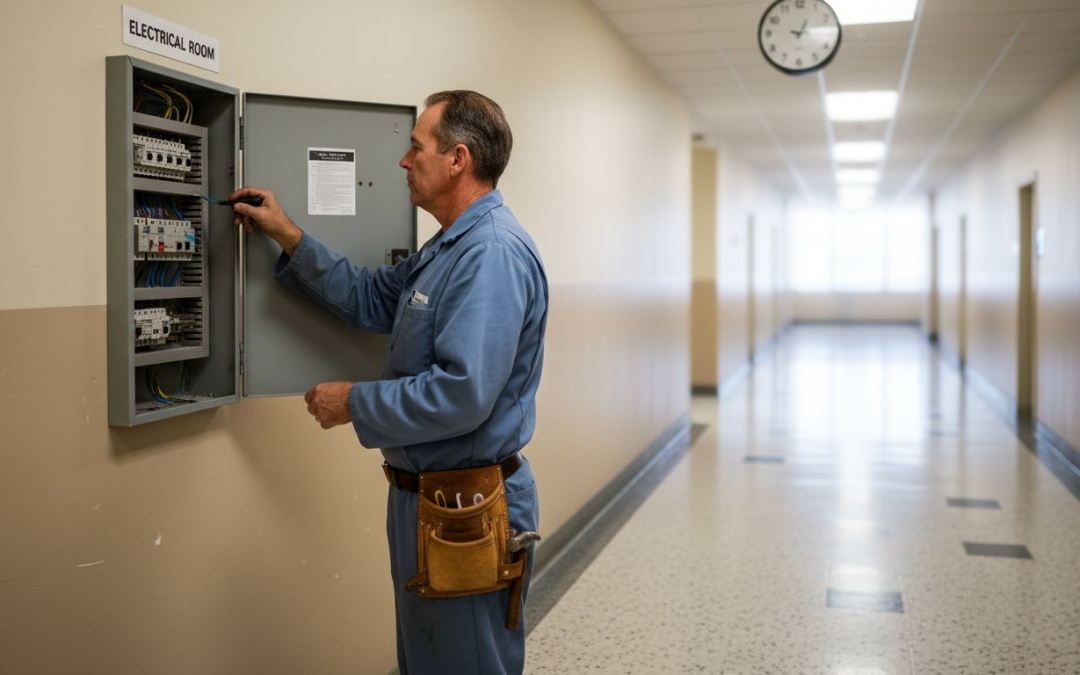
Many Dallas-Fort Worth property owners assume facility maintenance is just fixing things once they break, but that belief can lead to expensive surprises. Knowing the difference between simple repairs and a comprehensive maintenance strategy makes all the difference for long-term property value and safety. This guide breaks down common myths, highlights the power of proactive planning, and explains how a well-managed approach protects your investment and keeps your building running smoothly.
Table of Contents
- Facility Maintenance Defined And Common Myths
- Major Types Of Facility Maintenance Tasks
- How Facility Maintenance Processes Work
- Key Benefits: Safety, Compliance, Longevity
- Risks, Costs, And Common Pitfalls
Key Takeaways
| Point | Details |
|---|---|
| Comprehensive Approach | Facility maintenance involves proactive strategies to manage and preserve building infrastructure. |
| Types of Maintenance | Different maintenance types include Preventive, Corrective, and Predictive maintenance, each serving specific purposes in asset management. |
| Risk Management | Implementing a thorough risk assessment framework enhances safety, compliance, and financial efficiency in maintaining facilities. |
| Long-Term Value | Regular, preventive maintenance extends equipment lifespan and reduces overall operational costs, reinforcing the value of property assets. |
Facility Maintenance Defined and Common Myths
Facility maintenance is a comprehensive strategy for preserving, protecting, and optimizing buildings and their critical infrastructure systems. Far more than simple repairs, it represents a systematic approach to managing property assets and ensuring their long-term performance and value.
At its core, facility maintenance encompasses several crucial elements, as outlined in the comprehensive maintenance engineering guide. These elements include:
- Routine inspections and preventative servicing
- Emergency repair management
- System performance monitoring
- Infrastructure preservation strategies
- Compliance with safety and regulatory standards
Many property owners misunderstand facility maintenance as a reactive process, addressing problems only after they occur. However, the reality is dramatically different. Proactive maintenance represents a strategic approach that anticipates potential issues, dramatically reducing long-term repair costs and extending equipment lifespans.
Here’s a summary comparing proactive versus reactive facility maintenance strategies:
| Approach | Key Characteristics | Short-Term Cost Impact | Long-Term Business Value |
|---|---|---|---|
| Proactive Maintenance | Scheduled, anticipatory actions | Usually higher up-front cost | Increases asset lifespan, lowers total expense |
| Reactive Maintenance | Issues resolved only after failure | Lower immediate expenses | Higher potential for major repairs, downtime |
Effective facility maintenance is not about fixing things when they break, but preventing breakdowns before they happen.
Common myths about facility maintenance often stem from misconceptions about its scope and complexity. The Department of Defense maintenance guidelines help clarify these distinctions by explaining different maintenance levels and responsibilities.
Some prevalent myths include:
- Facility maintenance is just basic repair work
- Any worker can perform maintenance tasks
- Maintenance is an unnecessary expense
- All maintenance tasks are identical
In reality, facility maintenance requires specialized knowledge, strategic planning, and a deep understanding of complex building systems. Trained professionals assess infrastructure holistically, understanding how different components interact and impact overall building performance.
Pro tip: Develop a comprehensive maintenance schedule that prioritizes preventative actions and regular system evaluations to minimize unexpected repair costs and extend your property’s functional lifespan.
Major Types of Facility Maintenance Tasks
Facility maintenance encompasses a complex array of strategic tasks designed to preserve, protect, and optimize building infrastructure. Understanding these tasks is crucial for property owners seeking to maintain their assets effectively and efficiently.
According to the U.S. Department of Energy’s maintenance guidelines, facility maintenance can be categorized into several critical types:
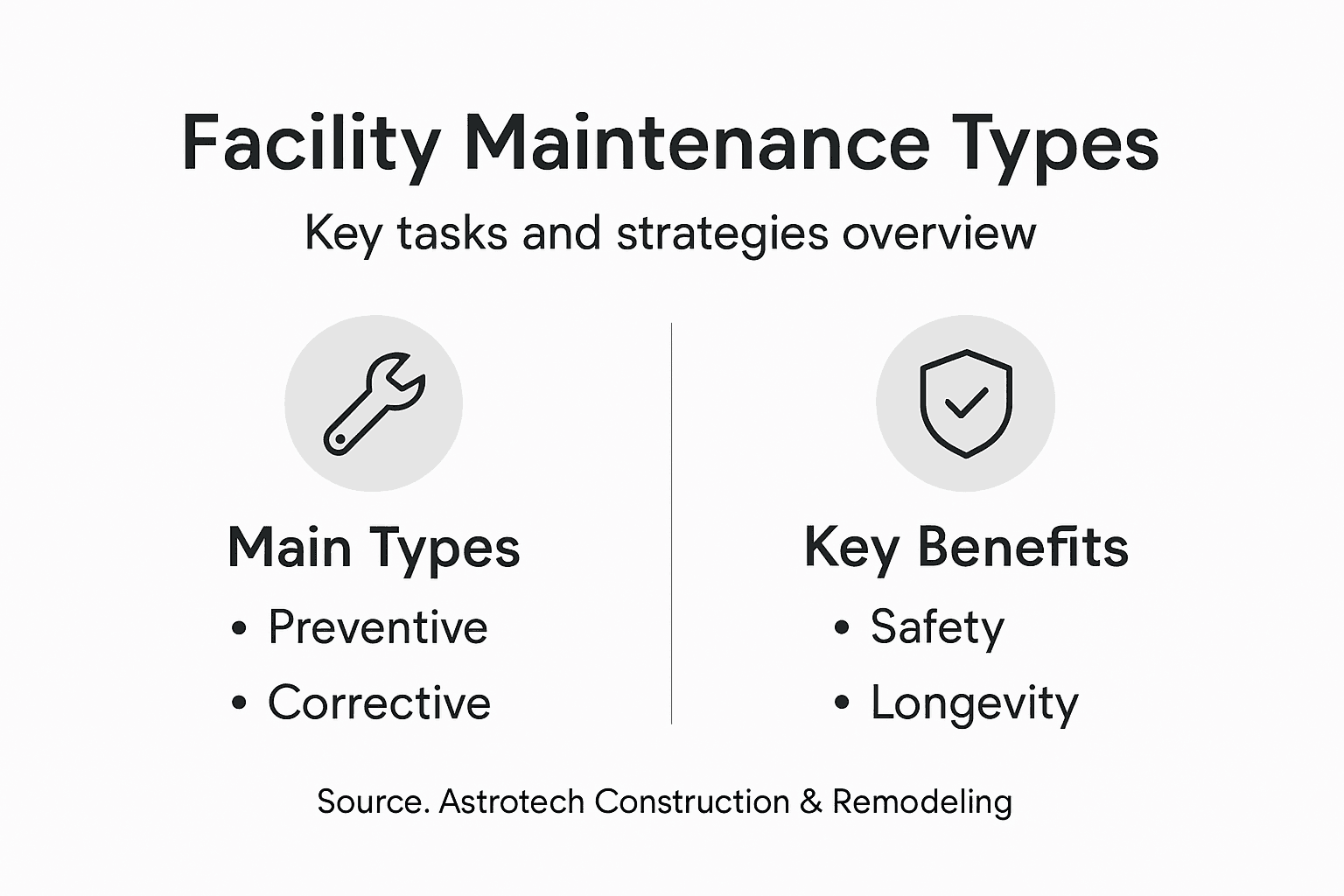
- Preventive Maintenance: Scheduled inspections and servicing to prevent potential failures
- Corrective Maintenance: Addressing issues immediately after detection
- Routine Maintenance: Regular upkeep and cleaning of facility systems
- Predictive Maintenance: Using advanced diagnostics to anticipate potential equipment problems
- Emergency Maintenance: Rapid response to urgent, unexpected facility issues
The HHS Facilities Program Manual further elaborates on the comprehensive nature of these maintenance strategies, emphasizing their interconnected roles in ensuring facility performance and safety.
Effective facility maintenance is a proactive approach that balances immediate needs with long-term infrastructure preservation.
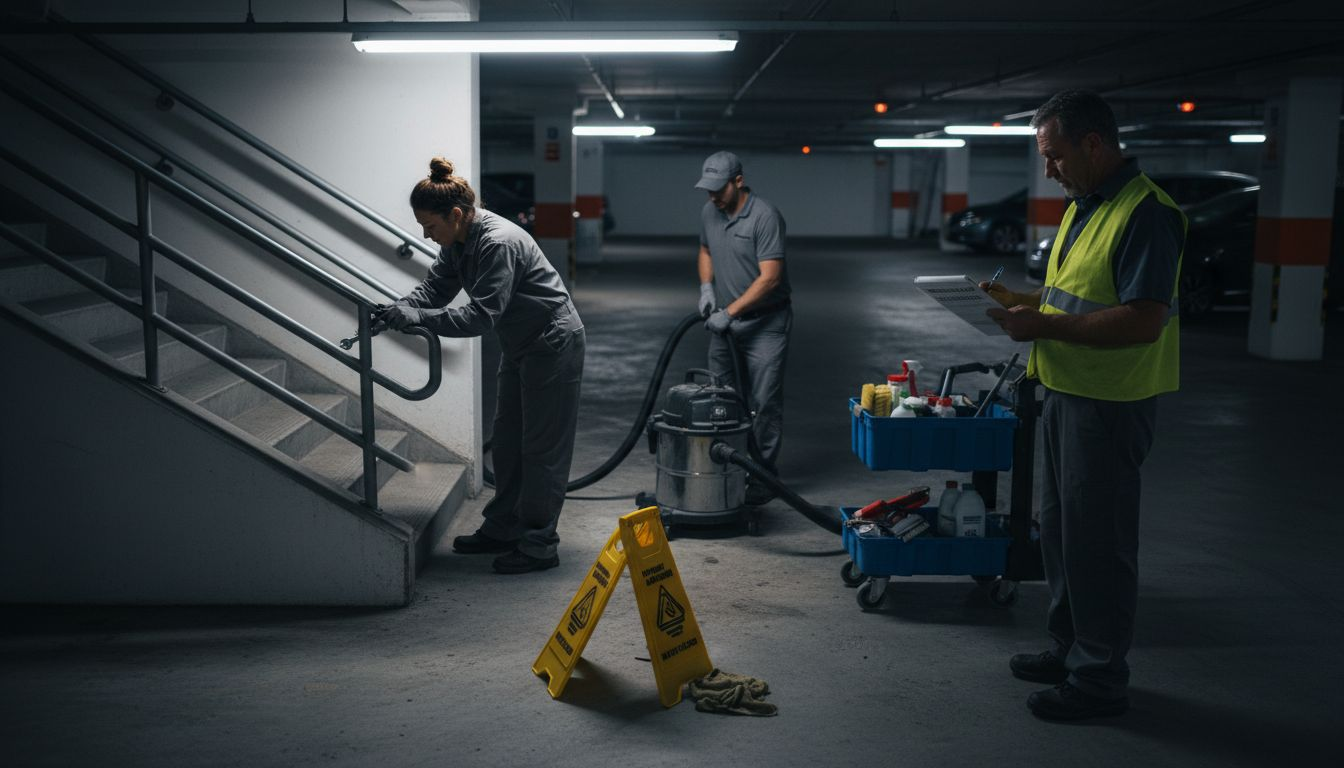
Each maintenance type serves a unique purpose in the overall facility management strategy. Preventive maintenance focuses on regular inspections and servicing to minimize unexpected breakdowns. Corrective maintenance addresses issues as they arise, preventing minor problems from escalating into major repairs.
Below is a quick reference of the main types of facility maintenance and their primary business impact:
| Maintenance Type | Example Application | Primary Business Impact |
|---|---|---|
| Preventive | Regular HVAC servicing | Reduces unplanned outages |
| Corrective | Fixing a leaking pipe | Prevents escalation of damage |
| Routine | Daily cleaning tasks | Maintains facility appearance |
| Predictive | Sensor-based equipment checks | Avoids unexpected equipment failure |
| Emergency | Power outage response | Minimizes safety and revenue risks |
Routine maintenance includes critical tasks such as:
- Regular cleaning and sanitation
- HVAC system checks
- Electrical system inspections
- Plumbing system evaluations
- Structural integrity assessments
Predictive maintenance represents the most advanced approach, utilizing sophisticated diagnostic tools and technologies to anticipate potential equipment failures before they occur. This strategy involves:
- Advanced sensor monitoring
- Performance trend analysis
- Condition-based assessment techniques
- Sophisticated diagnostic equipment
Emergency maintenance remains a critical component, ensuring rapid response to unexpected infrastructure failures that could compromise safety or operational capabilities.
Pro tip: Develop a comprehensive maintenance tracking system that documents all maintenance activities, tracks equipment performance, and establishes clear protocols for different maintenance types to maximize facility efficiency and longevity.
How Facility Maintenance Processes Work
Facility maintenance processes represent a systematic approach to managing and preserving building infrastructure through carefully designed workflows and strategic interventions. These processes are not random activities but structured methodologies that ensure consistent performance and longevity of physical assets.
According to the Global Forum on Maintenance frameworks, maintenance processes typically follow a comprehensive lifecycle that includes several critical stages:
- Initial asset assessment
- Detailed planning and scheduling
- Resource allocation
- Task execution
- Performance monitoring
- Continuous improvement
The Facilities Management Operations Manual emphasizes that effective maintenance processes rely on structured workflows that prioritize tasks based on criticality, potential risk, and operational impact.
Successful maintenance processes transform reactive repairs into proactive management strategies.
Maintenance process workflows typically involve several interconnected components:
- Comprehensive asset inventory documentation
- Detailed condition assessment protocols
- Risk evaluation and prioritization
- Scheduling and resource coordination
- Execution and documentation
- Performance review and analysis
Key elements of these processes include:
- Strategic Planning: Developing long-term maintenance strategies
- Resource Management: Allocating personnel, tools, and budget effectively
- Technical Assessment: Using diagnostic tools to evaluate system performance
- Compliance Tracking: Ensuring adherence to safety and regulatory standards
Technological integration has revolutionized maintenance processes, enabling real-time monitoring, predictive diagnostics, and more efficient resource allocation. Modern maintenance management now leverages advanced software platforms that provide comprehensive tracking, reporting, and analysis capabilities.
Pro tip: Implement a digital maintenance management system that centralizes all asset information, tracks maintenance history, and provides predictive analytics to optimize your facility’s performance and reduce unexpected downtime.
Key Benefits: Safety, Compliance, Longevity
Facility maintenance is far more than a routine task—it’s a critical investment in protecting and maximizing the value of physical assets. By implementing comprehensive maintenance strategies, property owners can achieve significant benefits that extend well beyond simple repairs.
According to the U.S. Department of Energy’s operations guidance, effective maintenance delivers multiple interconnected advantages:
- Enhanced facility safety
- Regulatory compliance
- Extended equipment lifespan
- Reduced operational costs
- Improved energy efficiency
- Minimized unexpected infrastructure failures
The Industrial Facility Management research highlights that a well-structured maintenance program creates a proactive safety culture, transforming potential risks into manageable, predictable systems.
Safety is not an expense, but a fundamental investment in your property’s future performance.
Safety Benefits represent the most immediate and critical outcome of comprehensive maintenance. Potential risks include:
- Electrical system hazards
- Structural integrity challenges
- Environmental contamination risks
- Equipment malfunction dangers
- Workplace accident potential
Compliance Considerations are equally crucial, involving:
- Regulatory Standards: Meeting local, state, and federal requirements
- Documentation: Maintaining accurate maintenance records
- Inspection Readiness: Preparing for potential regulatory reviews
- Risk Management: Proactively addressing potential violations
Longevity Advantages emerge from consistent, strategic maintenance approaches that preserve and protect infrastructure. By investing in regular upkeep, property owners can:
- Extend equipment operational lifecycles
- Reduce long-term replacement costs
- Maintain optimal system performance
- Preserve property market value
- Minimize unexpected infrastructure failures
Pro tip: Create a comprehensive maintenance tracking system that documents all interventions, schedules predictive assessments, and establishes clear protocols for addressing potential risks before they become critical problems.
Risks, Costs, and Common Pitfalls
Facility maintenance involves navigating a complex landscape of potential risks and financial challenges that can significantly impact property owners and managers. Understanding these potential pitfalls is crucial for developing effective maintenance strategies that protect both infrastructure and financial investments.
According to the IFMA Knowledge Library research, maintenance costs encompass multiple dimensions beyond simple repair expenses:
- Direct labor costs
- Material procurement expenses
- Equipment downtime
- Potential productivity losses
- Long-term infrastructure degradation
The maintenance risk assessment methodology highlights several critical risk factors that can undermine maintenance effectiveness:
- Inadequate risk assessment processes
- Reactive instead of proactive maintenance strategies
- Insufficient worker safety protocols
- Limited budget allocation
- Inconsistent maintenance documentation
Neglecting systematic maintenance is exponentially more expensive than investing in preventive strategies.
Financial Risks associated with poor maintenance practices include:
- Accelerated equipment depreciation
- Unexpected major repair costs
- Reduced property market value
- Higher insurance premiums
- Potential legal liability exposure
Common Maintenance Pitfalls that property owners frequently encounter involve:
- Underfunding preventive maintenance programs
- Delaying critical infrastructure repairs
- Ignoring minor issues that escalate quickly
- Lacking comprehensive maintenance documentation
- Failing to implement technology-driven maintenance tracking
Compliance and Financial Implications can be substantial. Poorly managed maintenance can lead to:
- Regulatory violation penalties
- Increased operational disruptions
- Potential safety hazard litigation
- Reduced equipment operational efficiency
- Higher long-term infrastructure replacement costs
Pro tip: Develop a comprehensive risk assessment framework that includes regular infrastructure audits, predictive maintenance technologies, and detailed financial modeling to anticipate and mitigate potential maintenance challenges.
Protect Your Property with Expert Facility Maintenance Solutions
Understanding facility maintenance means recognizing the importance of proactive, preventive care to avoid costly repairs and safety risks. From routine inspections to emergency repairs, managing your property’s infrastructure requires trusted professionals who prioritize long-term safety, compliance, and asset longevity. At Astrotech Construction, we specialize in residential and commercial renovations that not only improve your space but help protect it from unexpected damage and deterioration.
Don’t wait for problems to escalate. Whether you need full home remodeling, roof replacement, or storm damage repair, our experienced team in the Dallas Fort Worth Metroplex is ready to support your property’s durability and value. Explore how our services can integrate with your maintenance strategy by visiting our homepage. Let us help you create a safer, more resilient space through expert improvements and timely repairs.
Protect your investment today with professional facility maintenance and renovation services from Astrotech Construction. Schedule a consultation now at https://astrotechconstruction.com and take the first step toward reliable, long-lasting property care.
Frequently Asked Questions
What is facility maintenance?
Facility maintenance is a comprehensive strategy for preserving, protecting, and optimizing buildings and their critical infrastructure systems, going beyond simple repairs to include routine inspections, emergency management, and compliance with safety standards.
How does proactive maintenance differ from reactive maintenance?
Proactive maintenance involves scheduled inspections and preventative actions to anticipate potential issues and reduce long-term repair costs, while reactive maintenance addresses problems only after they arise, often leading to higher expenses and equipment downtime.
What are the major types of facility maintenance tasks?
The major types of facility maintenance tasks include preventive maintenance (scheduled servicing), corrective maintenance (addressing issues after detection), routine maintenance (regular upkeep), predictive maintenance (anticipating problems using diagnostics), and emergency maintenance (quick response to urgent issues).
Why is safety a critical benefit of facility maintenance?
Safety is a key benefit of facility maintenance as it helps identify and mitigate potential hazards related to electrical systems, structural integrity, and operational procedures, ultimately protecting both the property and its occupants.
Recommended
- 7 Steps to the Ultimate Home Maintenance Checklist – Astrotech Construction
- Why Renovate After Damage: Safety, Value, and Recovery – Astrotech Construction
- Why Prioritize Exterior Repairs for Property Value – Astrotech Construction
- 7 Essential Steps: Property Managers Renovation Guide – Astrotech Construction
- Understanding Paint Protection Film Lifespan: Insights for Professionals 2025 – AEONCUT PPF Pre-cut Cutting software