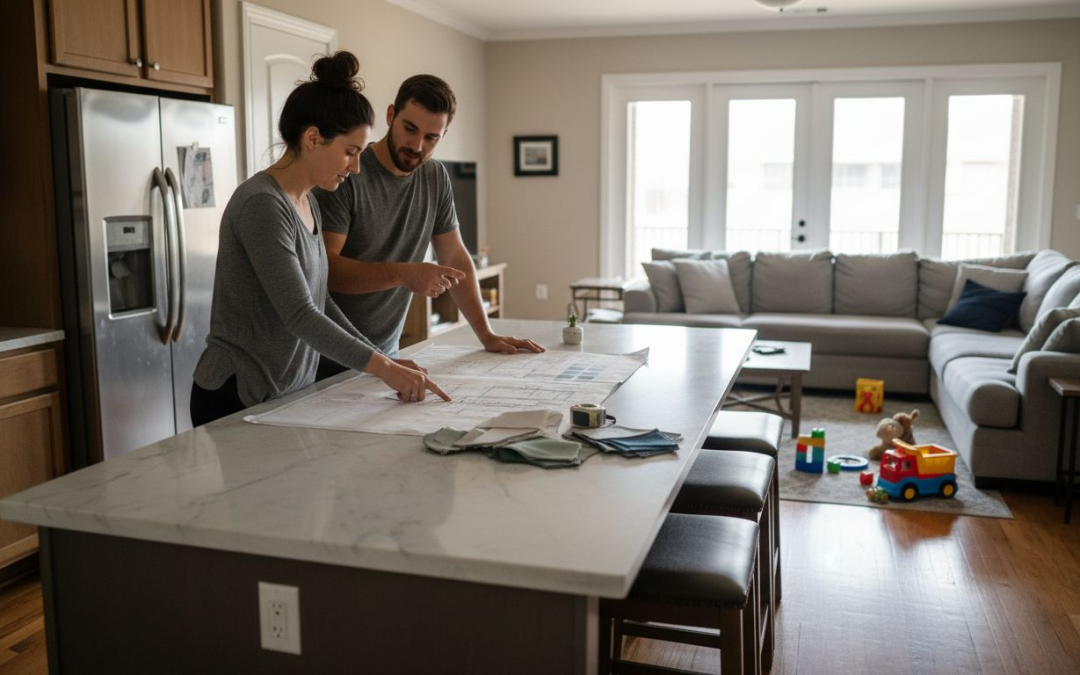
Remodeling your Dallas-Fort Worth home means balancing your dreams with practical challenges. It’s hard to know which choices will truly increase comfort, value, and sustainability instead of just following short-lived trends. With so many options for kitchens and bathrooms, making the right picks can feel overwhelming.
This guide breaks down the most effective strategies backed by expert insights for modernizing your space. You’ll discover which materials, layouts, and features actually make everyday life better while considering durability, cost, and long-term impact. Get ready to find solutions that will transform your home for real needs—without regret down the road.
Table of Contents
- 1. Embracing Open-Concept Living Spaces
- 2. Sustainable Materials For Eco-Friendly Remodels
- 3. Bold Accent Walls And Statement Colors
- 4. Smart Technology Integration In Kitchens
- 5. Spa-Inspired Features For Modern Bathrooms
- 6. Flexible Multi-Use Rooms For Changing Needs
Quick Summary
| Key Message | Explanation |
|---|---|
| 1. Open-Concept Living Enhances Connectivity | Removing walls creates a larger, more interconnected space, improving family interaction and facilitating supervision of children during daily activities. |
| 2. Opt for Sustainable Materials | Choosing durable, eco-friendly materials reduces environmental impact and improves long-term home performance while offering potential cost savings. |
| 3. Incorporate Smart Technology for Efficiency | Smart kitchens optimize workflows and reduce energy consumption through connected appliances and automated systems, enhancing convenience while cutting utility costs. |
| 4. Create Spa-Like Bathrooms for Wellness | Designing bathrooms with relaxation features transforms them into personal sanctuaries that promote self-care and reduce stress during daily routines. |
| 5. Design Flexible Multi-Use Rooms | Multi-use spaces adapt to changing needs, maximizing functionality in homes and providing long-term value for families as life circumstances evolve. |
1. Embracing Open-Concept Living Spaces
Open-concept living removes walls between your kitchen, dining, and living areas to create one flowing space. This design transforms how your family interacts and moves through your home.
Why this trend matters right now:
Dallas-Fort Worth homeowners are recognizing that open layouts make homes feel larger and more connected. Removing interior walls allows natural light to travel further and creates better sightlines throughout your space.
Modern families spend time together in different activities simultaneously. One person cooks while another watches the kids and a third works remotely. An open floor plan lets everyone stay connected instead of isolated in separate rooms.
Practical benefits you’ll actually notice:
- Better supervision of children playing while you prepare meals
- Improved natural light distribution across larger areas
- Easier entertaining when hosting friends and family
- Increased resale value (homes with open concepts command higher prices in the DFW market)
- More flexible furniture arrangement options
When planning your remodel, consider what walls are actually load-bearing. Removing a structural wall requires proper engineering and permits. Non-load-bearing walls are easier and less expensive to remove, but either option needs professional assessment.
Open-concept living works best when you thoughtfully plan traffic flow and define distinct zones within the larger space.
The kitchen becomes your design centerpiece in an open layout. You’ll want it to look polished since it’s always visible. Many homeowners upgrade cabinetry, countertops, and appliances when removing walls, tying the entire aesthetic together.
However, open plans require you to stay organized. Cooking smells travel further, and clutter in the kitchen is visible from the living room. Strategic storage solutions become essential for maintaining the spacious feel you worked to create.
Pro tip: Install an island with seating to create a natural boundary between kitchen and living spaces while maintaining the open feel and providing functional counter space.
2. Sustainable Materials for Eco-Friendly Remodels
Choosing sustainable materials for your kitchen or bathroom remodel goes beyond feeling good about the environment. It actually improves your home’s performance and can save you money over time.
Why material selection matters more than you might think:
Durability stands out as the strongest factor determining whether a material truly benefits the environment. A countertop that lasts 30 years beats one lasting 5 years, even if the durable option costs more upfront.
Sustainable interior design emphasizes evaluating materials throughout their entire lifecycle. This means considering where they come from, how they’re manufactured, and what happens when they’re eventually replaced.
What makes a material genuinely sustainable:
- Low carbon footprint during production and transportation
- Bio-based composition like reclaimed wood or bamboo
- Thermal performance that reduces heating and cooling needs
- Indoor air quality benefits (low VOCs or volatile organic compounds)
- Availability without depleting natural resources
- Cost-efficiency so you’re not replacing it prematurely
Reclaimed wood is becoming increasingly popular in DFW homes. It carries history and character while keeping salvageable materials out of landfills. Bamboo offers fast-renewal benefits since it grows much quicker than traditional hardwoods.
Your kitchen and bathroom upgrades should incorporate materials evaluated for long-term environmental impact. Low-VOC paints and finishes improve the air your family breathes daily.
The most sustainable material is the one you choose once and keep for decades.
Modular furniture and fixtures align with circular economy principles. If one component fails, you replace just that piece instead of the entire system.
Smart energy technologies pair well with sustainable materials. Energy-efficient lighting and water fixtures reduce your consumption footprint alongside eco-friendly finishes and surfaces.
Pro tip: Ask your contractor about materials with third-party certifications like FSC (Forest Stewardship Council) or FloorScore, which verify environmental claims and ensure you’re truly investing in sustainable choices.
3. Bold Accent Walls and Statement Colors
Accent walls are making a stylish comeback in 2025, and they’re not just about slapping bold paint on one surface. Done right, they transform a room’s entire personality while anchoring your design vision.
Why accent walls work so effectively:
A single statement wall creates visual impact without overwhelming your space. It gives your eye somewhere to land and adds depth to otherwise flat rooms.
Accent walls serve a practical purpose too. They hide flaws, draw attention to architectural features, and let you experiment with color without committing your entire kitchen or bathroom to a daring choice.
Colors that make a real impact:
- Deep navy creates sophistication and pairs beautifully with warm metals
- Forest green brings nature indoors and feels timeless
- Terracotta adds warmth and works especially well in kitchens
- Charcoal gray provides elegance with versatility
- Rustic red delivers drama and character
The key is selecting colors that feel intentional rather than trendy. You want something you’ll love looking at in five years.
Texture elevates accent walls beyond simple paint. Textured finishes like limewash and wallpaper add dimension that flat paint alone cannot achieve. Stone veneer, natural wood planking, and three-dimensional installations create truly striking focal points.
Lighting plays a crucial role in showcasing your accent wall. Layered lighting highlights textures and creates ambiance that makes the feature wall shine without looking harsh.
The best accent wall feels like an intentional design choice, not an afterthought.
Balance matters enormously. Surround your bold statement wall with neutral tones to prevent visual chaos. In a small bathroom, one deep-colored wall feels luxurious. In a larger kitchen, you have more flexibility.
Consider which wall gets the most attention. Behind your kitchen island or at the end of a hallway creates natural focal points. The wall people see first when entering the room works perfectly.
Pro tip: Paint a test section of your chosen color on the accent wall and observe it throughout the day under different lighting conditions before committing fully.
4. Smart Technology Integration in Kitchens
Smart kitchens are no longer futuristic fantasies. Today’s connected appliances and voice-controlled systems are transforming how Dallas-Fort Worth homeowners cook, clean, and manage their kitchen spaces.
How smart technology reshapes your kitchen:
Connected appliances communicate with each other to optimize your workflow. Your refrigerator can suggest recipes based on contents, your oven preheats itself, and your dishwasher runs during off-peak energy hours automatically.
Smart technology reduces energy consumption significantly. Intelligent systems learn your cooking patterns and adjust heating, cooling, and water usage accordingly, lowering your utility bills while being environmentally responsible.
Practical smart kitchen features worth considering:
- Voice control lets you adjust lighting, temperature, or set timers hands-free
- Touchless faucets improve hygiene and reduce water waste
- Smart refrigerators display grocery lists and family calendars on built-in screens
- Connected cooktops prevent overheating and send alerts to your phone
- Automated lighting adjusts brightness based on time of day and natural light
- Energy monitoring shows real-time usage for each appliance
Connected appliances optimizing workflows represent the biggest shift in kitchen design this year. These systems work together seamlessly, making your kitchen more efficient than ever.
Voice assistants like Alexa and Google Home integrate throughout your kitchen. Control multiple devices simultaneously, create shopping lists while cooking, and manage your kitchen’s temperature without touching anything.
Smart kitchens enhance convenience and safety while reducing your environmental footprint.
Planning a remodel? Smart technology should influence your layout decisions. Plan electrical outlets strategically for device charging and connectivity. Consider wireless options to avoid cluttered countertops and tangled cords.
Not every device needs to be smart. Start with one or two upgrades that address your biggest frustrations. Many homeowners begin with smart lighting or a touchless faucet, then expand their system gradually.
Compatibility matters when mixing devices. Ensure your chosen appliances work within the same ecosystem to avoid frustrating compatibility issues down the road.
Pro tip: Start your smart kitchen journey with a central hub device like Amazon Echo or Google Home, then add compatible appliances over time rather than replacing everything at once.
5. Spa-Inspired Features for Modern Bathrooms
Your bathroom should be more than functional. It’s your personal wellness sanctuary where you start and end each day, and 2025 design trends embrace this philosophy fully.
Why spa-inspired bathrooms matter:
Bathrooms designed for relaxation and mindfulness reduce daily stress. When your bathroom feels like a luxury retreat, you’re more likely to take time for self-care and personal wellness.
Spa features support better sleep and mental health. Hot baths lower cortisol levels, steam showers ease tension, and thoughtfully designed lighting promotes calm rather than jarring you awake.
Essential spa-inspired elements for your bathroom:
- Rainfall showerheads deliver gentle, immersive experiences
- Freestanding soaking tubs create luxurious focal points
- Steam shower systems provide therapeutic benefits
- Layered lighting with dimmer controls sets ambiance
- Natural stone and wood connect you to nature
- Chromotherapy lighting uses color to enhance mood
- Programmable controls let you customize your experience
Walk-in showers with rainfall heads and steam options transform your daily routine into a spa experience. These features aren’t luxuries anymore. They’re becoming standard expectations in modern bathroom design.
Minimalist, clutter-free spaces amplify the spa feeling. Built-in storage, sleek fixtures, and organic materials create visual calm. Digital controls hidden behind mirrors keep countertops pristine and serene.
A spa bathroom prioritizes your wellness experience, not just hygiene.
Aromatherapy features integrate seamlessly into modern designs. Diffuser systems, scented candles, and aromatic plants enhance relaxation without cluttering your space.
Sustainability matters in spa bathrooms too. Water-saving showerheads and faucets reduce environmental impact while maintaining luxurious flow rates. Reclaimed wood vanities and natural stone surfaces support both wellness and eco-responsibility.
Smart technology personalizes your spa experience. Voice controls, programmable shower sequences, and temperature memory settings mean your bathroom adapts to your preferences automatically.
Don’t overlook ventilation and humidity control. Proper exhaust systems prevent mold while maintaining that comfortable steam-filled environment you’re creating.
Pro tip: Layer your lighting with waterproof LED strips under vanities, overhead dimmers, and accent lights around the tub to create different moods for morning energizing or evening relaxation.
6. Flexible Multi-Use Rooms for Changing Needs
Life changes. Your home should adapt too. Multi-use rooms represent the smartest investment Dallas-Fort Worth homeowners can make for long-term flexibility and value.
Why flexible spaces matter now:
Remote work transformed how we use our homes. What was once a guest bedroom becomes an office, then a fitness studio, then back to a guest space. Adaptable rooms eliminate the need to compromise on function.
Families also evolve. Kids grow up, aging parents move in, and your needs shift constantly. A room designed for multiple purposes serves your life at every stage.
Small homes benefit tremendously from multifunctionality. A 12-by-12 room can be a bedroom by night and a workspace by day. This flexibility maximizes your square footage without expanding your footprint.
Smart features that enable multi-use spaces:
- Fold-out or wall-mounted desks disappear when not needed
- Retractable beds and murphy bed systems free up daytime space
- Modular seating reconfigures for different activities
- Integrated storage keeps clutter hidden and accessible
- Built-in shelving serves multiple purposes simultaneously
- Sliding room dividers create separate zones on demand
- Smart lighting adapts for work, relaxation, or entertainment
The key is designing spaces with adaptable furniture and efficient layouts. Your room shouldn’t look cluttered or temporary. Well-executed multi-use design feels intentional and polished.
Electrical planning matters more than ever. Plan outlets strategically for desk lamps, phone chargers, and equipment that support different activities. Proper wiring prevents dangerous extension cords from damaging your design.
The best multi-use room adapts to your life without looking like it’s struggling to do everything.
Color and finishes should be neutral enough to work with multiple purposes. A soft gray wall supports home office vibes, guest bedroom comfort, and workout energy equally well.
Storage integration prevents your multi-use room from feeling chaotic. Built-in cabinets, hidden shelving, and vertical storage keep items organized while maintaining clean sightlines.
Consider ceiling height and natural light when planning flexibility. Taller ceilings and windows make spaces feel larger and more adaptable to different uses.
Pro tip: Invest in quality, modular furniture pieces you genuinely love, since they’ll serve multiple purposes over many years rather than purchasing cheap pieces for single functions.
Below is a comprehensive table summarizing the key concepts, benefits, and considerations for trend adoption discussed in the article.
| Topic | Description | Key Considerations |
|---|---|---|
| Open-Concept Living Spaces | Design approach removing walls between living areas for a cohesive environment. | Plan traffic flow, consider structural implications, and manage storage effectively. |
| Sustainable Materials | Eco-friendly remodeling choices focusing on durability and environmental impact. | Select materials with certifications, long-term efficiency, and low VOC compositions. |
| Accent Walls and Colors | Use of bold tones and textures to enhance room aesthetics selectively. | Test colors before application, balance with neutral tones, and integrate lighting effectively. |
| Smart Technology in Kitchens | Integration of connected appliances and digital systems for improved efficiency. | Ensure device compatibility, plan electrical outlets, and implement gradually with central hubs. |
| Spa-Inspired Bathrooms | Wellness-focused designs incorporating relaxation features and hygiene improvements. | Prioritize layered lighting, water-saving fixtures, and sustainable materials. |
| Flexible Multi-Use Rooms | Adaptable spaces meeting changing needs and maximizing functionality. | Invest in modular furniture, plan storage solutions, and design for versatility. |
Transform Your Home with the Latest Remodeling Trends in Dallas-Fort Worth
Are you ready to bring your home into 2025 with expert guidance and craftsmanship? This comprehensive guide highlighted key challenges such as integrating open-concept layouts, selecting truly sustainable materials, and incorporating smart technology to create comfortable and future-proof living spaces. At the heart of these choices lies the desire for flexibility, style, and eco-friendly solutions that resonate with your family’s lifestyle and values.
Astrotech Construction understands these goals deeply. Whether you face structural questions about removing walls or need help choosing durable, certified materials for your kitchen or bathroom remodel, we provide proven solutions tailored to your needs. Our team also specializes in smart home integration and spa-inspired bathroom designs that elevate your daily routine. Explore practical insights and see real examples of our work in the Uncategorized – Astrotech Construction section.
Upgrade your home with confidence by partnering with professionals who focus on quality, sustainability, and smart design choices. Visit Astrotech Construction today and take the first step toward a home that embraces the future. Contact us now for a consultation and make your remodeling vision a reality.
Frequently Asked Questions
What are the benefits of open-concept living spaces?
Open-concept living spaces create a larger feel and enhance family interaction by removing walls between the kitchen, dining, and living areas. To take advantage of this trend, consider planning a remodel that improves natural light and sightlines in your home.
How can I choose sustainable materials for my remodel?
Selecting sustainable materials involves evaluating their entire lifecycle, including their environmental impact and durability. Start by looking for materials with low carbon footprints, such as reclaimed wood or low-VOC products, to enhance your home’s performance and reduce its environmental footprint.
What color choices are recommended for accent walls in 2025?
Bold colors like deep navy or forest green add sophistication and warmth to your space. To implement this trend, choose one wall in your room to paint with your chosen accent color and balance it with neutral tones to create a harmonious design.
How can smart technology improve my kitchen experience?
Smart technology enhances efficiency and convenience by connecting appliances for streamlined workflows. To get started, consider installing a smart refrigerator or a touchless faucet that automates tasks and reduces energy consumption.
What spa-inspired features should I consider for my bathroom?
Spa-inspired features like rainfall showerheads and freestanding soaking tubs create a luxurious, calming atmosphere. Enhance your bathroom by incorporating one or two of these elements to turn your space into a personal wellness sanctuary.
How do I design a flexible multi-use room?
Designing a multi-use room involves creating adaptable spaces that can serve various functions, such as an office or guest bedroom. Utilize modular furniture and integrated storage solutions to maximize flexibility, allowing you to easily reconfigure the room as your needs change.
Recommended
- 7 Key Residential Remodeling Trends 2025 for DFW Homes – Astrotech Construction
- 7 Key Home Improvement Trends 2025 for Dallas Owners – Astrotech Construction
- 7 Interior Upgrade Ideas Every DFW Homeowner Should Know – Astrotech Construction
- 7 Inspiring Examples of Remodeling Projects to Elevate Your Space – Astrotech Construction
- 6 effektive Energieeffizienz Maßnahmen für Massivhäuser | AUREA Massivhaus GmbH