More than forty percent of American homeowners invest in exterior painting to protect and refresh their properties every year. Facing unpredictable Texas weather from blazing sun to heavy rain, Dallas Fort Worth residents know that the right paint job does more than update curb appeal. This guide explains how careful material choices and expert preparation deliver long-lasting protection, helping you make informed decisions for your home’s beauty and resilience.
Table of Contents
- Defining Exterior Painting for Homes
- Types of Exterior Paints and Finishes
- Key Steps in the Exterior Painting Process
- Weather Resistance and Longevity Factors
- Common Pitfalls and Quality Considerations
Key Takeaways
| Point | Details |
|---|---|
| Importance of Exterior Painting | Exterior painting protects homes from environmental damage and enhances aesthetic appeal, requiring professional techniques and materials for optimal results. |
| Types of Paint | Homeowners should select from latex, alkyd, and specialty coatings based on environmental factors and desired finishes for durability and performance. |
| Preparation and Process | Proper surface preparation is critical, involving cleaning, repairs, and priming to ensure the best paint adhesion and longevity. |
| Common Issues | Awareness of potential defects like peeling and blistering due to inadequate preparation can help homeowners avoid costly repairs and ensure a lasting finish. |
Defining Exterior Painting for Homes
Exterior painting is a critical home maintenance process that protects and enhances residential structures by applying protective coatings to outside surfaces. Professional painters apply specialized paint and coatings designed to shield homes from environmental challenges like sunlight, moisture, temperature fluctuations, and potential structural damage.
The process involves several strategic steps beyond simply applying color. Surface preparation is fundamental, requiring contractors to thoroughly clean, repair, and prime exterior surfaces before painting. This might include power washing, scraping old paint, filling cracks, and addressing minor structural issues to ensure optimal paint adhesion and longevity. Industry standards established by professional associations outline comprehensive guidelines for proper technique and material selection.
Quality exterior painting serves multiple purposes for homeowners. It acts as a protective barrier against weather damage, prevents wood rot, reduces moisture penetration, and significantly extends the lifespan of siding, trim, and other exterior architectural elements. Additionally, a professionally executed paint job dramatically improves a home’s aesthetic appeal and can increase property value by creating a fresh, well-maintained appearance.
Pro tip: Schedule professional exterior painting every 5-7 years in the Dallas Fort Worth area to maintain your home’s protective coating and prevent extensive weathering damage.
Types of Exterior Paints and Finishes
Architectural coatings for exterior surfaces represent a sophisticated range of protective solutions designed to shield residential structures from environmental challenges. These paints come in multiple formulations, each engineered to address specific environmental conditions and aesthetic preferences. The primary categories include latex (water-based), alkyd (oil-based), and specialty coatings, each offering unique performance characteristics for homeowners.
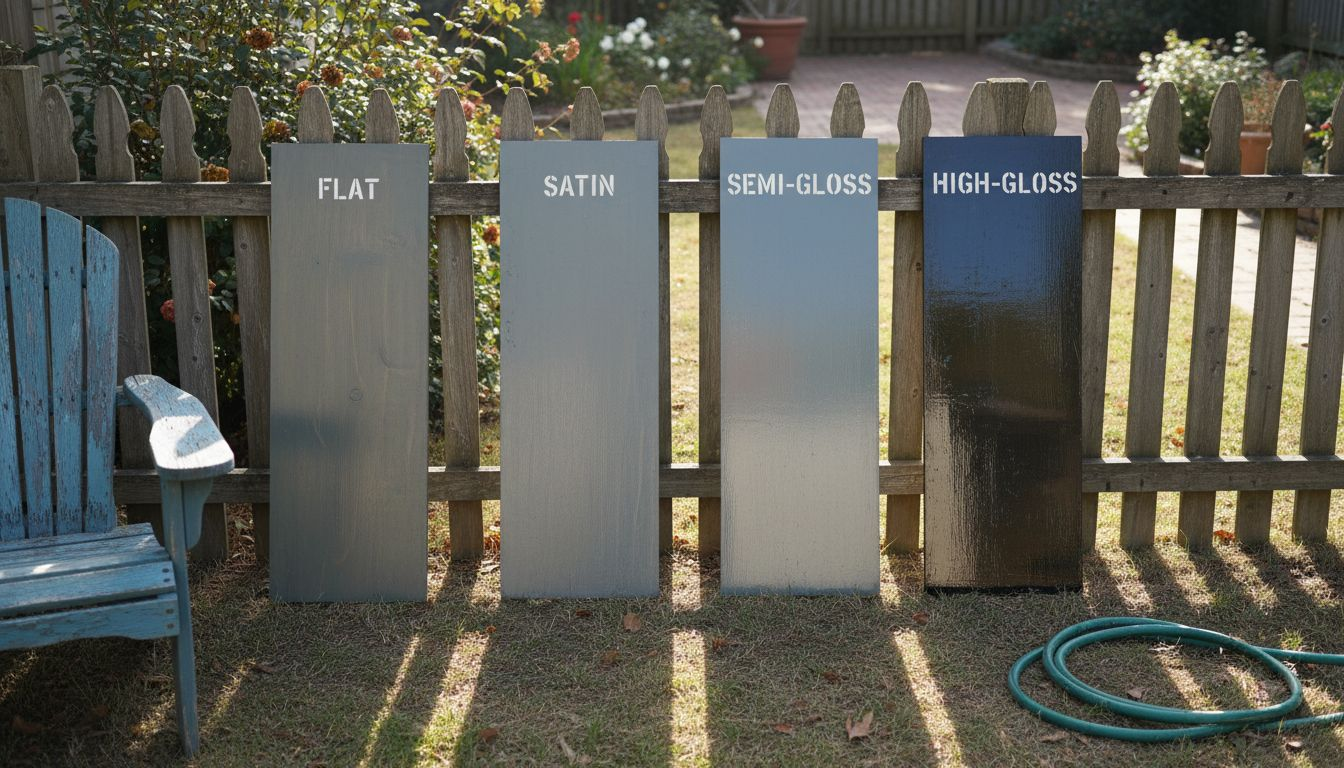
Exterior paint finishes range from flat and matte to high-gloss, with each finish providing distinct advantages. Flat finishes work best for hiding surface imperfections and offering a smooth, uniform appearance. Satin and semi-gloss finishes provide better moisture resistance and are easier to clean, making them ideal for areas prone to dirt accumulation or high humidity. Consumer research indicates that higher gloss paints offer superior stain resistance and can dramatically improve a home’s overall durability and aesthetic appeal.
Specialty exterior paints have emerged to address specific environmental challenges in regions like the Dallas Fort Worth area. These advanced formulations include UV-resistant coatings, elastomeric paints that can bridge small cracks, and moisture-blocking technologies that provide enhanced protection against extreme temperature variations and humidity. Homeowners should consider factors like sun exposure, local climate, and the specific surface material when selecting their exterior paint type and finish.
Here’s a quick overview of the main types of exterior paints and their most suitable applications:
| Paint Type | Key Benefit | Ideal For |
|---|---|---|
| Latex (Water-based) | Fast drying, low odor | Siding, stucco, masonry |
| Alkyd (Oil-based) | Excellent adhesion, durable | Trim, doors, weathered wood |
| Elastomeric | Flexible, crack-bridging | Homes with moving substrates |
| UV-resistant | Fights fading, sun damage | Zones with intense sunlight |
Pro tip: Consult with a professional painter to match your exterior paint selection with your home’s specific architectural materials and local climate conditions to maximize longevity and performance.
Key Steps in the Exterior Painting Process
Professional painting organizations outline a comprehensive approach to exterior painting that transforms home maintenance into a systematic, precise process. The journey begins with meticulous surface assessment and preparation, which involves thoroughly examining the existing exterior surfaces for damage, cleaning away dirt and debris, and addressing any structural imperfections that might compromise paint adhesion.
The preparation phase is critical and involves multiple technical steps. Surface cleaning requires power washing or hand scrubbing to remove loose paint, mildew, and accumulated grime. Repairs become essential at this stage, including filling cracks, replacing damaged wood, and smoothing uneven surfaces. Lead-safe renovation practices are particularly crucial for homes built before 1978, where potential lead-based paint hazards exist, requiring specialized removal and containment techniques.
After preparation, professionals move to priming and painting. Primer creates a uniform surface that enhances paint adhesion and provides an additional protective layer against moisture and environmental stress. The actual painting process involves carefully selecting appropriate exterior paint types, applying multiple thin coats for optimal coverage, and ensuring even distribution with professional-grade tools. Experienced painters pay close attention to weather conditions, typically avoiding painting during extreme temperatures or high humidity to guarantee the best possible finish.
Pro tip: Schedule exterior painting during mild temperatures between 50-85 degrees Fahrenheit to ensure optimal paint application and drying conditions.
Weather Resistance and Longevity Factors
Paint technology continuously advances to enhance exterior coating performance by developing sophisticated formulations that protect homes against environmental challenges. Weather resistance begins with understanding how different coating compositions interact with temperature, humidity, ultraviolet exposure, and moisture. Advanced paint technologies incorporate specialized additives that create hydrophobic barriers, preventing water penetration and reducing the potential for structural damage.
The science of weather resistance involves multiple technical considerations. Molecular composition plays a critical role in determining a paint’s durability, with high-performance exterior coatings engineered to expand and contract with temperature fluctuations. Standardized testing protocols established by industry organizations evaluate paint performance under extreme conditions, simulating years of potential environmental stress through accelerated weathering tests that measure UV resistance, salt fog exposure, and temperature cycling.
Specific environmental factors in the Dallas Fort Worth region demand specialized coating strategies. Intense summer heat, periodic thunderstorms, and temperature variations require paints with exceptional UV resistance and flexibility. Homeowners should prioritize exterior paints with proven track records of maintaining color integrity, preventing chalking and fading, and resisting moisture penetration. Ceramic and elastomeric paint technologies offer enhanced protection, creating a robust barrier that adapts to substrate movement and environmental challenges.
Pro tip: Select exterior paints with ceramic microsphere technology to maximize heat reflection and reduce surface temperature absorption during intense Texas summers.
Common Pitfalls and Quality Considerations
Construction experts extensively document the potential failures in exterior painting that can compromise a home’s protective coating and aesthetic appeal. These failures often stem from seemingly minor oversights during preparation and application, which can lead to significant long-term damage. Understanding these common pitfalls is crucial for homeowners seeking a durable and professional-looking exterior paint job.
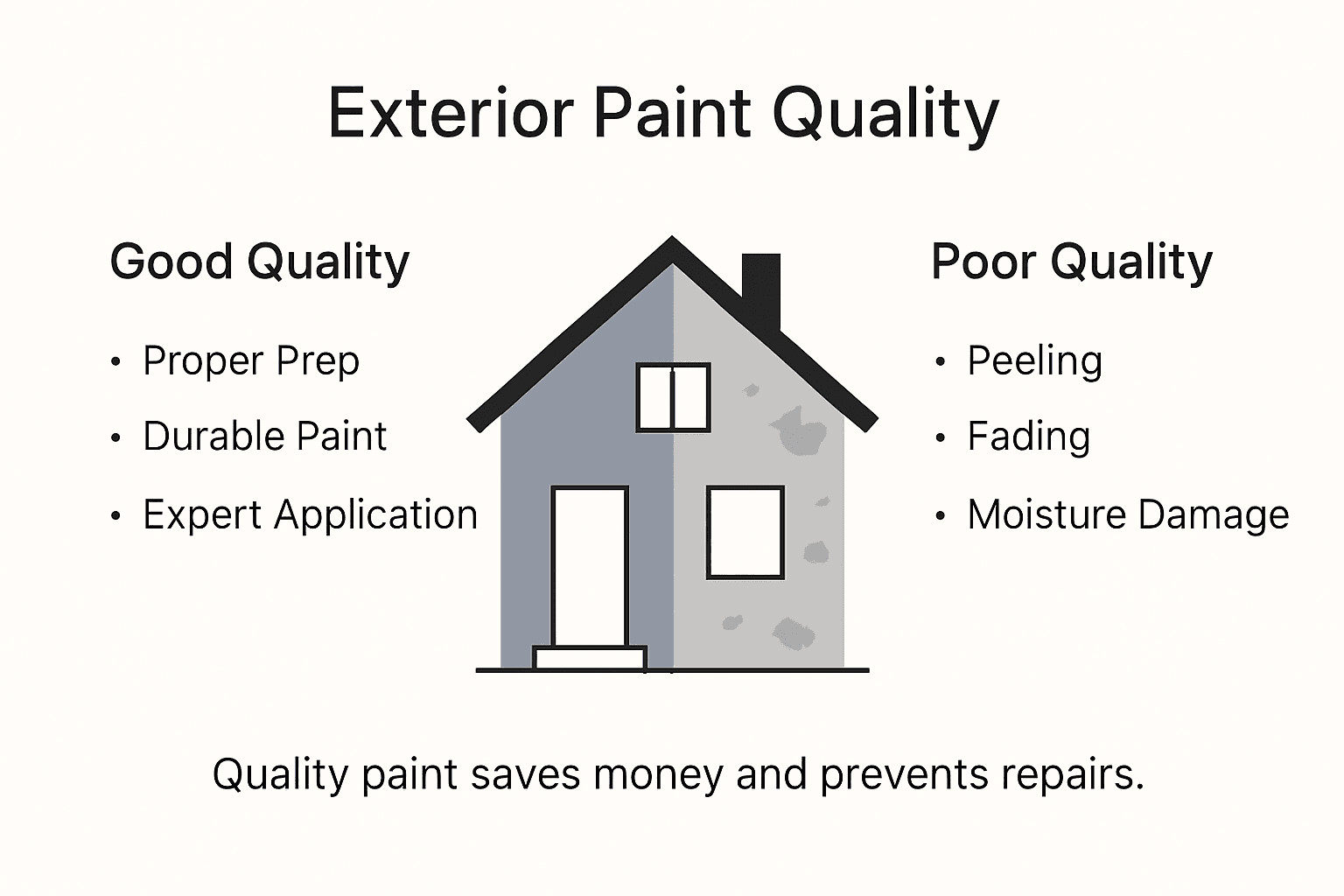
The most prevalent issues in exterior painting include surface-related defects such as peeling, blistering, chalking, and uneven coverage. These problems typically originate from inadequate surface preparation, including failure to clean surfaces thoroughly, not addressing existing damage, or applying paint to improperly primed substrates. Professional painting industry standards provide comprehensive guidelines to mitigate these risks, emphasizing the importance of meticulous surface assessment and preparation before applying any paint.
The table below summarizes common exterior paint defects, probable causes, and recommended solutions:
| Defect | Likely Cause | Recommended Solution |
|---|---|---|
| Peeling | Inadequate surface prep, moisture | Sand, prime, repaint with quality paint |
| Blistering | Painting in high heat/moisture | Repaint in proper conditions |
| Chalking | Low-quality paint, UV exposure | Use premium UV-resistant paint |
| Uneven color | Poor mixing, thin coverage | Apply extra coats, mix thoroughly |
In the challenging climate of the Dallas Fort Worth area, additional quality considerations become critical. Homeowners must account for extreme temperature variations, intense sunlight, and periodic moisture exposure that can accelerate paint degradation. Choosing high-quality, climate-specific paints with advanced formulations becomes paramount. This means selecting products with superior UV resistance, flexibility to handle temperature fluctuations, and additives that prevent moisture penetration. Professional painters recommend using premium exterior paints that offer enhanced durability and can withstand the unique environmental stressors of the Texas region.
Pro tip: Invest in a professional paint consultation to assess your home’s specific exterior surface conditions and receive customized recommendations for paint selection and application.
Protect Your Dallas Fort Worth Home with Expert Exterior Painting Solutions
Exterior painting is more than just a cosmetic upgrade. It protects your home’s structure from harsh weather, UV damage, and moisture — all critical challenges highlighted in the article. If you are concerned about peeling paint, blistering, or fading due to the Dallas Fort Worth climate, choosing the right materials and preparation methods is essential. Astrotech Construction understands these unique environmental demands and delivers professional exterior painting and renovation services that prioritize longevity and quality.
Don’t let poor quality painting lead to costly repairs. Trust Astrotech Construction to assess your home’s exterior, recommend the best paint types and finishes, and execute each project with meticulous surface preparation and expert craftsmanship. Visit Astrotech Construction today to schedule your consultation and protect your investment. With years of experience in exterior home improvement in the Dallas Fort Worth Metroplex, we ensure your home looks its best and stands strong for years to come.
Explore our full range of services from siding to roof replacement for complete exterior care at Astrotech Construction. Your home deserves quality that lasts—contact us now to get started.
Frequently Asked Questions
What is exterior painting?
Exterior painting is the process of applying protective coatings to the outside surfaces of a home. It not only enhances the aesthetic appeal but also shields the structure from environmental challenges like sunlight, moisture, and temperature fluctuations.
Why is surface preparation important in exterior painting?
Surface preparation is crucial as it ensures optimal paint adhesion and longevity. This includes cleaning, repairing, and priming surfaces to prevent issues like peeling, blistering, or uneven coverage after painting.
What types of exterior paints are available, and how do they differ?
Exterior paints are primarily available in latex (water-based), alkyd (oil-based), and specialty coatings, each suitable for different surfaces and conditions. Latex paints dry quickly and have low odor, while alkyd paints offer better adhesion and durability. Specialty coatings are formulated for specific environmental challenges.
How can weather affect the longevity of exterior paint?
Weather impacts the durability of exterior paint through factors like UV exposure, temperature changes, and moisture levels. High-quality, weather-resistant paints are formulated with technologies that prevent fading, chalking, and moisture penetration, thereby extending the lifespan of the paint job.