
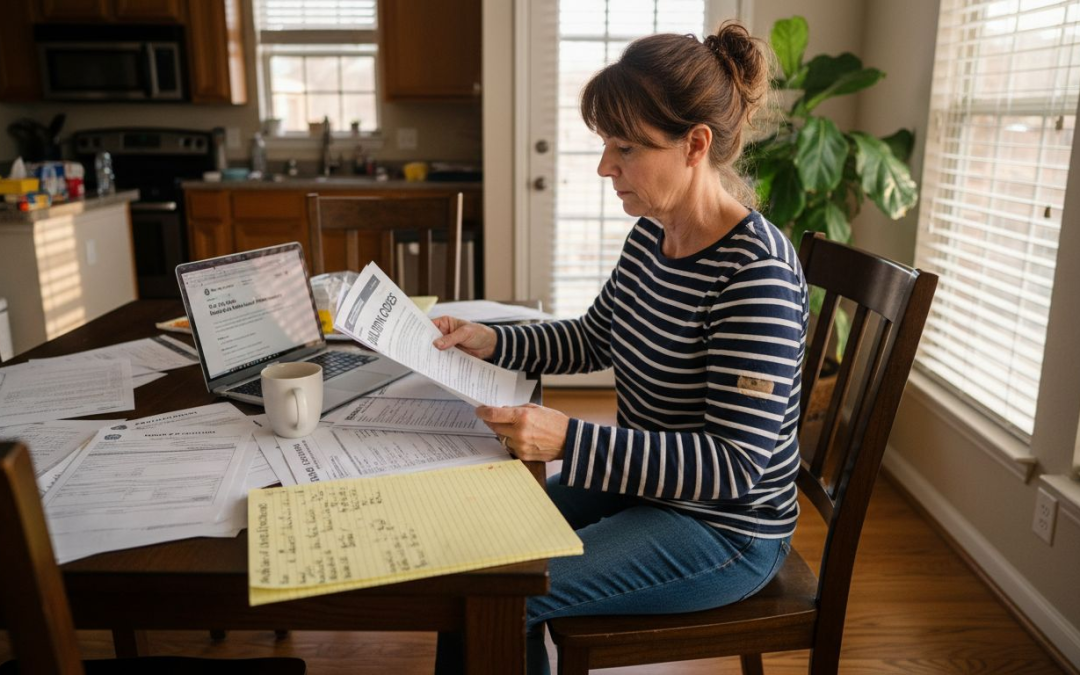
More than one third of American homeowners run into expensive setbacks during major remodeling projects because of overlooked building codes. Planning a renovation in Dallas Fort Worth means more than choosing materials or designs. Every city enforces its own version of building regulations that affect your property’s safety and market value. This guide highlights the rules and processes that matter, helping you make smart renovation decisions without risking unnecessary costs.
Table of Contents
- Defining Building Codes For Remodeling Projects
- Types Of Codes Impacting Home Renovation
- How Compliance Protects Safety And Value
- Navigating Permits And Legal Responsibilities
- Common Pitfalls And How To Avoid Them
Key Takeaways
| Point | Details |
|---|---|
| Understanding Local Building Codes | Familiarize yourself with the specific building codes in your municipality to ensure compliance and safety during remodeling projects. |
| Importance of Building Permits | Always acquire the necessary building permits prior to starting renovations to avoid legal and financial repercussions. |
| Compliance for Value and Safety | Adhering to building codes not only enhances your property’s safety but also its market value and insurance eligibility. |
| Preventing Common Pitfalls | Engage licensed professionals and maintain thorough documentation to mitigate risks associated with renovation projects. |
Defining Building Codes for Remodeling Projects
Building codes represent a critical framework of regulations designed to ensure safety, quality, and structural integrity during construction and remodeling projects. These comprehensive standards establish minimum requirements for design, materials, construction techniques, and structural performance across residential and commercial buildings. Building codes aim to protect public health and safety through systematic guidelines that architects, engineers, and contractors must follow.
In the United States, building codes are typically developed by professional organizations and then adopted by state and local jurisdictions. The International Building Code (IBC) and International Residential Code (IRC) serve as foundational documents that most municipalities reference when establishing their specific regulatory requirements. These codes cover a wide range of considerations including structural design, electrical systems, plumbing, mechanical systems, energy efficiency, and accessibility standards.
For homeowners in the Dallas Fort Worth area, understanding local building codes is essential before beginning any significant remodeling project. Each municipality may have slightly different interpretations or additional requirements beyond standard model codes. State and local entities enforce building code regulations to ensure that construction meets minimum safety standards, which protects both property owners and future occupants from potential structural risks.
Understanding building codes isn’t just about compliance – it’s about protecting your investment and ensuring the long-term safety and value of your property. Codes evolve continuously to incorporate new safety technologies, energy efficiency standards, and construction best practices. By staying informed and working with professionals who understand these regulations, homeowners can navigate remodeling projects with confidence.
Pro tip: Always request a copy of local building codes from your municipal building department before starting any major renovation project to understand specific requirements for your area.
Types of Codes Impacting Home Renovation
Home renovation projects are subject to multiple specialized building codes that address different aspects of construction and safety. Building codes cover design, materials, and performance standards across various critical systems in residential construction. These comprehensive regulations ensure that home improvements meet essential safety, structural, and functional requirements.
The primary types of building codes that impact home renovations typically include structural, electrical, plumbing, mechanical, fire safety, and energy efficiency codes. Structural codes dictate the fundamental design and load-bearing requirements of your home, ensuring that any modifications maintain the building’s overall integrity. Electrical codes regulate wiring, outlet placement, circuit capacity, and safety standards for all electrical systems. Plumbing codes control water supply, drainage, and fixture installations to prevent potential health hazards and ensure proper functionality.
International Code Council develops comprehensive safety regulations that most municipalities adopt for residential renovations. These include specialized codes like the International Residential Code (IRC), which provides detailed guidelines for one and two-family dwellings. Mechanical codes address heating, ventilation, and air conditioning systems, while fire safety codes establish critical requirements for materials, escape routes, and fire-resistant construction techniques. Energy efficiency codes have become increasingly important, focusing on insulation, window performance, and overall energy consumption reduction.
Local jurisdictions in the Dallas Fort Worth area may have additional specific requirements that go beyond standard model codes. Homeowners should recognize that these regulations are not arbitrary restrictions but essential protections designed to ensure safe, durable, and efficient home improvements. Understanding the nuanced landscape of building codes can help homeowners make informed decisions and work effectively with contractors to achieve successful renovation projects.
Here’s a quick comparison of major building code categories and their primary focus during home renovations:
| Code Type | Main Focus | Example Oversight |
|---|---|---|
| Structural | Building stability | Foundation, beams |
| Electrical | Safe wiring | Outlets, circuit loads |
| Plumbing | Sanitary water flow | Pipes, fixtures |
| Mechanical | Indoor comfort | HVAC systems |
| Fire Safety | Emergency protection | Escape routes, materials |
| Energy Efficiency | Reduce consumption | Insulation, windows |
Pro tip: Consult with a local building inspector or licensed contractor who understands the specific building codes in your municipality before beginning any major renovation project.
How Compliance Protects Safety and Value
Building code compliance is far more than a bureaucratic requirement – it’s a critical shield protecting homeowners from potential catastrophic risks and financial losses. Building codes aim to protect health and safety by establishing stringent standards that prevent structural failures, reduce disaster-related damage, and ensure long-term property resilience.
The financial implications of code compliance extend well beyond initial construction costs. Non-compliant renovations can lead to significant problems, including reduced property value, insurance complications, and potential legal challenges when selling your home. Improperly completed work might require expensive remediation, potentially costing homeowners substantially more than the initial savings from cutting corners. Structural safety depends on proper design and construction techniques that meet or exceed established building code requirements.
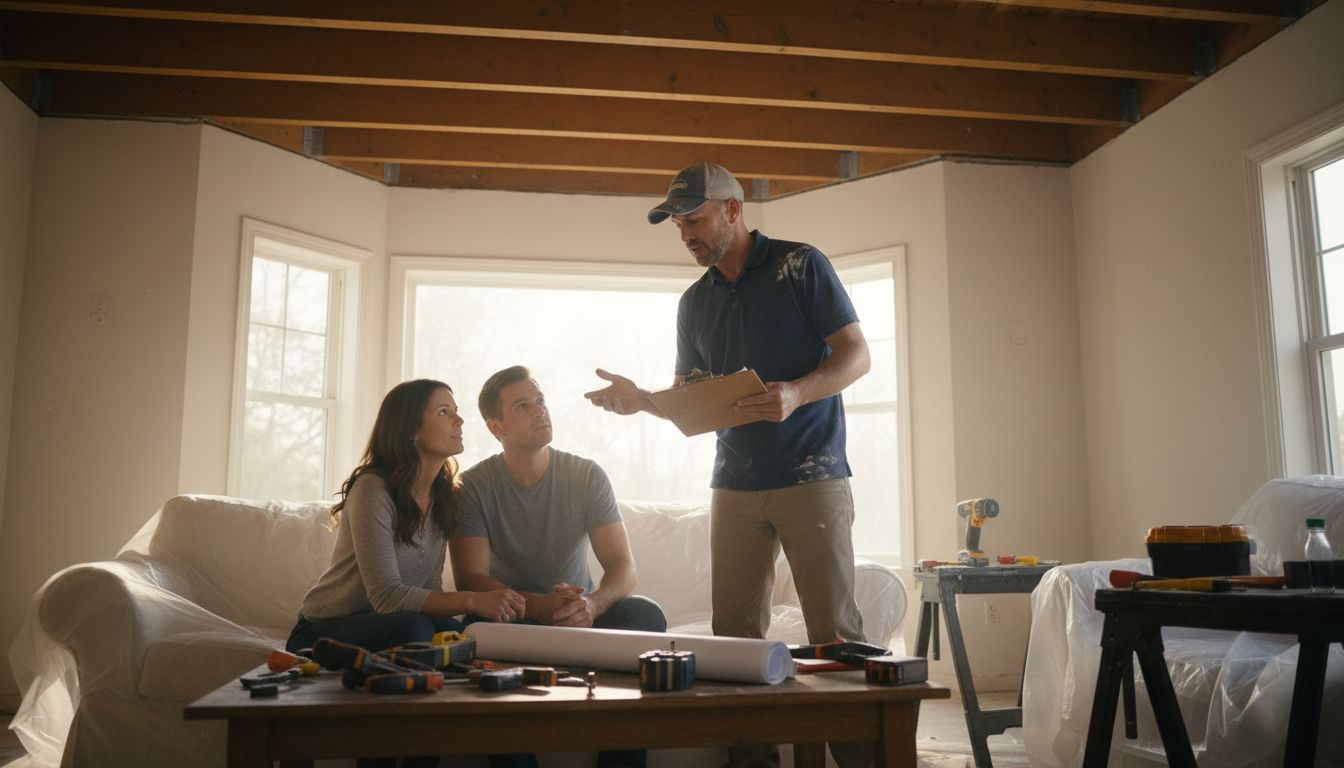
In the Dallas Fort Worth area, building code compliance serves multiple critical functions. It ensures that home renovations can withstand local environmental challenges, including extreme weather conditions like severe thunderstorms and occasional tornado risks. Properly implemented codes address structural integrity, electrical safety, fire prevention, and energy efficiency – creating homes that are not just safe, but also more sustainable and cost-effective to maintain over time. Professional inspections validate that each phase of renovation meets these essential standards, providing homeowners with peace of mind and protection.
Compliance is particularly crucial for homeowners planning significant investments in their property. Insurance companies often require documented code compliance, and mortgage lenders may refuse to finance properties with non-compliant improvements. By working with licensed professionals who understand local building regulations, homeowners can navigate complex code requirements effectively, protecting both their immediate safety and long-term property value.
Below is a summary of key benefits homeowners gain from strict building code compliance:
| Benefit | Impact on Homeowner | Long-Term Advantage |
|---|---|---|
| Improved Safety | Reduces accident risk | Safer living environment |
| Higher Property Value | Enhances market appeal | Easier future resale |
| Insurance Eligibility | Qualifies for better coverage | Lowers potential costs |
| Disaster Resilience | Withstands harsh weather | Fewer repairs, lower costs |
Pro tip: Request detailed documentation of code compliance from your contractor, including inspection reports and permits, to safeguard your renovation investment.
Navigating Permits and Legal Responsibilities
Remodeling projects in the Dallas Fort Worth area require careful navigation of legal and regulatory requirements to ensure compliance and protect your investment. Homeowners must acquire building permits before initiating any significant renovation work, which serves as a critical step in maintaining legal and safety standards for home improvements.
The permit process involves several key steps that homeowners must understand. Typically, permits are required for projects involving structural changes, electrical work, plumbing modifications, or mechanical system alterations. Contractors must submit detailed project plans to local building authorities, demonstrating how the proposed work meets current building codes and safety regulations. Permitting processes protect homeowners through comprehensive inspections that validate each phase of construction meets established safety and quality standards.
Legal responsibilities extend beyond simply obtaining a permit. Homeowners can face significant financial and legal consequences for unpermitted work, including potential fines, mandatory removal of improvements, and complications when selling the property. Insurance companies may refuse to cover damages resulting from non-permitted renovations, leaving homeowners financially vulnerable. In the Dallas Fort Worth metropolitan area, local municipalities have specific requirements that can vary between jurisdictions, making it essential to work closely with local building departments and licensed professionals who understand these nuanced regulations.
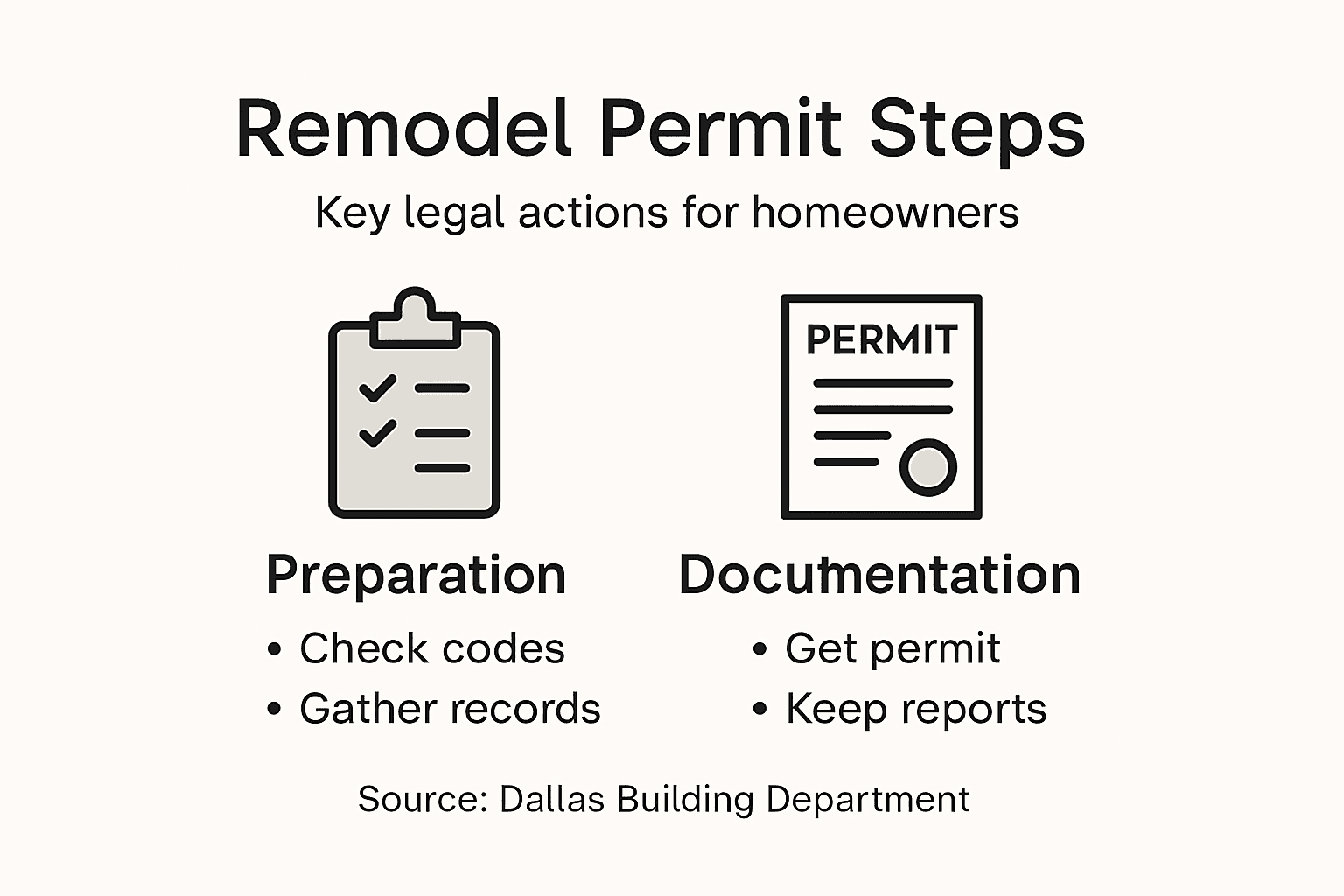
Successful permit navigation requires proactive communication and thorough documentation. Homeowners should maintain detailed records of all permits, inspection reports, and correspondence with local building authorities. This documentation not only ensures legal compliance but also provides valuable proof of proper renovation work that can enhance property value and facilitate future sales or refinancing efforts.
Pro tip: Request a comprehensive permit checklist from your local building department and maintain a dedicated file with all renovation documentation to protect your investment.
Common Pitfalls and How to Avoid Them
Home renovation projects in the Dallas Fort Worth area are fraught with potential challenges that can derail even the most carefully planned remodeling efforts. Failing to comply with updated building codes represents one of the most significant risks homeowners face, potentially leading to costly legal and structural complications that can dramatically impact project success and property value.
Structural integrity is a critical concern during any renovation project. Rigorous inspection and professional assessment can prevent potentially catastrophic errors that might compromise your home’s safety. Common pitfalls include inadequate foundation evaluation, improper material selection, and overlooking critical load-bearing considerations. Homeowners frequently underestimate the complexity of structural modifications, assuming cosmetic changes are simple when they actually require sophisticated engineering expertise.
Financial and legal risks represent another significant area of potential problems. Unpermitted work can lead to substantial penalties, including mandatory removal of improvements, potential fines, and complications with insurance coverage. Many homeowners inadvertently create future selling challenges by completing renovations without proper documentation or adherence to local building regulations. In the Dallas Fort Worth area, each municipality has unique requirements that can vary substantially, making it essential to work closely with local building departments and licensed professionals who understand these nuanced regulatory landscapes.
Mitigating these risks requires a proactive and informed approach. Homeowners should prioritize comprehensive research, engage qualified professionals, maintain detailed documentation, and remain transparent about all renovation activities. Consulting with local building inspectors, obtaining multiple professional opinions, and maintaining a comprehensive understanding of local building codes can significantly reduce the likelihood of encountering unexpected challenges during home renovation projects.
Pro tip: Create a comprehensive renovation checklist that includes mandatory code compliance steps, professional consultations, and thorough documentation to minimize potential pitfalls.
Ensure Your Remodeling Project Meets Building Codes with Expert Help
Navigating complex building codes is one of the biggest challenges homeowners face when starting a remodeling project in the Dallas Fort Worth area. From structural safety and electrical standards to plumbing and energy efficiency requirements, understanding local regulations protects your investment and peace of mind. Key concerns like obtaining permits and maintaining code compliance can feel overwhelming but are essential for avoiding costly penalties and ensuring long-term property value.
Astrotech Construction specializes in guiding you through every step of your renovation while strictly adhering to all building codes. Our experienced team offers comprehensive remodeling services including full home renovations, kitchen and bathroom upgrades, roofing, siding, gutters, and storm damage repair. We provide quality assurance paired with unmatched service so you can confidently transform your home without worrying about code violations or permitting issues.
Take control of your remodeling journey now.
Explore how our skilled professionals make compliance simple and hassle free. Visit Astrotech Construction to learn more and schedule your personalized consultation today. Protect your investment by partnering with experts who prioritize safety, quality, and lasting value. Don’t wait until challenges arise—start your remodeling project with confidence and code compliance.
Frequently Asked Questions
What are building codes?
Building codes are regulations that establish minimum standards for design, construction, and materials to ensure safety and structural integrity in building projects.
Why is it important to comply with building codes during remodeling?
Compliance with building codes protects homeowners from potential risks, ensures safety, maintains property value, and prevents legal complications related to unpermitted work.
What types of building codes affect home renovations?
Home renovations are impacted by various building codes, including structural, electrical, plumbing, mechanical, fire safety, and energy efficiency codes, each addressing different safety and functionality aspects of construction.
How can homeowners navigate the permit process for remodeling projects?
Homeowners should acquire necessary building permits before starting renovations, submit detailed project plans to local authorities, and maintain thorough documentation of all permits and inspections to ensure compliance.
Recommended
- 7 Common DFW Remodeling Mistakes and How to Avoid Them – Astrotech Construction
- Remodeling Project Checklist: Step-by-Step Guide for Success – Astrotech Construction
- 7 Home Improvement Best Practices Every Owner Should Know – Astrotech Construction
- What Is Renovation Insurance and Why It Matters – Astrotech Construction