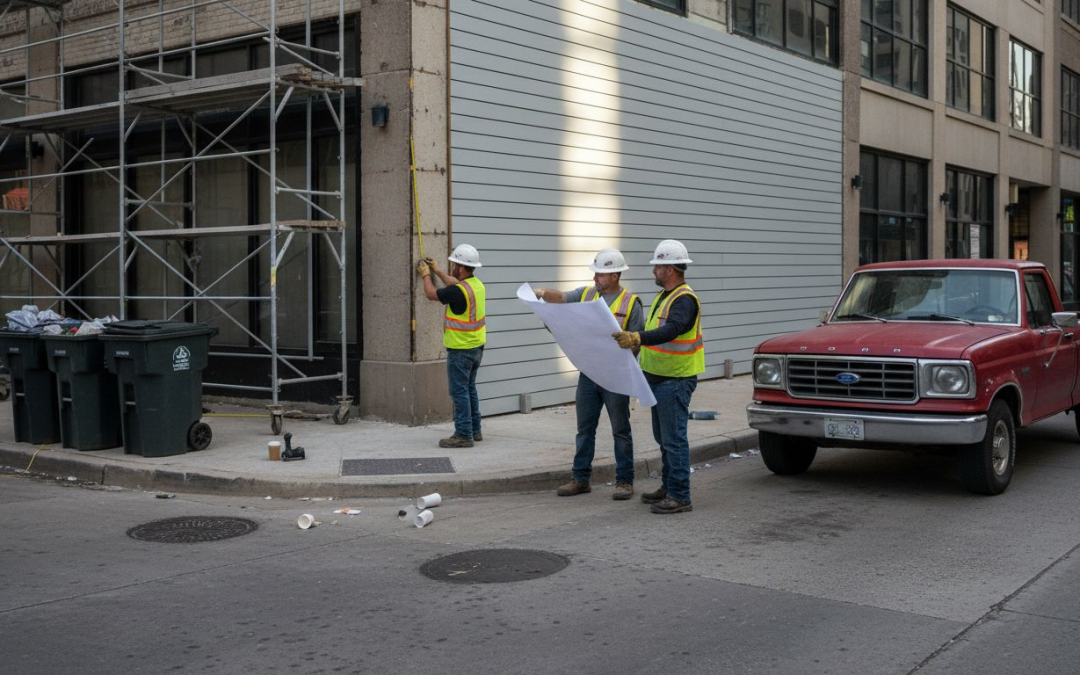
Every property owner in Dallas-Fort Worth knows how quickly a storm can expose weaknesses in your building’s exterior. Deciding to update your home or commercial facade is about more than looks—it’s about protecting your investment from severe weather and improving energy efficiency. With durable materials and modern techniques, you can achieve lasting value, greater curb appeal, and sustainable value retention that minimizes waste while preserving your building’s character.
Table of Contents
- What Updating Building Exteriors Means
- Popular Exterior Upgrade Types and Materials
- How New Exteriors Boost Value and Performance
- Energy Efficiency, Weather Protection, and Compliance
- Cost Factors, Risks, and Common Mistakes
Key Takeaways
| Point | Details |
|---|---|
| Comprehensive Updates | Updating building exteriors involves more than just aesthetics; it improves structural integrity, energy efficiency, and weather resistance. |
| Material Selection | Choosing durable materials suited for North Texas weather ensures long-lasting protection and reduces maintenance costs. |
| Energy Efficiency | Modern upgrades enhance energy performance, significantly lowering utility bills while improving indoor comfort year-round. |
| Proper Planning | Careful planning and professional inspections before starting updates help avoid costly mistakes and ensure compliance with building codes. |
What Updating Building Exteriors Means
Updating building exteriors goes far beyond a fresh coat of paint. It’s a comprehensive process that addresses everything from structural integrity to energy efficiency and visual appeal. For property owners in the Dallas-Fort Worth area, understanding what this really involves helps you make informed decisions about your home or commercial investment.
Building exterior updates typically include several key components:
- Facade and structural repairs addressing cracks, deterioration, or weather damage
- Roofing replacement or repairs to prevent leaks and extend roof lifespan
- Siding upgrades for better insulation and weather protection
- Gutter and drainage systems to manage water runoff effectively
- Door and window replacements improving security and energy efficiency
- Paint, stain, or cladding updates enhancing curb appeal and protection
Updating building exteriors preserves both the economic and environmental value embedded in your property while avoiding unnecessary demolition and waste.
The process often involves what experts call sustainable value retention. Rather than tearing down and rebuilding, modern exterior updates focus on refurbishing and remanufacturing facade products where possible. This approach reduces material waste while maintaining your building’s structural and aesthetic integrity.
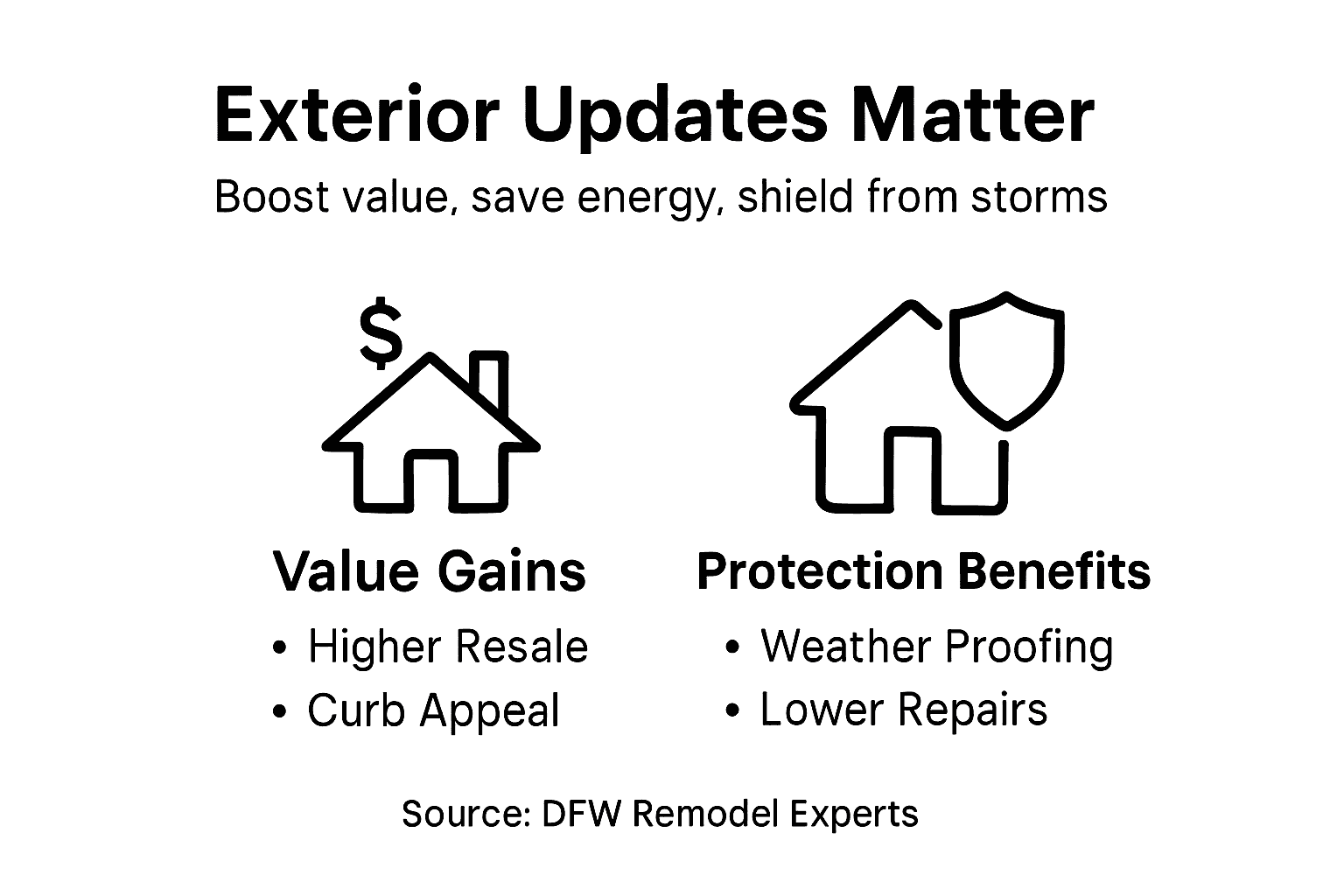
For homeowners dealing with storm damage, exterior updates become essential protective measures. North Texas weather—including severe hail, high winds, and occasional ice storms—demands durable, well-maintained exteriors. Updates here mean reinforcing vulnerable areas and upgrading to more weather-resistant materials.
Exterior repair work helps preserve local character while improving environmental performance. Quality exterior updates reduce energy loss through better insulation and weather sealing, lowering heating and cooling costs year-round.
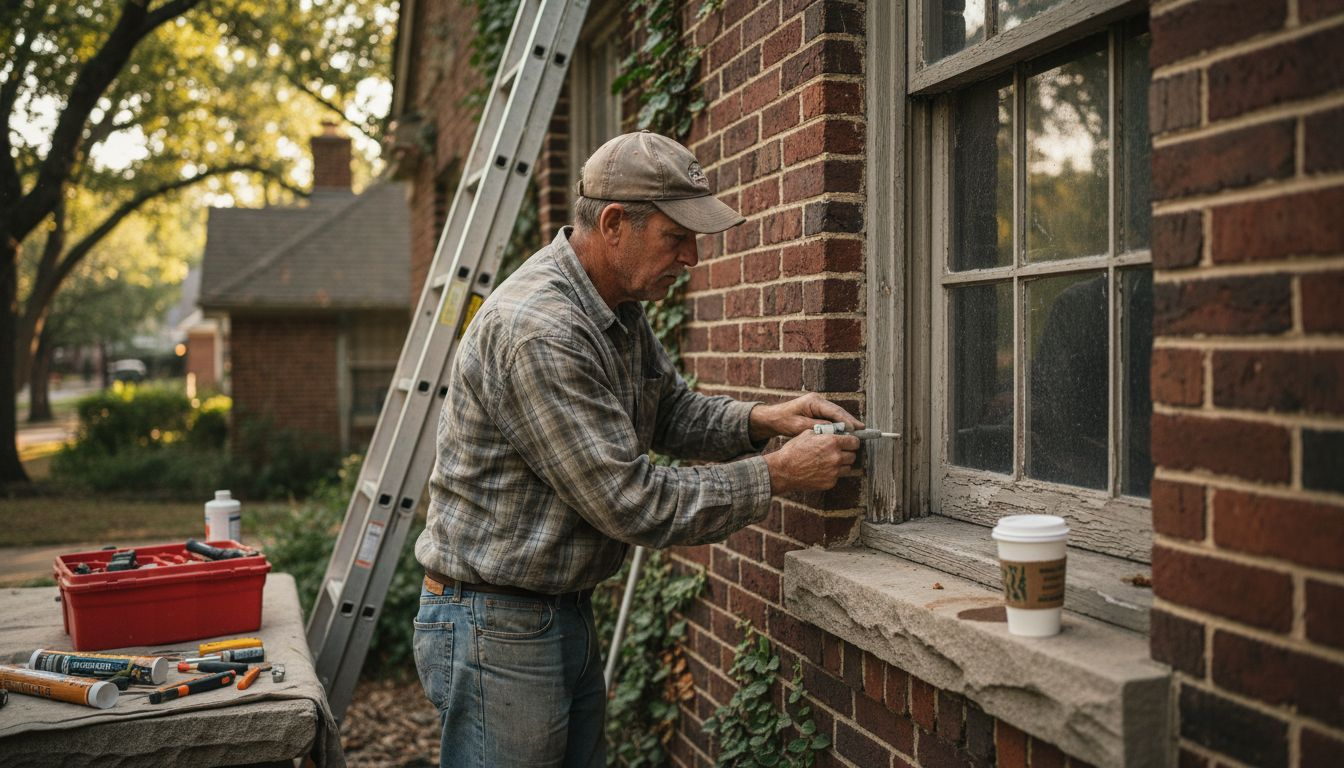
The work itself varies by property condition. Some updates address immediate safety concerns like missing shingles or rotting wood. Others focus on preventative maintenance—protecting against future damage before problems develop. Many combine both approaches for maximum protection and value.
Dallas-Fort Worth homeowners often discover that exterior updates become necessary after major weather events. Hail damage, wind damage, and water intrusion damage all require professional assessment and strategic repair planning. The key difference between patch repairs and comprehensive updates is scope: updates create lasting protection, not temporary fixes.
Pro tip: Document all exterior damage with photos and get multiple professional assessments before choosing your update strategy. Insurance coverage and warranty protection depend on proper documentation and quality workmanship.
Popular Exterior Upgrade Types and Materials
Dallas-Fort Worth property owners have more material options than ever before for exterior updates. The right choice depends on your climate challenges, budget, aesthetic preferences, and long-term durability goals. Understanding what’s available helps you make decisions that protect your investment while enhancing curb appeal.
Common exterior upgrade materials include:
- Brick and stone offering timeless appeal and excellent durability in Texas heat
- Fiber-cement siding combining weather resistance with low maintenance requirements
- Metal roofing providing superior hail and wind protection across North Texas
- Composite materials blending traditional looks with modern performance standards
- Vinyl and aluminum offering affordability with decent weather resistance
- Wood alternatives delivering classic aesthetics without constant upkeep
Modern exterior materials now combine durability and weather resistance while maintaining the historic integrity and appearance homeowners value.
Roofing upgrades stand out as a critical investment for Dallas-Fort Worth homes. Popular facade renovations include replacement or repair of doors, windows, and architectural details to improve both function and appearance. Quality roofing materials withstand severe hail, high winds, and intense summer heat that regularly challenge the region.
Siding replacement ranks as another major upgrade category. Modern options like fiber-cement combine durability with aesthetic flexibility. These materials resist fire, insects, and weather damage better than traditional wood while requiring far less maintenance.
Window and door upgrades improve energy efficiency while enhancing security. Quality replacements reduce heating and cooling costs while adding visual appeal. Many Dallas-Fort Worth homeowners prioritize these upgrades after storm damage compromises seals or frames.
Gutter and drainage systems often get overlooked but deserve serious attention. Heavy Texas rainstorms demand properly functioning gutters and downspouts. Upgrades here prevent water damage to siding, foundations, and landscaping.
Exterior paint and cladding updates refresh appearance and add protective barriers. Professional-grade coatings withstand sun exposure and temperature swings better than standard finishes. These upgrades often combine aesthetic improvement with functional protection.
The choice between materials depends on several factors: initial cost, maintenance requirements, lifespan, weather resistance, and visual compatibility with your home’s style.
Here’s a quick comparison of popular exterior materials for Dallas-Fort Worth properties:
| Material Type | Durability | Maintenance Level | Curb Appeal |
|---|---|---|---|
| Brick/Stone | Lasts 50+ years | Occasional washing | Classic, premium |
| Fiber-Cement | 30-50 years | Low, repaint rarely | Modern, versatile |
| Metal Roofing | 40-70 years | Minimal, no moss | Sleek, industrial |
| Composite | 25-40 years | Low, occasional wash | Traditional look |
| Vinyl/Aluminum | 20-40 years | Low, easy cleaning | Clean, simple |
| Wood Alternatives | 20-50 years | Low, resists rot | Wood-like finish |
Pro tip: Choose materials specifically rated for North Texas weather conditions—verify hail impact ratings and wind resistance scores before deciding, since exterior durability directly affects insurance claims and long-term protection.
How New Exteriors Boost Value and Performance
New or updated exteriors deliver measurable returns on investment while improving daily living conditions. For Dallas-Fort Worth property owners, these improvements translate to higher resale value, lower energy bills, and better protection against the region’s unpredictable weather. Understanding these benefits helps justify the investment.
Key value and performance improvements include:
- Increased property value from curb appeal and structural integrity improvements
- Reduced energy costs through better insulation and weather sealing
- Lower maintenance expenses with durable, quality materials requiring less upkeep
- Enhanced safety and durability protecting against storm damage and deterioration
- Improved home comfort from better temperature control and weather protection
- Greater buyer appeal making your property more attractive at resale
New exteriors boost property value while reducing operational costs and extending building lifespan through improved durability and energy efficiency.
Energy efficiency gains stand out as one of the most immediate benefits. Quality exterior updates—including window replacements, proper insulation, and sealed cladding—reduce heating and cooling demands. Dallas-Fort Worth summers demand aggressive air conditioning; winter mild but unpredictable. Updated exteriors cut these costs significantly.
Renovation and retrofitting of existing buildings strengthen local economies and improve environmental sustainability while preserving your property’s character. You’re not tearing down and rebuilding; you’re improving what exists.
PropertyResale value improvements matter tremendously. Potential buyers notice updated roofs, fresh siding, new windows, and quality doors. These visible upgrades often influence purchase decisions more than interior updates. A well-maintained exterior signals overall property care.
Damage prevention becomes increasingly important after severe weather events. Storm damage repairs paired with upgrades create lasting protection. Rather than patching problems repeatedly, comprehensive exterior updates eliminate recurring issues.
Compliance with modern building codes adds another layer of value. Older homes may not meet current standards for wind resistance, fire safety, or energy efficiency. Updates bring your property current, protecting against future liability issues.
Operational cost reduction extends beyond energy savings. Quality materials require less frequent maintenance and repairs. You’ll spend less on repainting, siding repairs, and roofing patches over time.
Pro tip: Track your exterior upgrade costs and energy savings for documentation—these records boost resale value when potential buyers see documented improvements and reduced utility bills.
Energy Efficiency, Weather Protection, and Compliance
Three critical reasons drive exterior updates: cutting energy costs, surviving North Texas weather, and meeting building codes. These interconnected benefits work together to protect your property while reducing long-term expenses. Understanding how they align helps you prioritize upgrades effectively.
Primary benefits of updated exteriors:
- Lower energy consumption through improved insulation and air sealing
- Reduced utility bills from better temperature regulation year-round
- Storm damage resistance protecting against hail, wind, and rain
- Code compliance meeting current safety and performance standards
- Extended lifespan with durable materials requiring less frequent replacement
- Insurance protection from properly maintained, code-compliant structures
Modern exterior upgrades enhance weather protection and energy performance through materials, construction techniques, and compliance with sustainability standards.
Energy efficiency matters tremendously in Dallas-Fort Worth. Summer heat and occasional winter cold demand constant heating and cooling. Quality exterior updates reduce this demand significantly. Better insulation, sealed windows, and proper cladding work together to maintain comfortable indoor temperatures.
Weather protection ranks equally important for the region. Severe hail, high winds, and heavy rain regularly challenge local properties. Building codes address safety and energy efficiency through updated standards that protect occupants from structural failures and environmental hazards. Updated exteriors meet these standards, safeguarding your investment.
Compliance with current codes protects you legally and financially. Older homes built to previous standards may not meet today’s requirements for wind resistance, fire safety, or moisture control. Upgrades bring your property current, avoiding liability issues when selling.
Window and door replacements deliver immediate energy gains. Modern units feature better sealing, insulation ratings, and weather stripping. These upgrades reduce drafts and heat transfer dramatically, lowering cooling costs during sweltering summers.
Proper insulation installation during siding replacement prevents thermal leakage. Quality exterior insulation reduces heating and cooling demands while improving comfort. Combined with sealed windows, it creates a protective thermal envelope.
Roofing upgrades impact both energy efficiency and weather protection. Light-colored or reflective roofing reduces heat absorption. Quality installation prevents water intrusion that damages insulation and structures.
Drainage systems prevent water damage that compromises energy performance. Proper gutters, downspouts, and grading protect foundations and walls from moisture problems that reduce insulation effectiveness.
Pro tip: When planning exterior upgrades, prioritize energy-efficient windows and proper insulation installation first—these deliver the fastest payback through reduced utility bills while improving weather protection simultaneously.
Cost Factors, Risks, and Common Mistakes
Exterior updates require careful planning to avoid costly mistakes and unexpected expenses. Dallas-Fort Worth property owners often underestimate project complexity, material costs, and labor requirements. Understanding common pitfalls helps you budget accurately and avoid problems that compromise results.
Key cost factors affecting exterior projects:
- Materials varying significantly based on quality, durability, and performance ratings
- Labor costs depending on project complexity and contractor expertise
- Inspection and permits required for code compliance and safety verification
- Unforeseen structural issues discovered during work that require additional repairs
- Weather delays extending timelines and affecting final costs
- Maintenance planning needed to protect your investment long-term
Common mistakes include neglecting inspection requirements, ignoring potential code updates, and underestimating project complexity, leading to increased costs and reduced building performance.
Skipping proper inspection before starting work ranks as the costliest mistake. Hidden damage like rotting wood, structural deterioration, or water intrusion emerges mid-project, requiring expensive repairs. Professional inspections identify these problems upfront, preventing budget surprises.
Ignoring code compliance creates significant risks. Poor material selection and incompatible design choices impair durability and aesthetics while potentially violating current building standards. Updates that don’t meet codes may require costly corrections or won’t provide expected protection.
Choosing materials based solely on price leads to performance problems. Cheap siding, roofing, or windows fail prematurely in North Texas weather. You’ll spend more replacing inferior materials than investing in quality initially.
Underestimating project scope causes timeline and budget overruns. Complex siding replacement, roof work, or structural repairs take longer than expected. Quality work requires proper planning and realistic timelines.
Neglecting maintenance plans after updates wastes your investment. New exteriors require ongoing care—gutter cleaning, caulking inspection, and preventative maintenance protect your materials and extend lifespan. Skipping maintenance accelerates deterioration.
Hiring unqualified contractors introduces serious risks. Improper installation compromises performance regardless of material quality. Licensed, experienced contractors provide warranties and accountability that protect your investment.
Ignoring local weather requirements wastes money. Materials and methods that work elsewhere may fail in Dallas-Fort Worth conditions. Regional expertise matters tremendously for durability and performance.
Here are the most common risks and how to avoid them for exterior renovation projects:
| Risk | Impact on Project | Smart Prevention Strategy |
|---|---|---|
| Hidden structural damage | Unexpected extra costs | Get professional inspections |
| Weather delays | Project schedule slips | Build in buffer days, check forecast |
| Code compliance issues | Costly rework, fines | Verify permit needs upfront |
| Poor contractor choice | Low quality results | Check references, require licensing |
| Incorrect material choice | Early failure, high cost | Choose climate-appropriate materials |
Pro tip: Get multiple detailed quotes with itemized costs and timelines before deciding—compare material quality ratings and contractor credentials carefully, as the cheapest option often costs more long-term through poor performance and premature replacement.
Protect Your Dallas-Fort Worth Property with Expert Exterior Upgrades
Updating your building exterior is essential to safeguard your investment against harsh weather, lower energy costs, and boost resale value. Many property owners face challenges such as hail damage, inefficient insulation, and deteriorating materials that compromise safety and comfort. Recognizing these pain points and the need for sustainable value retention can help you make smart decisions that extend your home or business’s lifespan.
At Astrotech Construction, we specialize in comprehensive exterior renovation solutions tailored for the Dallas-Fort Worth climate. From roof replacement to siding and gutter upgrades, our expert team ensures your property meets modern building codes and stands strong against future storms. Experience the difference with high-quality materials and workmanship focused on durability, energy efficiency, and curb appeal.
Transform your exterior now with trusted professionals. Explore our full range of services in the Uncategorized section to learn how we help you protect and enhance your property.
Ready to increase your property value and peace of mind? Contact us today at Astrotech Construction to schedule a consultation. Don’t wait for the next storm or costly repair—take action now to secure lasting protection and savings.
Frequently Asked Questions
What are the benefits of updating building exteriors?
Updating building exteriors offers several benefits, including increased property value, reduced energy costs, improved safety and durability, better weather protection, and enhanced curb appeal.
How do exterior updates improve energy efficiency?
Exterior updates, such as installing better insulation, replacing windows and doors, and ensuring proper sealing, help reduce energy consumption and lower utility bills by maintaining more consistent indoor temperatures.
What common materials are used for building exterior updates?
Common materials include brick, stone, fiber-cement siding, metal roofing, composite materials, vinyl, and wood alternatives. Each material has varying durability, maintenance requirements, and aesthetic appeal.
How can I ensure my exterior updates meet building codes?
To ensure compliance with building codes, it’s essential to verify permit requirements, work with licensed and experienced contractors, and stay informed about current safety and performance standards during the renovation process.
Recommended
- Why Upgrade Building Exteriors: Boost Value and Comfort – Astrotech Construction
- Why Prioritize Exterior Repairs for Property Value – Astrotech Construction
- 7 Examples of Commercial Exterior Upgrades for Curb Appeal – Astrotech Construction
- Siding Replacement: Protecting and Upgrading Your Home – Astrotech Construction
- Why Drain Cleaning Is Essential for Preventing Blockages – AG-Plumbing