
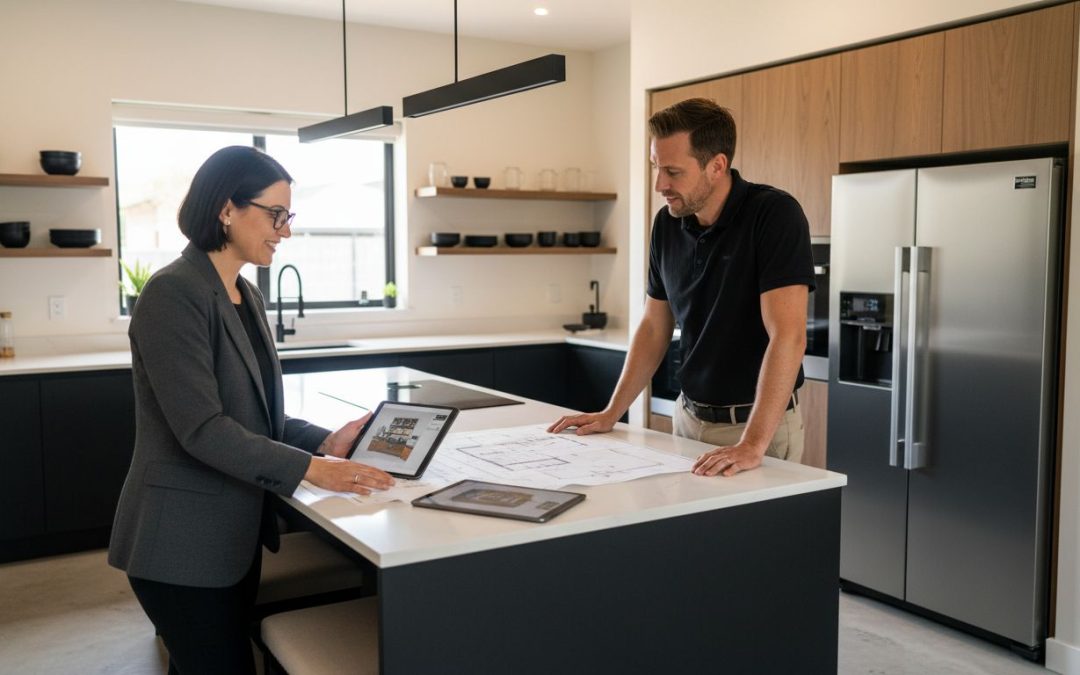
Most kitchen remodels fall short because they miss the real power of design. Studies show that an efficient kitchen layout can save up to 60 percent of time in daily meal prep. The way your space is planned impacts not just how it looks, but how it works for you every single day. Understanding the true role of design reveals what makes a remodeled kitchen easier to use, more comfortable, and tailored to fit your lifestyle.
Table of Contents
- Defining The Role Of Design In Kitchen Remodeling
- Types Of Kitchen Design Approaches Explained
- How Design Impacts Remodeling Workflow
- Key Design Factors For Project Success
- Common Design Mistakes And How To Avoid Them
Key Takeaways
| Point | Details |
|---|---|
| Importance of Design | Kitchen remodeling combines aesthetics with functionality, requiring careful strategizing to enhance workflow and user experience. |
| Types of Design Approaches | Different kitchen layouts, such as island or galley designs, cater to varying lifestyle needs and can maximize efficiency and style. |
| Impact on Workflow | Design serves as a blueprint for remodeling, affecting resource allocation, cost management, and overall project timeline. |
| Avoiding Common Mistakes | Careful planning is essential to prevent design pitfalls related to workflow, lighting, and storage solutions in kitchen renovations. |
Defining the Role of Design in Kitchen Remodeling
Kitchen design is far more than selecting attractive colors and stylish cabinets. Design fundamentally transforms how a kitchen functions, connecting aesthetics with practical workflow and user experience. According to the National Kitchen & Bath Association, kitchen design requires strategic planning that balances visual appeal with functional efficiency.
At its core, kitchen design revolves around creating intelligent spatial relationships. The classic kitchen work triangle concept illustrates this perfectly. As research from Wikipedia demonstrates, an optimal kitchen layout minimizes unnecessary movement between key work zones: the cooktop, sink, and refrigerator. By carefully positioning these essential elements, designers can dramatically improve cooking efficiency and reduce physical strain during meal preparation.
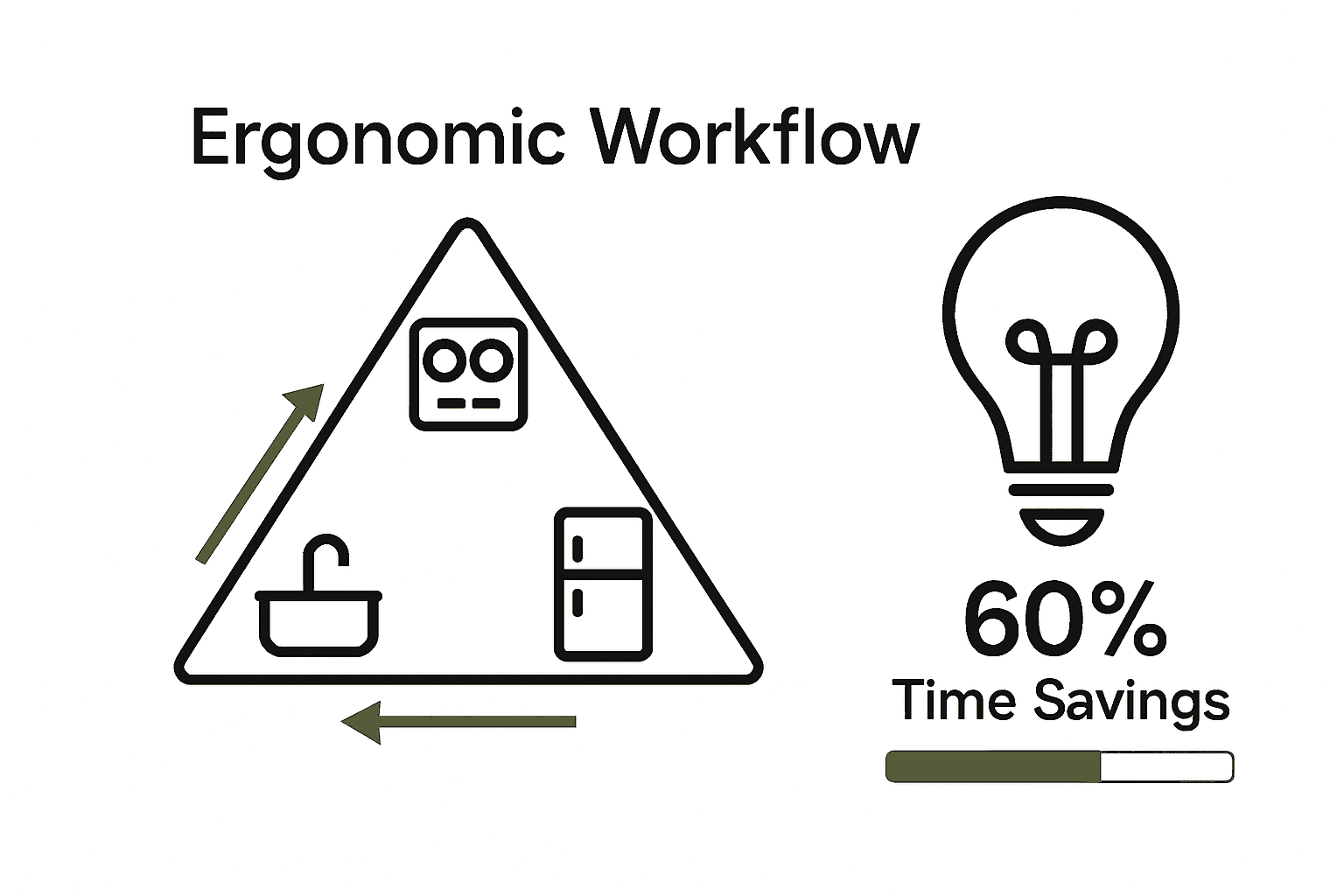
Effective kitchen design encompasses multiple critical dimensions:
- Ergonomic workflow optimization
- Strategic space utilization
- Aesthetic coherence
- Personalized functionality
- Material and color coordination
Professional designers approach kitchen remodeling as a holistic experience, understanding that every design decision impacts how residents interact with their cooking space. Kitchen Remodeling Colleyville Southlake Trophy Club Bedford TX requires thoughtful consideration of individual lifestyle needs, cooking habits, and aesthetic preferences. The ultimate goal transcends mere visual transformation – it’s about creating a living space that enhances daily experiences and reflects personal style.
Types of Kitchen Design Approaches Explained
Kitchen design is a nuanced art form with multiple distinct approaches that cater to different aesthetic preferences and functional needs. According to Ideal Magazine, several primary design styles emerge, each offering unique characteristics that transform cooking spaces into personalized environments.
Contemporary kitchen design encompasses several distinctive approaches, ranging from sleek minimalist concepts to more elaborate, texture-rich layouts. The Star highlights six popular design configurations that balance style with practicality:
- Peninsular Kitchens: Perfect for creating additional workspace and defining room boundaries
- Island Kitchens: Ideal for open-concept homes with centralized cooking and socializing zones
- Galley Kitchens: Maximizing efficiency in compact spaces
- L-Shaped Kitchens: Offering flexible workflow and versatile design potential
- U-Shaped Kitchens: Providing maximum storage and preparation areas
These design approaches reflect more than aesthetic preferences – they represent carefully considered solutions that adapt to individual lifestyle requirements. Why Upgrade Your Kitchen: Complete Essential Guide demonstrates that successful kitchen design integrates form and function, creating spaces that are simultaneously beautiful and supremely practical. Understanding these approaches empowers homeowners to make informed decisions that transform their culinary environments into personalized, efficient spaces that truly enhance daily living.
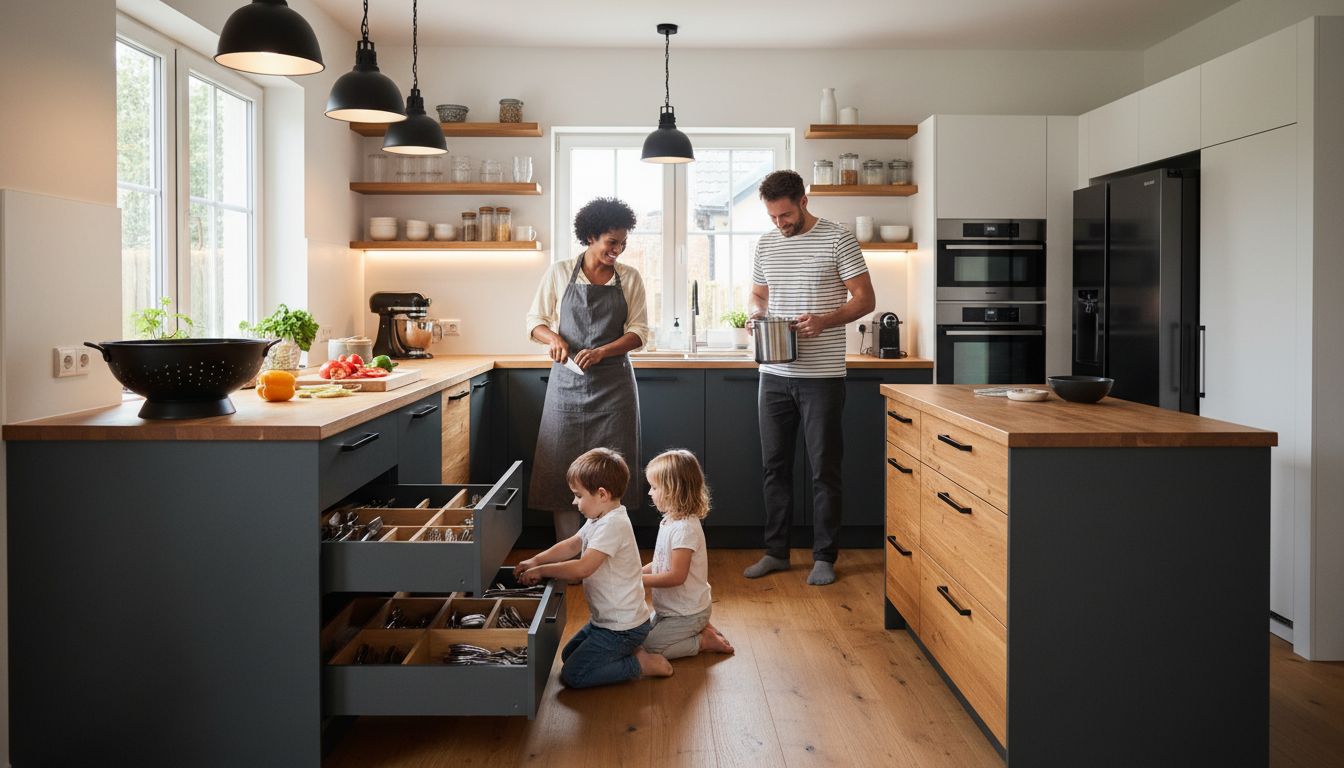
Here’s a comparison of popular kitchen design approaches:
| Design Approach | Key Features | Ideal For |
|---|---|---|
| Peninsular Kitchen | Extra workspace Defines boundaries |
Open plans Homes needing division |
| Island Kitchen | Central prep area Social hub |
Open, large kitchens |
| Galley Kitchen | Space-saving Efficient workflow |
Small, narrow spaces |
| L-Shaped Kitchen | Flexible layout Corner utilization |
Family kitchens Entertaining |
| U-Shaped Kitchen | Maximum storage Multiple work zones |
Large kitchens Busy families |
How Design Impacts Remodeling Workflow
The remodeling workflow is a complex process where design serves as the critical blueprint that guides every subsequent action. Cutting-edge research from arXiv reveals how computational design strategies can dramatically transform workflow efficiency, particularly in intricate spaces like kitchens where every square inch matters.
Design impacts the remodeling workflow through several pivotal mechanisms:
- Strategic Planning: Creating comprehensive visual roadmaps
- Resource Allocation: Determining precise material and labor requirements
- Spatial Optimization: Maximizing functional potential of available space
- Cost Management: Preventing unnecessary expenses through intelligent design
- Timeline Coordination: Establishing clear project milestones and expectations
Technological advancements are further revolutionizing design’s role in remodeling. arXiv highlights emerging systems like VIDES, which utilize natural language and visual guidance to streamline interior design processes. These innovative tools enable more intuitive, collaborative approaches that bridge communication gaps between homeowners and design professionals.
Role of Design in Renovations: Complete Guide demonstrates that effective design is never just about aesthetics – it’s a strategic framework that transforms complex renovation challenges into seamless, successful projects. By integrating thoughtful design principles, homeowners can convert potential workflow obstacles into opportunities for creating truly remarkable living spaces.
Key Design Factors for Project Success
Successful kitchen design demands a sophisticated approach that goes beyond simple aesthetic considerations. Wikipedia’s C-K design theory reveals that design is fundamentally about expanding knowledge and generating innovative solutions through a structured reasoning process. This approach transforms kitchen remodeling from a mere renovation project into a strategic exploration of potential living spaces.
Critical design factors that drive project success include:
- Functional Ergonomics: Creating spaces that adapt to user movements
- Spatial Intelligence: Maximizing efficiency in limited areas
- Material Selection: Balancing durability, aesthetic appeal, and cost-effectiveness
- Technological Integration: Incorporating modern conveniences seamlessly
- User-Centric Design: Anticipating and solving potential lifestyle challenges
Historically, design innovations have dramatically reshaped our understanding of kitchen functionality. The Munich kitchen from the 1920s exemplifies how thoughtful design can revolutionize domestic spaces, introducing features like adjustable shelving and strategically positioned workstations that prioritize user comfort and family dynamics.
Complete Guide to Remodeling Consultation Services underscores that successful design is an intricate dance between creativity, technical expertise, and deep understanding of individual client needs. By meticulously considering each design factor, homeowners can transform their kitchen from a mere cooking space into a personalized, efficient environment that genuinely enhances daily living.
Common Design Mistakes and How to Avoid Them
Kitchen design is fraught with potential pitfalls that can transform a promising renovation into a costly disappointment. Kitchen work triangle research highlights one of the most critical design principles: the spatial relationship between key cooking zones can make or break a kitchen’s functionality.
Common design mistakes that homeowners frequently encounter include:
- Ignoring Workflow Dynamics: Placing appliances without considering natural movement patterns
- Inadequate Lighting: Failing to create multi-layered, functional illumination
- Overcrowding the Space: Selecting oversized appliances or excessive cabinetry
- Neglecting Storage Solutions: Underestimating the importance of practical storage
- Compromising on Quality: Choosing budget materials that deteriorate quickly
Single-kitchen home research demonstrates the importance of understanding individual user needs. Just as historical design concepts evolved to address diverse cooking preferences, modern kitchen design must prioritize personalization and flexibility. Each design decision should anticipate how the space will be used, not just how it will look.
How to Plan a Home Remodel for Stress-Free Results emphasizes that avoiding design mistakes requires careful planning, professional consultation, and a holistic approach to understanding your unique lifestyle requirements. By recognizing potential pitfalls before they become expensive problems, homeowners can create kitchen spaces that are both beautiful and supremely functional.
Transform Your Kitchen with Expert Design and Remodeling
Are you ready to turn your kitchen remodeling vision into reality while avoiding common design mistakes like inefficient workflow or poor spatial planning? The role of thoughtful kitchen design is crucial to creating a space that not only looks stunning but also works perfectly for your lifestyle. From optimizing the kitchen work triangle to choosing the right layout like an island or U-shaped kitchen, every detail matters.
Discover how full home remodeling by experienced professionals can enhance your kitchen’s functionality and style while managing budget and timelines effectively. At AstroTech Construction, we understand that successful kitchen remodeling integrates ergonomic workflow, spatial intelligence, and material selection with your unique needs. Don’t wait to start creating a kitchen designed for your everyday joy and efficiency. Schedule your consultation today and experience the difference that strategic design can make.
Frequently Asked Questions
What are the key elements of effective kitchen design?
Effective kitchen design incorporates ergonomic workflow optimization, strategic space utilization, aesthetic coherence, personalized functionality, and material and color coordination to enhance both beauty and practicality.
How does the kitchen work triangle affect functionality?
The kitchen work triangle emphasizes the efficient layout of the cooktop, sink, and refrigerator. Properly positioning these elements minimizes unnecessary movement, thereby improving cooking efficiency and reducing physical strain.
What are common mistakes to avoid in kitchen design?
Common design mistakes include ignoring workflow dynamics, inadequate lighting, overcrowding the space with oversized items, neglecting storage solutions, and compromising on material quality, all of which can detrimentally impact functionality.
How can technology enhance kitchen design?
Technology can enhance kitchen design through tools that streamline planning and communication between homeowners and professionals. Innovations like natural language and visual guidance systems help create intuitive designs that better meet user needs.
Recommended
- Role of Design in Renovations: Complete Guide – Astrotech Construction
- Why Upgrade Your Kitchen: Complete Essential Guide – Astrotech Construction
- Kitchen Remodeling Colleyville Southlake Trophy Club Bedford TX
- Complete Guide to Remodeling Consultation Services – Astrotech Construction
- How to Decorate Vintage Style: A Step-by-Step Guide – OnlyRetro