

Over one million American homeowners start renovation projects every year. The decisions you make in the earliest stages will shape the entire outcome, from budget to build quality. Whether you want to add value or finally design your dream kitchen, setting clear goals and building a dependable plan are what set successful renovations apart. This guide walks you through proven, actionable steps so you can approach every phase with confidence and clarity.
Table of Contents
- Step 1: Define Renovation Goals And Project Scope
- Step 2: Establish A Realistic Budget And Timeline
- Step 3: Choose The Right Contractors And Suppliers
- Step 4: Oversee Construction Progress And Communication
- Step 5: Inspect Completed Work And Finalize Payments
Quick Summary
| Key Point | Explanation |
|---|---|
| 1. Define clear renovation goals | Articulate specific objectives to guide your project effectively and keep it focused on what matters most. |
| 2. Create a realistic budget | Thoroughly research costs and allocate a buffer for unexpected expenses to avoid financial pitfalls. |
| 3. Choose qualified contractors | Conduct background checks and compare proposals to ensure you select reliable professionals for your project. |
| 4. Monitor project progress closely | Engage with your contractor regularly to ensure the renovation stays on schedule and meets quality standards. |
| 5. Inspect thoroughly before payment | Verify all work meets your specifications and finalize a punch list before releasing any final payments. |
Step 1: Define renovation goals and project scope
Defining your renovation goals and project scope is the critical foundation for a successful home improvement journey. This initial planning stage helps transform your vision from abstract ideas into a concrete roadmap that guides every subsequent decision and action.
Start by clearly articulating your primary objectives. Are you aiming to increase home value, improve functionality, enhance aesthetic appeal, or address specific structural issues? Your goals might range from updating an outdated kitchen to creating more open living spaces or improving energy efficiency. Comprehensive renovation planning involves systematically breaking down your vision into specific, measurable targets.
Next, conduct a thorough assessment of your current space. Measure rooms precisely, note existing structural elements, and identify potential challenges or constraints. Create a detailed inventory of what needs to change and prioritize improvements based on urgency, budget, and impact. Consider factors like structural integrity, energy performance, and comfort. Professional contractors recommend developing a comprehensive project scope that outlines specific modifications, expected timelines, and anticipated budget ranges.
Pro tip: Create a visual mood board or digital folder with inspiration images, material samples, and design concepts to help communicate your renovation vision clearly to contractors and design professionals.
Step 2: Establish a realistic budget and timeline
Building a realistic budget and timeline is the financial roadmap that transforms your renovation dreams into achievable reality. This crucial step requires careful planning, strategic research, and an honest assessment of your resources and expectations.
Start by conducting comprehensive financial research and tracking potential project expenditures with meticulous attention to detail. Begin with a thorough inventory of anticipated costs including materials, labor, permits, and potential contingencies. Financial experts recommend allocating an additional 15 to 20 percent of your total budget for unexpected expenses that inevitably arise during renovation projects. Break down your budget into specific categories like demolition, construction, finishing, and design elements to create a transparent and manageable financial framework.
Next, develop a realistic project timeline by consulting with professional contractors and considering factors like material availability, seasonal constraints, and potential complex renovation requirements. Map out each phase of the project sequentially, allowing buffer time between major milestones to accommodate potential delays or unforeseen challenges. Understanding that renovation timelines can fluctuate will help you maintain flexibility and reduce stress throughout the process.
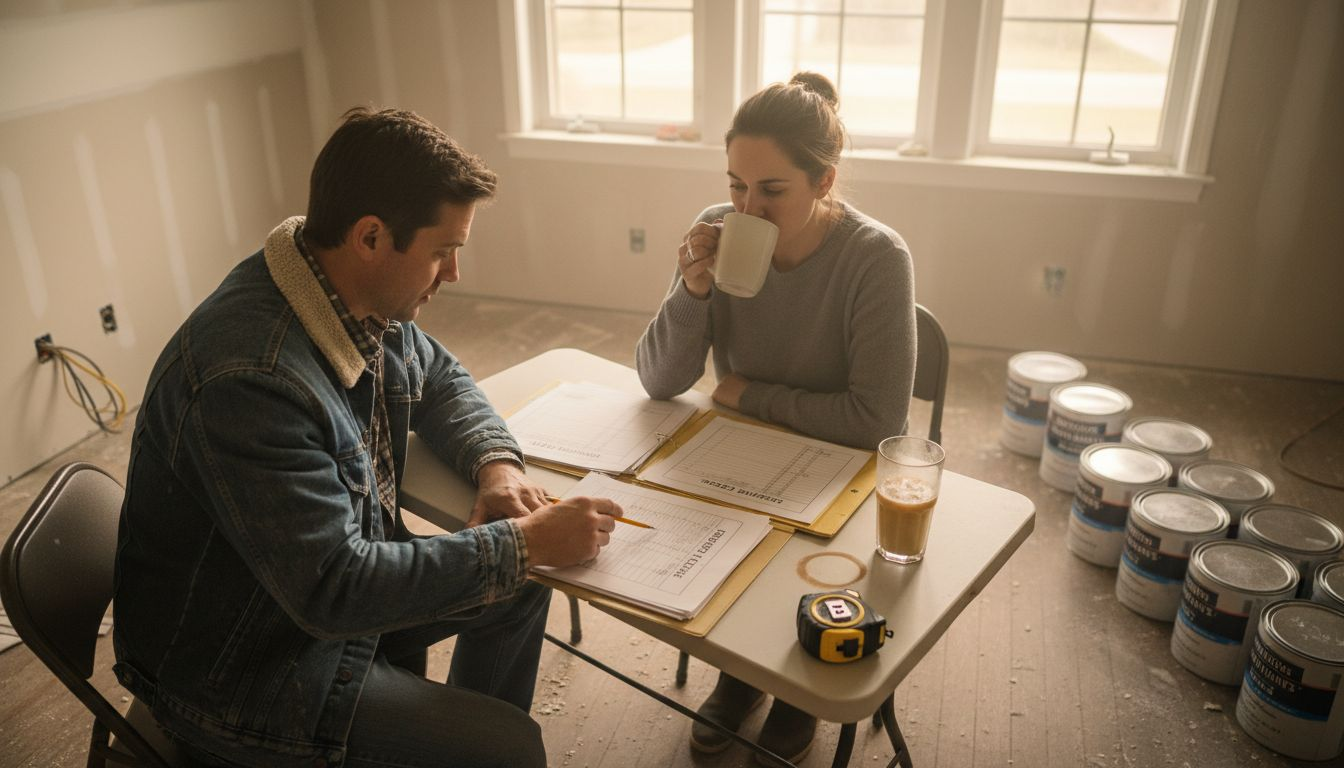
Pro tip: Use digital spreadsheet tools or specialized renovation budget tracking apps to monitor expenses in real time and maintain precise financial control throughout your project.
Here is a summary of key considerations for setting a home renovation budget and timeline:
| Consideration | Why It Matters | Typical Approaches |
|---|---|---|
| Material Costs | Major impact on total budget | Research suppliers |
| Labor Costs | Varies by expertise required | Request multiple quotes |
| Permit Fees | Legal compliance necessity | Check local regulations |
| Buffer for Overruns | Covers unforeseen expenses | Set aside 15-20% extra |
| Project Phases | Influences scheduling | Plan sequentially |
| Seasonal Factors | Can delay project start or finish | Build in time contingencies |
Step 3: Choose the right contractors and suppliers
Selecting the right contractors and suppliers is a critical step that can make or break your renovation project. This process requires careful research, strategic evaluation, and a comprehensive understanding of your specific renovation needs.
Begin by conducting thorough background checks and verifying professional credentials. Request detailed portfolios, examine past project examples, and contact previous clients to understand their experiences. Identifying contractors with specialized expertise in sustainable building adaptation and energy efficient practices can significantly enhance your renovation outcomes. Look for professionals who demonstrate not just technical skills but also clear communication, transparency, and a proven track record of delivering quality work within established timelines and budgets.
When interviewing potential contractors, prepare a comprehensive list of questions covering critical aspects such as licensing, insurance, estimated project timelines, payment structures, and potential subcontractor involvement. Request itemized written estimates from multiple contractors to enable accurate comparisons. Pay close attention to how each professional communicates complex technical details and responds to your specific project requirements. A contractor who takes time to understand your vision and offers constructive insights will likely be a more reliable partner throughout the renovation process.
Pro tip: Create a comprehensive evaluation spreadsheet to objectively compare contractor proposals, tracking key metrics like cost estimates, project timelines, references, and specialized expertise to facilitate a more informed decision.
Step 4: Oversee construction progress and communication
Effective project oversight is the cornerstone of a successful renovation, transforming your vision from blueprint to reality while maintaining quality and momentum. This critical phase requires active engagement, strategic monitoring, and proactive communication throughout the entire construction process.
Construction management techniques are essential for controlling project scope, time, cost, and quality, ensuring your renovation stays on track and meets your expectations. Establish a consistent communication protocol with your contractor, scheduling weekly in person or virtual meetings to review progress, discuss any emerging challenges, and confirm that the project adheres to the original timeline and budget. Create a structured communication log to document discussions, decisions, and potential modifications. This approach not only keeps everyone aligned but also provides a clear record of project evolution.
During site visits, conduct thorough and systematic inspections, paying close attention to work quality, material usage, and adherence to agreed upon specifications. Document your observations with dated photographs and detailed notes, which can help quickly address any discrepancies or potential issues before they escalate. Be prepared to make timely decisions, understanding that flexibility and prompt communication are key to navigating unexpected challenges that may arise during renovation work.
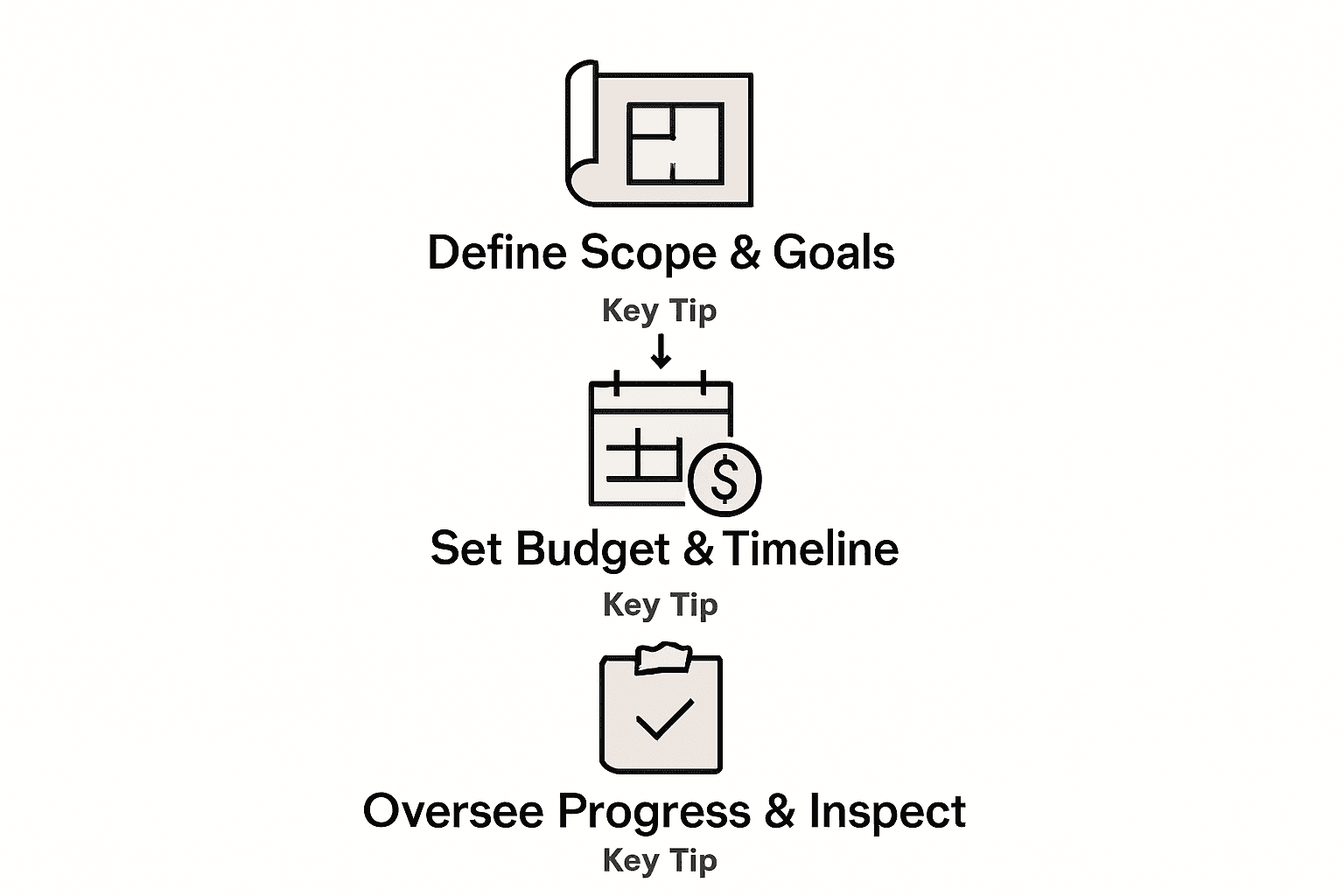
Pro tip: Develop a digital shared folder or project management app where all project documents, communication logs, photos, and updates can be centralized and easily accessed by all stakeholders.
Step 5: Inspect completed work and finalize payments
The final stage of your renovation journey involves carefully verifying the completed work and ensuring all contractual obligations are met with precision and thoroughness. This critical phase transforms your months of planning and investment into the finished result you have been anticipating.
Project management protocols for construction closure involve comprehensive final inspections and verification of project deliverables, which require a systematic and detailed approach. Begin by conducting a comprehensive walkthrough of the entire renovation, comparing the completed work against the original specifications and contract documents. Create a detailed punch list that meticulously documents any remaining items needing correction or refinement. This list should include even minor details like paint touch ups, alignment issues, or small finishing elements that do not meet the agreed upon quality standards.
Before releasing final payment, ensure all work meets your expectations and contractual requirements. Request and verify all necessary documentation including warranties, permits, and compliance certificates. Schedule a final meeting with your contractor to review the punch list, discuss any remaining items, and establish a clear timeline for addressing any outstanding issues. When all work has been satisfactorily completed and inspected, process the final payment according to the agreed contract terms, maintaining professional documentation of the transaction.
Pro tip: Take high resolution photographs of the completed work documenting the final state, which can serve as valuable records for future maintenance, insurance purposes, and potential future renovation projects.
The table below compares tasks to complete before making final payment after a renovation:
| Task | Purpose | Who Should Be Involved |
|---|---|---|
| Walkthrough Inspection | Verify work meets expectations | Homeowner and contractor |
| Create Punch List | Identify small fixes needed | Homeowner |
| Collect Documentation | Secure permits and warranties | Contractor |
| Final Meeting & Review | Confirm all issues are resolved | Both parties |
Take Control of Your Renovation for Truly Stress-Free Results
Managing a home or commercial renovation can feel overwhelming when faced with budgeting challenges, contractor selection, and construction oversight. This article highlights how defining clear goals, establishing realistic timelines, and maintaining strong communication can turn your renovation vision into reality without stress or surprises. At Astrotech Construction, we understand these critical pain points and offer expert guidance alongside professional remodeling services that cover everything from full home transformations to kitchen upgrades and storm damage repairs across the Dallas – Fort Worth Metroplex.
Let Astrotech Construction help you avoid costly delays and ensure quality outcomes through transparent project management and trusted craftsmanship. Whether you need assistance refining your project scope, choosing the right specialists, or overseeing construction progress, our team is committed to making your renovation smooth and satisfying. Explore our comprehensive services by visiting Astrotech Construction and learn how we can help turn your renovation plans into stress-free success.

Ready to take the next step in managing your renovation confidently? Contact us today for a personalized consultation and discover how our experience delivers exceptional renovation results tailored to your goals. Start your journey at Astrotech Construction and experience the difference professional project oversight and expert craftsmanship make.
Frequently Asked Questions
What are the first steps to manage renovations for stress-free results?
Start by defining your renovation goals and project scope. Clearly articulate what you want to achieve, whether it’s increasing home value or enhancing functionality, to create a detailed plan of action.
How can I create a realistic budget for my renovation project?
To create a realistic budget, conduct thorough financial research by estimating costs for materials, labor, and permits. Include a buffer of 15-20% for unexpected expenses to ensure you stay well within your financial limits.
What should I look for when choosing contractors for my renovation?
Examine contractors’ credentials, portfolios, and client testimonials to find professionals with relevant expertise. Ask detailed questions about their experience, payment structures, and project timelines to ensure alignment with your expectations.
How do I oversee the construction process effectively?
Establish regular communication with your contractor to monitor progress and address any challenges that arise during construction. Conduct site visits and maintain a log of discussions to ensure the project stays on track and meets quality standards.
What steps should I take before making the final payment after renovations?
Conduct a thorough inspection of the completed work and create a punch list of any remaining items. Schedule a final meeting with your contractor to confirm all issues are resolved before processing the final payment to ensure the project meets your specifications.