

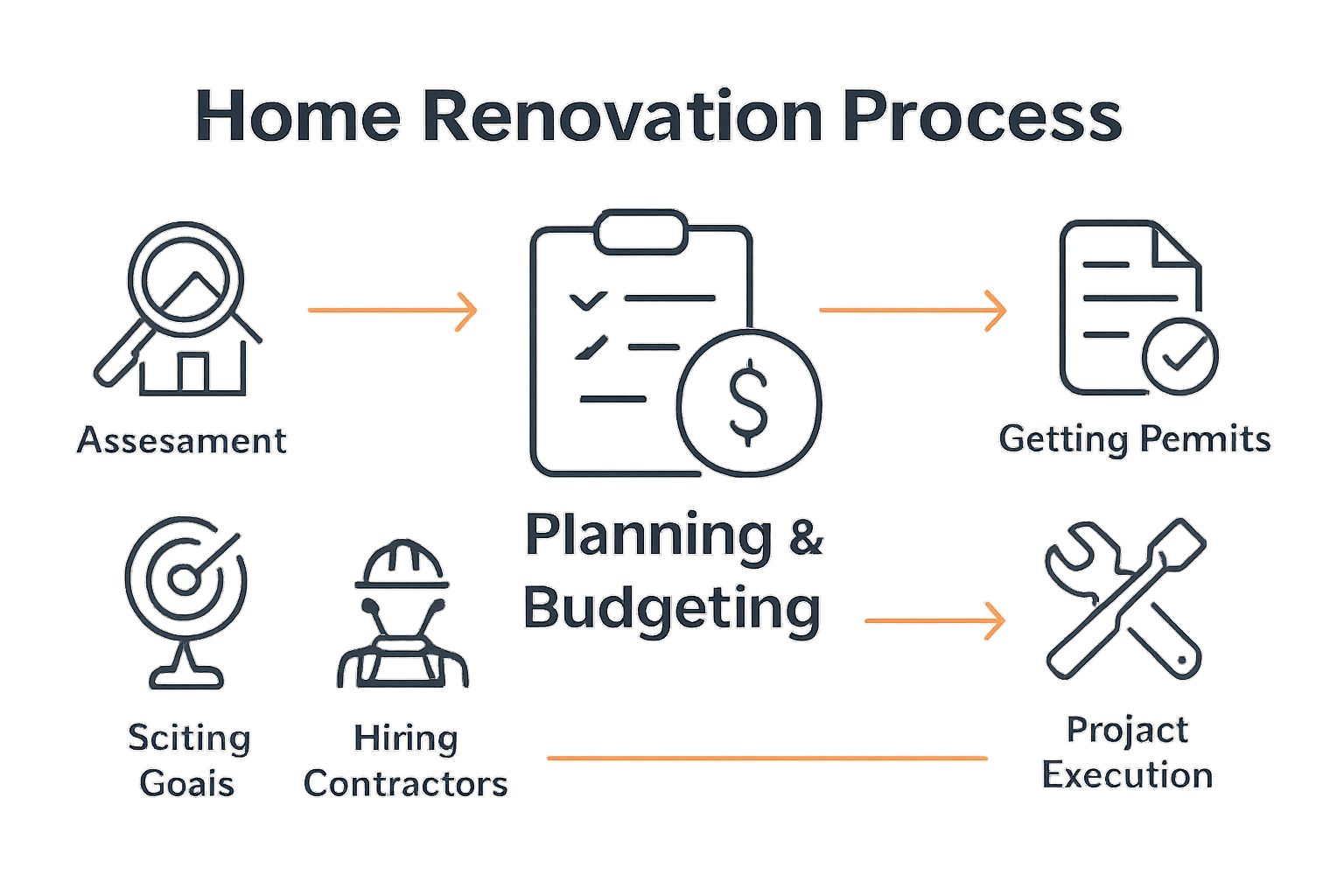
Over 80 percent of american homeowners underestimate the complexity of a full renovation process. From assessing the true state of your property to navigating permits and hiring the right professionals, each step demands careful attention. Skipping vital stages can lead to unexpected expenses and delays. This guide brings clarity and actionable steps for anyone ready to transform their space with confidence and smarter decision making.
Table of Contents
- Step 1: Assess Current Property Needs
- Step 2: Set Clear Renovation Goals and Budget
- Step 3: Choose Professional Contractors and Services
- Step 4: Coordinate Renovation Timeline and Permits
- Step 5: Oversee Project Execution and Quality Checks
- Step 6: Finalize Details and Inspect Completed Work
Quick Summary
| Important Insight | Explanation |
|---|---|
| 1. Assess Property Condition First | Conduct a thorough evaluation of structural elements like foundations and systems before starting renovations to identify necessary repairs. |
| 2. Set Clear Goals and Budget | Define detailed renovation objectives and create a budget with a contingency to address unexpected costs. |
| 3. Choose Qualified Contractors | Research and interview multiple professionals to ensure you select qualified contractors with proven track records and reasonable quotes. |
| 4. Ensure Proper Permits and Timeline | Confirm local regulations and secure necessary permits while developing a realistic project timeline to avoid legal and scheduling issues. |
| 5. Conduct Regular Oversight and Final Inspections | Stay engaged with contractors throughout the renovation and perform a final walkthrough to ensure all work meets quality standards. |
Step 1: Assess Current Property Needs
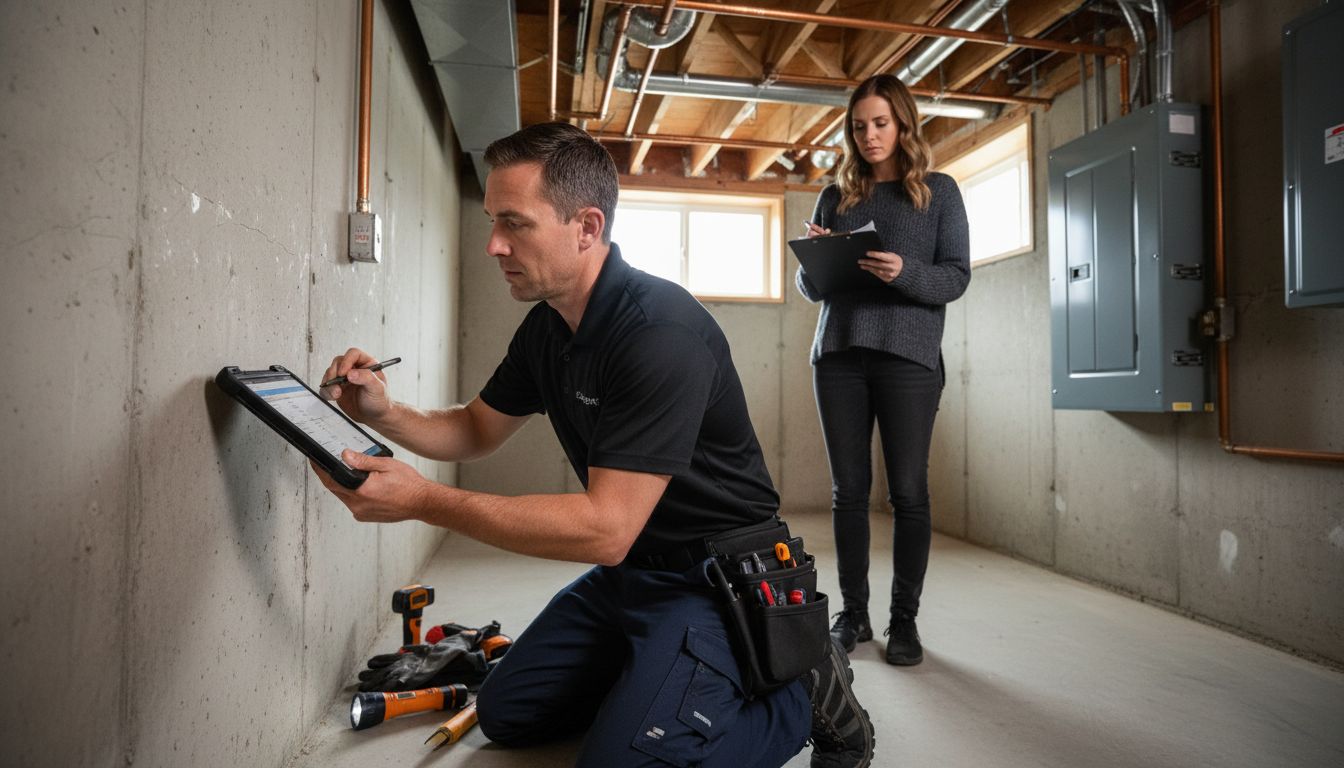
Before diving into any renovation project, you need a comprehensive understanding of your property’s current condition. Aaron Fox recommends starting with a thorough evaluation of your home’s structural integrity, focusing on key systems like electrical, plumbing, and HVAC before initiating renovations.
Begin by conducting a systematic inspection of critical areas. Walk through each room and examine foundations, walls, floors, and the roof for potential damage signs. Pay special attention to structural elements that might require professional assessment. Files Eric suggests performing biannual walk-through inspections, which can help identify minor repair needs before they escalate into major problems. Look for indicators such as wall cracks, uneven flooring, water stains, or unusual sounds in your mechanical systems.
A professional structural engineer can provide an expert assessment of your property’s condition, helping you prioritize renovation needs and potential risks. They will evaluate load-bearing structures, identify potential foundation issues, and recommend specific repairs or reinforcements. By understanding your property’s current state, you’ll develop a strategic renovation plan that addresses critical needs efficiently and prevents costly future repairs.
Step 2: Set Clear Renovation Goals and Budget
Yoop Architects emphasizes the critical importance of establishing precise renovation goals that balance functionality with aesthetic vision. Your renovation journey starts with understanding exactly what you want to achieve and how much you can realistically invest.
Begin by creating a comprehensive list of renovation priorities. Break down your goals into essential categories like improving living space functionality, increasing home value, addressing structural concerns, or updating outdated design elements. When developing your budget, factor in both expected and unexpected expenses by allocating approximately 10 to 20 percent extra for potential contingencies. For Dallas Fort Worth homeowners planning renovations, it’s crucial to research local market rates and get multiple professional quotes to ensure accurate financial planning.
To maximize your renovation investment, consider consulting a guide on budgeting renovation specific to the Dallas Fort Worth area. This approach helps you create a strategic plan that aligns your vision with financial realities, ensuring you can transform your space without unexpected financial strain. Remember that thoughtful planning now prevents costly mistakes later and helps you achieve a renovation that meets both your aesthetic and functional needs.
Step 3: Choose Professional Contractors and Services
CIBC recommends a strategic approach to selecting renovation professionals that goes beyond simply picking the first contractor you meet. Your goal is to find skilled experts who can transform your renovation vision into reality while protecting your investment.
Start by gathering recommendations from trusted sources like friends, neighbors, and local community networks. Interview multiple contractors and request detailed written quotes that outline project specifics, including materials, labor costs, start and completion dates, and warranty information. Home Renovation suggests obtaining at least three comprehensive quotes and avoiding contractors who request large upfront payments exceeding 25% of the total project cost.
To streamline your contractor selection process, consider consulting our guide to hiring contractors in DFW. Verify each contractor’s credentials, check online reviews, request portfolios of previous work, and ensure they are properly licensed and insured. Remember that the cheapest quote isn’t always the best choice making thorough research and careful evaluation crucial to finding a reliable professional who can deliver high quality results.
Step 4: Coordinate Renovation Timeline and Permits
CIBC emphasizes the critical importance of ensuring your renovation plans comply with municipal zoning bylaws and fire regulations. Developing a comprehensive timeline and securing the necessary permits are essential steps that will help you navigate the complex process of home renovation smoothly and legally.
EPA recommends careful planning that includes notifying relevant parties, conducting necessary safety surveys like asbestos and lead testing, and implementing isolation strategies during the renovation. Start by consulting your local municipal offices to understand specific permit requirements for your project. Some renovations may require detailed documentation, architectural plans, and multiple inspections throughout the construction process.
To simplify your permit acquisition process, consider consulting our remodeling permit guide for DFW. Work closely with your chosen contractor to create a realistic timeline that accounts for potential delays, material procurement, and inspection schedules. Remember that proactive communication and thorough documentation can prevent costly setbacks and ensure your renovation progresses smoothly and in full compliance with local regulations.
Step 5: Oversee Project Execution and Quality Checks
EPA emphasizes the crucial role of active project oversight during home renovations. Your involvement is key to ensuring that the work meets contract specifications and maintains the highest quality standards throughout the construction process.
CIBC recommends staying consistently engaged with your contractor and addressing any potential issues immediately. Conduct regular site visits to verify progress, compare the ongoing work against original plans, and ensure all materials and installations meet your expectations. Pay close attention to details like surface cleaning, ventilation system maintenance, and precise implementation of planned modifications.
To streamline your project management, consider our tutorial on the role of general contractors in renovation projects. Maintain open communication channels with your contractor, document all discussions and changes, and conduct thorough final inspections before signing off on the project. Remember that your active participation and meticulous attention to detail are essential in transforming your renovation vision into a successful reality.
Step 6: Finalize Details and Inspect Completed Work
EPA provides critical guidance for the final stages of your home renovation, emphasizing the importance of careful inspection and preparation before fully occupying your newly renovated space. This crucial phase ensures that your investment meets safety standards and delivers the quality you expected.
CIBC recommends a thorough final review to confirm that all project obligations have been met. Conduct a comprehensive walkthrough with your contractor, checking every detail from paint finishes to electrical outlets and plumbing fixtures. Allow time for off-gassing of new materials, change ventilation system filters, and verify that HVAC systems are balanced and functioning correctly. Pay close attention to surface cleaning, material installations, and ensure that every aspect of the renovation matches your original specifications.
To ensure a smooth final inspection, review our complete guide to full home renovation process. Create a detailed punch list of any remaining issues, no matter how small, and work with your contractor to address them promptly. Remember that your final sign-off represents the culmination of your renovation journey, so take the time to verify that every element meets your expectations and reflects the vision you originally planned.
Simplify Your Home Renovation Journey with Trusted Local Experts
Renovating your home can feel overwhelming with so many details to manage from assessing your property needs to coordinating permits and final inspections. This article highlights common challenges like setting clear renovation goals, selecting reliable contractors, and overseeing quality every step of the way. These steps are crucial to avoid costly mistakes and delays that many homeowners face today.
Don’t let the renovation process stress you out. At AstroTech Construction, we specialize in transforming Dallas Fort Worth homes with expert full home remodeling, kitchen and bathroom upgrades, and roof and siding improvements. We handle everything from initial planning and budgeting to securing permits and managing construction schedules with complete transparency and dedication to quality.
Ready to take control of your project and turn your vision into reality with confidence?

Start your renovation the smart way by consulting with our experienced team at AstroTech Construction. Visit us today to explore how we can provide expert guidance and professional craftsmanship every step of the way.
Frequently Asked Questions
What should I assess first during my home renovation?
To start your home renovation, assess your property’s current condition by inspecting structural integrity, electrical systems, plumbing, and HVAC. Conduct a thorough walk-through of each room to identify any signs of damage, such as wall cracks or water stains.
How do I set a realistic budget for my renovation project?
Set a realistic budget by creating a detailed list of renovation goals and categorizing them into essential areas, such as functionality and aesthetics. Include a contingency of 10 to 20 percent to cover unexpected expenses and request multiple quotes from professionals to refine your financial plan.
What factors should I consider when choosing contractors for my renovation?
When selecting contractors, gather recommendations and interview multiple candidates to compare quotes and previous work. Focus on credentials, licenses, and online reviews to find professionals who align with your project needs and can deliver quality results.
How can I ensure my renovation complies with local regulations?
To ensure compliance, consult with local municipal offices to understand zoning laws and permit requirements for your renovation. Work with your contractor to develop a timeline that includes necessary permits and inspections, allowing time for processing and adjustments.
What steps should I take to oversee the renovation process?
Actively oversee the renovation by conducting regular site visits and maintaining open communication with your contractor. Check that work aligns with original plans and ensure quality standards are met throughout the construction phase, addressing any issues as they arise.
How do I conduct a final inspection of my completed renovation?
Perform a final inspection by walking through the space with your contractor to ensure all details meet your expectations and project specifications. Create a punch list of any outstanding issues and confirm that all components function properly before signing off on the project.