
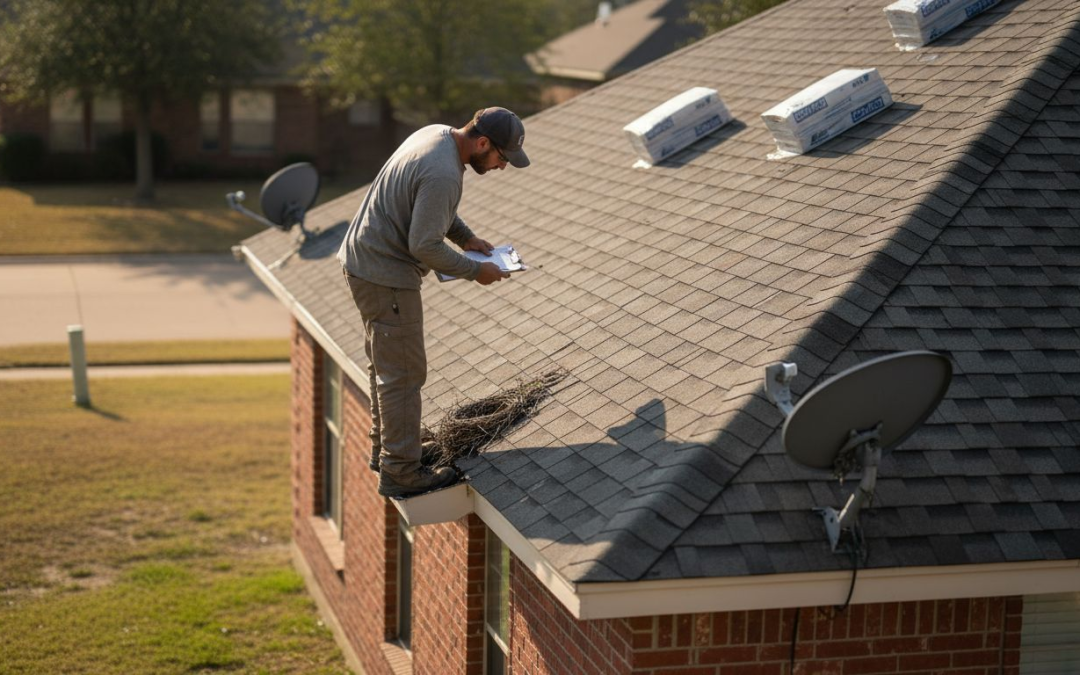
Thinking about replacing your roof in Dallas-Fort Worth can feel like a big decision, especially when property value and financing are on the line. Local buyers and lenders pay close attention to the condition and quality of your roof, treating it as a direct marker of structural integrity and overall care. A well-chosen, professionally installed roof not only boosts curb appeal but also helps with energy costs during our intense Texas summers. Understanding these key points ensures you invest wisely and maximize your home’s market potential.
Table of Contents
- Defining Roofing’s Role In Property Value
- Types Of Roofing Materials Compared
- Roof Features That Increase Home Value
- Cost, Roi, And Insurance Considerations
- Common Roofing Pitfalls To Avoid
Key Takeaways
| Point | Details |
|---|---|
| Roof Condition Matters | A well-maintained roof enhances property value and buyer confidence, impacting financing and insurance. |
| Material Selection Influences Value | Choosing durable, energy-efficient roofing materials can significantly improve resale value and market appeal. |
| Document Roof Condition | Keeping records of roof maintenance and improvements aids in justifying higher selling prices during negotiations. |
| Avoid Common Mistakes | Timely maintenance and appropriate material choices prevent costly repairs and protect property value in the long run. |
Defining Roofing’s Role in Property Value
Your roof is far more than just protection from the elements. For Dallas-Fort Worth homeowners, understanding how roofing directly impacts property value is essential when considering whether a replacement makes financial sense. The roof sits at the intersection of three critical factors that buyers and lenders care deeply about: structural integrity, energy efficiency, and overall home condition. A quality roof communicates that you’ve maintained your home responsibly, while a deteriorating one raises red flags that trigger inspection concerns and financing complications.
When potential buyers or lenders evaluate your property, the roof’s condition significantly influences perceived value. A well-maintained roof signals that major structural systems have been cared for, reducing the estimated cost of future repairs and strengthening buyer confidence. This perception directly translates to market value. Beyond appearance, your roof affects mortgage approval processes and insurance premiums. Lenders are hesitant to finance homes with compromised roofing because it represents underlying risk, while insurers may increase premiums or deny coverage altogether on aging or damaged roofs. In the competitive North Texas real estate market, these practical barriers can cost you thousands in negotiations or lost sales.
The energy efficiency angle adds another dimension to roofing’s value contribution. Modern roofing materials and proper installation reduce heat transfer through your roof, which matters significantly in our hot Dallas summers. A roof that keeps your home cooler reduces air conditioning demand and lowers energy bills, making your property more attractive to efficiency-conscious buyers. Some forward-thinking property owners are even exploring how roofs can contribute to renewable energy generation, positioning their homes as future-ready investments. Whether you’re focusing on immediate curb appeal or long-term sustainability, your roofing choice shapes how the market perceives and values your property.
The relationship between roofing and property value isn’t theoretical in the DFW market. When you invest in roof replacement through quality installation and durable materials, you’re investing in your home’s marketability, financing accessibility, and operational efficiency simultaneously. Understanding this interconnected value proposition helps you make decisions that benefit both your immediate comfort and your property’s bottom line.
Pro tip: Document your roof’s condition and replacement details with photos and service records before listing your home, as this documentation can justify premium pricing and accelerate negotiations in Dallas’s competitive housing market.
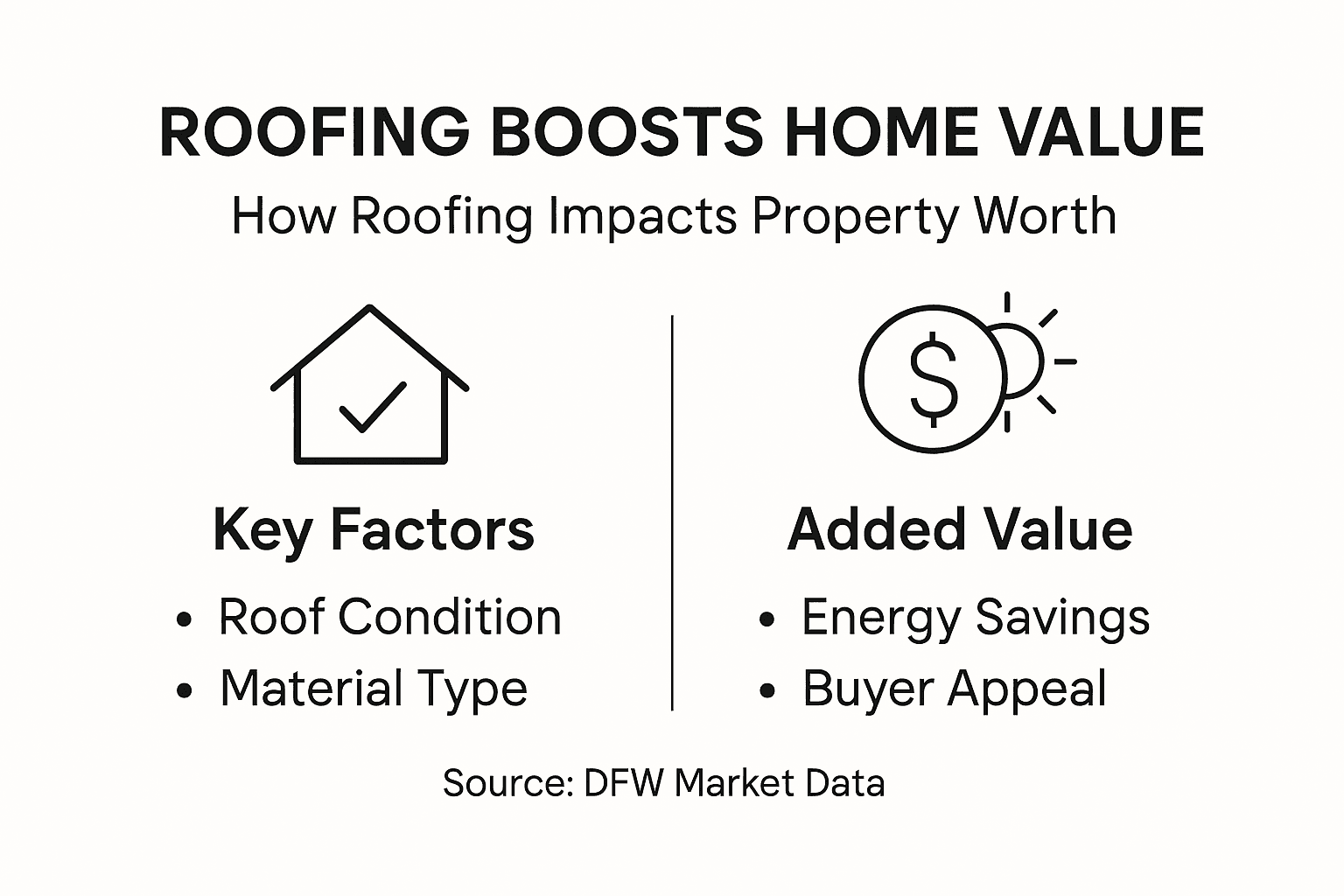
Types of Roofing Materials Compared
Not all roofing materials perform equally, and in the Dallas-Fort Worth market, your choice significantly impacts both immediate costs and long-term property value. The material you select determines durability, maintenance requirements, energy performance, and ultimately how buyers perceive your home. Understanding the practical differences between options helps you make an informed decision that aligns with your budget and value goals.
Asphalt shingles remain the most common choice in North Texas, and for good reason. They’re affordable, relatively easy to install, and last typically 15 to 20 years depending on weather exposure and maintenance. However, asphalt shingles don’t command premium pricing in the resale market. Buyers view them as a baseline expectation rather than a value-add feature. Metal roofing occupies the middle ground, offering superior durability (often lasting 40 to 70 years), excellent energy efficiency due to reflective properties that keep homes cooler in summer heat, and a modern aesthetic that appeals to contemporary buyers. Metal does cost more upfront than asphalt but delivers lower lifecycle costs and genuine property value improvement. Premium materials like slate, clay tile, and architectural shingles sit at the top tier. These materials convey craftsmanship and permanence. Slate roofs can last over a century, while tile offers both durability and distinctive visual character that sets homes apart in competitive neighborhoods.
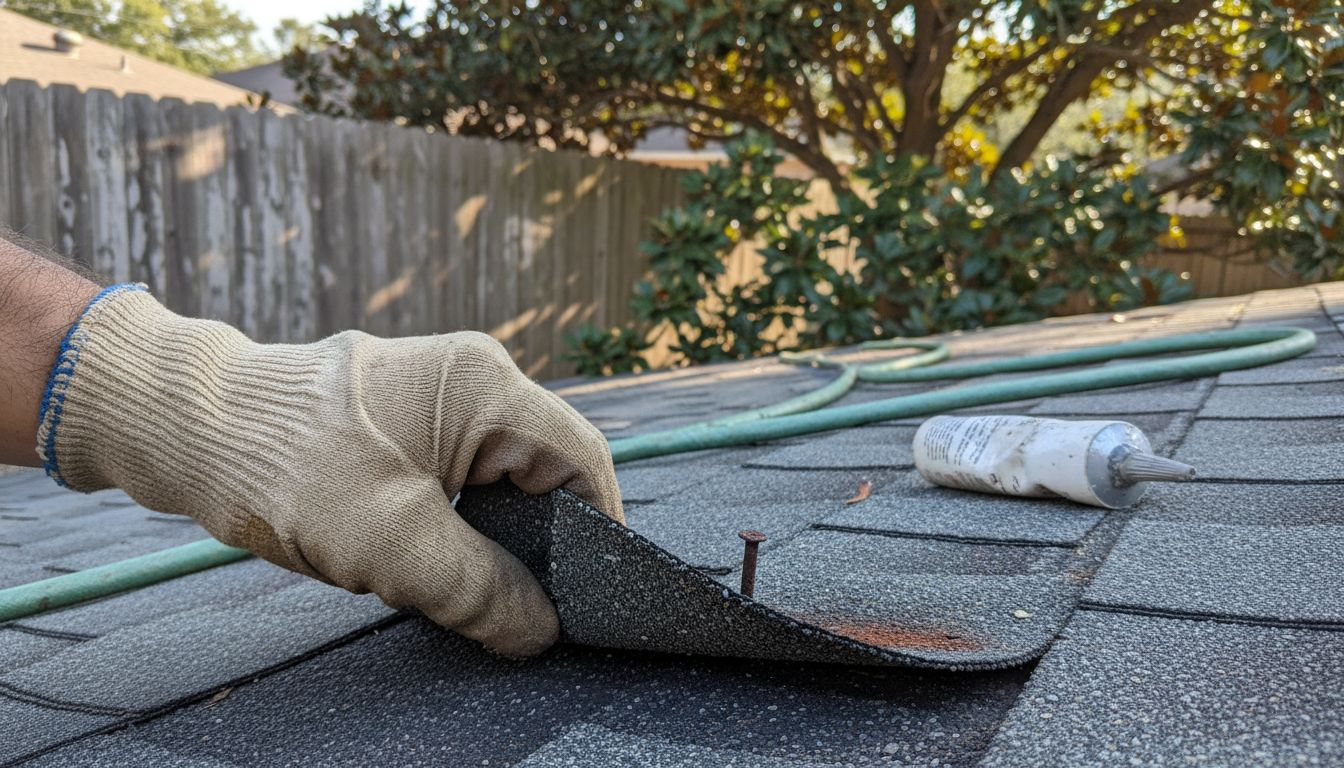
Beyond traditional materials, emerging roofing technologies and their environmental impact are reshaping how property value gets calculated. Green roofs, white roofs designed for reflectivity, solar-integrated roofs, and other innovative systems enhance energy efficiency and sustainability credentials. For Dallas homeowners concerned with cooling costs and environmental responsibility, these technologies represent future-proofing investments. Solar roofs deserve special mention in Texas, where sunshine is abundant. While the upfront investment is substantial, many buyers factor in long-term energy savings and available tax incentives, making solar roofs increasingly competitive from a total value perspective.
The practical reality for DFW homeowners is this: asphalt shingles satisfy basic market requirements, metal roofing delivers strong value return on investment with modern performance, and premium materials justify their cost through durability and buyer perception. Your neighborhood also matters. A slate roof makes sense on a high-end estate in Highland Park but may be overbuilt for a modest home in suburbs farther out. The best material balances what your home’s market segment expects with your budget constraints and how long you plan to stay.
Here’s a concise comparison of roofing materials commonly used in Dallas-Fort Worth and their impact on property value:
| Material Type | Typical Lifespan | Upfront Cost Level | Impact on Resale Value |
|---|---|---|---|
| Asphalt Shingles | 15-20 years | Lowest | Baseline expectation |
| Metal Roofing | 40-70 years | Moderate | Modern value improvement |
| Slate/Clay Tile | 50-100+ years | Highest | Premium, luxury appeal |
| Solar/Green Roofs | 20-40 years | High | Future-ready investment |
Pro tip: Get quotes for at least two different material tiers from qualified contractors, as comparing the total installed cost alongside expected lifespan and resale impact helps you identify the material offering the best return on investment for your specific property and timeline.
Roof Features That Increase Home Value
Not every roof adds equal value to your home. The difference lies in specific features that buyers recognize as investments in quality, longevity, and reduced future maintenance. For Dallas-Fort Worth homeowners, knowing which features matter most helps you prioritize investments that genuinely move the needle on property worth. A roof that simply protects from rain is baseline. A roof designed strategically becomes a value multiplier.
The most obvious value driver is roof condition itself. A newer roof or one recently replaced signals to buyers that a major expense is off their immediate to-do list. This peace of mind translates directly into pricing power. Beyond age, the quality of materials makes a measurable difference. Premium materials like architectural shingles, metal, or slate communicate durability and craftsmanship compared to standard asphalt. However, material alone isn’t the story. Proper installation matters enormously. A well-installed roof with quality flashing, adequate ventilation, and correct underlayment prevents premature failure and moisture problems that can cost tens of thousands to remediate. Buyers (and their inspectors) notice the difference between sloppy and professional work.
Energy efficiency features deserve special emphasis in Texas summers. Roofs with proper insulation and reflective materials reduce cooling costs through improved temperature regulation. Lighter colored roofs or those with reflective coatings keep homes cooler naturally, lowering air conditioning demand. Homebuyers in DFW increasingly factor utility savings into their calculations, making these features tangible value drivers. Beyond traditional approaches, green roofs provide long-term benefits including improved insulation and temperature regulation, though they’re less common in North Texas. What matters most is demonstrating that your roof performs efficiently in the local climate.
Architectural alignment rounds out the value equation. A roof shape and style that complements your home’s design enhances curb appeal and makes the property feel cohesive rather than patched together. A modern metal roof on a contemporary home works. A traditional slate roof on a 1920s craftsman cottage works. Mismatched roofing looks like a budget repair rather than a thoughtful upgrade. When you combine excellent condition, quality materials, proper installation, energy efficiency features, and architectural appropriateness, you’ve created a roof that buyers recognize as a genuine value add. This combination is what separates homes that command premium pricing from those that merely meet minimum market expectations.
Below is a summary of roof features that most strongly increase home value in North Texas:
| Feature | Added Value Explained | Market Impact |
|---|---|---|
| Recent Replacement | Reduces buyer risk | Accelerates negotiations |
| Premium Materials | Signals durability and style | Justifies premium pricing |
| Professional Installation | Ensures longevity and fewer issues | Boosts buyer confidence |
| Energy Efficiency | Lowers cooling costs | Attracts efficiency-focused buyers |
| Architectural Alignment | Harmonizes curb appeal | Enhances perceived quality |
Pro tip: When replacing your roof, request documentation of insulation levels, ventilation specifications, and material warranties to present to future buyers, as this proof of quality installation and performance standards strengthens your home’s value proposition during negotiations.
Cost, ROI, and Insurance Considerations
A roof replacement represents one of the largest home improvement investments you’ll make, often ranging from $8,000 to $25,000 depending on materials and square footage. Before committing to this expense, understanding the financial picture is critical. The real question isn’t just what you’ll spend today, but what you’ll recoup when you sell and how it affects your insurance and financing costs right now. These three angles matter equally when evaluating whether a roof replacement makes financial sense for your situation.
Return on investment varies significantly based on material choice and market conditions. Asphalt shingle replacements typically recover 60 to 70 percent of their cost at resale, while high-quality roofing materials and proper maintenance can yield positive ROI by enhancing durability and efficiency. Metal roofing often recovers 70 to 80 percent, and premium materials like slate or high-end architectural shingles can recover even more in upscale markets. However, ROI depends heavily on your timeline. If you’re selling within two years, the recovery is limited. If you’re staying ten years or longer, the value accumulation compounds through avoided repairs, energy savings, and buyer confidence. In the competitive Dallas-Fort Worth market where buyers scrutinize home condition carefully, a roof that’s clearly near end of life becomes a negotiation liability, often costing you far more in price reduction than the replacement would have cost.
Insurance implications deserve serious attention. Many insurers require roof certification or will deny coverage altogether if your roof exceeds a certain age (often 20 to 25 years). A deteriorating roof increases your premiums significantly or forces you to shop for coverage at unfavorable rates. This hidden cost adds hundreds of dollars annually and isn’t offset by the resale value calculation. Mortgage lenders also scrutinize roof condition before financing. A lender’s appraisal showing roof deficiency can delay closing, reduce approved loan amounts, or trigger required repairs before funding. These financing barriers often cost more in delays and complications than a proactive replacement would have cost. Advanced roofing options like solar installations or green roofs offer varied costs and benefits that impact ROI through energy savings and sustainability incentives, though higher upfront investments require careful analysis of your specific financial timeline and local incentive programs.
The smart approach combines three factors: your time horizon in the home, current roof age and condition, and what your insurance and lender require. A roof at year 18 with minor wear might be fine if you’re staying five more years. That same roof becomes a liability if you’re selling next year or if your insurer has flagged it. Don’t view roof replacement purely as resale investment. Calculate the total cost of ownership, including current insurance increases, potential lender friction, and avoided emergency repairs from premature failure.
Pro tip: Request a professional roof inspection and get a written insurance assessment from your carrier before making replacement decisions, as this documentation provides clarity on actual condition and potential financing impacts rather than relying on guesses or age alone.
Common Roofing Pitfalls to Avoid
Roofing decisions made without careful consideration can cost you thousands in premature repairs, reduced home value, and financing complications. Dallas-Fort Worth homeowners often repeat the same mistakes, thinking they’re saving money in the short term only to face far greater expenses later. Understanding the most common pitfalls helps you make choices that protect your investment rather than undermine it.
The biggest mistake is deferring maintenance until problems become catastrophic. Many homeowners notice minor issues like missing shingles, small leaks, or debris buildup and put them off, thinking they’ll handle it next year. What they don’t realize is that a small leak compounds rapidly, allowing moisture to infiltrate insulation, framing, and interior walls. By the time visible damage appears inside your home, structural damage has often made repairs exponentially more expensive. Regular inspections every few years and prompt attention to minor issues catch problems when they’re still affordable to fix. Another critical error is choosing roofing materials inappropriate for North Texas climate conditions. Our region experiences intense sun, occasional hail, and humidity that varies seasonally. Materials that work well in cooler climates or areas with different weather patterns may deteriorate faster here, compromising both durability and value. This is why understanding local climate considerations matters as much as material cost.
Poor installation undermines everything else. A premium roof installed by inexperienced contractors often fails prematurely due to improper flashing, inadequate ventilation, or incorrect fastening techniques. When inspecting contractor bids, verify licensing, insurance, and references rather than automatically choosing the lowest price. Common roofing pitfalls include poor installation and neglecting roof maintenance, both of which lead to faster degradation and reduced home value. Beyond installation quality, homeowners frequently underestimate project costs and fail to consider long-term benefits. A roof that seems expensive upfront but includes superior energy efficiency and durability often delivers better total value than a cheap roof requiring replacement within ten years. Strategic planning and understanding the full lifecycle cost prevents costly errors that damage property value.
Ignoring financing and insurance implications creates additional pain. Barriers to roof refurbishment such as financial constraints and lack of awareness about long-term benefits prevent homeowners from making optimal decisions. Some wait until problems force their hand, when emergency repairs cost 50 percent more than planned replacement. Others choose inadequate materials to reduce upfront cost, only to face insurance denial or premium increases that erase any savings. Make roofing decisions strategically rather than reactively, and involve your insurance and lender early to understand their requirements.
Pro tip: Document any roof issues photographically and get multiple contractor assessments in writing before problems worsen, as this creates a decision timeline that helps you plan strategically rather than react to emergencies when your options become limited and expensive.
Boost Your Property Value with Expert Roofing Solutions in Dallas-Fort Worth
Understanding how your roof impacts property value is the first step toward smarter home investments. If you are facing challenges like aging roofing, rising insurance costs, or want to enhance energy efficiency in your home, professional roof replacement and remodeling services can make a significant difference. The article explains crucial factors such as material quality, installation standards, and energy-saving features that buyers and lenders prioritize. Don’t let a deteriorating roof undermine your home’s worth or complicate financing and insurance approvals.
AstroTech Construction specializes in delivering high-quality roofing replacements and home renovations that address these challenges directly. With experienced professionals focusing on durable materials and expert installation, your roof can become a strong value multiplier that appeals to today’s buyers and protects your investment. Explore our comprehensive roof replacement and remodeling services designed for the Dallas-Fort Worth area.
Take control of your property’s future now by choosing AstroTech Construction to upgrade your roof with materials and craftsmanship that promise longevity and efficiency. Visit AstroTech Construction to schedule a consultation and learn how to enhance your home’s resale appeal and reduce ongoing costs. Don’t wait for roofing issues to become emergencies. Act today to secure your home’s value and comfort.
Frequently Asked Questions
How does roofing condition affect property value?
A well-maintained roof indicates regular home upkeep and can enhance perceived property value. In contrast, a deteriorating roof can raise concerns for buyers, potentially lowering offers or complicating financing.
What are the different roofing materials and how do they impact resale value?
Common roofing materials include asphalt shingles, metal roofing, and premium options like slate or clay tile. Asphalt shingles offer a lower initial cost but may not significantly add value. In contrast, metal roofing and premium materials can improve marketability and resale value through their durability and aesthetic appeal.
How can energy-efficient roofing features increase home value?
Energy-efficient roofs, including those with proper insulation and reflective coatings, lower cooling costs, making homes more attractive to buyers conscious of energy expenses. These features can also enhance the overall comfort of the home during hot seasons.
What are the financial considerations of replacing a roof?
The cost of roof replacement can vary widely based on materials and size. While asphalt shingles may recover 60-70% of their cost at resale, high-quality materials can yield even better returns. Additionally, a new roof can positively impact insurance rates and mortgage approvals.
Recommended
- Explaining Roofing Terms: Making Sense of Your Quote – Astrotech Construction
- Why Prioritize Exterior Repairs for Property Value – Astrotech Construction
- Roof Replacement Explained: Protecting Your Home – Astrotech Construction
- 7 Examples of Commercial Exterior Upgrades for Curb Appeal – Astrotech Construction