Every Dallas-Fort Worth homeowner knows that protecting your house from harsh Texas storms and soaring summer temperatures starts with choosing the right exterior. Siding installation is more than just a cosmetic upgrade—it provides a robust defense against sun, rain, and extreme weather while shaping the look of your property. Discover how exterior wall cladding combines innovative materials, insulation benefits, and professional craftsmanship to give your home lasting value, comfort, and outstanding curb appeal.
Table of Contents
- Siding Installation Explained: Core Purpose And Benefits
- Types Of Siding Materials And Key Differences
- Step-By-Step Siding Installation Process
- Cost Factors And Financial Implications
- Common Siding Installation Mistakes To Avoid
Key Takeaways
| Point | Details |
|---|---|
| Core Purpose of Siding | Siding installation protects homes from environmental damage, improves insulation, enhances aesthetic appeal, and can increase property value. |
| Material Selection | Homeowners should choose siding materials based on durability, maintenance, energy efficiency, and compatibility with local climates. |
| Installation Process | Professional installation includes careful preparation, aligning panels correctly, and adhering to all manufacturer guidelines to avoid moisture issues. |
| Cost Considerations | Recognize factors such as material type, labor costs, and regional pricing, which can significantly impact the overall cost of siding installation. |
Siding Installation Explained: Core Purpose and Benefits
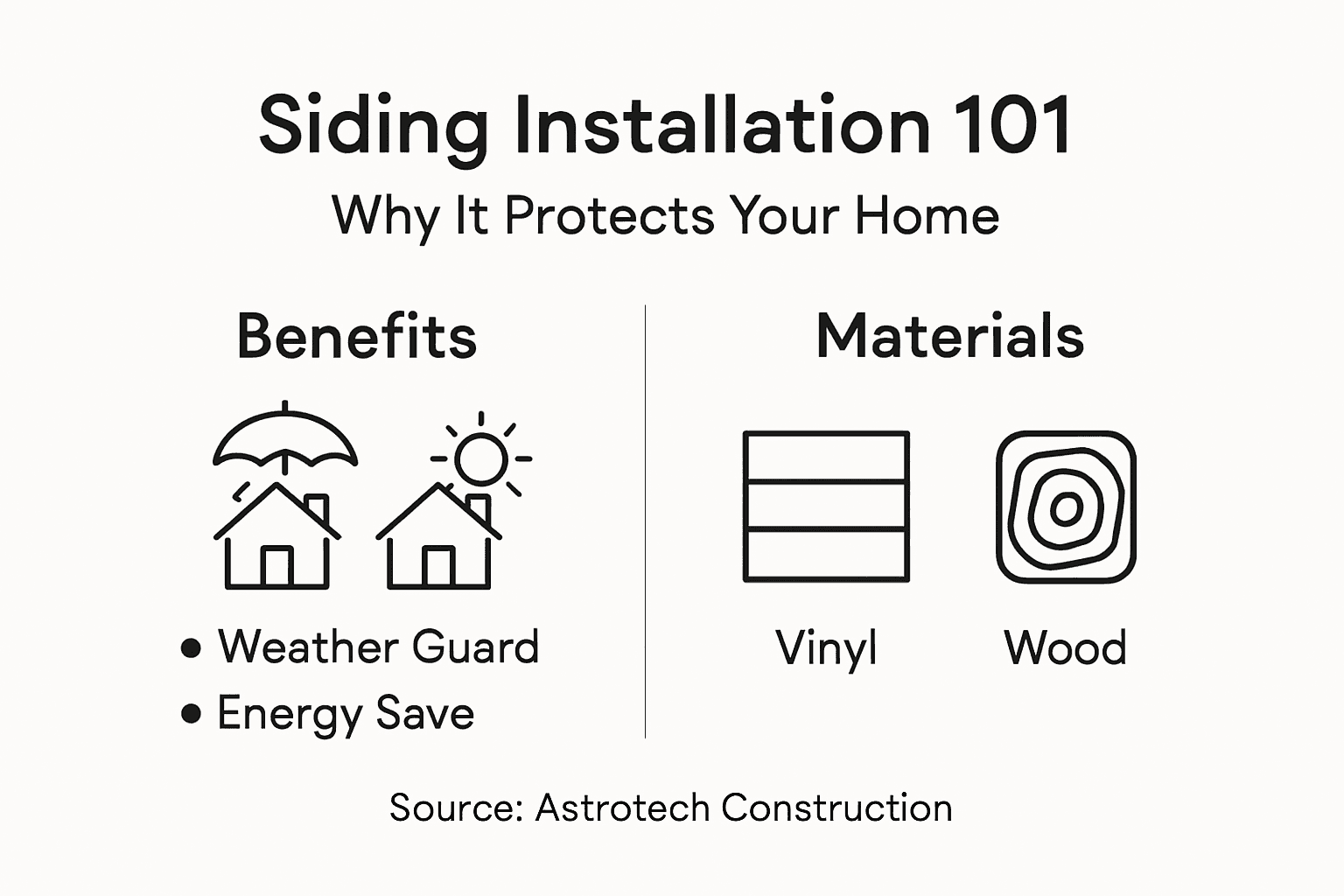
Siding installation represents a critical home improvement project that protects and enhances residential structures. At its core, exterior wall cladding serves as a protective barrier against environmental elements, creating a stable and comfortable interior environment.
The primary purposes of siding installation include:
- Protecting the building structure from weather damage
- Improving home’s thermal insulation
- Enhancing exterior aesthetic appeal
- Increasing property value
Modern siding materials offer remarkable energy-efficient protection that goes beyond traditional defensive functions. By reducing heat transfer and maintaining consistent indoor temperatures, advanced siding technologies help homeowners significantly lower energy consumption and associated utility costs.
Building envelope protection is another crucial aspect of professional siding installation. Wall cladding materials) create a critical defense against sun, rain, snow, heat, and cold – essentially forming the first line of protection for your home’s structural integrity.
The benefits extend far beyond basic weather resistance. Quality siding installation can:
- Prevent moisture intrusion
- Reduce potential structural damage
- Minimize potential for mold and mildew growth
- Improve overall home insulation performance
Pro tip: Always consult professional contractors who understand local climate conditions and can recommend the most appropriate siding materials for your specific residential environment.
Types of Siding Materials and Key Differences
Homeowners have a diverse range of siding material options to choose from, each with unique characteristics and performance attributes. Siding material selection involves carefully evaluating factors like durability, maintenance requirements, aesthetic appeal, and overall cost-effectiveness.
The primary siding materials include:
- Vinyl: Budget-friendly, low maintenance, lightweight
- Wood: Traditional, versatile, aesthetically pleasing
- Fiber Cement: Highly durable, fire-resistant
- Metal: Modern, sleek, long-lasting
- Stucco: Textured, classic southwestern appearance
- Brick: Timeless, extremely durable
Each material presents distinct advantages and challenges. Vinyl siding remains popular due to its affordability and minimal maintenance requirements, while wood offers unparalleled aesthetic versatility but demands more frequent upkeep. Fiber cement represents a robust middle ground, providing exceptional durability and resistance to environmental damage.
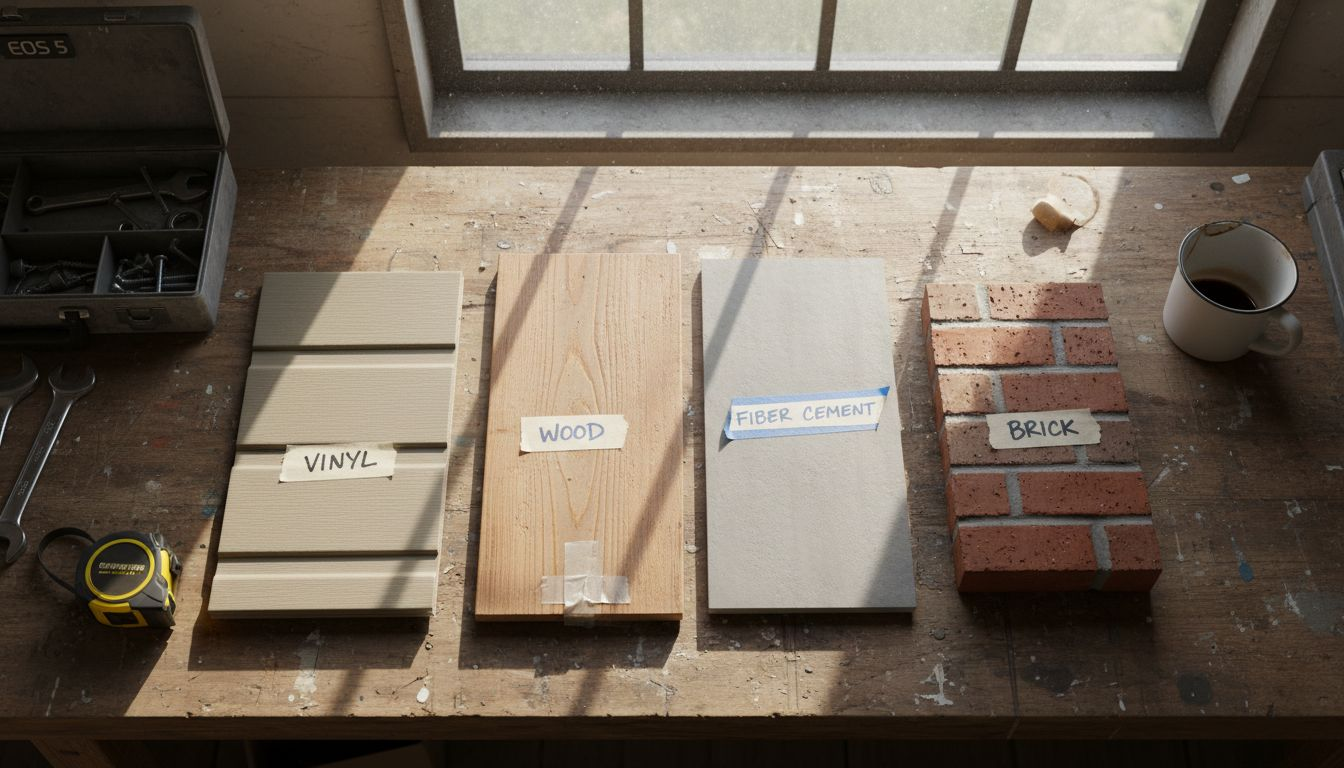
Here’s a side-by-side comparison of common siding materials and their unique attributes:
| Material Type | Durability Level | Maintenance Needs | Energy Efficiency |
|---|---|---|---|
| Vinyl | Moderate | Very low | Moderate |
| Wood | Low to moderate | High | Low |
| Fiber Cement | High | Moderate | High |
| Metal | Very high | Low | Moderate |
| Stucco | Moderate | Moderate | Moderate |
| Brick | Excellent | Very low | High |
Thermal performance and energy efficiency also vary significantly between material types. Some advanced siding options incorporate insulative properties that can help reduce heating and cooling costs, making the initial investment more economically sensible for budget-conscious homeowners.
Key considerations when selecting siding materials include:
- Local climate conditions
- Home’s architectural style
- Budget constraints
- Long-term maintenance expectations
- Energy efficiency requirements
Pro tip: Consult with local professional contractors who understand regional weather patterns and can recommend the most suitable siding material for your specific residential environment.
Step-by-Step Siding Installation Process
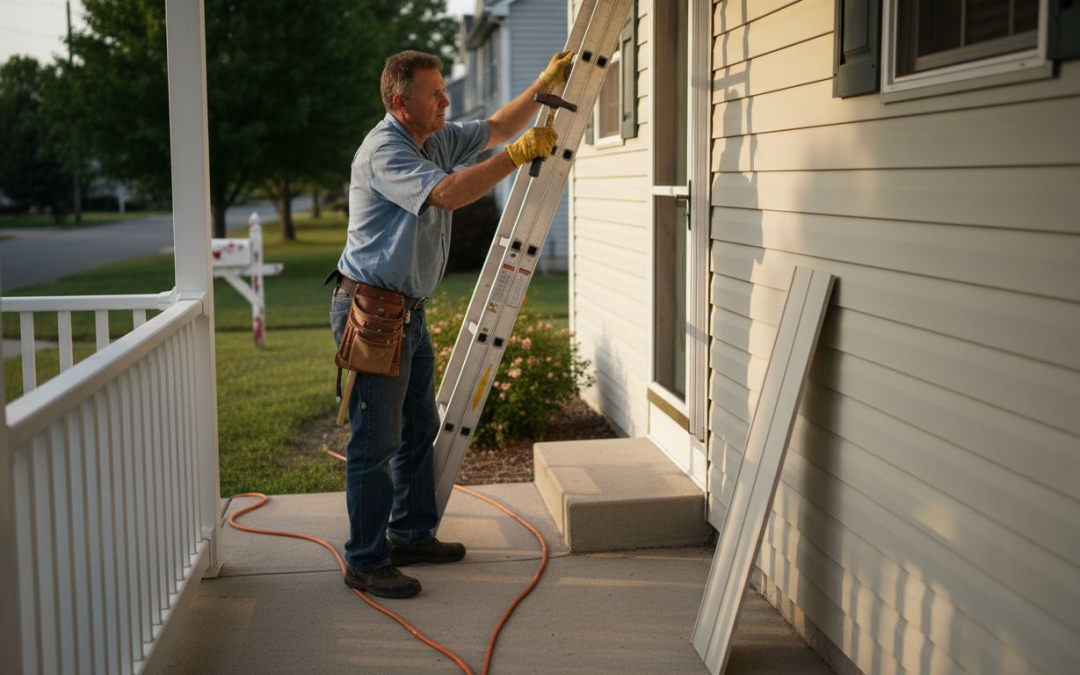
Successful siding installation requires meticulous preparation and precise execution. Professional siding installation techniques demand careful attention to detail and a systematic approach to ensure long-lasting protection and aesthetic appeal.
The comprehensive siding installation process involves several critical stages:
- Initial Site Preparation
- Remove existing siding
- Inspect underlying structure for damage
- Clean and repair wall surface
- Install protective house wrap
- Establishing Base Framework
- Create horizontal reference lines
- Install starter strips
- Ensure proper wall leveling
- Mount vertical support channels
- Siding Panel Installation
- Begin installation from bottom corners
- Maintain consistent spacing
- Use rust-proof fasteners
- Allow for thermal expansion
Professional contractors understand that proper installation techniques extend far beyond simple panel attachment. Precise alignment, appropriate gap management, and strategic fastening are crucial for preventing moisture intrusion and ensuring structural integrity.
Weather resistance depends on meticulous installation techniques. Small details like correct overlap, secure fastening, and maintaining expansion gaps can dramatically impact the siding’s performance and longevity.
Key installation considerations include:
- Precise measurement and cutting
- Proper moisture barrier implementation
- Correct fastener selection
- Understanding material-specific installation requirements
- Maintaining manufacturer warranty conditions
Pro tip: Always document each installation stage with photographs and keep detailed records to support potential future warranty claims and maintenance efforts.
Cost Factors and Financial Implications
Understanding the financial landscape of siding installation requires a comprehensive analysis of multiple interconnected factors. Siding installation cost dynamics involve complex considerations that extend far beyond simple material pricing.
Key cost determinants include:
- Square footage of the home
- Selected siding material
- Labor market conditions
- Architectural complexity
- Regional price variations
- Additional material requirements
Material costs vary dramatically across different options. Vinyl represents the most budget-friendly choice, while fiber cement and metal siding demand higher initial investments. Home exterior renovation expenses typically range from $5,000 to $15,000 depending on specific project parameters.
Comparative material pricing reveals significant variations. Vinyl siding might cost $2-$5 per square foot, whereas fiber cement could range from $5-$10 per square foot. Metal siding represents the premium option, potentially reaching $10-$15 per square foot installed.
Additional financial considerations include:
Below is a summary of major cost factors impacting siding installation projects:
| Cost Factor | Description | Typical Impact |
|---|---|---|
| Material Selection | Choice of siding type | Largest cost driver |
| Labor Market Conditions | Local wages and contractor fees | Can increase budget |
| Architectural Complexity | Design and layout challenges | Affects labor time |
| Regional Price Variation | Nearby supplier and delivery charges | Influences total price |
- Long-term maintenance expenses
- Energy efficiency potential
- Potential property value increase
- Insurance and warranty implications
- Regional climate adaptation costs
Investing in high-quality siding is not an expense, but a strategic financial decision that protects and enhances your property’s value.
Pro tip: Request detailed written estimates from multiple contractors, ensuring they break down material, labor, and additional costs to help you make a fully informed financial decision.
Common Siding Installation Mistakes to Avoid
Professional siding installation demands precision and expertise. Siding installation errors can compromise your home’s structural integrity, leading to costly repairs and potential long-term damage.
The most critical mistakes homeowners and inexperienced contractors frequently make include:
- Improper Material Selection
- Choosing materials incompatible with local climate
- Overlooking maintenance requirements
- Ignoring manufacturer specifications
- Prioritizing cost over quality
- Technical Installation Errors
- Skipping moisture barrier installation
- Incorrect panel sizing and alignment
- Poor fastening techniques
- Inadequate ventilation planning
- Professional Oversight Mistakes
- Hiring unlicensed contractors
- Neglecting comprehensive project assessment
- Failing to obtain necessary permits
- Avoiding detailed written contracts
Moisture management represents a critical aspect of successful siding installation. Improperly installed siding can create water infiltration points, potentially causing significant structural damage and expensive remediation requirements.
Key considerations for avoiding installation mistakes include:
- Carefully reviewing manufacturer guidelines
- Selecting experienced, licensed professionals
- Understanding material-specific installation techniques
- Prioritizing comprehensive moisture protection
- Conducting thorough post-installation inspections
Professional siding installation is an investment in your home’s long-term protection and aesthetic appeal.
Pro tip: Request detailed installation portfolios and verify contractor credentials before committing to any siding project.
Protect Your Home with Expert Siding Installation from Astrotech Construction
Understanding the importance of siding installation is the first step to safeguarding your home from harsh weather and improving energy efficiency. If you are concerned about avoiding common siding mistakes or want to choose the best material to match your Dallas – Fort Worth home’s needs, professional guidance is essential. Astrotech Construction specializes in premium siding installation that ensures precise moisture barriers, correct fastening, and tailored material selection to keep your home safe and beautiful.
Take action today to enhance your property’s protection and value with trusted experts. Visit Astrotech Construction to explore our full range of siding and remodeling services. Don’t let poor installation compromise your investment. Contact us now for a consultation and experience the difference of professional craftsmanship that understands every detail of siding installation.
Frequently Asked Questions
What is the main purpose of siding installation?
Siding installation serves as a protective barrier for homes, shielding the building structure from weather damage while also improving insulation, enhancing aesthetic appeal, and increasing property value.
What are the most common types of siding materials?
Common siding materials include vinyl, wood, fiber cement, metal, stucco, and brick, each offering unique advantages and maintenance requirements.
How does siding affect energy efficiency?
Modern siding materials can enhance energy efficiency by reducing heat transfer and maintaining consistent indoor temperatures, which can significantly lower energy consumption and utility costs.
What are the key factors to consider when choosing siding materials?
When selecting siding materials, homeowners should consider local climate conditions, architectural style, budget constraints, long-term maintenance needs, and energy efficiency requirements.
Recommended
- What Is Siding Repair and Why It Matters – Astrotech Construction
- Siding Replacement: Protecting and Upgrading Your Home – Astrotech Construction
- Siding Replacement Step by Step for Lasting Results – Astrotech Construction
- Siding Contractor in Colleyville Southlake Trophy Club Bedford TX
- Industrial Coating Terminology: Keys for Asset Longevity