
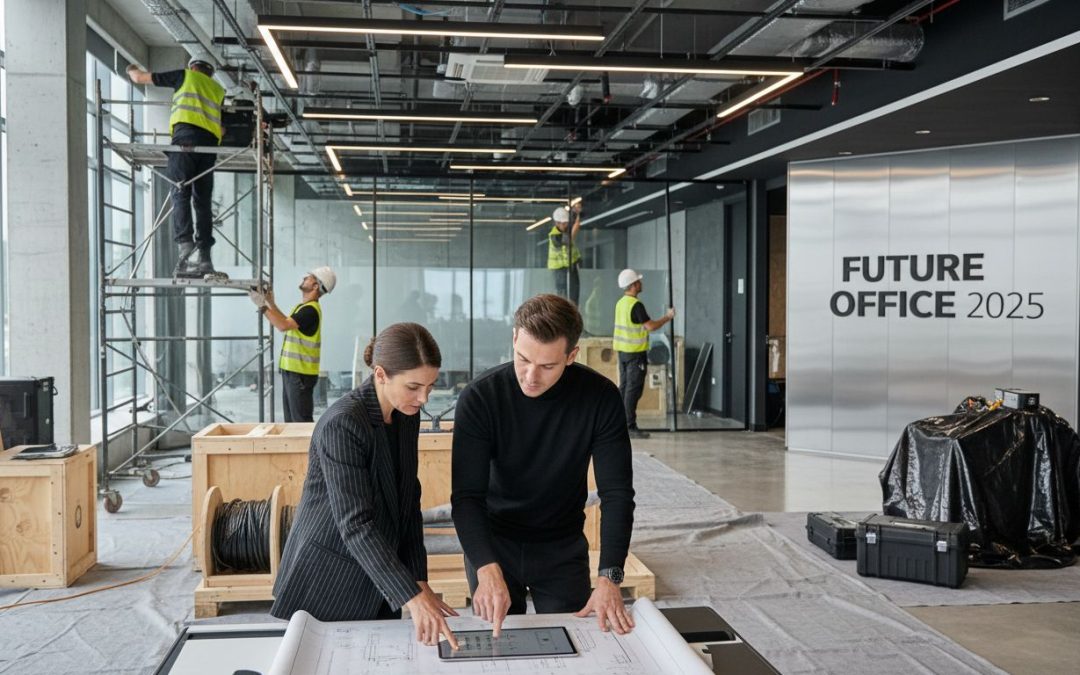
Did you know that over 70 percent of commercial properties in the United States undergo renovation every decade? As business needs evolve, companies are rethinking how their spaces function, look, and support productivity. Modern commercial renovation is not just about fresh paint or new layouts, but transforms entire structures with smart technology and energy-efficient upgrades. Understanding this shift helps property owners create work environments that keep pace with demand and deliver long-term value.
Table of Contents
- What Commercial Renovation Means Today
- Types of Commercial Renovation Projects
- Step-by-Step Commercial Renovation Process
- Legal, Safety, And Code Compliance Essentials
- Budgeting, Costs, And Common Pitfalls
Key Takeaways
| Point | Details |
|---|---|
| Comprehensive Renovation | Commercial renovation involves significant structural modifications, focusing on both aesthetics and functionality to enhance long-term property value. |
| Modern Approaches | Incorporating smart technology and sustainable design is crucial, making spaces more adaptable to business needs and improving operational efficiency. |
| Planning and Compliance | Thorough planning, budget allocation, and adherence to legal and safety regulations are essential for successful renovation projects. |
| Mitigating Risks | Understanding potential pitfalls, such as budget overruns and delays, and maintaining transparent communication with contractors can help manage financial risks. |
What Commercial Renovation Means Today
Commercial renovation is a comprehensive process of transforming and upgrading existing commercial spaces to enhance functionality, aesthetic appeal, and operational efficiency. Structural modifications are at the heart of this transformation, involving significant changes that go beyond simple cosmetic updates. According to the U.S. Environmental Protection Agency, renovation encompasses activities that modify existing structures, including repairs, remodeling, maintenance, and modernization projects.
The legal definition of commercial renovation is quite specific. As defined by 45 CFR § 98.2, a major renovation involves substantial structural changes that impact a facility’s core elements. These might include modifications to the foundation, roof, floor, exterior walls, or load-bearing structures that fundamentally alter the building’s purpose and functionality. Such comprehensive renovations aren’t just about aesthetic improvements but represent strategic investments in a property’s long-term value and usability.
Today’s commercial renovation landscape goes beyond traditional remodeling. Modern approaches integrate smart technology, energy efficiency, and adaptive design principles. Businesses are increasingly viewing renovations as opportunities to create more flexible, sustainable workspaces that can evolve with changing organizational needs. This might involve creating open-concept layouts, implementing advanced technological infrastructures, or redesigning spaces to support hybrid work models.
For property owners considering renovation, understanding these nuanced approaches is crucial.
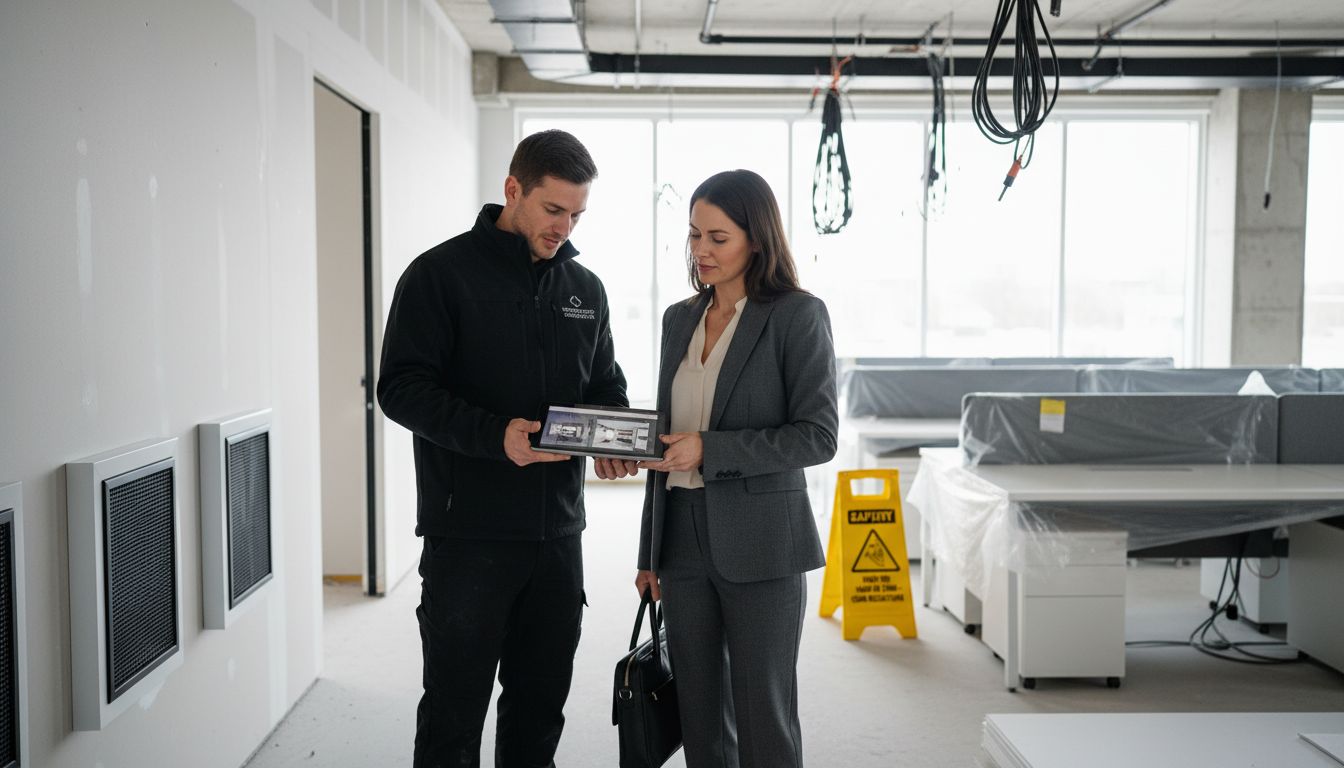 7 Smart Commercial Renovation Ideas for Modern Spaces can provide deeper insights into strategic renovation planning that balances aesthetic, functional, and economic considerations.
Types of Commercial Renovation Projects
Commercial renovation encompasses a diverse range of project types designed to transform and optimize business spaces. According to research from Capital Improvement Organization, these projects typically focus on three primary areas: system modernization, spatial reconfiguration, and technological enhancement.
Here’s a summary of the main types of commercial renovation projects discussed:
| Type of Renovation | Key Objectives | Common Activities |
|---|---|---|
| System Modernization | Improve efficiency Reduce costs |
HVAC upgrades Electrical/plumbing updates |
| Spatial Reconfiguration | Boost productivity Enhance flow |
Redesign layout Optimize work/customer spaces |
| Technological Enhancement | Support modern needs Increase flexibility |
Smart technology Upgrade IT infrastructure |
System Modernization represents a critical renovation approach. This involves upgrading core infrastructure like HVAC, electrical systems, and plumbing to improve energy efficiency and operational performance. Businesses invest in these renovations to reduce long-term operational costs, enhance sustainability, and meet increasingly stringent building code requirements.
Layout and flow renovations are another significant category of commercial projects. These involve reconfiguuring spaces to optimize customer interactions, improve workplace productivity, and create more functional environments. Industrial facilities might redesign workstations for better safety, while retail spaces could be transformed to enhance customer experience and shopping flow.
Technological integration has become a cornerstone of modern commercial renovations. This includes implementing smart building technologies, upgrading technological infrastructures, and creating flexible workspaces that support evolving business needs. For property owners looking to understand cost implications of such comprehensive renovations, our guide to estimating remodeling costs provides detailed insights into budgeting and planning these complex transformation projects.
Step-by-Step Commercial Renovation Process
Commercial renovation is a complex journey that requires meticulous planning and execution. According to research from Atlantic Coast Business Organization, the process typically unfolds through several critical stages designed to transform business spaces efficiently and effectively.
Planning and Design Phase is the critical initial stage. This involves comprehensive consultations to understand business objectives, space requirements, and potential challenges. Key activities include:
- Conducting detailed site assessments
- Developing initial design concepts
- Creating preliminary budget estimates
- Identifying potential regulatory compliance requirements
The Execution Stage represents the most intensive phase of commercial renovation. This involves multiple interconnected steps including materials procurement, infrastructural repairs, and actual construction work. Contractors will typically manage demolition, structural modifications, system upgrades, and systematic reconstruction to minimize business disruption.
Final stages focus on project completion and quality assurance. These involve thorough inspections, debris removal, finishing touches, and ensuring all renovations meet initial project specifications. For property owners seeking guidance on navigating contractor selection during this complex process, our guide on hiring a renovation contractor provides comprehensive insights into selecting the right professional for your commercial renovation project.
Legal, Safety, and Code Compliance Essentials
Commercial renovation projects are governed by a complex web of legal requirements and safety standards that protect both property owners and occupants. Regulatory compliance is not just a recommendation, but a critical necessity that encompasses environmental, structural, and operational safety considerations.
The Environmental Protection Agency plays a pivotal role in establishing renovation standards. According to the EPA’s Lead Renovation, Repair, and Painting Rule, any renovation activities that disturb painted surfaces must adhere to specific safety protocols. Key compliance requirements include:
- Proper handling of potentially hazardous materials
- Implementing dust containment strategies
- Ensuring worker and occupant protection
- Documenting renovation processes and material treatments
Building Code Regulations represent another crucial aspect of commercial renovation compliance. Local jurisdictions often have specific requirements that address energy efficiency, structural integrity, and sustainability. For instance, some cities mandate green building standards that go beyond traditional construction guidelines, requiring renovations to meet increasingly stringent environmental performance metrics.
Navigating these complex legal landscapes requires expertise and careful planning. Property owners looking to understand the intricacies of renovation compliance can benefit from our guide on hiring a renovation contractor, which provides insights into selecting professionals who understand and implement rigorous safety and legal standards.
Budgeting, Costs, and Common Pitfalls
Budgeting for a commercial renovation requires strategic planning and a comprehensive understanding of potential financial challenges. According to research from the Atlantic Coast Business Organization, successful renovation projects hinge on setting realistic budgets and maintaining transparent communication with contractors.
Budget Allocation Strategies are critical for managing renovation expenses. Recommended approaches include:
- Creating a detailed project scope
- Establishing a contingency fund (typically 10-15% of total budget)
- Prioritizing essential renovations
- Getting multiple contractor estimates
- Tracking expenses meticulously
Common renovation pitfalls can derail even the most carefully planned projects. Research from Capital Improvement Organization highlights that unforeseen delays and budget overruns are frequent challenges. Unexpected expenses might arise from structural issues, material price fluctuations, or complex regulatory compliance requirements that were not initially anticipated.
To mitigate financial risks, property owners should approach renovation with a proactive mindset. Our comprehensive guide to estimating remodeling costs provides in-depth strategies for creating accurate budget projections and managing potential financial uncertainties throughout the renovation process.
Transform Your Commercial Space with Confidence Today
Navigating the complexities of commercial renovation can feel overwhelming, especially when faced with challenges like structural modifications, system modernization, and strict legal compliance. This essential guide for 2025 highlights the importance of strategic planning and expert execution to achieve not only a refreshed look but also lasting functional improvements. If enhancing your business environment without costly surprises is your goal, it is crucial to partner with a construction team that understands these pain points and can deliver tailored solutions.
Take the first step toward a seamless commercial renovation by exploring the trusted services at AstroTech Construction. Whether you are considering smart technological upgrades or comprehensive remodeling, our experienced professionals prioritize quality assurance and clear communication every step of the way. Don’t wait for costly delays or regulatory headaches. Reach out now to schedule a consultation and get expert guidance on how to turn your renovation vision into reality with confidence. Learn more about how to hire a renovation contractor or start planning your project today at AstroTech Construction.
Frequently Asked Questions
What does commercial renovation involve?
Commercial renovation is the process of transforming and upgrading existing commercial spaces to improve functionality, aesthetics, and operational efficiency. It often includes structural modifications, as well as system modernization, spatial reconfiguration, and technological enhancements.
What are the key types of commercial renovation projects?
The primary types of commercial renovation projects include system modernization (upgrading HVAC, electrical systems), spatial reconfiguration (redesigning layouts for improved flow), and technological enhancement (integrating smart technologies and IT infrastructure).
What steps are involved in the commercial renovation process?
The commercial renovation process typically unfolds in several stages: planning and design, execution, and project completion. Each phase includes specific tasks such as site assessments, materials procurement, construction, and quality assurance inspections.
What should I consider when budgeting for a commercial renovation?
When budgeting for a commercial renovation, consider creating a detailed project scope, allocating a contingency fund (10-15% of total budget), prioritizing essential renovations, obtaining multiple contractor estimates, and tracking expenses closely.
Recommended
- 7 Smart Commercial Renovation Ideas for Modern Spaces – Astrotech Construction
- What Is Exterior Remodeling? Complete Overview 2024 – Astrotech Construction
- Defining Home Improvement: Complete Guide – Astrotech Construction
- 7 Steps to a Successful Bathroom Remodel Checklist for DFW Homes – Astrotech Construction
- How to Design Building Signage: A 2025 Guide for London Businesses – PromoSigns.co.uk
- 7 Essential Types of Commercial Cleaning for Every Space – Professional Cleaning