
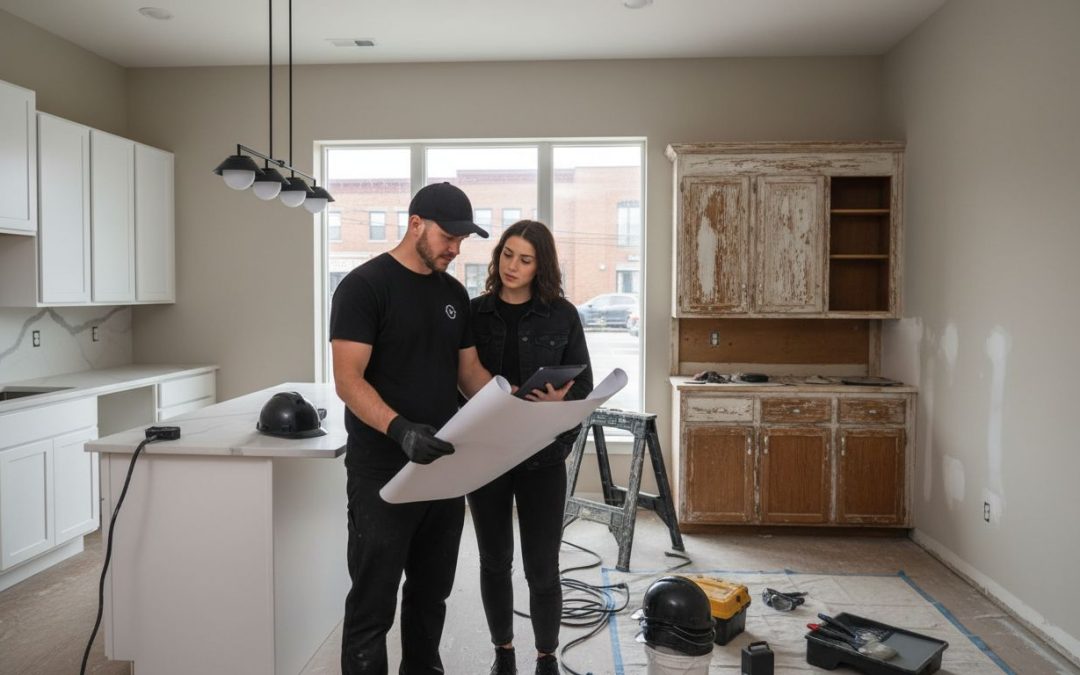
Most people are surprised to learn that nearly 60 percent of homeowners cannot clearly define the difference between renovation and remodeling. Knowing what sets these two concepts apart can save you from costly mistakes and disappointing results. Whether you want to refresh your space or completely transform it, understanding these terms helps you choose the best path for your project.
Table of Contents
- Defining Renovation and Remodeling Concepts
- Key Differences Between Renovation and Remodeling
- Types of Property Upgrades and Use Cases
- Legal, Permitting, and Safety Factors
- Cost, Timeline, and Common Pitfalls
Key Takeaways
| Point | Details |
|---|---|
| Renovation vs. Remodeling | Renovation restores spaces while preserving original designs, whereas remodeling significantly alters structure and function. |
| Types of Remodeling | Home improvements can be categorized into whole house remodeling or room-specific remodeling, each serving unique goals. |
| Legal and Safety Requirements | Remodeling projects require specific permits and adherence to building codes to ensure safety and compliance. |
| Budget and Timeline Management | Successful projects require contingency budgeting and realistic timelines to accommodate potential challenges. |
Defining Renovation and Remodeling Concepts
Homeowners often use the terms “renovation” and “remodeling” interchangeably, but these home improvement approaches have distinct meanings and implications. According to facilitate.org, renovation specifically refers to restoring a space to good condition by updating or repairing existing structures without changing their fundamental purpose.
A renovation typically focuses on cosmetic or surface-level improvements that refresh and revitalize a space. Common renovation projects include repainting walls, replacing worn flooring, updating fixtures, or refinishing existing surfaces. These projects aim to restore an area’s original appearance and functionality while maintaining its core structural integrity and original design intent.
In contrast, remodeling involves more comprehensive changes that fundamentally alter a space’s structure, layout, or purpose. As facilitate.org explains, remodeling means changing a room or home’s configuration to improve functionality and aesthetics. This might include:
- Adding new rooms or expanding existing spaces
- Completely restructuring floor plans
- Removing or relocating walls
- Transforming a room’s fundamental purpose (like converting a garage into a living space)
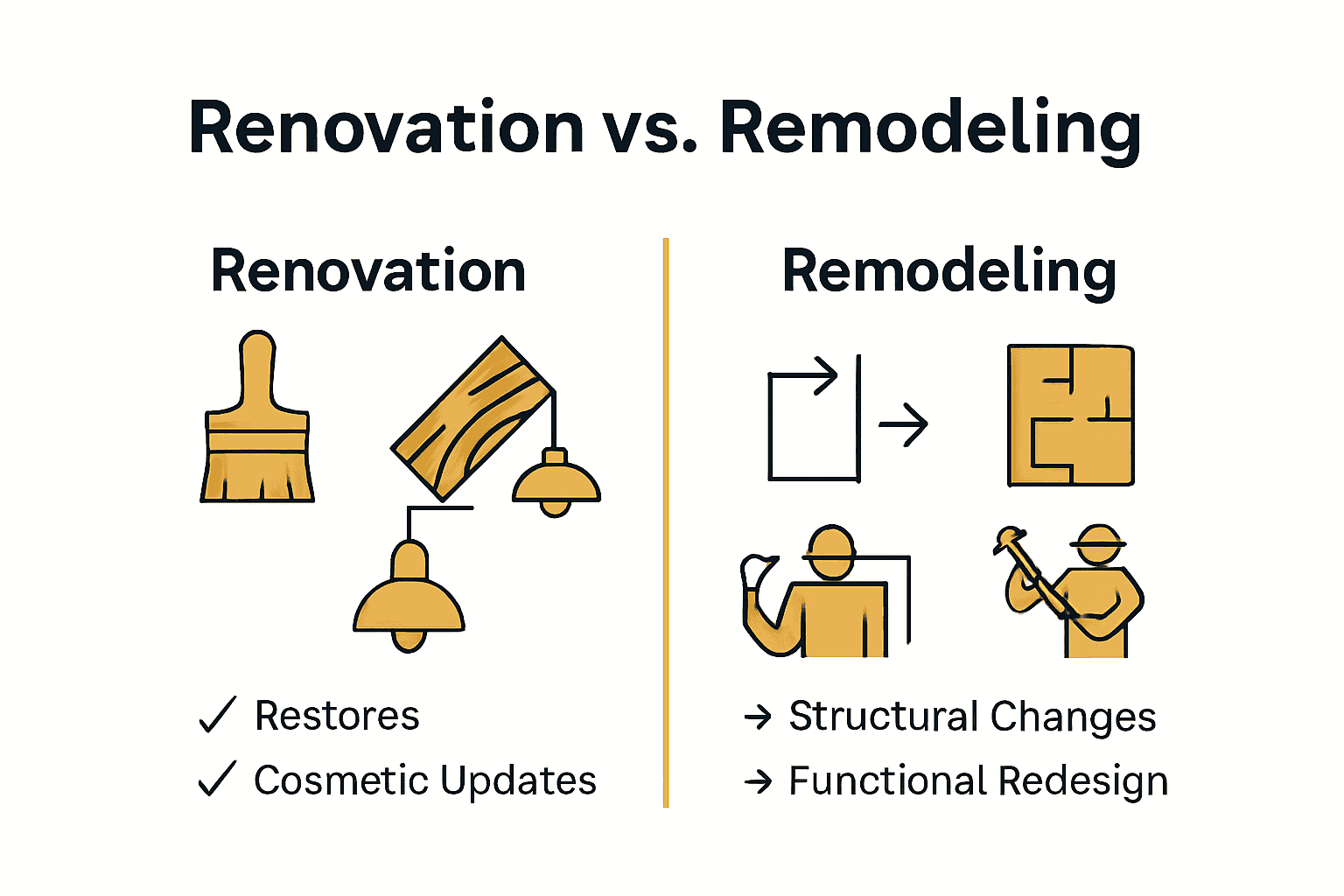
The key difference lies in the scope of transformation.
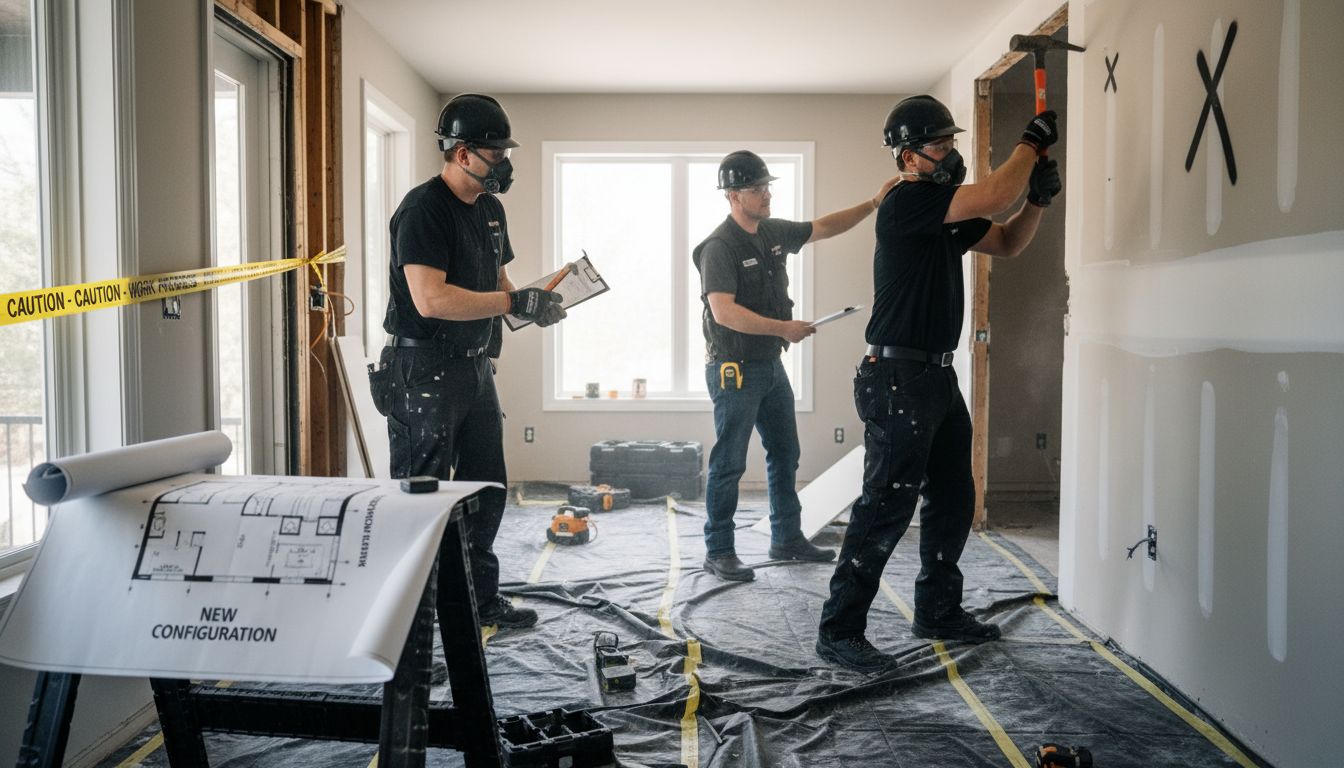 Renovation preserves the original design while refreshing its appearance, whereas remodeling creates a substantially new environment with significant structural modifications. Complete Guide to Full Home Renovation Process can provide more detailed insights into planning these types of home improvement projects.
Key Differences Between Renovation and Remodeling
Understanding the nuanced differences between renovation and remodeling is crucial for homeowners planning home improvement projects. According to awci.org, renovation fundamentally aims to improve an existing building by making it new while preserving its original floor plan and architectural features.
Renovation typically involves strategic updates that maintain the core structure and character of a space. This might include replacing outdated materials, repainting walls, upgrading fixtures, or addressing functional maintenance issues. The primary goal is restoration and enhancement without dramatically changing the underlying design. As architecturecourses.org notes, renovation focuses on restoring or updating existing structures, such as fixing leaks or refreshing aesthetic elements.
In contrast, remodeling represents a more comprehensive transformation. Remodeling goes beyond surface-level improvements to fundamentally alter a space’s structure, layout, and potential functionality. This approach involves more significant modifications like:
- Removing or adding walls
- Completely changing room configurations
- Transforming a room’s intended purpose
- Expanding living spaces
- Modernizing architectural design
The key distinction lies in scope and intent. How to Plan a Home Remodel Successfully highlights that remodeling is about reimagining spaces, while renovation maintains the original architectural vision with strategic upgrades.
Each approach serves different homeowner goals, whether preserving historical integrity or creating entirely new living environments.
Types of Property Upgrades and Use Cases
Homeowners and property owners have multiple strategic approaches to improving their spaces, each tailored to specific goals and circumstances. According to architecturecourses.org, remodeling can be categorized into two primary types: whole house remodeling and room-specific remodeling, each serving distinct purposes in property enhancement.
Whole House Remodeling represents a comprehensive transformation involving multiple areas of a property. This approach is ideal for properties requiring extensive updates or those needing a complete lifestyle adaptation. Homeowners typically choose whole house remodeling when seeking to:
- Modernize an outdated property
- Improve overall energy efficiency
- Create a more functional living environment
- Increase property market value
- Accommodate changing family needs
In contrast, room-specific remodeling focuses on targeted improvements to individual spaces like kitchens, bathrooms, or living areas. As pmc.org explains, these upgrades often involve adapting spaces to contemporary standards while maintaining the building’s core structural integrity.
Additionally, property owners have nuanced upgrade options beyond traditional remodeling. Retrofit projects, for instance, involve adding new technologies or systems to improve performance and meet current standards. Complete Guide to Why Renovate Your Home can provide more insights into selecting the most appropriate upgrade strategy for your specific property needs.
Legal, Permitting, and Safety Factors
Navigating the legal landscape of home improvements requires careful attention to municipal regulations and safety standards. According to smallbusinessmagazine.org, remodeling projects are subject to specific permitting requirements that vary significantly depending on the scope and nature of the proposed changes.
Permit Requirements play a critical role in ensuring construction meets local building codes and safety standards. Different types of projects demand distinct levels of regulatory oversight:
- Minor renovations might require simple administrative approvals
- Structural changes typically need comprehensive engineering reviews
- Electrical, plumbing, and mechanical upgrades require specialized inspections
- Zoning restrictions can limit project scope, especially for property expansions
Safety considerations extend beyond initial permitting. Homeowners must ensure that all modifications comply with current building codes, which are designed to protect structural integrity and occupant well-being. Remodeling Consultation Services can help navigate these complex regulatory requirements, ensuring that your project meets all legal and safety standards while avoiding potential costly violations or future complications.
Cost, Timeline, and Common Pitfalls
Home improvement projects require careful financial and logistical planning to ensure successful outcomes. According to sec.gov, project timelines can vary dramatically, with major renovations potentially lasting between 3 to 6 months, while smaller spaces might be completed within 1 to 2 months.
Budget Considerations play a crucial role in project management. Homeowners should anticipate potential unexpected expenses by:
- Setting aside a 15-20% contingency fund
- Getting multiple detailed estimates
- Understanding potential hidden costs
- Prioritizing critical improvements
- Tracking expenses meticulously
Common pitfalls can derail even the most well-planned projects. Remodeling Consultation Services highlights that project constraints often emerge from existing structural limitations and building codes. As calmac.org notes, building professionals frequently encounter unexpected challenges related to siting, footprint, and surrounding environmental considerations that can significantly impact project scope and feasibility.
Transform Your Vision Into Reality With Expert Renovation and Remodeling
Choosing between renovation and remodeling can feel overwhelming when planning your home improvement project. Whether you want to restore your space to its original charm with a renovation or completely reimagine your layout through remodeling, understanding the differences is crucial for achieving your dream home. Key challenges include balancing budget, navigating permits, and ensuring the changes align with your goals without unexpected delays or costs.
At Astrotech Construction, we specialize in turning these complex decisions into smooth, stress-free experiences. Our team offers comprehensive solutions for everything from full home remodeling to targeted kitchen and bathroom upgrades. We are committed to quality assurance and unmatched service that respects your vision while managing every detail. Discover how our Complete Guide to Full Home Renovation Process and How to Plan a Home Remodel Successfully can help you make informed choices crafted specifically for Dallas – Fort Worth homeowners.
Looking to start your project with confidence?
Explore how our expert team can navigate every step from permits to finishes so you avoid common pitfalls and see your dream home come to life. Visit https://astrotechconstruction.com now and schedule your consultation. The perfect balance between renovation and remodeling awaits to enhance your living space today.
Frequently Asked Questions
What is the key difference between renovation and remodeling?
Renovation focuses on restoring or updating existing structures without altering their fundamental purpose, while remodeling involves comprehensive changes that fundamentally alter a space’s structure or layout.
When should I consider a renovation instead of a remodeling project?
Consider a renovation when you want to refresh the appearance and functionality of a space without changing its core structure, such as repainting or upgrading fixtures.
What are common examples of remodeling projects?
Common remodeling projects include adding new rooms, completely changing floor plans, relocating walls, or changing the purpose of a room, such as converting a garage into a living space.
How do legal and permitting factors affect renovation and remodeling projects?
Legal and permitting factors ensure that construction meets local building codes and safety standards. Remodeling projects often require specific permits, especially when making structural changes or significant modifications.
Recommended
- Complete Guide to Why Renovate Your Home – Astrotech Construction
- Role of Design in Renovations: Complete Guide – Astrotech Construction
- Complete Guide to Remodeling Consultation Services – Astrotech Construction
- Complete Guide to Full Home Renovation Process – Astrotech Construction
- Pest Control During Renovations – Pest Control Van Alstyne, TX – Pestico Pest Control