

Over 60 percent of American homeowners admit to feeling confused by renovation permit rules. Every renovation project carries more than just the excitement of change—it brings a complex maze of paperwork and local codes that safeguard both property and community. Understanding how these permits work protects investments, avoids costly mistakes, and helps homeowners move forward with confidence instead of stress.
Table of Contents
- What Renovation Permits Are And Why They Matter
- Key Types Of Renovation Permits In Dallas-Fort Worth
- Renovation Permit Process And Required Documentation
- Legal Regulations And Compliance For Permitting
- Costs, Risks, And Common Mistakes To Avoid
Key Takeaways
| Point | Details |
|---|---|
| Understanding Renovation Permits | Renovation permits are essential for legal modifications to properties, ensuring compliance with safety and zoning regulations, which protect investments. |
| Types of Permits in Dallas-Fort Worth | Key permits include Structural Modification, Mechanical System, and Exterior Renovation permits, necessary for significant home improvement projects. |
| Permit Application Process | A thorough understanding of required documentation and local regulations is crucial for the successful approval of renovation permits. |
| Costs and Risks | Homeowners must plan for permit-related expenses and avoid common mistakes to prevent legal penalties and unexpected costs during renovations. |
What Renovation Permits Are and Why They Matter
A renovation permit represents official authorization from local government agencies allowing property owners to legally modify, upgrade, or reconstruct residential and commercial spaces. Understanding these critical documents helps homeowners navigate complex regulatory requirements and protect their investments.
Local municipalities mandate building permits to ensure construction projects meet established safety standards, zoning regulations, and structural integrity codes. Without proper permitting, property owners risk significant financial and legal consequences, including potential fines, mandatory demolition of unpermitted work, and challenges during property sales.
Renovation permits serve multiple essential functions beyond mere bureaucratic compliance. They protect homeowners by:
- Verifying that structural modifications adhere to current building codes
- Ensuring work meets professional safety and quality standards
- Documenting improvements for future property valuation
- Preventing potential insurance claim complications
- Maintaining neighborhood aesthetic and infrastructural consistency
Savvy homeowners recognize that obtaining the right renovation permits is not just a legal requirement but a strategic investment in their property’s long-term value and safety. By working with experienced professionals who understand local regulatory landscapes, property owners can streamline the permitting process and focus on transforming their spaces with confidence.
Key Types of Renovation Permits in Dallas-Fort Worth
In the Dallas-Fort Worth metropolitan area, property owners must navigate several distinct renovation permit categories to ensure legal compliance and successful home improvement projects. Understanding these permit types is crucial for homeowners planning structural changes, system upgrades, or significant property modifications.
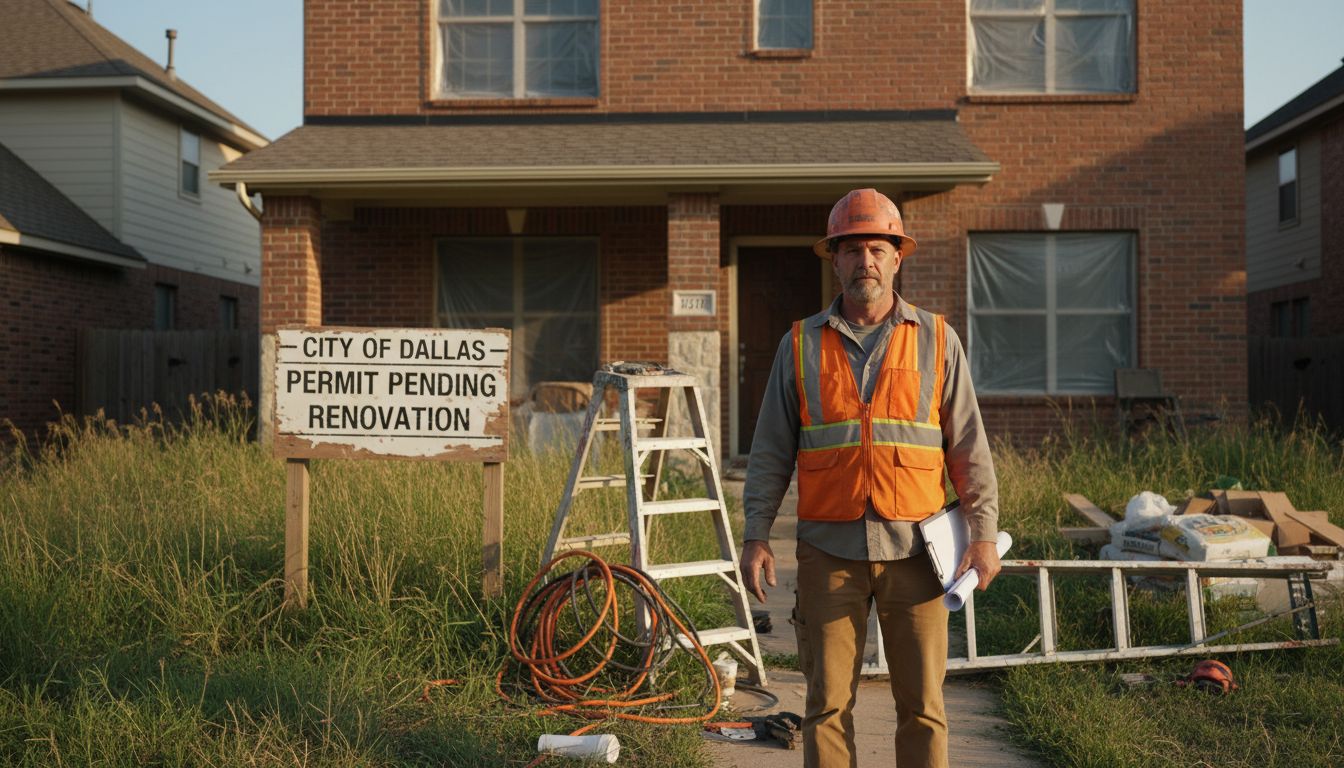
The local regulatory framework typically requires separate permits for different aspects of home renovation. Residential renovation permits generally fall into specific categories that address various types of construction and modification work. According to Fort Worth municipal guidelines, permits become mandatory when projects involve structural changes, system replacements, or modifications that impact the building’s core infrastructure.
Key renovation permit types in the Dallas-Fort Worth area include:
-
Structural Modification Permits
- Foundation alterations
- Wall removal or addition
- Roof modifications
- Load-bearing wall changes
-
Mechanical System Permits
- HVAC replacements
- Electrical system upgrades
- Plumbing system modifications
- Major appliance installations
-
Exterior Renovation Permits
- Deck construction
- Fence installation
- Garage additions
- Significant landscaping changes
It’s important to note that not all home improvement projects require permits. Cosmetic updates like painting, wallpapering, or replacing flooring typically do not need official documentation. However, homeowners should always consult local building authorities to confirm specific requirements, as regulations can vary depending on the scope and nature of the renovation project.
Renovation Permit Process and Required Documentation
Navigating the renovation permit application process requires careful preparation and attention to detail. Homeowners must compile a comprehensive set of documents and follow specific submission guidelines to ensure smooth approval from local building authorities.
In Fort Worth, the residential building permit process involves several critical steps. Permit applications demand meticulous documentation, including detailed construction plans, site surveys, and comprehensive project specifications. Applicants must submit a complete set of architectural drawings, a certified property plat, and a precise site plan that clearly demonstrates the proposed renovation’s scope and compliance with local building codes.
Key documentation required for renovation permit applications typically includes:
-
Architectural Plans
- Detailed structural drawings
- Floor plan modifications
- Elevation sketches
- Material specifications
-
Property Documentation
- Certified property survey
- Current property deed
- Zoning compliance verification
- Property tax records
-
Project Specific Documents
- Contractor licenses
- Proof of insurance
- Detailed cost estimates
- Engineering calculations
Successful permit applications demand thorough preparation and a comprehensive understanding of local regulatory requirements. Homeowners should anticipate potential review periods, which can range from several days to several weeks depending on the project’s complexity. Professional guidance from experienced contractors can significantly streamline the documentation process and increase the likelihood of first-time permit approval.
Legal Regulations and Compliance for Permitting
The complex landscape of renovation permit regulations requires homeowners to carefully navigate legal compliance requirements with precision and thorough understanding. Municipalities enforce strict guidelines to ensure construction projects meet safety standards, zoning restrictions, and structural integrity benchmarks.
Building code compliance represents a critical component of the permitting process, encompassing multiple layers of regulatory oversight. Local governments establish comprehensive frameworks that dictate everything from structural modifications to electrical and plumbing system upgrades. These regulations protect property owners, neighboring residents, and the broader community by maintaining consistent safety and quality standards across residential and commercial developments.
Key legal considerations in renovation permitting include:
-
Structural Integrity Regulations
- Load-bearing wall modifications
- Foundation reinforcement standards
- Seismic and wind resistance requirements
- Minimum material quality specifications
-
Safety Code Compliance
- Electrical system upgrade protocols
- Fire safety infrastructure
- Emergency exit requirements
- Accessibility standards
-
Zoning and Land Use Restrictions
- Property line setback limitations
- Height and dimension constraints
- Historical district preservation rules
- Neighborhood aesthetic guidelines
Property owners must recognize that permit regulations extend far beyond simple paperwork. Violations can result in significant financial penalties, mandatory reconstruction, and potential legal challenges that could dramatically impact property value and future development plans. Professional consultation with experienced contractors and municipal officials can help navigate these complex regulatory environments effectively.
Costs, Risks, and Common Mistakes To Avoid
Renovation permit processes involve intricate financial and regulatory challenges that can quickly overwhelm unprepared homeowners. Comprehensive project planning becomes essential to mitigate potential risks and unexpected expenses associated with municipal permitting requirements.
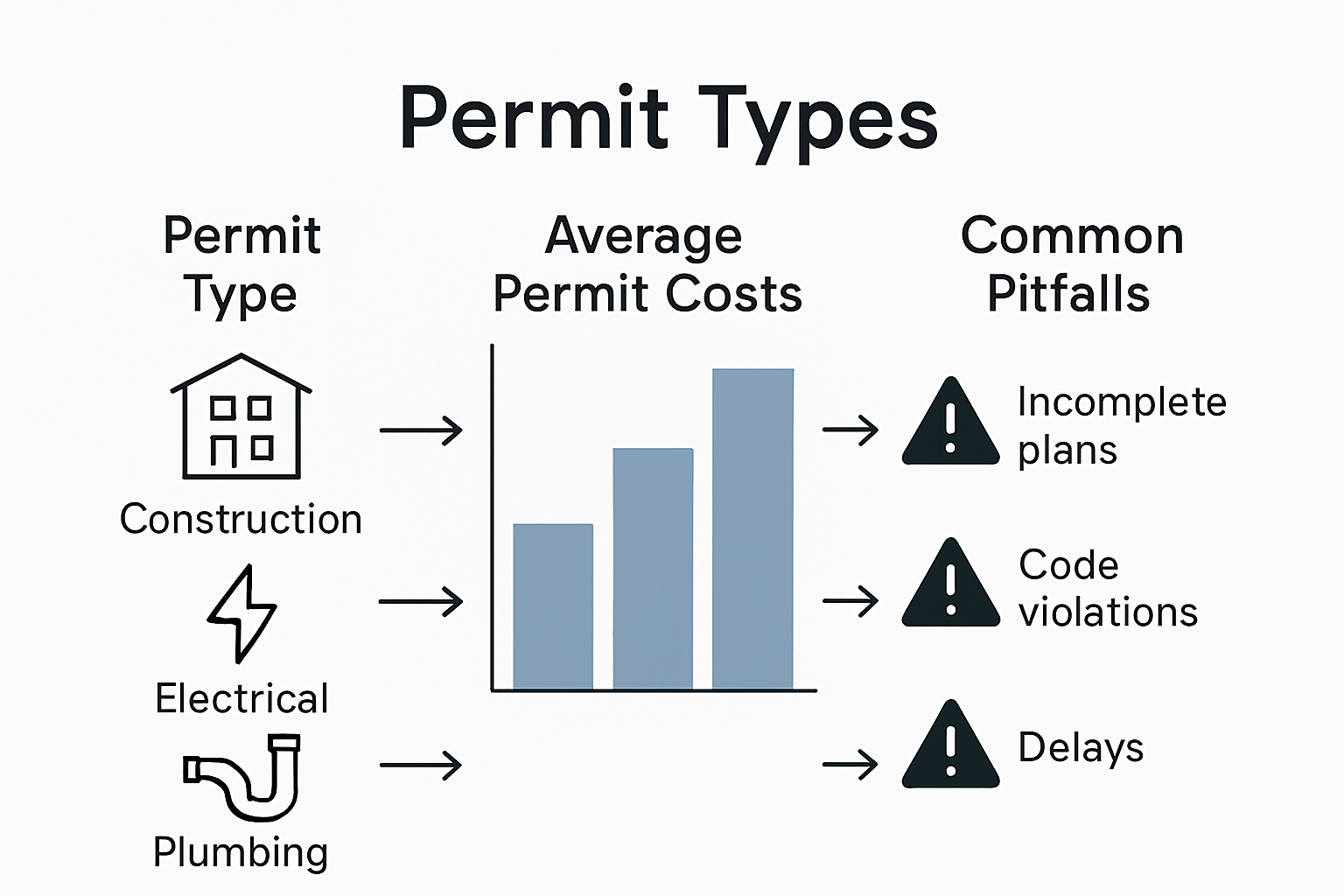
Permit-related costs can vary dramatically depending on project scope, with fees typically ranging from $100 to $1,500 based on renovation complexity. Homeowners must budget not just for direct permit expenses, but also potential additional costs like architectural drawings, site surveys, and potential modifications required to meet local building code standards. Some Dallas-area municipalities impose significant penalties for unpermitted work, which can include substantial fines, mandatory project halts, and potential forced reconstruction.
Common mistakes homeowners frequently encounter include:
-
Documentation Errors
- Incomplete permit application packages
- Inaccurate site or architectural drawings
- Missing required supporting documentation
- Failing to update plans during review process
-
Financial Miscalculations
- Underestimating total permit-related expenses
- Not budgeting for potential code compliance upgrades
- Overlooking potential inspection fees
- Failing to account for potential project delays
-
Regulatory Compliance Pitfalls
- Attempting renovations without proper permits
- Ignoring zoning restrictions
- Miscalculating project scope limitations
- Bypassing required municipal inspections
Professional contractors understand that navigating permit requirements is more than bureaucratic paperwork. Strategic planning, meticulous documentation, and proactive communication with local authorities can transform a potentially complex permitting process into a smooth, manageable experience.
Simplify Your Renovation Permit Journey with Trusted Experts
Navigating renovation permits in the Dallas-Fort Worth area can feel overwhelming with complex regulations, costly fees, and strict documentation requirements. Whether you face challenges with structural modifications, mechanical upgrades, or ensuring your project complies with zoning rules, understanding the legal landscape is only the first step. The risk of fines or delays can put your property investment at stake.
AstroTech Construction offers professional guidance to turn this daunting permitting process into a smooth, confidence-building experience. With deep expertise in residential and commercial remodeling, we help you gather the right documentation, avoid common mistakes, and ensure full code compliance. From initial planning to final inspections, count on us to protect your investment every step of the way.
Consider starting your journey with our full range of remodeling services designed to meet your unique renovation goals.
Don’t let permit complexities delay your dream renovation. Visit AstroTech Construction today to schedule your personalized consultation and take the first step toward a safe, beautiful, and legally compliant home or commercial upgrade. For expert insights on remodeling compliance and process details, explore our resources at AstroTech Construction and move forward with confidence.
Frequently Asked Questions
What is a renovation permit?
A renovation permit is an official authorization from local government agencies that allows property owners to legally modify or upgrade residential and commercial spaces. It ensures that construction projects comply with safety standards and building codes.
Why are renovation permits important?
Renovation permits are crucial because they protect homeowners by verifying adherence to building codes, ensuring professional safety and quality standards, documenting improvements, preventing insurance claim complications, and maintaining neighborhood aesthetic consistency.
What types of renovations require a permit?
Renovation permits are typically required for structural changes, mechanical system upgrades, and significant exterior modifications, such as foundation alterations, HVAC replacements, or deck constructions. Cosmetic updates like painting or floor replacing generally do not need permits.
What documentation is needed to apply for a renovation permit?
Key documentation for a renovation permit application usually includes architectural plans, property documentation (like a certified property survey and current property deed), and project-specific documents (such as contractor licenses and detailed cost estimates).