
Most American homeowners tackling major renovations in Dallas-Fort Worth encounter communication challenges that can derail even the most detailed plans. It is surprising how often miscommunications lead to costly errors or project delays, with over 50 percent of renovation setbacks linked directly to unclear exchanges between teams. Mastering effective communication strategies becomes crucial for anyone hoping to manage their project budget, timeline, and expectations successfully. This guide reveals practical methods to improve dialogue during every phase of your renovation.
Table of Contents
- Defining Communication In Renovation Projects
- Types And Channels Of Effective Communication
- How Communication Impacts Project Outcomes
- Common Misunderstandings And How To Avoid Them
- Essential Communication Strategies For Homeowners
Key Takeaways
| Point | Details |
|---|---|
| Communication Is Vital | Effective communication is essential for project success in renovations, influencing budget, timeline, and quality outcomes. |
| Utilize Multiple Channels | Combine synchronous and asynchronous methods to facilitate information exchange and ensure clarity among all stakeholders. |
| Prevent Misunderstandings | Establish clear communication protocols and documentation to mitigate potential misunderstandings and project delays. |
| Empower Homeowners | Homeowners should maintain proactive communication, ensuring their expectations are clearly articulated and documented throughout the project. |
Defining Communication in Renovation Projects
Communication in renovation projects is a complex, multifaceted process that serves as the critical backbone for successful project execution. At its core, communication represents the strategic exchange of information, expectations, and technical details among all stakeholders involved in transforming a space. Structured communication workflows enable homeowners, contractors, designers, and technical experts to coordinate activities, manage expectations, and make informed decisions throughout the renovation journey.
In the context of home improvement, communication transcends simple conversation – it becomes a sophisticated coordination mechanism that bridges diverse professional perspectives. Project communication involves multiple dimensions: verbal exchanges, written documentation, visual representations like blueprints and design renderings, digital collaboration platforms, and scheduled meetings that align project vision with practical implementation. Complex renovation workflows require precise information transfer to mitigate potential misunderstandings and technical complications.
Successful renovation communication encompasses several key elements: clear articulation of project goals, transparent budget discussions, realistic timeline negotiations, technical specification clarifications, and continuous feedback mechanisms. Effective communication strategies help prevent scope creep, manage unexpected challenges, and maintain alignment between homeowner expectations and contractor capabilities. By establishing robust communication protocols early, renovation teams can create a collaborative environment that reduces conflicts, minimizes costly rework, and ensures a smoother project progression.
Pro tip: Implement a dedicated communication log or shared digital platform where all project discussions, decisions, and modifications are systematically documented to create a transparent, accountable renovation experience.
Types and Channels of Effective Communication
Renovation projects demand a nuanced approach to communication that leverages multiple channels and formats to ensure seamless information exchange. Communication technologies in construction provide a comprehensive toolkit for project stakeholders to interact effectively, ranging from traditional face-to-face meetings to sophisticated digital collaboration platforms. These channels can be categorized into synchronous and asynchronous communication methods, each serving distinct purposes in the renovation workflow.
Synchronous communication channels include real-time interactions such as in-person meetings, video conferences, and phone calls that allow immediate feedback and dynamic problem-solving. These direct communication methods are crucial for complex technical discussions, design reviews, and resolving urgent project challenges. Asynchronous channels like email, project management software, shared digital documents, and messaging platforms enable stakeholders to exchange detailed information, track project modifications, and maintain a comprehensive record of project communications without requiring simultaneous participation.
Effective renovation communication typically involves a strategic combination of communication channels. Project management software and communication technologies enable teams to document discussions, share visual materials like blueprints and design renderings, track project progress, and maintain transparent communication logs. Professional renovation teams often utilize digital platforms that integrate multiple communication functions, allowing homeowners, contractors, designers, and subcontractors to collaborate efficiently, share updates in real-time, and maintain a centralized repository of project-related information.
Here is a comparison of common communication channels used in renovation projects:
| Communication Channel | Best Use Case | Response Speed |
|---|---|---|
| In-person Meetings | Design reviews, urgent issues | Immediate |
| Detailed documentation | Hours to days | |
| Video Conferencing | Remote technical discussions | Immediate |
| Project Management Software | Progress tracking, updates | Minutes to hours |
| Messaging Apps | Quick clarifications | Minutes |
Pro tip: Create a dedicated communication matrix that outlines preferred communication channels, response time expectations, and primary contacts for different project phases to streamline information flow and minimize communication bottlenecks.
How Communication Impacts Project Outcomes
Communication plays a pivotal role in determining the ultimate success of renovation projects, directly influencing critical outcomes such as budget management, timeline adherence, and overall project quality. Communication challenges in infrastructure projects reveal that ineffective information exchange can lead to significant project complications, including costly delays, misaligned expectations, and potential financial overruns. By establishing clear, consistent communication channels, renovation teams can mitigate risks and create a more predictable project trajectory.
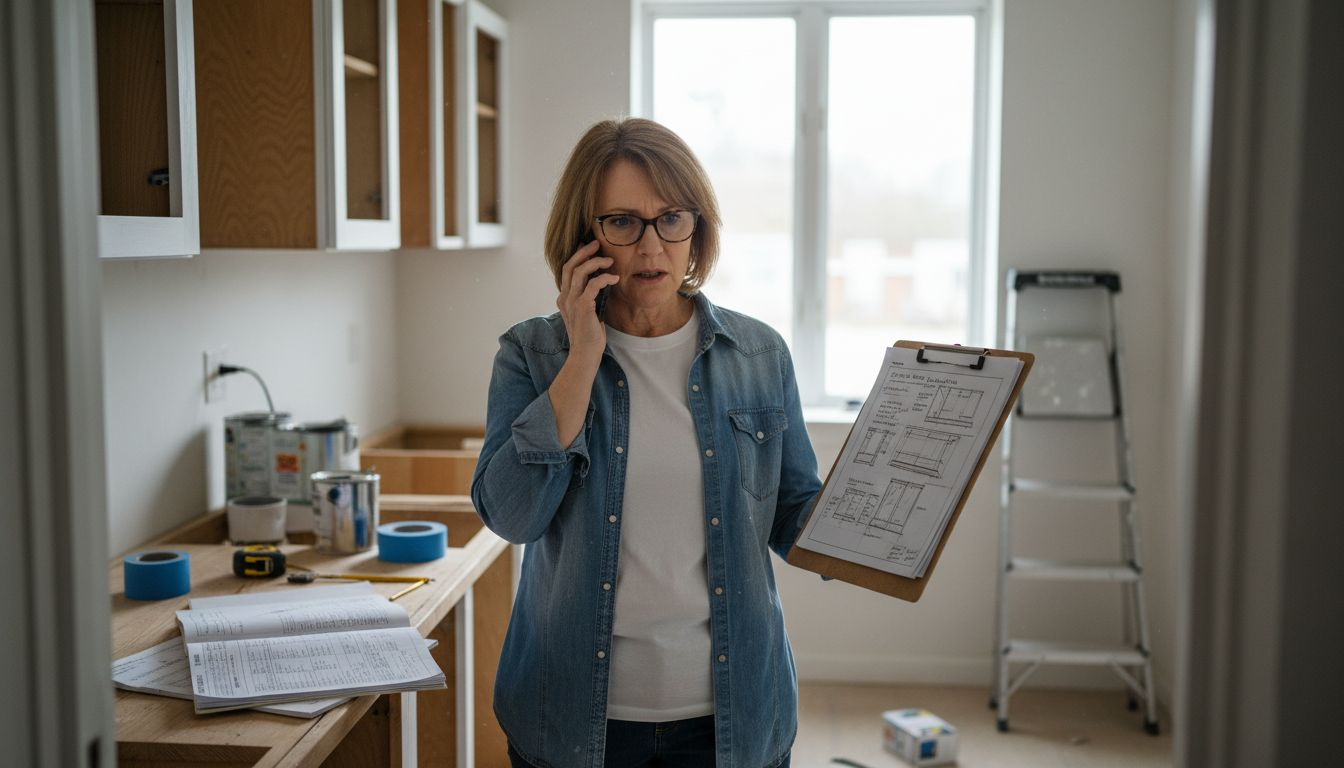
The impact of communication extends beyond mere information sharing, fundamentally shaping stakeholder relationships and project dynamics. Effective communication strategies enable rapid problem resolution, foster collaborative decision-making, and create transparency that builds trust among homeowners, contractors, designers, and subcontractors. Stakeholder communication mechanisms are particularly crucial in addressing complex technical, environmental, and economic challenges that emerge during renovation processes. When communication is strategic and comprehensive, teams can proactively identify potential issues, develop innovative solutions, and maintain project momentum.
Quantifiable research demonstrates that robust communication directly correlates with project success metrics. Renovation projects with well-structured communication protocols experience significantly reduced error rates, more accurate budget predictions, and higher client satisfaction levels. These communication-driven improvements stem from creating shared understanding, establishing clear expectations, and maintaining consistent information flow across all project stages. By prioritizing transparent, multi-channel communication, renovation teams transform potential misunderstandings into collaborative opportunities, ultimately delivering superior project outcomes that meet or exceed client expectations.
This summary outlines how effective communication impacts key renovation project outcomes:
| Project Outcome | Positive Impact of Good Communication | Negative Impact of Poor Communication |
|---|---|---|
| Budget Control | Accurate forecasts, fewer surprises | Unexpected costs, overruns |
| Timeline Adherence | Timely completion, clear schedules | Delays, scheduling conflicts |
| Stakeholder Trust | Transparent decisions, confidence | Frustration, misaligned expectations |
| Quality Assurance | Fewer errors, higher satisfaction | Rework, client dissatisfaction |
Pro tip: Implement a weekly communication audit that reviews project communication effectiveness, identifies potential communication gaps, and adjusts communication strategies in real-time to maintain project alignment.
Common Misunderstandings and How to Avoid Them
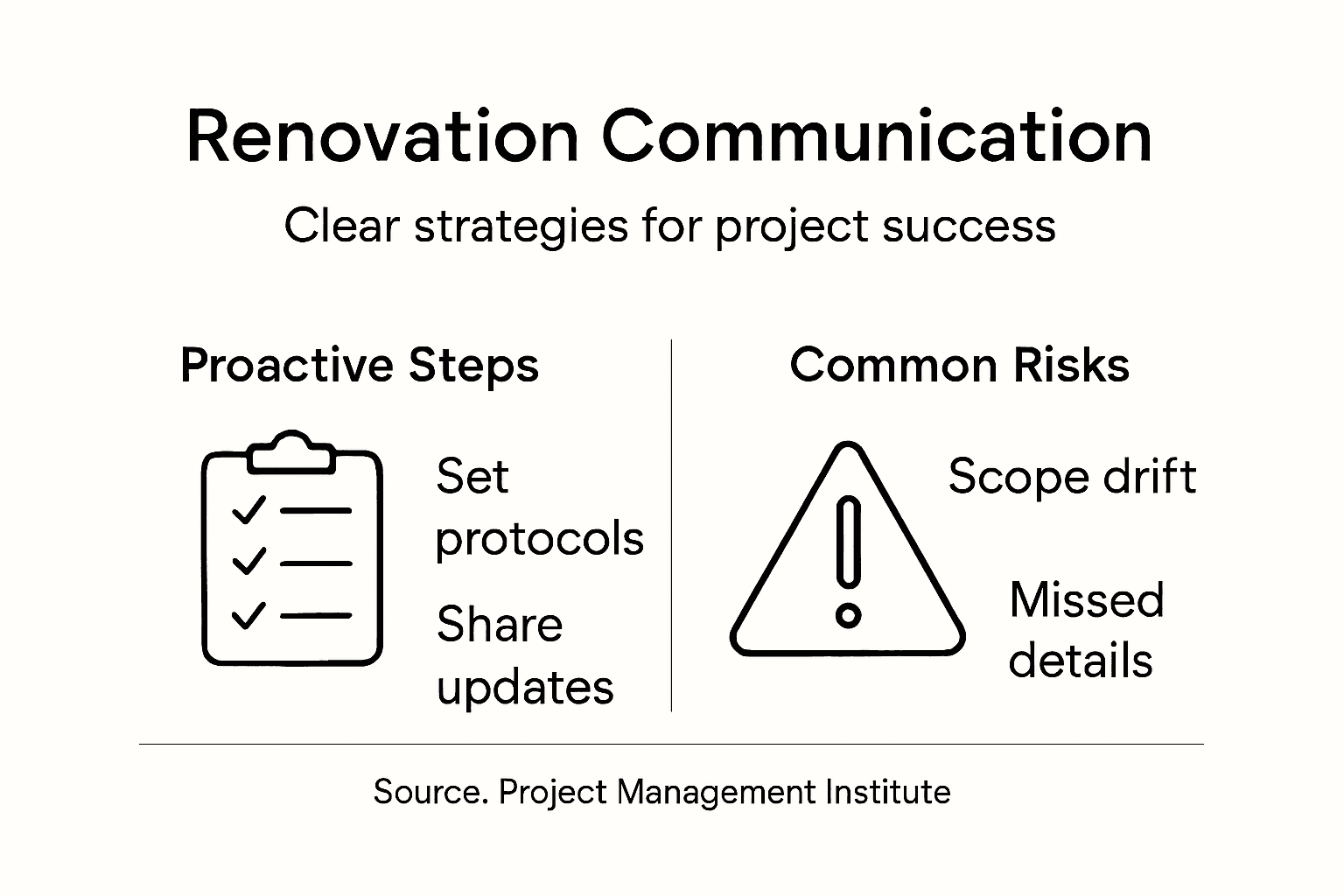
Renovation projects are particularly susceptible to communication breakdowns that can derail project success, making it crucial to proactively identify and address potential misunderstandings. Communication gaps in renovation projects often stem from unspoken assumptions, unclear expectations, and inconsistent information sharing. Homeowners and contractors frequently encounter challenges when they fail to establish clear communication protocols, leading to frustration, unexpected costs, and project delays that could have been easily prevented.
One of the most common misunderstandings arises from undefined project scope and ambiguous communication about design details, budget constraints, and timeline expectations. Preventing communication confusion requires a systematic approach that includes detailed written documentation, regular progress meetings, and explicit verification of understanding. Critical misunderstandings often emerge when verbal agreements are not followed up with written confirmation, or when technical specifications are not thoroughly reviewed and understood by all stakeholders. Renovation teams can mitigate these risks by implementing comprehensive communication management plans that clearly outline roles, responsibilities, and specific communication channels for different project aspects.
To effectively prevent misunderstandings, renovation projects require a proactive communication strategy that emphasizes transparency, clarity, and continuous verification. This approach involves creating detailed project documentation, establishing regular check-in points, and developing a culture of open dialogue where all parties feel comfortable asking clarifying questions. Successful teams develop communication protocols that include written summaries of meetings, detailed change order processes, visual documentation of project stages, and structured feedback mechanisms. By anticipating potential points of confusion and creating multiple opportunities for clarification, renovation professionals can significantly reduce the likelihood of costly misunderstandings and ensure a smoother, more collaborative project experience.
Pro tip: Create a shared digital project folder with clearly labeled documents, meeting notes, and communication logs that all stakeholders can access, ensuring everyone has a single source of truth throughout the renovation process.
Essential Communication Strategies for Homeowners
Successful renovation projects demand proactive communication strategies that empower homeowners to actively participate and guide the transformation of their living spaces. Effective homeowner communication techniques emphasize establishing clear channels of dialogue, maintaining consistent documentation, and fostering transparent relationships with renovation professionals. By understanding and implementing strategic communication approaches, homeowners can significantly reduce misunderstandings, manage project expectations, and ensure smoother renovation experiences.
The foundation of effective communication lies in developing precise communication protocols that outline expectations, preferred communication methods, and response timelines. Proactive communication strategies recommend creating structured frameworks that include regular progress meetings, detailed written documentation, and explicit channels for addressing questions or concerns. Homeowners should prioritize active listening, ask clarifying questions, and maintain consistent contact with their renovation team, ensuring that all project nuances are thoroughly understood and documented. This approach transforms communication from a passive exchange into a collaborative partnership that drives project success.
Navigating renovation communication requires strategic skills that go beyond simple information exchange. Successful homeowners develop techniques such as maintaining a centralized communication log, requesting written summaries after meetings, using visual aids to clarify design expectations, and establishing clear escalation processes for addressing potential conflicts. By creating multiple touchpoints for verification and understanding, homeowners can proactively manage project progress, handle unexpected challenges, and maintain a cooperative relationship with their renovation professionals. The key is to approach communication as an ongoing, dynamic process that requires consistent engagement, mutual respect, and a commitment to shared project goals.
Pro tip: Create a dedicated project communication folder with clearly labeled sections for meeting notes, change orders, design specifications, and correspondence to maintain a comprehensive, easily accessible record of all project communications.
Enhance Your Renovation Success with Clear Communication and Expert Craftsmanship
Effective communication is the cornerstone of any successful renovation project. As highlighted in the article “Role of Communication in Renovation Success,” challenges such as unclear project scope, misunderstood timelines, and budget surprises often arise when communication breaks down between homeowners and contractors. At Astrotech Construction, we understand these pain points and prioritize transparent, consistent dialogue throughout every stage of your residential or commercial remodel in the Dallas – Fort Worth Metroplex.
Our team excels not only in delivering high-quality services like full home remodeling, kitchen and bathroom upgrades, and storm damage repair but also in fostering a collaborative environment where your vision is clearly translated into reality. With proven communication strategies integrated into our project management approach, we reduce misunderstandings and keep you engaged every step of the way. If you want peace of mind knowing your renovation project is managed with clear expectations and expert execution, explore our offerings at Astrotech Construction.
Start your renovation journey with confidence by scheduling a consultation today. Take control of your project timelines, budgets, and quality with a trusted partner who values straightforward communication and exceptional service. Visit https://astrotechconstruction.com now and discover how our dedicated team can bring your renovation goals to life.
Frequently Asked Questions
How does communication affect the success of renovation projects?
Effective communication plays a pivotal role in renovation success by influencing budget management, timeline adherence, and overall project quality. It helps in addressing issues swiftly, aligning expectations among stakeholders, and fostering transparency, which builds trust.
What are the best communication channels for renovation projects?
The best communication channels include a combination of synchronous methods like in-person meetings and video conferences for real-time feedback, and asynchronous methods like email and project management software for detailed documentation and tracking progress.
How can homeowners improve communication with their renovation team?
Homeowners can improve communication by establishing clear protocols, actively listening, asking clarifying questions, and maintaining consistent documentation. Creating a centralized communication log also helps ensure that all important information is captured and shared.
What common misunderstandings should be avoided in renovation communication?
Common misunderstandings in renovation communication include unclear project scope, ambiguous expectations regarding design and budget, and lack of written confirmation for verbal agreements. To prevent these, it’s important to have detailed documentation and regular progress meetings.
Recommended
- Role of Design in Renovations: Complete Guide – Astrotech Construction
- How to Manage Renovations for Stress-Free Results – Astrotech Construction
- Complete Guide to Scheduling a Renovation Consultation – Astrotech Construction
- Role of Technology in Commercial Renovation Projects – Astrotech Construction