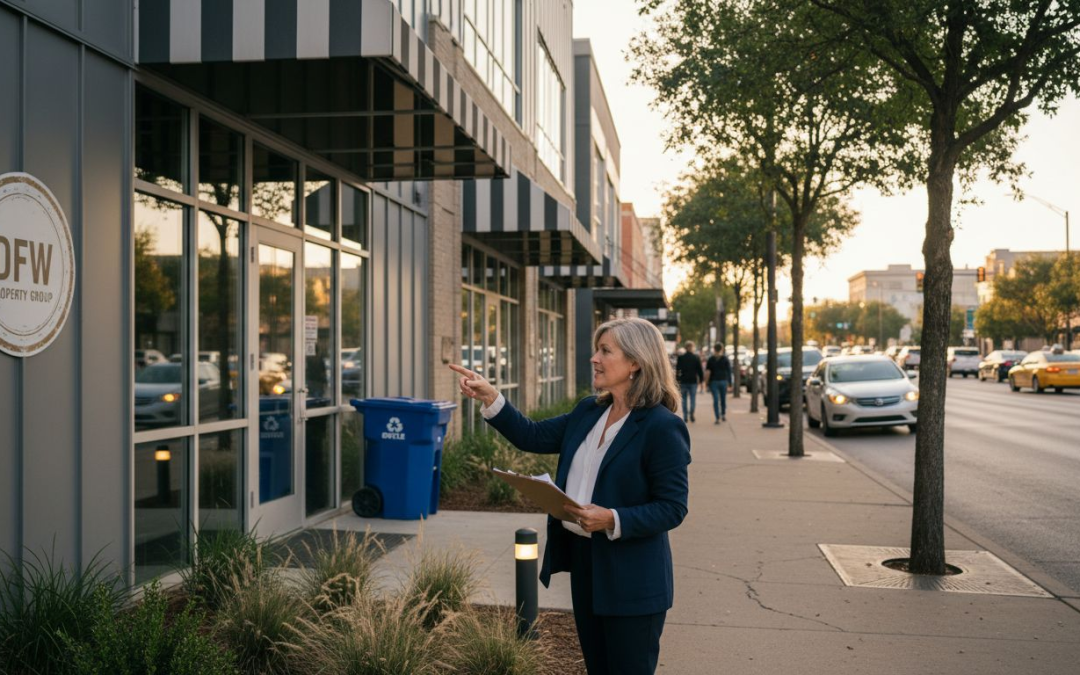
Making your commercial property stand out goes beyond a fresh coat of paint. Many Dallas-Fort Worth business owners find themselves juggling curb appeal, energy costs, and repair headaches while hoping their investment will attract clients and hold up against harsh Texas weather. Getting the right upgrades means more than just appearance—it’s about lasting performance and smart, cost-effective choices for your business.
This guide brings you proven exterior improvements that deliver real results for commercial buildings. You’ll learn how to pick materials that increase durability, tap into energy-saving solutions, and create a welcoming presence that clients notice. Ready to discover the actionable steps that turn your property into a statement of professionalism and resilience? The following list will show you how.
Table of Contents
- Install Modern Siding For A Fresh Look
- Upgrade To Energy-Efficient Windows And Doors
- Replace Or Repair The Roof For Extra Protection
- Enhance Entryways With Architectural Features
- Add Durable And Stylish Awnings
- Upgrade Exterior Lighting For Safety And Impact
- Refresh Landscaping And Hardscaping Elements
Quick Summary
| Takeaway | Explanation |
|---|---|
| 1. Upgrade to Modern Siding | Installing fresh siding enhances your property’s appearance and protects your investment while signaling professionalism to clients. |
| 2. Invest in Energy-Efficient Windows | Upgrading windows decreases energy costs, improves comfort, and qualifies for potential tax credits and rebates. |
| 3. Consider Roof Replacement for Protection | A new roof defends against Texas weather conditions and helps prevent future costly damages from leaks and wear. |
| 4. Enhance Entryways with Architectural Features | Architectural upgrades like columns and lighting create a welcoming impression and improve accessibility for all visitors. |
| 5. Improve Exterior Lighting for Safety | Quality outdoor lighting enhances security, increases visibility, and showcases your property, making it more inviting and professional at night. |
1. Install Modern Siding for a Fresh Look
Your commercial building’s exterior is the first thing potential clients see, and modern siding can completely transform that initial impression. When your property has aged siding or storm damage, installing fresh siding isn’t just about aesthetics—it’s about protecting your investment and signaling that your business is well-maintained and professional.
Modern siding materials offer versatility that earlier generations never had. Common siding options include vinyl, fiber cement, engineered wood, metal, and stone veneer, each bringing different qualities to your property. Vinyl siding stands out for commercial applications because it resists moisture, requires minimal maintenance, and comes in colors that won’t fade under the Texas sun. Fiber cement delivers a more upscale appearance and handles our harsh weather patterns exceptionally well. For properties in the Dallas-Fort Worth area dealing with recent hail or wind damage, these modern materials bounce back better than older wood or aluminum alternatives.
The visual impact of new siding goes beyond just covering your walls. When you choose the right material and color, you’re essentially giving your entire business a confidence boost. A building with clean, contemporary siding signals stability and reliability. Your landscaping looks better framed by fresh siding. Your signage pops. Even your parking lot appears better maintained. It’s remarkable how much this single upgrade can shift how people perceive your business before they ever step inside.
Installation quality determines whether your siding investment lasts 20 years or starts failing in five. Proper installation means following manufacturer specifications and building codes like the International Building Code (IBC) to ensure your siding performs correctly, handles our North Texas weather patterns, and meets local regulations. Professional installation isn’t a luxury—it’s insurance that your exterior will look great and protect your building structure effectively.
Commercial properties often face unique siding challenges compared to residential homes. Your building may have different wall configurations, varying materials in different sections, or previous repairs that need addressing. The sheer square footage involved means material quality and installation precision matter exponentially more. A small mistake across 5,000 square feet becomes a big problem. This is why partnering with contractors experienced in commercial exterior work, rather than residential-focused crews, makes a significant difference.
Timing your siding installation strategically helps minimize disruption to your business operations. Some projects work best during slower seasons when you have fewer clients visiting. Others benefit from a phased approach where one section of the building gets upgraded while your business continues operating normally. Your contractor should work with your schedule, not against it.
Pro tip: Schedule a professional exterior assessment before deciding on siding replacement—a qualified contractor can identify underlying issues from storm damage or moisture that need addressing before new siding installation, preventing costly problems down the road.
2. Upgrade to Energy-Efficient Windows and Doors
Windows and doors represent some of the biggest thermal weak points in any commercial building. When you upgrade to energy-efficient models, you’re essentially sealing up the places where your heated or cooled air escapes, which directly impacts both your operating costs and customer comfort.
Energy-efficient windows and doors work by reducing heat transfer through multiple mechanisms. Modern designs use multiple glass panes with insulating gas between them, low-emissivity coatings that reflect heat, and better frame materials that minimize conduction. For your Dallas-Fort Worth commercial property, this means less strain on your HVAC system during our scorching summers and cold winters. Your building maintains more consistent temperatures throughout, and your customers immediately notice the improvement.
The financial case for upgrading is compelling. Energy-efficient windows and doors decrease energy consumption measurably. A commercial building in Texas replacing standard windows with ENERGY STAR certified models typically sees noticeable reductions in monthly utility bills. Over time, these savings accumulate substantially. More importantly, ENERGY STAR labeled products suited for climate zones like ours qualify for federal tax credits and utility rebates, which offset your initial investment significantly. Some Dallas-area utility companies offer rebates up to 20 percent of your project cost when you choose certified products.
When evaluating windows and doors, pay attention to three key performance ratings. The U-factor measures heat transfer through the entire window assembly—lower numbers mean better insulation. The solar heat gain coefficient (SHGC) tells you how much solar heat the window blocks, which matters tremendously in Texas. Air leakage ratings show how much outdoor air infiltrates around the frame when closed. Windows certified by the National Fenestration Rating Council display these metrics clearly, allowing you to compare products accurately and choose exactly what your building needs.
Proper installation determines whether your energy-efficient windows actually deliver on their promise. A perfectly engineered window installed incorrectly might perform no better than a standard unit. Your contractor must seal gaps properly, install them at the correct depth in the wall, and ensure proper flashing to prevent water intrusion. This is particularly important in our climate where we occasionally experience severe storms. Improper installation creates vulnerabilities that compromise both energy performance and weather protection.
Beyond energy savings, upgraded windows and doors contribute significantly to your building’s appearance. Modern frames look contemporary and clean compared to older aluminum or wooden frames. New doors with quality hardware and updated styling signal that your business invests in its presentation. This visual upgrade complements other exterior improvements and strengthens the overall impression your property makes.
Pro tip: Bundle your window and door upgrades with other exterior work like new siding or roof improvements to maximize contractor efficiency and potentially unlock volume discounts, while timing the project to coincide with seasonal utility rebate programs that often have application deadlines.
3. Replace or Repair the Roof for Extra Protection
Your roof is your building’s first line of defense against Texas weather, and a compromised roof can lead to expensive water damage, mold, and structural issues that spread throughout your entire property. Whether you need repairs after storm damage or are considering a complete replacement, understanding your options helps you make the right decision for your commercial property.
The choice between repair and replacement depends on several factors that a qualified roofing contractor can evaluate. If your roof has isolated damage from hail or wind in just a few areas, targeted repairs might address the problem effectively. However, if your roof is aging, shows multiple problem areas, or has structural damage, roof replacement involves removing old materials and installing new covering, which allows inspectors to thoroughly examine the roof deck underneath. This comprehensive approach prevents hidden damage from becoming major problems later. Some property owners consider recovering, which adds a new roofing layer over existing materials, but local building codes often limit how many layers your roof can have, and replacement provides superior long-term protection.
Dallas-Fort Worth experiences some of the most severe hail and high-wind events in the nation. Your roof needs to withstand these conditions, not merely survive them. Modern roofing materials and installation methods can significantly strengthen your roof’s resistance to these threats. Using stronger fastening methods that prevent wind uplift on roof edges, choosing certified roofing products tested for severe weather, and ensuring proper sealing of roof decks all contribute to a roof system that protects your building effectively. These aren’t just technical details—they’re the difference between a roof that lasts 15 years and one that fails during the next major storm.
The visual impact of a new roof shouldn’t be overlooked either. A worn, discolored, or damaged roof immediately signals deferred maintenance to anyone looking at your property. New roofing materials come in various colors and styles that enhance your building’s appearance while improving function. Your roof occupies a significant portion of your building’s visible profile, so upgrading it contributes substantially to overall curb appeal.
Storm damage is a common trigger for roof replacement decisions. If your area experienced recent hail or wind events, your roof may have sustained damage not immediately visible from ground level. Small cracks, missing granules, and lifted shingles create entry points for water that leads to leaks and deterioration. A professional inspection identifies damage that insurance might cover through a claim, potentially making your replacement more affordable than you’d expect.
Timing your roof project strategically matters for your business operations and budget. Spring and fall typically offer good weather for roofing work, though Dallas contractors handle roof projects year-round. Coordinating roof replacement with other exterior upgrades like new siding or gutter work can improve efficiency and reduce overall project disruption.
Pro tip: After storm events, document any visible roof damage with photos and get a professional inspection immediately, as insurance claims often have time limitations and evidence matters significantly when processing coverage for replacement or major repairs.
4. Enhance Entryways with Architectural Features
Your entryway is where clients form their first impression of your business, and that moment matters tremendously. Architectural features that enhance your entryway transform it from simply a place people walk through into a welcoming gateway that communicates professionalism, care, and attention to detail.
Architectural enhancements to your entryway serve both aesthetic and functional purposes. Strategic elements like porticos, columns, decorative archways, and stone accents create visual interest and draw the eye upward. Modern accent lighting highlights these features during evening hours, making your building appear more sophisticated and inviting when clients arrive after business hours. Quality signage mounted on architectural elements creates a cohesive, branded appearance that feels intentional rather than afterthought. These features work together to establish a sense of arrival that tells visitors they’re about to enter somewhere important.
Welcoming entryways incorporate practical design alongside visual appeal. Wide doorways and accessible landing spaces ensure your facility welcomes everyone, including clients with mobility challenges or visitors using crutches or wheelchairs. Minimum doorway widths of 36 inches and landing areas of at least 5 by 5 feet meet both accessibility standards and create a more spacious, comfortable feeling for all visitors. Low thresholds that don’t exceed half an inch prevent tripping hazards while creating smooth transitions. These practical considerations reflect well on your business because they demonstrate you’ve thought about your clients’ needs.
Architectural features can reflect your building’s style and your business character. A tech company might use modern materials like steel, glass, and concrete for a contemporary feel. A law firm might incorporate classical columns and stone to convey stability and tradition. A medical practice might emphasize clean lines and calming materials that reduce anxiety. Your architectural choices communicate your business values before anyone speaks a word.
Landscaping and lighting amplify architectural entryway features. Plantings flanking your doorway add color and life, while accent lighting on columns or archways creates drama at night. Professional landscape lighting makes your building more visible and safer during dark hours. Strategic shrubs or decorative grasses soften hard architectural lines and create a more welcoming atmosphere. The combination of hardscape architecture with softscape landscaping creates visual depth and interest.
Entryway upgrades often qualify as improvements that increase property value. Commercial properties with distinctive, well-maintained entryways command higher lease rates and attract quality tenants or buyers. These improvements signal that your property is professionally managed and worth the investment. When combined with other exterior upgrades like fresh siding or new roofing, entryway enhancements create a comprehensive first impression that positively influences how people perceive your entire business.
Practical considerations matter when designing architectural entryway features. Durability in Texas weather means choosing materials that resist fading, cracking, and deterioration from intense sun and occasional severe storms. Quality materials may cost more initially but require less frequent maintenance and replacement. Your entryway gets heavy traffic and exposure to the elements, so build it to last.
Pro tip: Incorporate architectural lighting into your entryway design during the planning phase rather than adding it later, as proper electrical infrastructure and positioning make the difference between dramatic highlighting and underwhelming shadows.
5. Add Durable and Stylish Awnings
Awnings are one of the most underutilized exterior upgrades available, yet they deliver immediate visual impact while providing genuine functional benefits that your bottom line will appreciate. A well-designed awning transforms your storefront, creates sheltered spaces for clients, and reduces cooling costs all at once.
Awnings serve multiple purposes that make them worthwhile investments for commercial properties. They provide shade that reduces interior heat buildup, meaning your air conditioning system works less hard and your energy bills drop measurably. They protect your building’s facade from direct sun exposure, which slows fading of paint, siding, and window treatments. They shield pedestrians and customers from rain and intense sun, making your entrance more inviting and comfortable. They add color and visual interest to your exterior, breaking up plain wall surfaces and drawing attention to your storefront. A quality awning communicates that you’ve invested in your property’s appearance and your customers’ experience.
Awning design and material selection matter significantly for durability and aesthetics. Design considerations including framing, anchorage, and structural requirements determine how well your awning withstands Texas wind and weather. Your awning must be properly anchored to your building structure with sufficient reinforcement to handle high wind loads. Frame materials typically include aluminum or steel, which resist rust and deterioration. Fabric choices range from traditional canvas to modern acrylic blends that offer superior fade resistance and weatherproofing. Quality fabrics maintain their color and structural integrity for 10 to 15 years or longer with proper maintenance.
Awning style options allow you to match your building’s character and brand identity. Fixed awnings provide permanent protection and a classic appearance that works well for traditional commercial buildings. Retractable awnings offer flexibility, allowing you to extend shade when needed and retract during storms or when full sun exposure is desired. Modern aluminum frame awnings suit contemporary buildings, while traditional canvas styles complement historic or transitional architecture. The style you choose should enhance your building’s existing design rather than clash with it.
For Dallas-Fort Worth properties, selecting awnings that handle our specific climate challenges makes sense. Heavy rains that accompany spring thunderstorms require proper drainage and water-resistant fabrics. Intense summer sun demands fabrics with superior UV protection to prevent fading. Wind events require robust structural engineering and proper installation. A quality awning installer understands these regional considerations and recommends materials and designs suited to our environment.
Awnings can be customized with your business branding, making them marketing tools as well as functional elements. Your business name, logo, or message printed on an awning creates visibility and reinforces brand recognition. Customers walking past or driving by see your branding clearly displayed, which influences their perception and recall of your business. This branding value extends your marketing reach beyond your physical location.
Installation quality determines whether your awning functions well for years or becomes a liability. Professional installers ensure proper structural reinforcement, correct drainage, and secure anchorage. Poor installation can lead to water intrusion, structural damage, or awning failure during wind events. This is why working with experienced commercial contractors matters more than choosing the lowest bid.
Pro tip: When selecting awning style and color, consider how it complements your overall exterior upgrades like new siding and entryway features, and consult with your contractor about wind load ratings specific to your Dallas-Fort Worth location to ensure your awning investment proves both beautiful and durable.
6. Upgrade Exterior Lighting for Safety and Impact
Exterior lighting transforms your building after dark, creating safety for clients while establishing a powerful visual presence that extends your brand message into evening hours. Quality outdoor lighting is one of the most cost-effective upgrades available, delivering immediate improvements in aesthetics, security, and perceived professionalism.
Exterior lighting serves multiple critical functions for commercial properties. It illuminates pathways and parking areas so clients feel safe arriving and departing at any hour. It highlights architectural features and signage, making your building visible and memorable after sunset. It deters unwanted activity by eliminating dark corners where problems might occur. It extends your building’s visual appeal into nighttime hours when many potential clients might be passing by. Poorly lit properties appear closed, neglected, or unwelcoming, while well-lit properties signal that you’re open, professional, and secure.
Modern LED lighting technology has revolutionized commercial outdoor lighting economics. LED fixtures consume a fraction of the energy that traditional halogen or fluorescent lights require, reducing your monthly utility costs substantially. A building that switches from older lighting to LED systems typically sees energy bill reductions of 40 to 70 percent for outdoor lighting alone. LEDs last significantly longer, meaning fewer replacements and less maintenance. They produce excellent color quality that makes your building look its best. For Dallas-Fort Worth properties, LED lighting performs reliably through our temperature extremes and harsh sunlight.
Responsible lighting design balances visibility with efficiency and environmental impact. Proper outdoor lighting uses light only when needed and directs it to the right area through shielding that prevents glare and wasted light. Motion sensors and timers reduce energy consumption by limiting operation to when the space is actually in use. Warm colored lighting reduces impacts on wildlife while creating a more welcoming atmosphere than harsh white light. Low lighting levels that still provide adequate visibility prove more efficient and visually appealing than over lit spaces.
Controls like occupancy sensors and daylight harvesting technology optimize your lighting system’s performance. Occupancy sensors detect when an area is in use and illuminate accordingly, turning lights off when spaces empty. Daylight harvesting systems adjust outdoor lighting based on ambient light levels, reducing operation during twilight hours. These controls pay for themselves through reduced energy consumption while providing more responsive, efficient lighting.
For Dallas-Fort Worth commercial properties, strategic lighting placement maximizes impact. Accent lighting on architectural features, signage, and landscaping creates visual interest and guides attention to your building’s best qualities. Pathway lighting ensures safe navigation around your property. Parking area lighting provides visibility and security. Entrance lighting welcomes clients and creates a focal point. When these elements work together strategically, they transform your building into an impressive nighttime asset.
Combining upgraded exterior lighting with other exterior improvements creates a comprehensive enhancement. New siding, refreshed entryways, and quality landscaping all look significantly better when properly lit. Your complete exterior upgrade investment delivers maximum impact when lighting showcases these improvements throughout evening hours.
Pro tip: Plan your lighting layout to highlight your building’s best features and architectural elements, then add motion sensors and timers to balance safety and visibility with energy efficiency, ensuring your investment delivers both curb appeal and operational savings.
7. Refresh Landscaping and Hardscaping Elements
Landscaping and hardscaping are the finishing touches that tie all your exterior upgrades together, transforming your building’s surroundings into an inviting, professional environment. A property with fresh landscaping and well-designed hardscaping elements looks cared for, intentional, and welcoming to clients and visitors.
Landscaping and hardscaping work together to create your property’s complete outdoor appearance. Softscape elements like trees, shrubs, flowers, and groundcovers add color, texture, and natural beauty. Hardscape elements like patios, walkways, retaining walls, and decorative gravel provide structure, define spaces, and offer practical functionality. When designed together thoughtfully, these elements create outdoor areas that look attractive while serving specific purposes like directing foot traffic, managing water drainage, and creating gathering spaces.
Effective landscape design starts with understanding your property’s specific conditions. Site inventory and assessment considering soil, drainage, climate, and existing vegetation inform decisions about which plants will thrive in your Dallas-Fort Worth location. Texas heat, occasional drought conditions, and intense sun exposure mean certain plants outperform others dramatically. Native plants adapted to our region require less water, fewer pesticides, and less maintenance while looking beautiful year-round. A landscape designed for our climate proves more sustainable and cost-effective than fighting against environmental conditions with plants that struggle here.
Hardscaping elements deserve equal consideration in your exterior upgrade planning. Hardscaping uses materials like concrete, asphalt, gravel, and wood to create outdoor surfaces that define distinct landscape zones and improve accessibility. Quality hardscaping materials chosen thoughtfully complement your building’s architecture and the softscape plantings. Permeable hardscaping options allow water drainage that supports plant health and reduces storm water runoff. Properly maintained hardscapes improve safety by creating clear pathways and eliminating tripping hazards.
Your landscape design should connect to your building’s character and your business brand. A tech company might feature modern hardscaping with clean lines and contemporary plantings. A medical office might emphasize calming, low-maintenance landscapes with soothing colors. A retail business might use vibrant plantings to attract attention and create welcoming entry areas. Your landscape communicates something about your business values and attention to detail.
Layering different plant heights and textures creates visual interest and professional polish. Foundation plantings near your building frame the structure and soften hard architectural lines. Mid-level shrubs and small trees create transitions between foundation plants and open space. Taller trees provide shade, wind protection, and visual screening. Ground-level plantings, mulch, and hardscape surfaces finish the composition. This layered approach looks intentional and developed rather than haphazard.
Seasonal color and year-round visual interest matter for commercial properties. Flowers provide seasonal color that changes throughout the year, keeping your property’s appearance fresh. Evergreen plants ensure visual continuity during winter months when deciduous plants lose leaves. Ornamental grasses and textured foliage plants add visual interest independent of blooms. Strategic hardscape lighting highlights these elements during evening hours, extending your landscape’s visual impact throughout the day.
Maintenance ease should factor into your landscaping decisions, particularly for commercial properties where appearance matters consistently. Native plants adapted to your climate require less ongoing care. Automated irrigation systems keep plantings healthy with minimal effort. Mulching reduces weeds and retains soil moisture. Regular maintenance schedules ensure your landscape investment continues looking its best, which communicates professionalism and attention to detail to every person visiting your property.
When all seven exterior upgrades work together, you create a comprehensive transformation. New siding, efficient windows, a refreshed roof, architectural entryway features, quality awnings, strategic lighting, and beautiful landscaping combine to create a building that clients want to visit and remember. Your property stands out from the competition, commands attention, and reflects the quality of your business operations.
Pro tip: Start your landscaping refresh with a professional site assessment and climate-appropriate plant selections, then layer your design with native plants that thrive in Dallas-Fort Worth conditions while integrating hardscaping elements that define spaces and support sustainability.
Below is a comprehensive table summarizing the discussed strategies for improving commercial building exteriors in multiple key areas.
Elevate Your Commercial Property with Expert Exterior Upgrades
Your commercial building deserves more than a quick fix—it needs thoughtful upgrades that boost curb appeal, enhance energy efficiency, and protect your investment against Texas weather challenges. Whether you are considering modern siding, energy-efficient windows and doors, or a durable new roof, addressing these key areas can solve common pain points like high energy costs, storm damage risks, and outdated aesthetics. By embracing architectural features, quality awnings, improved lighting, and refreshed landscaping, you create an inviting space that draws in clients and reflects the professionalism of your business.
Astro Tech Construction is ready to help you turn these goals into reality. With years of experience serving the Dallas – Fort Worth Metroplex, we specialize in commercial renovations that combine lasting quality with stunning design. From roof replacement and siding installation to full exterior remodels, our expert team ensures every upgrade meets rigorous building codes and installation standards for maximum impact and durability. Start your project today and transform your property’s appearance and performance with trusted professionals.
Ready to boost your building’s curb appeal and protect your investment with comprehensive exterior upgrades Visit Astro Tech Construction now for a consultation. Discover how our tailored solutions in roofing, siding, and exterior renovations can create a welcoming, efficient space your clients will appreciate Act today to secure expert guidance and elevate your commercial property’s value and appeal.
Frequently Asked Questions
What are some effective commercial exterior upgrades to enhance curb appeal?
Improving curb appeal can include installing modern siding, upgrading to energy-efficient windows and doors, repairing or replacing the roof, and enhancing entryways with architectural features. Consider adding durable awnings and upgrading your exterior lighting as well, along with refreshing landscaping and hardscaping elements.
How can I choose the right siding material for my commercial property?
Select siding materials based on durability, maintenance, and aesthetics to match your building’s design. Vinyl, fiber cement, and engineered wood are popular options; evaluate their performance and cost-effectiveness during installation.
What should I consider when upgrading my commercial property’s windows and doors?
Focus on energy efficiency ratings, which measure how well they insulate and block sunlight. Look for products with lower U-factors and air leakage ratings to reduce energy bills and improve comfort for your clients.
How do I ensure proper installation for my roofing upgrade?
To guarantee proper installation, hire a qualified roofing contractor who follows local building codes and manufacturer specifications. Perform an inspection of the roof deck and surrounding areas to ensure all damage is addressed before application, which can help avoid costly repairs in the future.
What are the benefits of enhancing entryways with architectural features?
Architectural features can create a strong first impression, enhance accessibility, and boost visual appeal. Include wide doorways, decorative elements, and quality lighting to attract clients and communicate your business’s professionalism.
How can I effectively refresh my landscaping and hardscaping?
Start by assessing your site conditions and selecting climate-appropriate native plants to reduce maintenance. Combine softscape and hardscape features to improve functionality and appearance, ensuring pathways are safe and visually inviting.
Recommended
- Why Upgrade Building Exteriors: Boost Value and Comfort – Astrotech Construction
- What Is Exterior Remodeling? Complete Overview 2024 – Astrotech Construction
- Why Prioritize Exterior Repairs for Property Value – Astrotech Construction
- 7 Smart Commercial Renovation Ideas for Modern Spaces – Astrotech Construction