

Every Dallas-Fort Worth homeowner knows that starting a renovation without a strong plan quickly leads to confusion and unexpected costs. Defining your project goals and establishing a realistic budget set the foundation for a successful remodel that reflects your personal vision and stays financially sound. This guide will help you prioritize the most important steps, from goal setting to material selection, ensuring every detail of your interior design workflow is clearly mapped for a smoother, more rewarding renovation experience.
Table of Contents
- Step 1: Define Project Goals And Budget
- Step 2: Develop Functional Layout And Space Plan
- Step 3: Select Materials And Design Elements
- Step 4: Coordinate Construction And Installation
- Step 5: Review Results And Make Adjustments
Quick Summary
| Key Point | Explanation |
|---|---|
| 1. Define Clear Goals | Establish specific objectives for your renovation to maintain clarity and focus throughout the project. |
| 2. Create a Realistic Budget | Develop a detailed budget, including materials, labor, and contingency funds to ensure financial stability. |
| 3. Develop a Functional Layout | Use precise measurements to create an effective layout that maximizes comfort and usability in each space. |
| 4. Select Appropriate Materials | Choose materials that are durable, visually appealing, and compatible with your overall design and maintenance needs. |
| 5. Coordinate Efficiently | Manage contractor schedules and communication to ensure a smooth construction and installation process. |
Step 1: Define Project Goals and Budget
In home renovation, your first critical task is establishing clear project goals and creating a realistic budget that aligns with your vision. This foundational step determines the entire trajectory of your interior design workflow, ensuring you stay focused and financially responsible throughout the remodeling process.
To effectively define your project goals, start by creating a comprehensive list of desired outcomes. Identifying specific project objectives helps you maintain clarity and direction. Consider the following key areas:
- Functional improvements you want to achieve
- Aesthetic changes that will enhance your living space
- Specific room transformations
- Performance upgrades like energy efficiency
Budget planning requires meticulous attention to detail. Comprehensive project documentation involves estimating both direct and indirect costs. Break down your budget into clear categories:
- Materials and supplies
- Labor costs
- Contractor fees
- Potential contingency funds (10-20% of total budget)
Pro tip: Always include a financial buffer of 15-20% for unexpected expenses that inevitably arise during home renovation projects.
Your budget should realistically reflect your project’s scope while maintaining flexibility for potential adjustments. Research local pricing, get multiple quotes, and prioritize your most critical improvements.
Here’s a summary of common renovation budget categories and their potential impact:
| Budget Category | Typical Percentage of Total | Possible Impact if Underestimated |
|---|---|---|
| Materials and Supplies | 40-50% | Quality compromises or re-selection needed |
| Labor Costs | 25-35% | Project delays, rushed workmanship |
| Contractor Fees | 10-15% | Scope reduction, loss of expert guidance |
| Contingency Funds | 15-20% | Unresolved surprises, halted progress |
Pro tip: Create a detailed spreadsheet tracking every potential expense to prevent financial surprises and maintain transparency throughout your renovation journey.
Step 2: Develop Functional Layout and Space Plan
Designing a functional layout is the blueprint for transforming your interior space, turning your renovation vision into a practical and beautiful reality. Space planning fundamentals involve strategically arranging rooms to maximize both comfort and usability.
To create an effective layout, start by understanding the specific needs and activities for each room. This means carefully analyzing how you currently use the space and identifying potential improvements. Consider these key aspects:
- Traffic flow and movement patterns
- Natural light and window placement
- Furniture arrangement and potential configurations
- Spatial relationships between different areas
Measurement and precision are crucial in developing your space plan. Comprehensive design strategies require accurate proportions and thoughtful consideration of spatial dynamics. Sketch out your room layouts, taking precise measurements and noting key elements like electrical outlets, windows, and structural features.
Successful space planning transforms rooms from mere physical spaces into living environments that reflect your lifestyle and enhance your daily experience.
Break down your layout development into systematic steps:
- Measure your existing space accurately
- Create a scaled drawing or digital layout
- Experiment with furniture placement
- Identify potential design challenges
- Refine your plan based on functionality
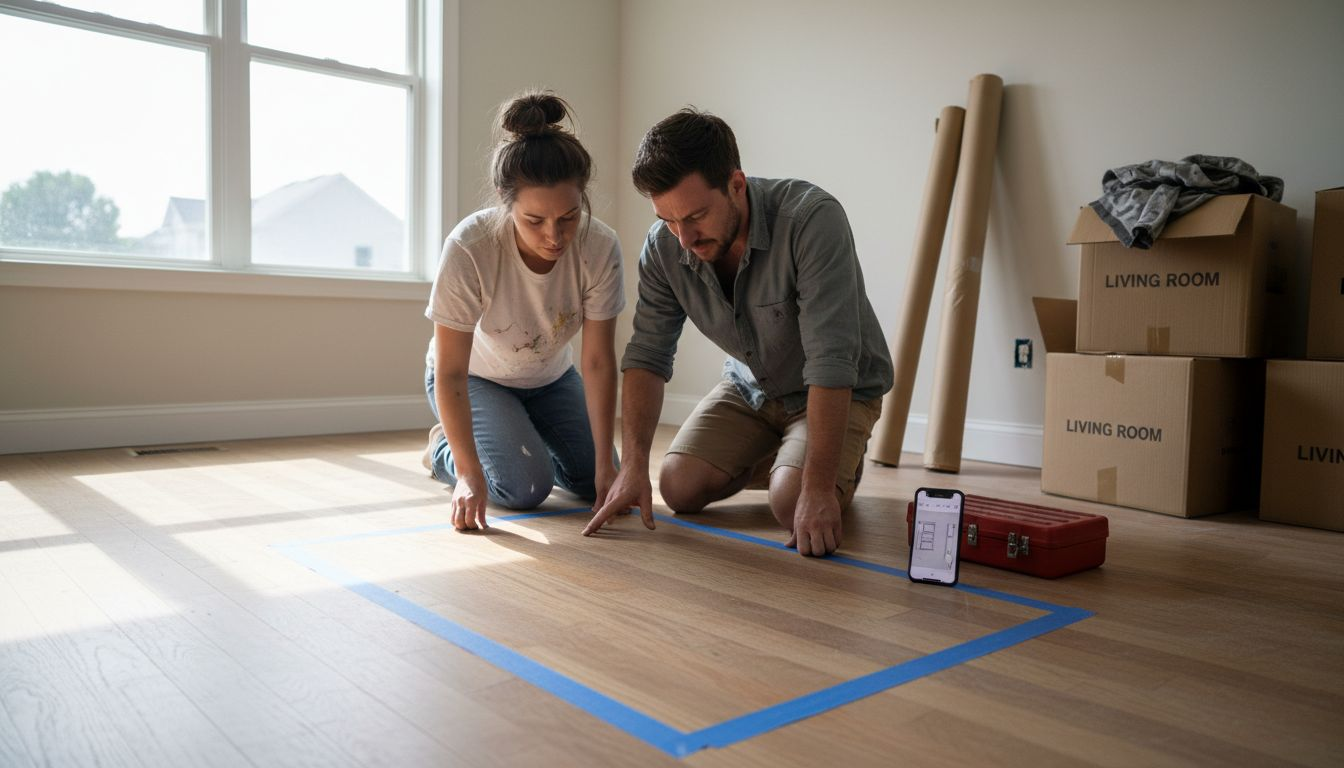
Pro tip: Use painter’s tape on the floor to mock up furniture placement and test different layout configurations before making final decisions.
Step 3: Select Materials and Design Elements
Selecting the right materials and design elements transforms your renovation from a basic upgrade to a personalized living space that reflects your unique style and functional needs. Choosing materials and finishes involves a careful balance between aesthetic appeal and practical considerations.
Your material selection process should focus on creating a cohesive design that harmonizes with your home’s existing architecture and your personal taste. Consider these critical factors when evaluating design elements:
- Durability and long-term performance
- Texture and visual interest
- Color compatibility with existing spaces
- Maintenance requirements
- Cost effectiveness
Interior design trends emphasize the importance of blending innovative materials with sustainable options. This means looking beyond traditional choices and exploring materials that offer both aesthetic value and environmental responsibility. Examine samples carefully, understanding how different textures, colors, and finishes interact within your specific space.
Material selection is not just about appearance – it’s about creating an environment that tells your unique story and supports your lifestyle.
When selecting materials, follow these systematic steps:
- Collect material samples
- Test samples in your actual space
- Compare durability and maintenance needs
- Check compatibility with existing design elements
- Consider long-term performance and value
Pro tip: Order larger material samples and view them in different lighting conditions throughout the day to ensure they meet your expectations.
Compare how different material types affect long-term value in home renovation:
| Material Type | Durability | Maintenance Needs | Impact on Resale Value |
|---|---|---|---|
| Hardwood | High | Low | Strong, timeless appeal |
| Laminate | Moderate | Moderate | Basic, less premium |
| Tile | Very High | Low | Attractive, modern |
| Carpet | Low | High | Limited, dated feel |
Step 4: Coordinate Construction and Installation
Coordinating construction and installation is the critical bridge between your design vision and actual implementation. Interior designer roles require meticulous planning and communication to ensure your renovation project moves smoothly from concept to reality.
Successful coordination demands proactive management and clear communication with all project stakeholders. Your primary responsibilities include:
- Managing contractor schedules
- Ensuring material delivery timelines
- Verifying quality control standards
- Resolving potential installation challenges
- Maintaining design integrity
Renovation project management involves understanding the technical nuances of each installation phase. This means being present during key installation moments, checking that every detail matches your original design intent, and addressing any discrepancies immediately.
Effective coordination is the difference between a good renovation and an exceptional transformation that exceeds your expectations.
Break down your coordination process into systematic steps:
- Schedule detailed pre-installation meetings
- Create a comprehensive project timeline
- Conduct regular on-site inspections
- Document all installation progress
- Address issues promptly and professionally
Pro tip: Create a shared digital project management folder where contractors, designers, and yourself can track real-time updates and communicate instantly.
Step 5: Review Results and Make Adjustments
The final stage of your interior design workflow is a critical moment of evaluation and refinement. Interior design project review involves a comprehensive assessment to ensure every detail aligns with your original vision and functional requirements.
Conducting a thorough walkthrough allows you to identify potential improvements or necessary adjustments. Pay close attention to these key evaluation areas:
- Functional performance of the renovated space
- Visual harmony and aesthetic coherence
- Material quality and installation precision
- Alignment with original design intent
- Client satisfaction and comfort
Digital visualization tools can help streamline your review process, allowing you to compare the completed project against initial design concepts. This technology enables precise comparisons and helps identify subtle discrepancies that might otherwise go unnoticed.
A meticulous review is not about finding fault, but about ensuring your renovation meets the highest standards of quality and personal satisfaction.
Follow these systematic steps for an effective project review:
- Conduct a comprehensive walkthrough
- Document any observed discrepancies
- Consult with contractors and designers
- Develop a targeted adjustment plan
- Implement final refinements
Pro tip: Take high-resolution photos during your review to create a visual record and help communicate specific adjustment needs with your design team.
Transform Your Interior Design Workflow Into Reality with Expert Renovation Support
Mastering the interior design workflow means defining clear goals, crafting functional layouts, and choosing the right materials for your home renovation. These important steps can feel overwhelming when faced with budget limits and construction challenges. At Astrotech Construction, we understand your need for quality assurance, precise coordination, and stunning results that reflect your vision and lifestyle.
Take the next step in your renovation journey with confidence by partnering with experienced professionals who specialize in full home remodeling and upgrades in the Dallas – Fort Worth Metroplex. Visit our Uncategorized – Astrotech Construction page to explore how we bring design concepts to life. Ready to make your dream space a reality? Schedule a consultation today at Astrotech Construction and experience unmatched service and craftsmanship tailored to your needs.
Frequently Asked Questions
What are the first steps to master the interior design workflow for home renovation?
Begin by defining your project goals and creating a realistic budget. Start by listing desired outcomes—such as functional improvements and aesthetic changes—then break your budget down into categories like materials and labor.
How can I ensure my renovation stays within budget?
To stay within budget, create a detailed expense tracking spreadsheet and include a financial buffer of 15-20% for unexpected costs. Research local pricing, gather multiple quotes, and prioritize critical improvements to adjust as needed.
What should I consider when developing a functional layout for my renovation?
When developing a layout, consider traffic flow, natural light, furniture arrangement, and the spatial relationships between areas. Measure your space accurately and sketch different configurations to identify the best fit before finalizing designs.
How do I choose materials that suit my renovation project?
Choose materials by evaluating their durability, texture, color compatibility, and maintenance needs. Collect samples and test them in your actual space to see how they interact with light and existing elements.
What steps should I follow to coordinate construction and installation effectively?
To coordinate construction, create a comprehensive project timeline, manage contractor schedules, and conduct regular site inspections. Document progress and address any discrepancies promptly to ensure a smooth transition from design to execution.
How do I review the results of my renovation and make necessary adjustments?
Conduct a thorough walkthrough to evaluate the functionality, aesthetics, and overall quality of your completed renovation. Document any discrepancies and consult with your team to develop a targeted adjustment plan for final refinements.
Recommended
- Role of Design in Renovations: Complete Guide – Astrotech Construction
- Interior Upgrade Step by Step Guide to Transform Your Home – Astrotech Construction
- Role of Communication in Renovation Success – Astrotech Construction
- Home Renovation Checklist 2025: A Step-By-Step Guide – Astrotech Construction
- How to Clean After Renovation in McKinney: 2025 Guide