
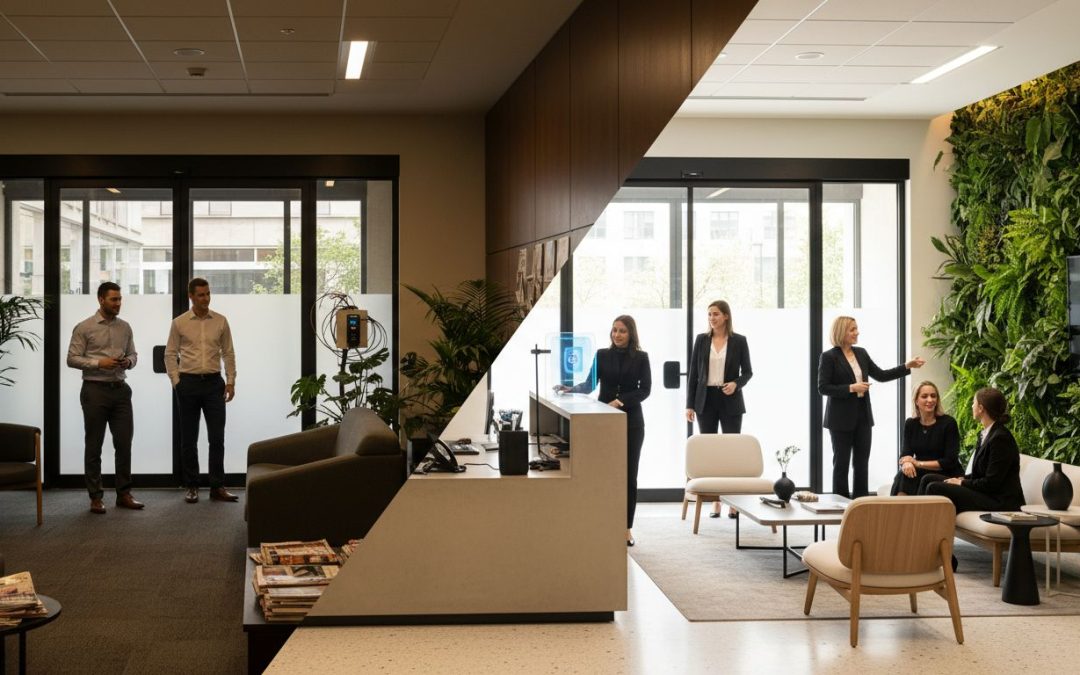
Across the american business landscape, over 60 percent of commercial properties undergo remodeling every year to stay competitive and attractive. From offices in busy downtown districts to cozy restaurants and retail shops, transforming workspaces has become a crucial strategy for success. With rising expectations for functionality, sustainability, and style, understanding the basics of commercial space remodeling can help you unlock smarter solutions for your building and future growth.
Table of Contents
- Defining Commercial Space Remodeling
- Types of Remodeling for Commercial Properties
- Key Benefits of Renovating Commercial Spaces
- Legal and Regulatory Considerations
- Cost Factors and Budgeting Strategies
Key Takeaways
| Point | Details |
|---|---|
| Commercial Space Remodeling Enhances Functionality | Remodeling is more than aesthetics; it involves structural upgrades and technology enhancements that adapt spaces to business needs. |
| Types of Remodeling Provide Flexible Solutions | Options like adaptive reuse and sustainability upgrades allow businesses to maximize existing properties while improving efficiency. |
| Legal and Regulatory Compliance Is Essential | Understanding zoning laws, building codes, and necessary permits is crucial for successful remodeling projects. |
| Strategic Budgeting Maximizes ROI | Effective financial planning should account for material costs, labor expenses, and potential unforeseen challenges in renovation. |
Defining Commercial Space Remodeling
Commercial space remodeling represents a strategic approach to transforming existing business environments through comprehensive structural and functional upgrades. According to safetyculture, this process involves significant modifications to both interior and exterior structures across various commercial settings like offices, hotels, restaurants, and retail stores.
Commercial remodeling goes beyond simple aesthetic improvements, encompassing critical reconstructions that enhance structural integrity, optimize building systems, and adapt spaces to evolving business needs. Unlike new construction, this approach allows businesses to reimagine their existing environments without starting from scratch. As en highlights through the concept of adaptive reuse, remodeling can also preserve historic building features while breathing new life into older structures.
The scope of commercial space remodeling typically includes several key elements:
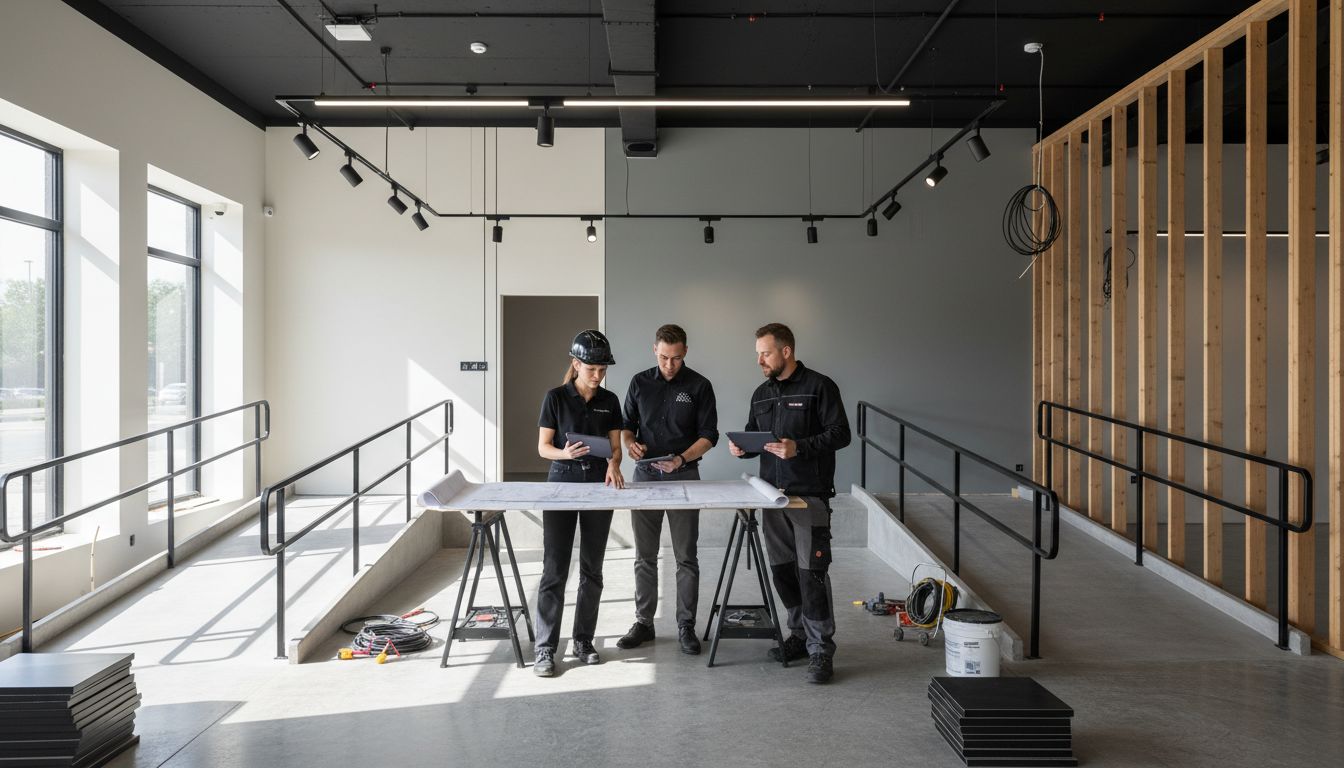
- Structural modifications and reinforcements
- Systems upgrades (electrical, plumbing, HVAC)
- Layout redesigns to improve functionality
- Enhanced accessibility features
- Energy efficiency improvements
- Technology infrastructure updates
For businesses in the Dallas Fort Worth area looking to revitalize their commercial spaces, 7 Steps to an Effective Commercial Renovation Checklist provides a comprehensive roadmap for successful transformation. Whether you’re updating an aging office, reimagining a retail environment, or adapting a historic building for modern use, commercial remodeling offers a flexible solution to meet your evolving spatial requirements.
Types of Remodeling for Commercial Properties
Commercial property remodeling encompasses a diverse range of approaches tailored to meet specific business needs and objectives. From complete structural transformations to targeted upgrades, property owners have multiple strategies to enhance their commercial spaces. These remodeling types are designed to improve functionality, aesthetics, and overall business performance.
Adaptive Reuse represents a particularly innovative approach to commercial property transformation. As en highlights, this method involves reimagining spaces to blend multiple uses, integrating different functional purposes within a single environment. This approach allows businesses to maximize their existing real estate while creating more dynamic and versatile commercial spaces.
Key types of commercial property remodeling include:
- Full Renovation: Complete overhaul of existing structures
- Partial Renovation: Targeted upgrades to specific areas
- Adaptive Reuse: Repurposing spaces for new functions
- Modernization: Updating technology and infrastructure
- Expansion: Adding square footage or reconfiguring layouts
- Sustainability Upgrades: Improving energy efficiency and environmental performance
For businesses in the Dallas Fort Worth area seeking comprehensive insights, Commercial Renovation Explained: Essential Guide for 2025 provides an in-depth exploration of these remodeling strategies. Whether you’re looking to revitalize an aging office space, transform a retail environment, or create a more flexible mixed-use property, understanding these remodeling types can help you make informed decisions about your commercial real estate investments.
Key Benefits of Renovating Commercial Spaces
Renovating commercial spaces offers businesses a strategic opportunity to transform their physical environments and drive significant organizational improvements. Beyond mere aesthetic upgrades, commercial renovations can fundamentally reshape a company’s operational efficiency, brand perception, and long-term economic potential.
Sustainable refurbishment has emerged as a critical approach to commercial property improvement. According to en, this method goes beyond traditional renovations by focusing on enhancing environmental performance through sustainable materials and methods. The benefits extend far beyond visual appeal, directly impacting energy efficiency, carbon emissions reduction, and creating healthier workplace environments for employees and visitors.
Key advantages of commercial space renovation include:
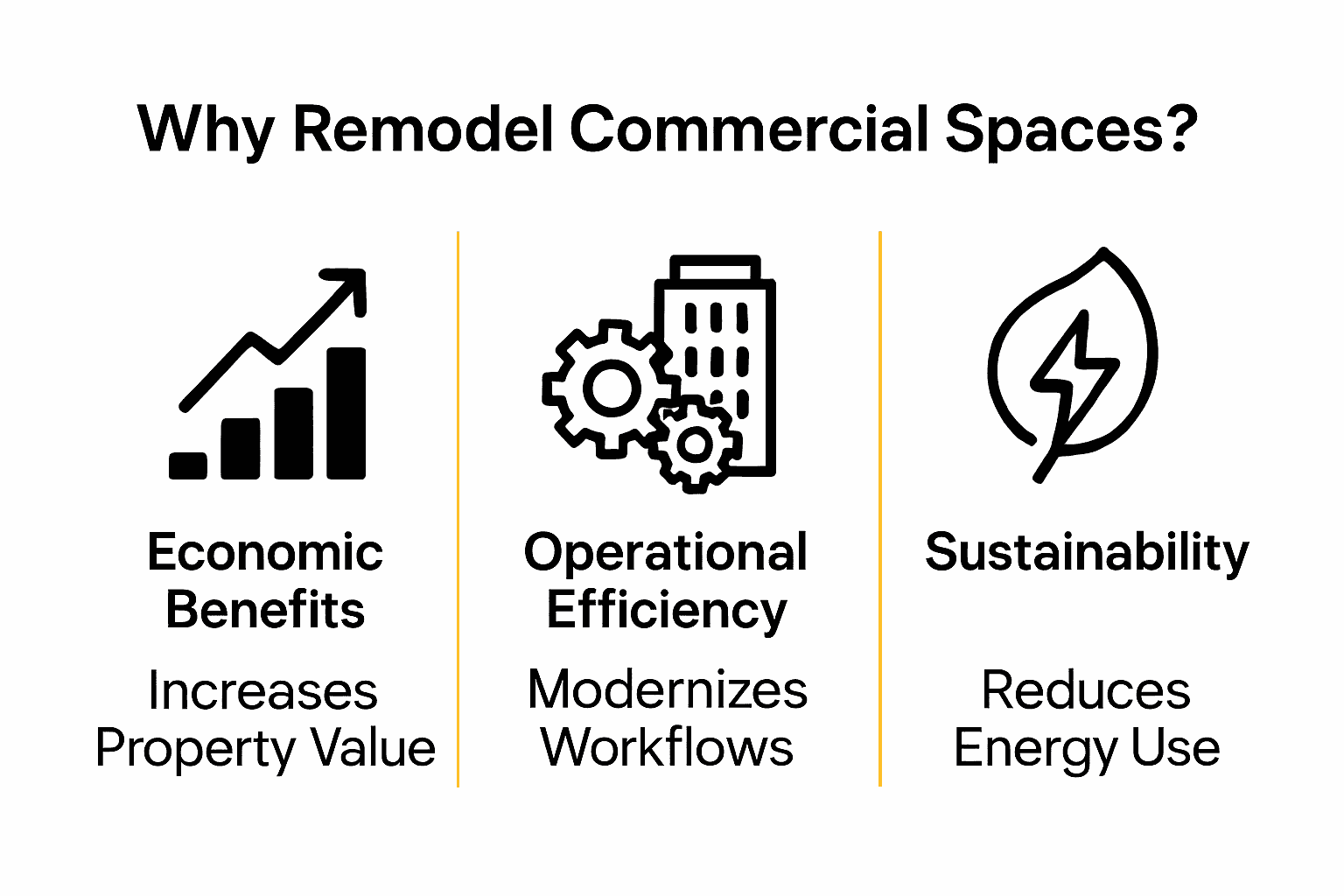
- Economic Revitalization: Increasing property value and market attractiveness
- Operational Efficiency: Modernizing infrastructure and workflow spaces
- Employee Productivity: Creating more comfortable and inspiring work environments
- Brand Positioning: Communicating company growth and professional evolution
- Technology Integration: Upgrading technological capabilities and infrastructure
- Sustainability Improvements: Reducing energy consumption and environmental impact
Businesses in the Dallas Fort Worth area looking to explore innovative renovation strategies can find comprehensive insights in 7 Smart Commercial Renovation Ideas for Modern Spaces. By understanding these benefits, property owners can make informed decisions that not only enhance their physical spaces but also drive meaningful business transformation and long-term growth.
Legal and Regulatory Considerations
Commercial space remodeling involves navigating a complex landscape of legal and regulatory requirements that can significantly impact project planning, execution, and overall success. Property owners must carefully understand and comply with multiple layers of regulations to ensure their renovation projects proceed smoothly and meet all necessary legal standards.
As en highlights, construction contracts are fundamental to establishing clear legal frameworks for renovation projects. These documents outline critical details including cost structures, project timelines, responsibilities of each party, and specific performance expectations. Understanding different contract types, such as cost-plus fixed fee arrangements, becomes crucial for maintaining legal compliance and protecting both the property owner and the renovation contractor.
Key legal and regulatory considerations for commercial space renovations include:
- Zoning Regulations: Ensuring proposed changes align with local land use requirements
- Building Codes: Meeting current safety and structural standards
- Permit Requirements: Obtaining necessary approvals before starting work
- Americans with Disabilities Act (ADA) Compliance: Ensuring accessibility standards
- Environmental Regulations: Addressing potential environmental impact
- Historic Preservation Rules: Protecting buildings with historical significance
For businesses in the Dallas Fort Worth area seeking comprehensive guidance through these complex legal landscapes, Role of Design in Renovations: Complete Guide provides valuable insights into navigating the intricate regulatory environment surrounding commercial renovation projects. Proactive understanding and strategic planning can help property owners avoid potential legal pitfalls and ensure a smooth, compliant renovation process.
Cost Factors and Budgeting Strategies
Budgeting for commercial space renovation requires a comprehensive and strategic approach that goes far beyond simple cost calculations. Successful property owners understand that effective financial planning involves anticipating potential challenges, understanding complex cost drivers, and developing flexible strategies that protect their investment while achieving desired renovation outcomes.
Interestingly, research from arxiv reveals that energy flexibility measures can significantly influence renovation cost factors. By carefully analyzing energy use and implementing targeted demand flexibility strategies, businesses can balance renovation expenses with long-term operational efficiency. This approach allows property owners to make more informed decisions that consider both immediate renovation costs and potential future savings.
Key cost factors and budgeting considerations include:
- Material Costs: Selecting quality materials within budget constraints
- Labor Expenses: Understanding market rates for skilled renovation professionals
- Unexpected Contingencies: Allocating funds for potential unforeseen challenges
- Technological Upgrades: Investing in infrastructure improvements
- Compliance and Permitting: Budgeting for regulatory requirements
- Energy Efficiency Investments: Calculating long-term savings potential
For businesses in the Dallas Fort Worth area seeking detailed guidance on financial planning, Why Plan a Remodeling Budget: Complete Guide offers comprehensive insights into developing robust renovation financial strategies. By approaching commercial space remodeling with a strategic, well-researched budgeting process, property owners can transform their spaces while maintaining financial prudence and maximizing return on investment.
Transform Your Commercial Space with Expert Remodeling Solutions
If you have been thinking about why remodel commercial spaces you may already recognize the challenges of outdated layouts, inefficient systems, and the need to comply with complex regulations. This guide highlights important goals such as improving operational efficiency, modernizing technology, and enhancing sustainability features. These are critical pain points that can hold your business back but are completely solvable with the right partner. By focusing on adaptive reuse, full renovation, and smart budgeting strategies you can unlock new value and create inspiring environments for your team and clients.
Astrotech Construction understands these specific commercial remodeling challenges in the Dallas Fort Worth Metroplex. Our professional services cover everything from structural upgrades to energy efficiency improvements and compliance assurance. We help you navigate the design and legal complexities while delivering high-quality craftsmanship that elevates your brand presence. Experience unparalleled commitment to your project’s success and watch your commercial space evolve into a more productive and attractive location.
Ready to start your commercial remodeling journey with confidence and expert support?
Explore how our tailored commercial renovation services at Astrotech Construction can bring your vision to life. Visit 7 Steps to an Effective Commercial Renovation Checklist for essential planning tips that make your project smooth and successful. Contact our team now to schedule a consultation and take the crucial first step toward transforming your commercial property today.
Frequently Asked Questions
What is commercial space remodeling?
Commercial space remodeling refers to the process of transforming existing business environments through structural and functional upgrades, which may include modifications to both the interior and exterior of commercial properties.
What are the key benefits of renovating commercial spaces?
Renovating commercial spaces can increase property value, improve operational efficiency, enhance employee productivity, strengthen brand positioning, and promote sustainability through energy efficiency improvements.
How can I ensure compliance with legal and regulatory requirements during remodeling?
To ensure compliance, it is essential to understand zoning regulations, building codes, permit requirements, ADA compliance, environmental regulations, and any historic preservation rules that may apply to your renovation project.
What are some cost factors to consider when budgeting for a commercial renovation?
Key cost factors include material costs, labor expenses, unexpected contingencies, technological upgrades, compliance and permitting expenses, and potential energy efficiency investments.
Recommended
- Commercial Renovation Explained: Essential Guide for 2025 – Astrotech Construction
- 7 Inspiring Commercial Renovation Examples for DFW Owners – Astrotech Construction
- 7 Smart Commercial Renovation Ideas for Modern Spaces – Astrotech Construction
- Complete Guide to Renovation vs Remodeling Differences – Astrotech Construction
- Residential vs Commercial Moves: Complete Guide Australia – Onyx Removals
- Cozee Bay – Complete Guide to Bamboo Product Applications in Commercial Spaces