
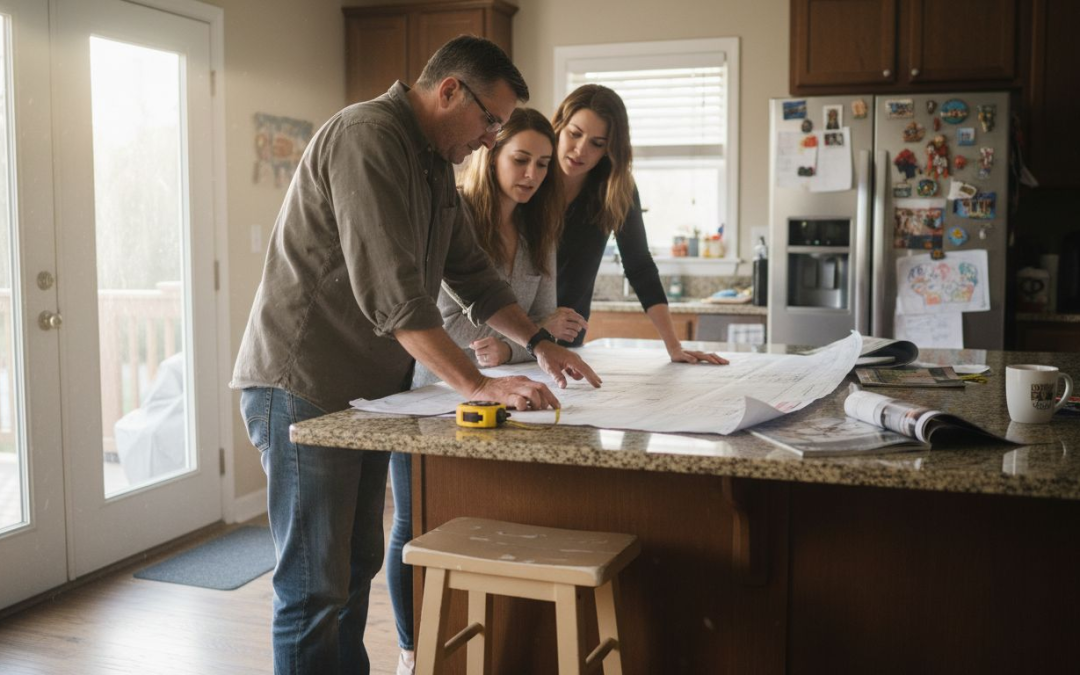
Over 60 percent of American homeowners report unexpected setbacks during remodeling. Planning a renovation project is more than just picking out paint colors or fixtures. Without clearly defining your project scope and setting priorities, even small changes can spiral into major headaches. This step by step guide helps you lay a strong foundation so you avoid costly surprises and keep your American home improvement project running smoothly from the start.
Table of Contents
- Step 1: Identify Project Scope And Priorities
- Step 2: Coordinate With Contractors And Vendors
- Step 3: Establish A Realistic Timeline And Milestones
- Step 4: Schedule Inspections And Permits
- Step 5: Review Progress And Adjust As Needed
- Step 6: Finalize Completion And Verify Quality
Quick Summary
| Key Point | Explanation |
|---|---|
| 1. Clearly Define Project Scope | Start with a precise assessment of current space and desired outcomes to avoid costly changes later. |
| 2. Communicate with Contractors | Establish clear expectations and maintain open dialogue with contractors to ensure smooth project execution. |
| 3. Create a Realistic Timeline | Build a detailed schedule with milestones and buffers to manage project complexity and delays effectively. |
| 4. Schedule Necessary Permits | Research local regulations to obtain required permits early, preventing legal complications down the line. |
| 5. Regularly Monitor Progress | Hold regular meetings to track development, discuss challenges, and make informed adjustments to the project. |
Step 1: Identify Project Scope and Priorities
Identifying your remodeling project’s scope and priorities is the critical foundation that determines your entire renovation journey. Before swinging a single hammer, you need a clear roadmap that outlines exactly what you want to accomplish.
To effectively define your project scope, start by conducting a comprehensive assessment of your current space and your desired outcome. Research demonstrates the importance of precisely defining project parameters during early stages to prevent costly modifications later. Begin by making a detailed list of everything you want to change your must have improvements, nice to have upgrades, and potential future expansions. Consider factors like functionality, aesthetic preferences, budget constraints, and long term home value. Walk through each room and note specific areas needing renovation, measuring spaces and documenting current conditions.
Next, prioritize your project elements by categorizing them into critical needs versus optional enhancements. Predictive modeling techniques suggest that clear scope definition can significantly reduce potential cost overruns and scheduling delays. Create a ranked list that separates essential improvements from aspirational upgrades. This approach allows you to make strategic decisions about where to invest your resources and helps prevent scope creep that can derail your entire project.
Pro tip: Create a physical or digital vision board that captures your project goals. Include photos, color swatches, material samples, and rough sketches to help contractors understand your exact vision and ensure everyone is aligned from the beginning.
Step 2: Coordinate with Contractors and Vendors
Successful remodeling projects rely on effective communication and strategic coordination with contractors and vendors. Your ability to establish clear expectations and maintain open dialogue will directly impact the project’s smooth execution and final results.

Construction partnering methodologies emphasize the importance of collaborative networks that help project teams set goals and resolve potential challenges. Start by thoroughly researching and vetting potential contractors, checking their licensing, insurance, references, and previous project portfolios. Schedule initial consultations with multiple professionals to discuss your project scope, timeline, and budget. During these meetings, ask detailed questions about their experience with similar projects, their proposed approach, and potential challenges they anticipate. Request comprehensive written proposals that break down costs, materials, labor, and estimated project duration.
Integrated frameworks for analyzing collaborative networks can significantly enhance coordination among project stakeholders. Create a centralized communication plan that establishes regular check in meetings, preferred communication channels, and clear protocols for decision making. Use project management tools or shared digital platforms where all parties can track progress, share documents, and maintain transparent communication. Establish a single point of contact to streamline interactions and prevent miscommunication. Be prepared to provide timely feedback, make prompt decisions, and remain flexible while maintaining clear boundaries about your project expectations.
Pro tip: Always get detailed written agreements that outline exact project specifications, payment schedules, warranty information, and potential contingency plans to protect both your interests and the contractors professional commitments.
Step 3: Establish a Realistic Timeline and Milestones
Creating a realistic project timeline is crucial for managing expectations and ensuring smooth progress throughout your remodeling project. Your goal is to develop a comprehensive schedule that balances project complexity with practical constraints.
The project management triangle highlights the critical interplay between time, cost, and scope when establishing project timelines. Break down your entire project into distinct phases with specific milestones and estimated durations. Start by working backward from your desired completion date and allocate realistic timeframes for each major project stage. Consider potential delays by building in buffer periods between critical tasks. Factor in lead times for material delivery, potential permit approvals, and scheduling conflicts with contractors. Account for seasonal variations that might impact construction work especially in regions with extreme weather conditions.
Advanced project selection methodologies recommend using multiple criteria to prioritize and schedule project activities. Create a detailed spreadsheet or use project management software to track each milestone, assigning responsible parties and specific completion dates. Identify potential bottlenecks or dependencies that could disrupt your timeline and develop contingency plans. Regularly review and adjust your schedule as the project progresses, maintaining flexibility while keeping the overall timeline intact. Communicate your timeline clearly with all contractors and vendors to ensure everyone understands project expectations and critical deadlines.
Pro tip: Include a 15 to 20 percent time buffer in your project timeline to account for unexpected complications, material delays, or unforeseen challenges that frequently arise during home renovation projects.
Step 4: Schedule Inspections and Permits
Scheduling inspections and obtaining necessary permits is a critical step in ensuring your remodeling project complies with local regulations and meets safety standards. This process protects your investment and prevents potential legal complications down the road.
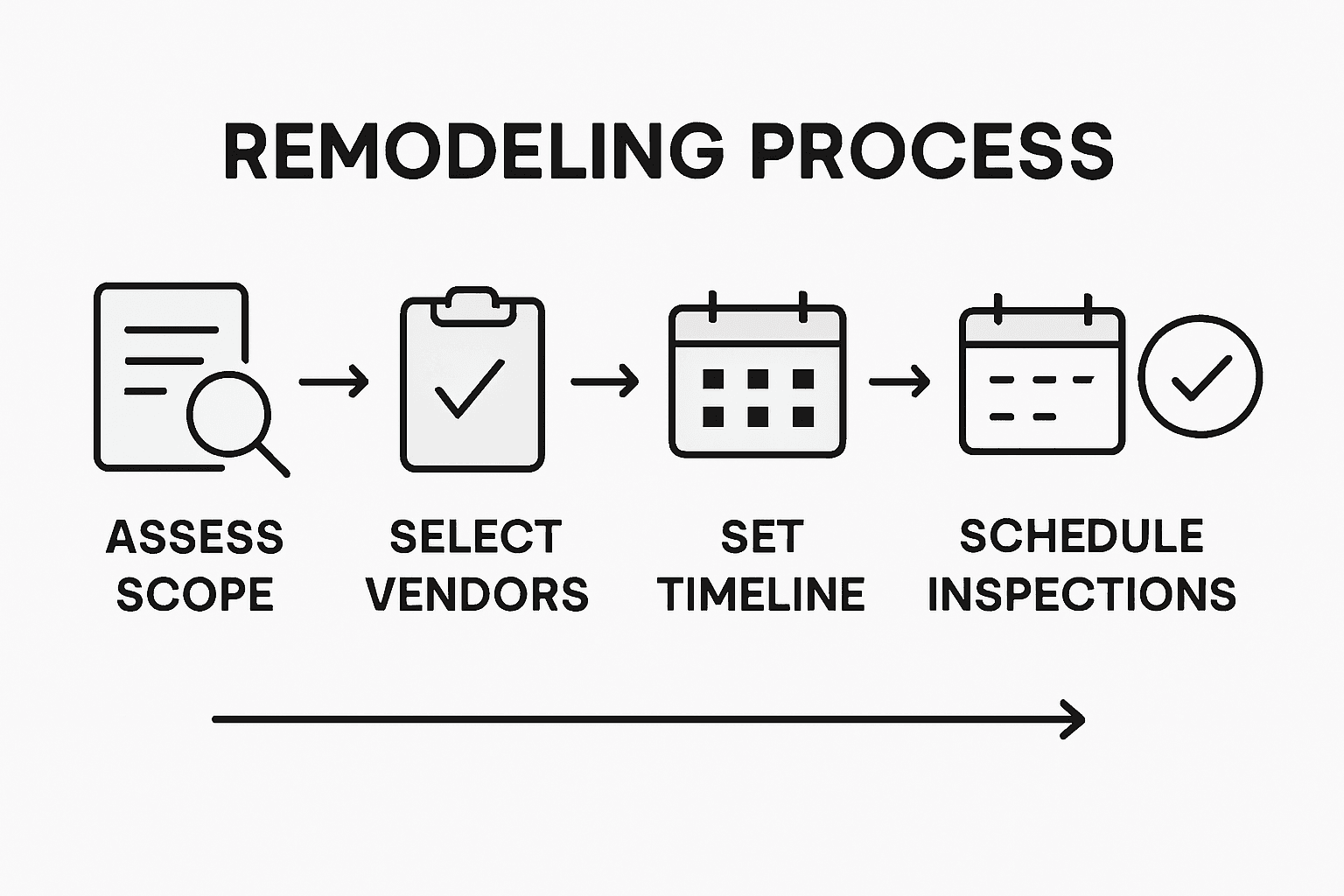
Construction industry guidelines emphasize the importance of integrating permit requirements and inspection schedules early in project planning. Research your local municipality’s specific requirements for renovations, understanding that permit needs vary depending on the scope of your project. Contact your city or county building department to identify exactly which permits you will need. Some common permits include electrical, plumbing, structural, and mechanical work permits. Begin this process early as permit approvals can take several weeks. Compile all required documentation including detailed project plans, property surveys, and contractor information. Be prepared to pay permit fees which can range from a few hundred to several thousand dollars depending on your project’s complexity.
Integrated design approaches can help streamline the permit and inspection scheduling process by fostering collaboration between designers and builders. Work closely with your contractors to develop a comprehensive permit application strategy. Schedule preliminary inspections at key project milestones such as foundation work, framing, electrical rough in, plumbing, and final completion. Keep detailed records of all permit applications, inspection dates, and approvals. Some jurisdictions require multiple inspections throughout the project, so coordinate these carefully with your contractors to minimize potential delays. Proactively communicate with local building inspectors and be prepared to make adjustments if any issues are identified during inspections.
Pro tip: Create a dedicated permit and inspection folder with digital and physical copies of all documentation to ensure you have immediate access to critical paperwork throughout your remodeling project.
Step 5: Review Progress and Adjust as Needed
Regularly monitoring and evaluating your remodeling project’s progress is essential for maintaining momentum and ensuring successful completion. This step involves proactively tracking developments and being prepared to make strategic adjustments when unexpected challenges arise.
Continuous project monitoring helps mitigate potential cost overruns and schedule disruptions by identifying and addressing issues early. Schedule weekly or biweekly progress meetings with your contractors to review completed work, upcoming tasks, and any emerging challenges. Compare actual progress against your original project timeline, noting any deviations. Pay close attention to critical path activities that could impact overall project completion. Discuss any delays, material availability issues, or unexpected complications transparently with your project team. Document all discussions and decisions to maintain clear communication and accountability.
Understanding the risks of uncontrolled project expansion is crucial for maintaining project integrity and budget. Be prepared to make informed decisions about potential scope modifications. If unexpected issues arise that require changes to the original plan, carefully evaluate the impact on budget, timeline, and project quality. Assess whether proposed changes are necessary or merely desirable. When modifications are required, get detailed estimates and understand how they will affect your overall project parameters. Maintain flexibility while also protecting your original project goals and financial constraints.
Pro tip: Maintain a digital project management tool or shared spreadsheet that allows real time tracking of project progress, enabling all stakeholders to see current status, upcoming tasks, and potential challenges at a glance.
Step 6: Finalize Completion and Verify Quality
Reaching the final stages of your remodeling project requires meticulous attention to detail and a comprehensive approach to quality verification. This critical phase ensures that every aspect of your renovation meets your expectations and professional standards.
The project management triangle highlights the importance of balancing time, cost, and scope to achieve optimal project quality. Begin the final review by conducting a thorough walkthrough with your primary contractor. Create a comprehensive checklist that covers every aspect of the project including structural integrity, finishing details, material quality, and functional performance. Inspect each room systematically checking for proper installation, alignment, paint quality, trim work, and any potential defects. Test all installed systems such as electrical outlets, plumbing fixtures, heating and cooling components to verify full functionality. Document any discrepancies or areas requiring adjustment and discuss immediate remediation strategies with your contractor.
Integrated design approaches emphasize the importance of collaborative quality verification throughout the construction process. Request formal documentation including warranties, installation certificates, and manufacturer guarantees for all materials and systems installed during the renovation. Schedule professional third party inspections if necessary to provide an unbiased assessment of the work completed. Compare the final result against your original project specifications and design plans. Address any minor imperfections or outstanding items before making final payment. Ensure all permits have been properly closed and necessary documentation is filed with local authorities.
Pro tip: Create a comprehensive project completion binder containing all contracts, receipts, warranties, inspection reports, and photographic documentation of the renovation process for future reference and potential resale value.
Here is a quick reference to key documents to keep organized during your project:
| Document Type | Purpose | When Needed |
|---|---|---|
| Written Agreement | Defines scope, costs, and timelines | Before work begins |
| Permit Approvals | Confirms legal compliance | Pre-construction |
| Inspection Reports | Verifies code and quality standards | During key phases |
| Warranties/Guarantees | Protects against defects or failures | At project close |
| Receipts/Invoices | Tracks payments and financial records | Throughout project |
| Completion Photos | Provides proof of work for future needs | At completion |
Here is a summary of potential pitfalls and solutions at each remodeling stage:
| Project Stage | Common Pitfall | Solution/Best Practice |
|---|---|---|
| Defining Scope | Vague goals or unclear priorities | Set detailed objectives and rank needs |
| Hiring Contractors | Lack of verification | Check references and require proposals |
| Scheduling | Underestimating task durations | Add time buffers and review milestones |
| Permits & Inspections | Missed permit deadlines | Research requirements and track progress |
| Progress Review | Ignoring timeline deviations | Hold regular review meetings |
| Project Completion | Overlooking minor defects | Use a comprehensive final checklist |
Schedule Your Remodeling Project with Confidence and Expert Support
Scheduling remodeling projects demands clear priorities, realistic timelines, and smooth coordination with contractors to avoid costly delays and scope creep. If managing permits, inspections, and progress checks feels overwhelming, you are not alone. Many homeowners and business owners struggle with organizing every detail while ensuring quality and compliance throughout the renovation process.
At Astrotech Construction, we specialize in turning your remodeling vision into a well-planned, efficiently executed reality. With deep expertise in full home remodeling, kitchen and bathroom upgrades, roof replacement, and more within the Dallas – Fort Worth Metroplex, our team focuses on delivering project clarity, reliable scheduling, and superior craftsmanship. Let us handle the complexities so you can enjoy peace of mind and beautiful results.
Discover how our services can provide you the structure and support described in How to Schedule Remodeling Projects for Optimal Results by visiting our main website.
Schedule Your Project Today and Experience a Seamless Renovation Process!
Ready to start? Explore our expert remodeling services at Astrotech Construction, request a consultation, and take control of your home or business improvement journey now.
Frequently Asked Questions
What is the first step in scheduling remodeling projects?
Identifying the project scope and priorities is the first step. Assess your space, list the must-haves and nice-to-haves, and create a ranked list to guide your decisions.
How do I create a realistic timeline for my remodeling project?
To create a realistic timeline, break your project into phases with specific milestones. Allocate time for each phase and include a buffer of 15 to 20 percent to account for potential delays.
When should I schedule inspections and permits during the remodeling process?
You should schedule inspections and obtain necessary permits early in the planning stage. Contact your local building department to understand the required permits, and begin this process at least several weeks prior to starting construction.
How can I effectively communicate with contractors during the project?
Establish a centralized communication plan to maintain open dialogue with contractors. Schedule regular check-in meetings and utilize project management tools to keep everyone informed about progress and any changes.
What should I do if my remodeling project timeline is delayed?
If delays occur, regularly review the project timeline and address specific bottlenecks with your contractors. Develop contingency plans to minimize the impact on your overall schedule and maintain flexibility in your project management.
How can I ensure all work meets quality standards at project completion?
Conduct a thorough final walkthrough with your contractor and use a comprehensive checklist to verify that all aspects meet your expectations. Document any issues and discuss remedies before making the final payment.
Recommended
- Remodeling Timelines Explained: Setting Realistic Expectations – Astrotech Construction
- Role of Project Management in Remodeling: Complete Guide – Astrotech Construction
- Remodeling Project Checklist: Step-by-Step Guide for Success – Astrotech Construction
- Why Plan a Remodeling Budget: Complete Guide – Astrotech Construction